Overall Review of Sarasota Memorial Nursing And Rehabilitation Cente
common20 reviews mention this
Staff support is consistently praised
Residents and families most often mention staff as kind, helpful, and responsive to needs.
Across many stays, residents and families describe nurses, CNAs, and therapists as caring and attentive, with a focus on health and comfort. Several reviewers also mention that staff took time to answer questions, collaborate with families, and help residents feel prepared for returning home. A smaller set of reviews take issue with communication, staffing responsiveness at night, or how representatives are kept informed, but the overall pattern of feedback is still strongly positive about day-to-day support.
common14 reviews mention this
Therapy helps drive recovery
Physical and occupational therapy show up repeatedly as a key part of the rehab experience.
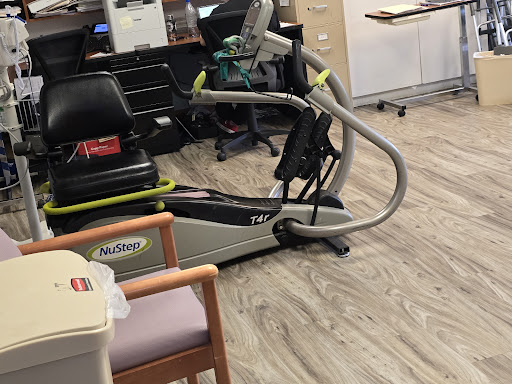
Many reviewers credit PT and OT for getting them or their loved ones moving, building strength, and improving after surgery or injury. Some specifically describe therapists as knowledgeable and dedicated, and others mention therapy being scheduled often enough to support progress. A few negative reviews say therapy was too limited or that residents had to fight for time with therapists, which is the main recurring complaint in this area.
caveat12 reviews mention this
Restaurant-style dining is a mixed point
Dining expectations vary, with many praising the food while others describe poor quality or portions.
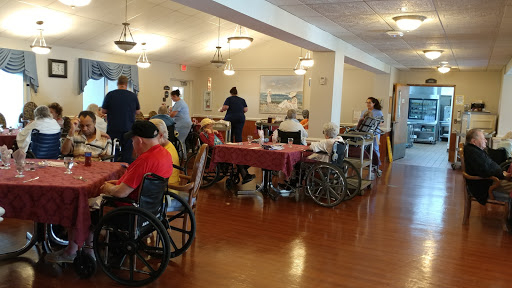
Several reviewers say meals were good, enjoyable, or even better than hospital food, and some mention accommodations if they do not like what is served. The community also offers restaurant-style dining and lists special-diet support such as diabetes- and special-restriction meals. On the other hand, a recurring minority of reviews call out food as terrible or lacking in taste, fiber, or portion size, including at least one account of noticeable weight loss.
caveat6 reviews mention this
Rooms and privacy draw complaints
Room size and shared layouts are common sources of frustration.
Some reviewers say rooms feel very small and that residents share space with limited privacy, which can affect comfort for both patients and visitors. Others describe practical downsides like limited seating for guests and uncomfortable beds. While many positive reviews focus on cleanliness and a well-maintained environment, these privacy and comfort concerns come up strongly enough to stand out as a caveat.
caveat8 reviews mention this
Response times and coordination can slip
Several reviews describe delays in getting help and gaps in care coordination.
A number of negative reviews focus on getting assistance when needed, including accounts of long waits to reach staff and difficulties getting basic support like help with meals, hydration, or comfort. Some reviewers also report confusion around medications or care-plan coordination, with concerns about whether needs were tracked and communicated properly. Positive reviews do mention regular check-ins and clear help during rehab, so this issue seems to depend on circumstances and staffing.
How we summarize
Counts show how many written reviews mention each theme; a review can touch several themes, and only frequently mentioned themes are displayed.
Features
Housing
120 resident community capacity
Types of Care
Skilled Nursing Facility
Amenities
Air-conditioning
Beauty salon
Cable or satellite TV
Computer center
Dining room
Fitness room
Fully furnished
Gaming room
Garden
Housekeeping services
Kitchenette
Move-in coordination
Outdoor space
Private bathrooms
Restaurant-style dining
Small library
Telephone
Wellness center
Wi-Fi/high-speed internet available
Transportation
Sarasota Bradenton International (11 miles away)
Community operated transportation
Transportation arrangement
Transportation arrangement (non-medical)
Transportation to doctors appointments
Care Services
12-16 hour nursing
24-hour call system
24-hour supervision
Activities of daily living assistance
Assistance with bathing
Assistance with dressing
Assistance with transfers
Diabetes diet
Meal preparation and service
Medication management
Mental wellness program
Special dietary restrictions
Dining
Diabetes diet
Special dietary restrictions
Activities
Community-sponsored activities
Concierge services
Fitness programs
Planned day trips
Resident-run activities
Scheduled daily activities
Nearby Places of Interest
Hospitals
All Children's Specialty Care of Sarasota (0.3 miles)
Homesights Consulting (2.2 miles)
Restaurants
Gecko's (0.4 miles)
Chick-Fil-A (0.5 miles)
McDonald's (1.6 miles)
Paddy Wagon Irish Pub (2.1 miles)
McDonald's (2.4 miles)
Miller's Ale House - Sarasota (2.5 miles)
Arby's (2.6 miles)
Physicians
Dermatology of Coastal Sarasota (0.5 miles)
Sarasota Wellness MD, Dana Fabiani MD (2 miles)
Sarasota's Clinic for Ears, Nose and Throat (2.4 miles)
Ramon E Colina (2.6 miles)
Gulf Coast Obstetrics & Gynecology (2.6 miles)
Doctors Hospital of Sarasota Orthopedic Center (2.7 miles)
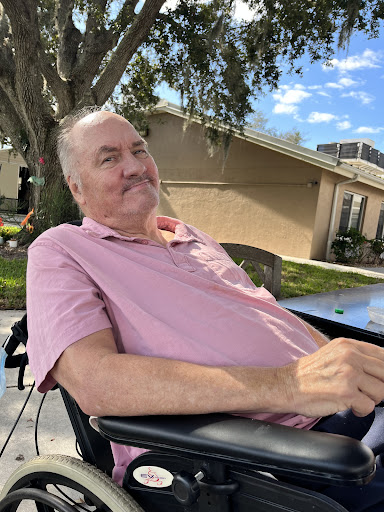
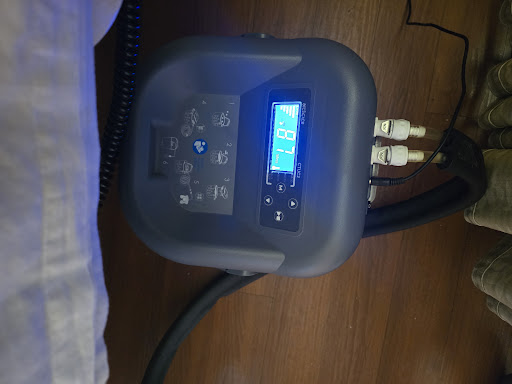
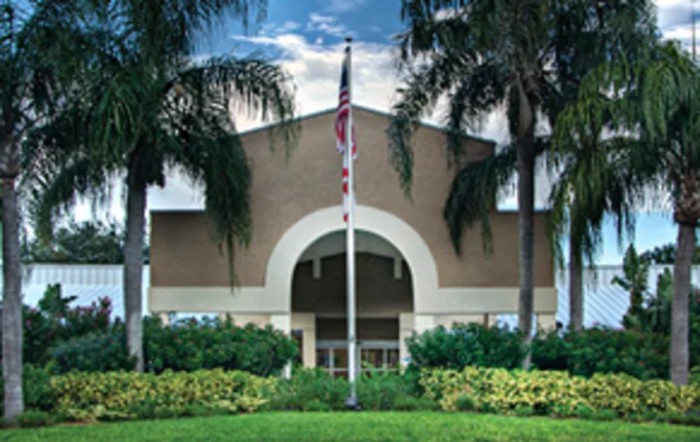
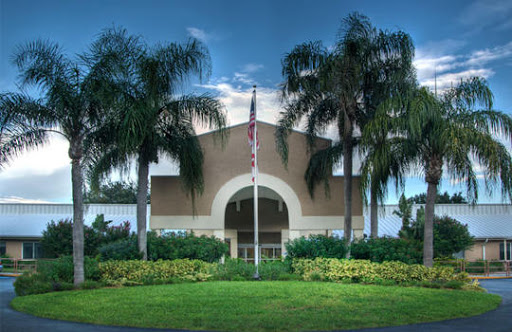
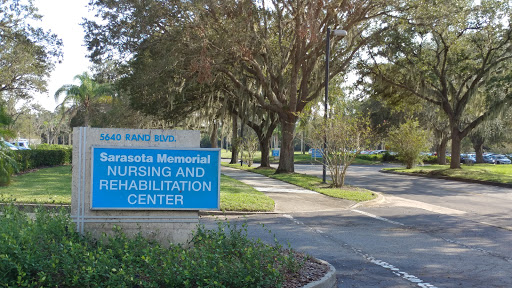
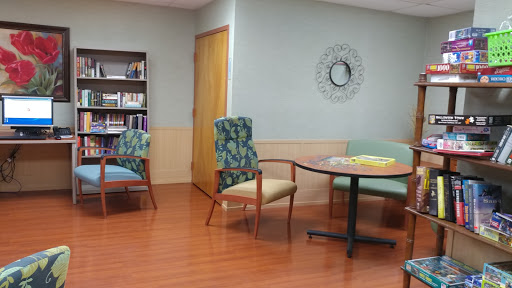
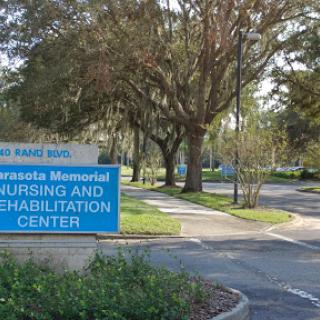
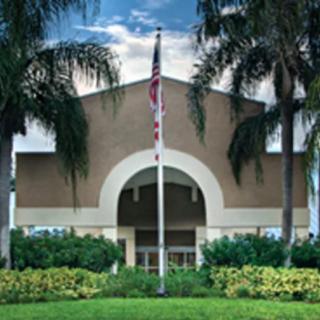
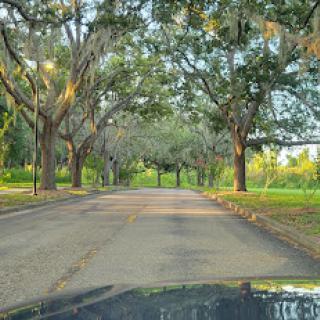
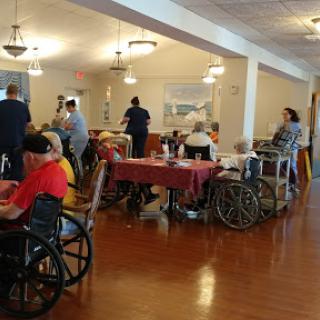
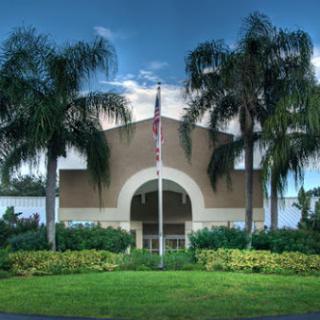
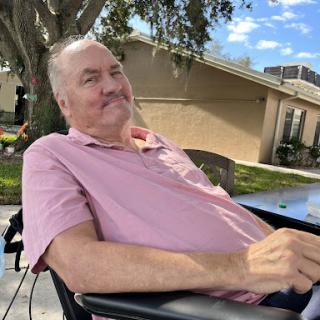
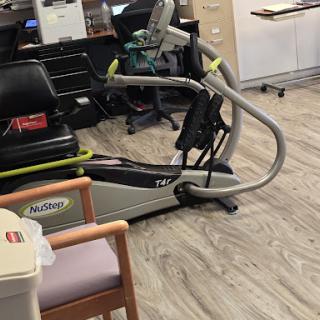
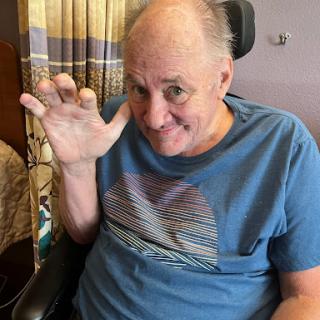
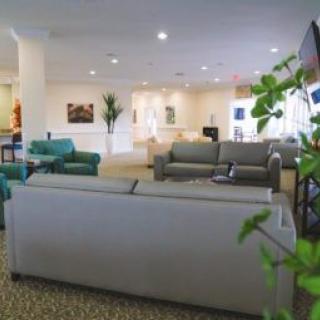
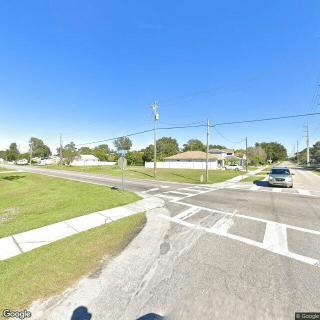
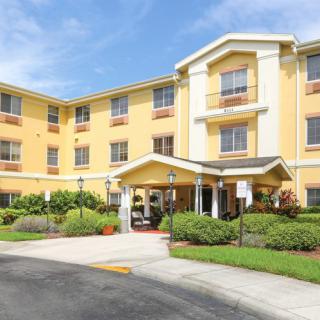
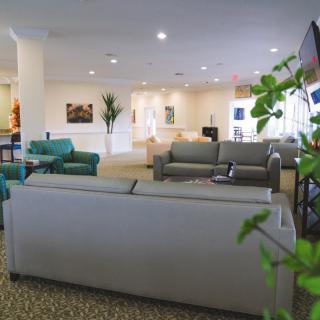
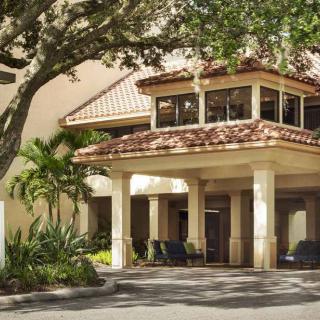
Sarasota Memorial Nursing And Rehabilitation Cente on seniors.fyi includes 11 photos including images showing landscaping, flag, interior, building, architecture, palm trees, rehabilitation, outdoors, and more.
Nearby Communities
Orange Acres Mobile Home Park
Sarasota, FL
4.4 from 55 reviews
Abundant nearby amenities and services (healthcare, dining, parks, worship, entertainment).
Sarabella Senior Living
Sarasota, FL
4.1 from 86 reviews
$4,495 to $7,195 / month
Bright, beautiful campus with engaging daily activities and high-quality dining.
Angels Senior Living At Sarasota
Sarasota, FL
4.3 from 23 reviews
Strong memory-care focus with 24/7 supervision and broad amenities.
Sunrise Preserve
Sarasota, FL
4.3 from 42 reviews
Small, personalized community with tailored meal prep and medication management.
Green Acres Manor
Sarasota, FL
Excellent proximity to dining, healthcare, parks, worship, and entertainment.
The Glenridge on Palmer Ranch
Sarasota, FL
4 from 40 reviews
Extensive amenities and multiple care levels in a large, high-end CCRC.
Brookdale Palmer Ranch
Sarasota, FL
3.9 from 119 reviews
$4,780 to $8,395 / month
Caring, family-like staff in a clean, well-maintained community with engaging activities.
Angels Senior Living at Sarasota
Sarasota, FL
4.5 from 44 reviews
$4,714 to $7,435 / month
Friendly, attentive staff with strong leadership in a modern, clean facility; locked-in rate option
American House Sarasota
Sarasota, FL
4.4 from 104 reviews
$4,500 to $5,535 / month
Spacious accommodations with chef-prepared meals and engaging activities in a pleasant setting.
Adult day care programs offer essential support and activities for older adults, yet many hesitate to participate due to concerns about independence and stigma. To alleviate these apprehensions, families should facilitate open discussions, explore financial resources, suggest trial visits, and collaborate with healthcare providers to highlight the benefits of such services for both the participants and their caregivers.
Living wills and advance directives are crucial legal documents that outline an individual's healthcare preferences when they cannot make decisions themselves, enhancing patient autonomy and alleviating family stress during medical crises. The article emphasizes the need for these documents to be personalized, legally valid, and regularly updated, while also encouraging communication about end-of-life wishes among family members and healthcare providers.
The article examines living wills and advance directives, highlighting their significance in expressing healthcare preferences for those unable to communicate due to illness or incapacity. It discusses their historical development, legal components, limitations, practical drafting advice, and the importance of clear communication among families and healthcare professionals regarding end-of-life decisions.
Sarasota Memorial Nursing And Rehabilitation Cente photos
×
Interior
Outdoors
Building
Architecture
Trees
Dining
Landscaping
Outdoor
Exercise Equipment
Wheelchair
Interior
Dining and Nursing Home
Landscaping
Building, Architecture, and Palm Trees
Trees and Outdoors
Outdoor
Entrance
Exercise Equipment
Exterior
Flag
Nature and Road
Healthcare
Waiting Area
Rehabilitation
Wheelchair
Additional Photos
Get PricingAsk A QuestionSchedule A TourContact Senior Advisor
By clicking submit, you agree to our Partner's Terms of Use. You
also consent to receive calls and texts, which may be autodialed, from our Partner. Your consent is not a condition to
using our Partner's service. Please visit our Partner's Privacy Policy for information about their privacy practices.

 120 resident community capacity
 Skilled Nursing Facility
 Air-conditioning
 Beauty salon
 Cable or satellite TV
 Computer center
 Dining room
 Fitness room
 Fully furnished
 Gaming room
 Garden
 Housekeeping services
 Kitchenette
 Move-in coordination
 Outdoor space
 Private bathrooms
 Restaurant-style dining
 Small library
 Telephone
 Wellness center
 Wi-Fi/high-speed internet available
 Sarasota Bradenton International (11 miles away)
 Community operated transportation
 12-16 hour nursing
 24-hour call system
 Activities of daily living assistance
 Assistance with bathing
 Assistance with dressing
 Assistance with transfers
 Diabetes diet
 Medication management
 Mental wellness program
 Special dietary restrictions
 Concierge services
 Planned day trips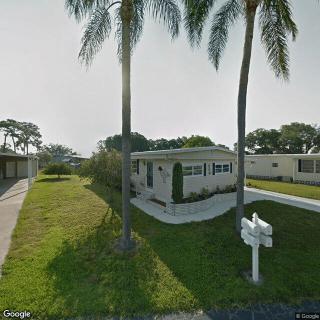
 Abundant nearby amenities and services (healthcare, dining, parks, worship, entertainment).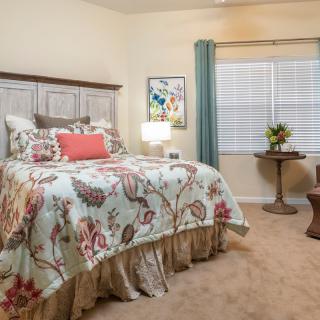


 Encouraging Participation in Adult Day Care: A Guide to Supporting a Hesitant Parent
 Comprehensive Exploration of Living Wills and Other Advance Directives
 A Detailed Exploration of Living Wills and Advance Directives