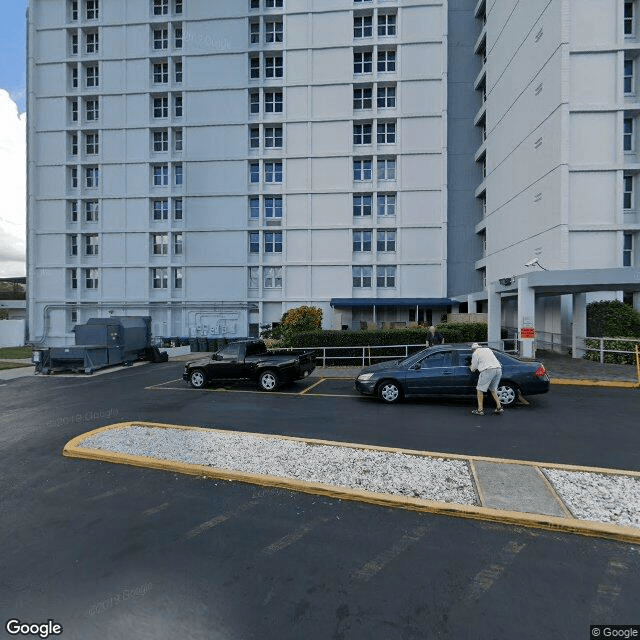
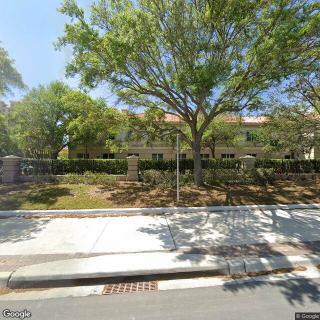
930 N Tamiami Trl, Sarasota, FL 34236
To contact a resident: (941) 953-9585
For more information about senior living options: (866) 208-4318
Overall Review of Jefferson Center
Pros
 It is considered a good place for seniors to live in a community, with staff always ready to provide safety and well-being.
- The location is great and it is easy to get around without a car.
- The community is clean and well-maintained.
- There are a lot of activities and get-togethers.
- All staff, from maintenance to administration, are wonderful and respond quickly to needs.
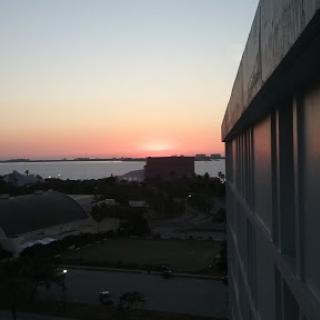
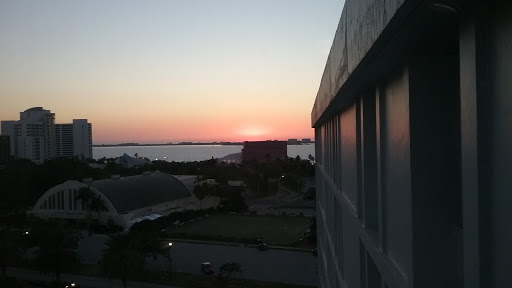
- Residents at the Jefferson Center are happy with the view and the friendly atmosphere.
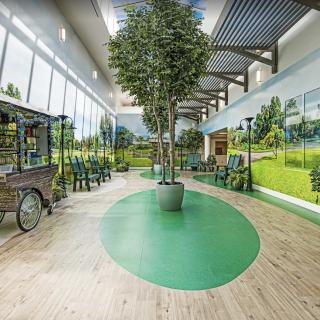
- The community is affordable, with friendly people, many activities, and lovely gardens and grounds.
- The staff are kind.
- The place is fabulous.
- Some residents feel like they are in heaven and love it.
Cons
 The front desk woman refused to open the door for someone standing outside in 40-degree weather.
- The front desk woman was rude.
- She had an attitude and tossed a pen on the desk instead of handing it to them.
- The woman was disgustingly rude for two days in a row.
- A family member is living in a hell hole there.
- Residents are living in a water-damaged building.
Review
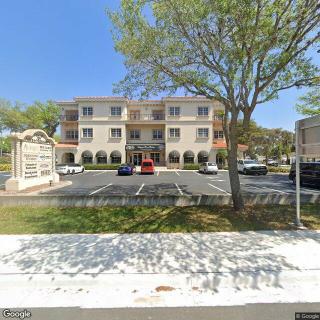
This community is best suited for active seniors who want a lively Sarasota lifestyle, with easy access to the bay, ample programming, and a strong sense of daily social life. It works well for residents who enjoy a robust calendar of activities, gardens and grounds to stroll, and a setting where getting around without a car is feasible. The profile here favors individuals and couples who thrive on interaction, appreciate a welcoming campus atmosphere, and are willing to engage with a broad range of events and gatherings. In short, this is a good fit for those who want to be part of a bustling, sociable community and measure convenience by proximity to waterfront scenery and planned engagement rather than by pristine quiet or exclusive luxury. Potential residents should recognize that a high-energy environment may not suit those seeking a very low-key, ultra-private setting.
On the flipside, anyone who requires consistently flawless front-desk service, or who places a premium on uniformly impeccable facility conditions, may want to consider alternatives. A pattern of negative reports centers on interactions at the front desk, rudeness, curt behavior, and a sense that staff are not always available or welcoming to visitors. Even when the general mission is to foster safety and well-being, the front-line experience matters greatly to family members who visit or coordinate care. The strongest cautions also touch on building maintenance concerns, including an explicit report of water damage in a resident’s unit. These are not minor frictions; they speak to reliability, safety, and the ability to maintain a comfortable living environment over time. For some, these gaps could offset the appeal of the social calendar and the bayfront setting.
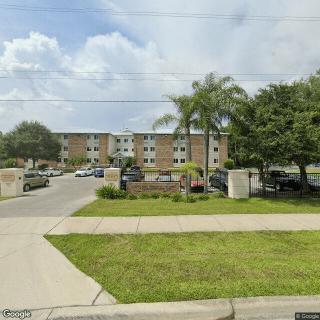
The positives are substantial and well-supported by multiple residents: a great location with easy access for those who don’t drive, clean and well-maintained grounds, and a palpable sense of community. The community earns praise for its cleanliness, attractive gardens, and the overall upkeep that makes daily living pleasant. Residents consistently mention a broad array of activities and social events that allow people to integrate into group life, rather than feeling isolated. Staff across maintenance and administration are repeatedly described as responsive and kind, contributing to a sense of reliability in day-to-day operations. The waterfront setting and the option to enjoy scenic views add a tangible quality of life that matters for longevity and well-being. For budget-conscious families, the affordability is another meaningful driver, enhancing access to a richer social ecosystem without prohibitive cost.
Those pros do not exist in a vacuum, however, and they must be weighed against the notable cons. The most consequential risk is not merely an unpleasant tone from one front-desk encounter but the broader implication for continuity of comfortable living: if a resident repeatedly encounters barriers at the point of entry or sign-out, the overall sense of safety and welcome can erode. Likewise, building condition concerns, such as reports of water damage, pose direct questions about ongoing maintenance, habitability, and potential cost implications for residents. In practical terms, the positive aspects, engagement, location, and cleanliness, offer real, tangible value that can significantly enhance daily life. Yet they can be undermined if front-line service falters or if structural issues emerge without prompt, transparent resolution. The balance tilts toward a strong recommendation only when those vulnerabilities are actively addressed.
For families weighing options, a prudent approach is essential. A guided tour should focus not only on the shared spaces and activity calendars but also on the cadence of staff interactions during routine visits, front-desk responsiveness, accessibility of aides, and the responsiveness of maintenance teams. Prospective residents should request a current account of any repair work, recent improvements, and a clear plan for monitoring and mitigating water-related concerns. It is important to review what is included in monthly fees, what expenses might rise over time, and how the community handles any capital improvements tied to building conditions. Speaking with current residents about who they know at the front desk and how visitors are treated can yield essential insight that numbers alone cannot reveal. The most decisive factor is whether the day-to-day experience aligns with the individual’s tolerance for potential friction and risk, given an otherwise strong social and environmental foundation.
In the end, Jefferson Center stands out as a compelling option for households prioritizing sociability, accessibility, and waterfront ambiance in a Sarasota setting. It delivers a lively milieu backed by clean facilities and a broad program slate, with many staff members praised for their dedication and warmth. Those advantages can translate into meaningful quality-of-life gains for residents who seek connection, purpose, and convenience in daily routines. However, the model carries meaningful caveats: front-desk experiences can reveal inconsistencies, and the specter of water damage raises legitimate questions about long-term maintenance and safety. For families, the decision hinges on risk tolerance and the value placed on a dynamic, community-led environment versus a more tightly controlled, consistently flawless experience. If the emphasis is on robust engagement and bayfront living, Jefferson Center can be an excellent match, with the caveat that active vigilance on service quality and building upkeep is essential to sustaining satisfaction over time.
 Skilled Nursing Facility
 Sarasota Bradenton International (4 miles away)
 In-Depth Look at the VA Aid and Attendance Program
 Nurturing Our Loved Ones: A Daughter's Journey in Caring for Her Mother
 Nurturing Our Elders: Linda's Journey of Supporting Her Mother