For more information about senior living options: (866) 208-4318
3.8 from 126 reviews
5 stars
80
4 stars
8
3 stars
2
2 stars
4
1 stars
32
Overall Review of Hunters Creek Nursing And Rehab Center
common20 reviews mention this
Staff care shows up repeatedly
Residents and families frequently describe staff as caring, kind, and attentive to needs.
Across many reviews, families say nurses, CNAs, therapists, and administrative staff treat them with warmth and responsiveness. Several reviewers specifically mention attentive communication with families and patients, including guidance through admissions or next steps after discharge. Some residents also describe staff support that helped with comfort, recovery progress, and daily engagement. A smaller set of reviews raise serious concerns about neglect, rudeness, and lack of response when help is needed.
differentiator12 reviews mention this
Therapy and rehab are a focal point
Rehab and therapy receive strong support for helping residents regain mobility and confidence.
Many reviewers highlight physical therapy and rehab as a standout part of the experience, describing skilled therapists and motivating, encouraging sessions. Reviews also connect therapy to measurable outcomes like improved walking, better strength, and regaining function after hospital stays or injuries. Several residents and families mention help from occupational or speech therapy as well. While rehab is praised often, a few reviews argue that rehab was inadequate or that patients did not receive the care promised.
caveat6 reviews mention this
Dining and dietary support vary
Dining gets mixed feedback, with some residents praising food while others criticize it.
Some families say meals were excellent and that dietary needs were accommodated, including special diets and careful meal preparation. Other reviews describe food as poor, unappetizing, or mismatched with preferences, and at least one reviewer complains about meal access and follow-through. Because both praise and complaints show up in different reviews, it’s best to expect variability and plan to communicate about dietary requirements.
caveat7 reviews mention this
Call bell response is inconsistent
Several reviews criticize delayed or incomplete responses to call requests.
Multiple negative reviews describe trouble getting help after pressing the call button, including long waits and situations where requests were not followed up promptly. Some reviewers also describe curt interactions when they sought assistance and concerns about safety when care needs weren’t met quickly. A smaller number of reviews emphasize that staff was attentive, but the recurring call-button complaints suggest the experience may depend on staffing and timing.
caveat8 reviews mention this
Cleanliness and environment split reviews
Reviews are divided on cleanliness, with some calling it spotless and others describing sanitation problems.
Several reviewers praise the facility as clean, spotless, and maintained, including comments about fresh conditions and well-kept areas. Other reviews raise concerns about hygiene routines, unpleasant odors, and patients left in soiled conditions. Taken together, cleanliness appears to be a point where experiences differ across residents and time in the facility.
How we summarize
Counts show how many written reviews mention each theme; a review can touch several themes, and only frequently mentioned themes are displayed.
Features
Housing
116 resident community capacity
Types of Care
Skilled Nursing Facility
Amenities
Air-conditioning
Beauty salon
Cable or satellite TV
Computer center
Dining room
Fitness room
Fully furnished
Gaming room
Garden
Housekeeping services
Kitchenette
Move-in coordination
Outdoor space
Private bathrooms
Restaurant-style dining
Small library
Telephone
Wellness center
Wi-Fi/high-speed internet available
Transportation
Orlando International (8 miles away)
Community operated transportation
Transportation arrangement
Transportation arrangement (non-medical)
Transportation to doctors appointments
Care Services
12-16 hour nursing
24-hour call system
24-hour supervision
Activities of daily living assistance
Assistance with bathing
Assistance with dressing
Assistance with transfers
Diabetes diet
Meal preparation and service
Medication management
Mental wellness program
Special dietary restrictions
Dining
Diabetes diet
Special dietary restrictions
Activities
Community-sponsored activities
Concierge services
Fitness programs
Planned day trips
Resident-run activities
Scheduled daily activities
Videos
Nearby Places of Interest
Pharmacies
Walgreens (0.2 miles)
CVS Pharmacy (1 miles)
CVS Pharmacy (1.2 miles)
Walgreens (1.6 miles)
Walgreens (3.2 miles)
CVS Pharmacy (3.3 miles)
Walgreens (3.4 miles)
Cafes
Starbucks (0.3 miles)
Starbucks (0.9 miles)
Starbucks (1.7 miles)
Panera Bread (2.7 miles)
Panera Bread (3.8 miles)
Starbucks (3.9 miles)
Starbucks (6.1 miles)
Restaurants
Miller's Orlando Ale House - Hunter's Creek (0.5 miles)
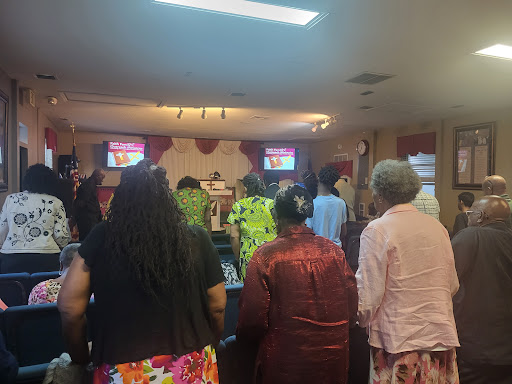
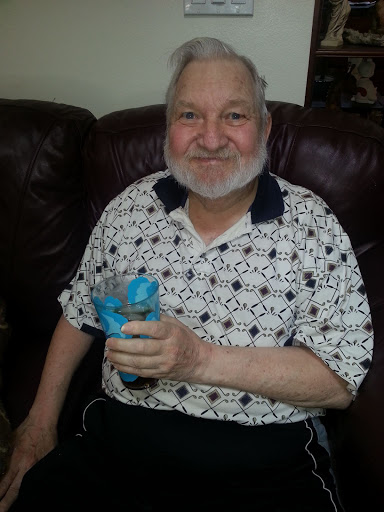
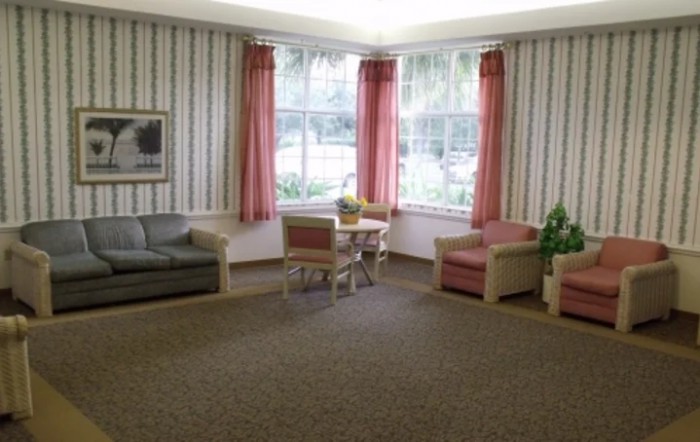
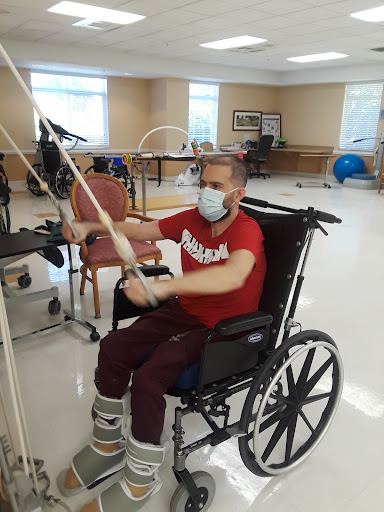
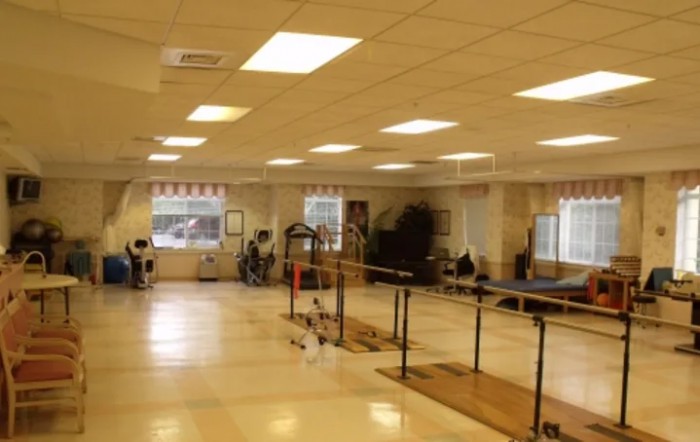
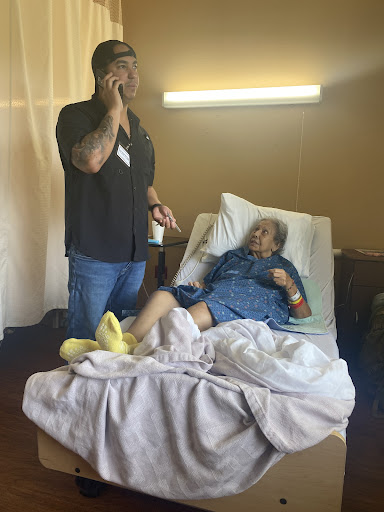
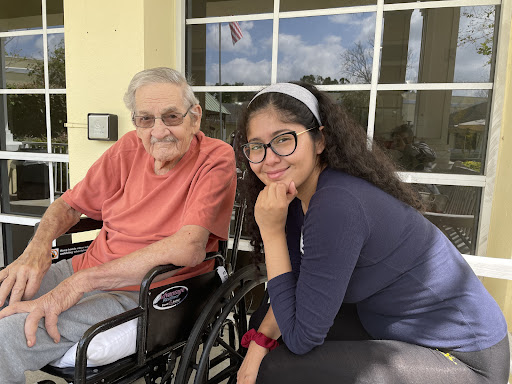
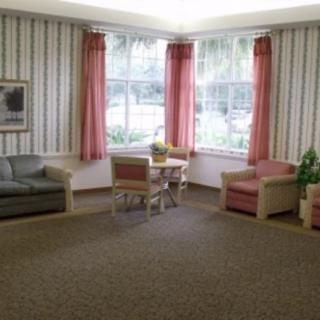
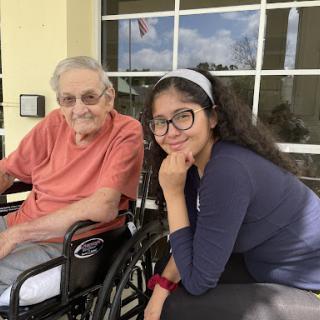
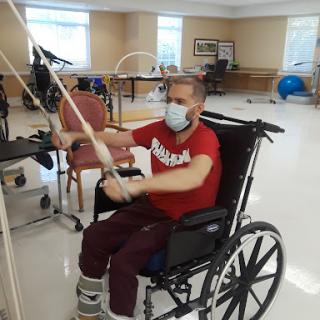
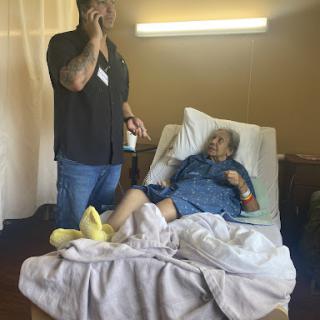
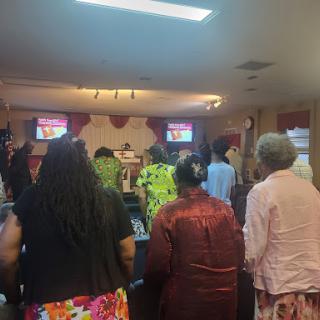
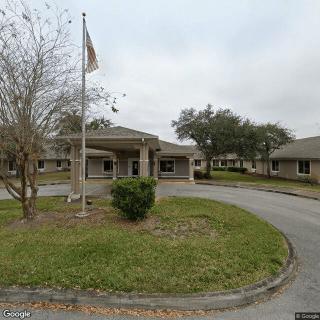
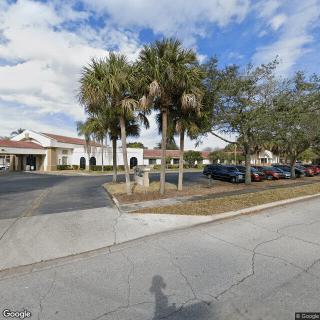
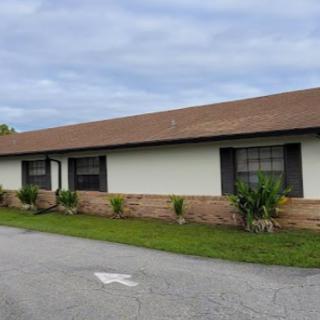
Hunters Creek Nursing And Rehab Center on seniors.fyi includes 8 photos including images showing wheelchair, outdoor, church, vegetables, living room, windows, gym, fitness, and more.
Nearby Communities
Spring Hills at Hunters Creek
Orlando, FL
4.7 from 122 reviews
Bright, spacious, and well-staffed community with engaging activities and all-inclusive services.
Spring Hills Hunters Creek
Orlando, FL
4.6 from 159 reviews
$3,000 to $5,000 / month
Caring staff in a warm, home-like environment with engaging activities.
Sonata Hunter's Creek
Kissimmee, FL
4.5 from 88 reviews
$2,500 to $5,515 / month
Clean, spacious facility with friendly staff and strong care options, including memory care and restaurant-style dining.
Spring Hills Home Care FL
Orlando, FL
4.5 from 72 reviews
Reliable, professional caregivers with customizable schedules and clear communication.
South Chase
Orlando, FL
4 from 1 review
$1,200 to $1,500 / month
Affordable memory care with attentive, individualized care and strong safety.
Consulate Health Care Of Kissimmee
Kissimmee, FL
3.2 from 10 reviews
Compassionate staff in a home-like setting with good meals and engaging activities.
Terrace of Kissimee
Kissimmee, FL
2.7 from 77 reviews
Nearby amenities (cafes, pharmacies, physicians, restaurants) for convenient access
Palliative care focuses on alleviating distress at any stage of a serious illness and can accompany curative treatments, while hospice care is for those nearing the end of life with a prognosis of six months or less, emphasizing comfort over curative measures. Both prioritize holistic care for patients and families but differ in timing, goals, and scope.
Fecal incontinence, prevalent among older adults, arises from factors like weakened pelvic muscles and nerve damage, significantly affecting well-being and social interactions. Diagnosis involves clinical evaluation and tests to inform tailored treatments, while caregivers and preventive measures can aid in managing the condition effectively.
Gardening provides seniors with physical exercise, mental and emotional support, and social interaction opportunities, while accommodating their needs through raised beds and ergonomic tools. It promotes health benefits like improved dexterity and cardiovascular health, encourages sustainable practices, and allows for manageable upkeep with low-maintenance plants.
Interior, Exercise Equipment, Gym, Fitness, and Exercise Room
Living Room and Windows
Outdoor
Healthcare, Rehabilitation, Physical Therapy, and Exercise
Wheelchair
Caregiver
Church
Vegetables
Additional Photos
Get PricingAsk A QuestionSchedule A TourContact Senior Advisor
By clicking submit, you agree to our Partner's Terms of Use. You
also consent to receive calls and texts, which may be autodialed, from our Partner. Your consent is not a condition to
using our Partner's service. Please visit our Partner's Privacy Policy for information about their privacy practices.


 116 resident community capacity
 Skilled Nursing Facility
 Air-conditioning
 Beauty salon
 Cable or satellite TV
 Computer center
 Dining room
 Fitness room
 Fully furnished
 Gaming room
 Garden
 Housekeeping services
 Kitchenette
 Move-in coordination
 Outdoor space
 Private bathrooms
 Restaurant-style dining
 Small library
 Telephone
 Wellness center
 Wi-Fi/high-speed internet available
 Orlando International (8 miles away)
 Community operated transportation
 12-16 hour nursing
 24-hour call system
 Activities of daily living assistance
 Assistance with bathing
 Assistance with dressing
 Assistance with transfers
 Diabetes diet
 Medication management
 Mental wellness program
 Special dietary restrictions
 Concierge services
 Planned day trips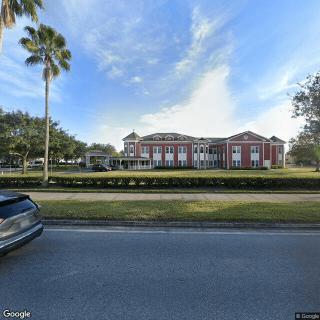
 Bright, spacious, and well-staffed community with engaging activities and all-inclusive services.


 Understanding the Nuances of Palliative Care and Hospice: A Comprehensive Exploration
 Fecal Incontinence in Older Adults: A Comprehensive Guide
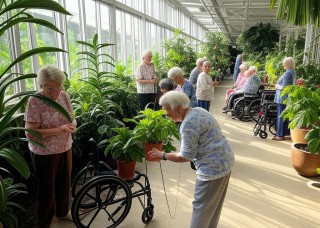 Nurturing Well-Being Through Gardening: A Detailed Guide for Senior Enthusiasts