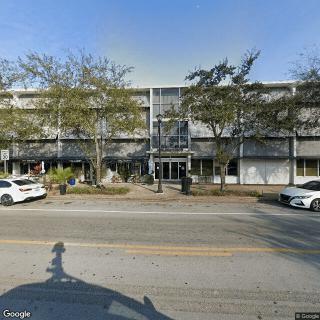
201 NE 112th St, Miami, FL 33161
To contact a resident: (305) 899-4700
For more information about senior living options: (866) 208-4318
Overall Review of Sinai Plaza Nursing and Rehabilitation
Cons
 The aunt’s family has repeatedly voiced disappointment with several CNAs and a couple of nurses.
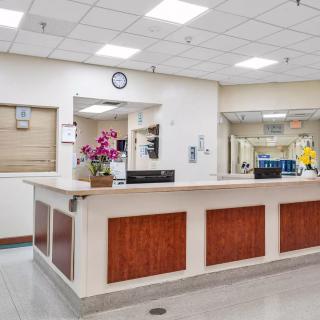
- They reported pushing the call button at 3:15 p.m. and no one coming to assist until 3:55 p.m.
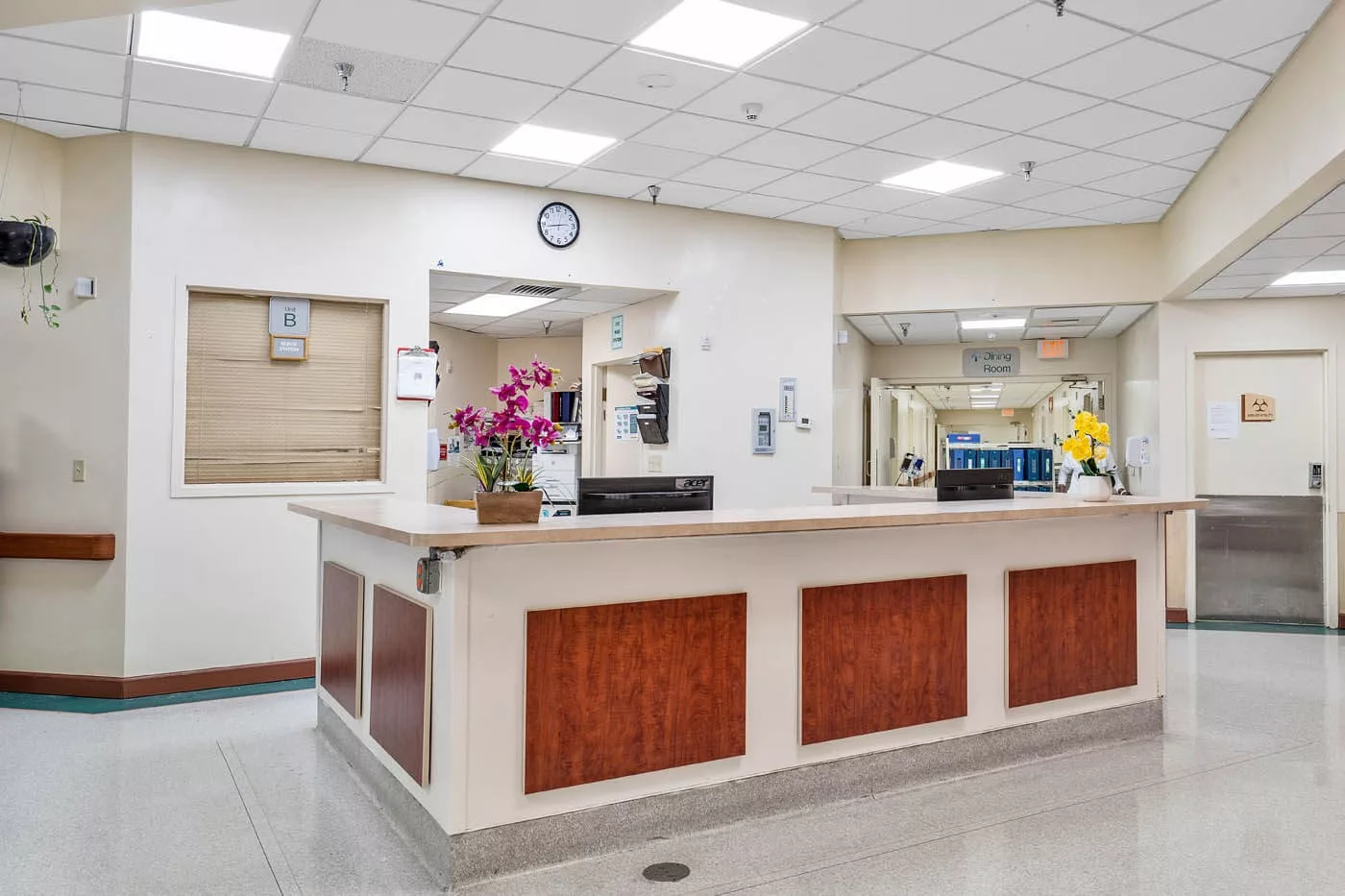
- They were told at the Nursing Station that a shift change was happening, supposedly starting at 3:30 p.m., which they viewed as contributing to the delay.
- The nurse refused to provide her name when asked.
- They expressed concern that ignoring call lights could put residents at risk and that staff could be held responsible for emergencies.
Review
Sinai Plaza Nursing and Rehabilitation is best suited for seniors who require ongoing skilled nursing care and access to rehabilitation services, with families prepared to stay actively involved in monitoring care and advocating for timely responses. The facility serves residents who need round-the-clock nursing oversight and medical management, and it can accommodate longer-term stays. However, the experience described suggests that reliability in call-light response and frontline communication cannot be taken for granted, even for a resident who has already established a routine there.
Those weighing alternatives should note that anyone who cannot tolerate inconsistent responsiveness or opaque staff communication should look at other options first. The specific pattern described, a call light ignored for an extended period, a shift-change explanation that undermines timely care, and a reluctance to identify the staff member on duty, points to a systemic risk rather than an isolated incident. For families with high safety expectations, or for residents requiring rapid assistance in emergencies, other communities with documented, transparent accountability and stronger frontline coverage are likely to be a better fit.
On the upside, Sinai Plaza does offer the core advantages of a licensed skilled-nursing environment: professional nursing staff, access to medical oversight, and the ability to manage complex needs on site. The presence of CNA and nursing coverage over time can provide stability for residents who benefit from familiar faces and the structured routines of a rehab-oriented setting. These strengths can offset some daily irritants when care is predictable and staff accountability is clear, but they do not fully compensate for the most troubling gap, the perception that urgent needs and emergencies may not be addressed promptly.
The main concerns center on call-light responsiveness, staffing communication, and accountability. The reviewed incident, a resident pressing a call button at 3:15 p.m. and waiting until 3:55 p.m. to receive attention, highlights a potentially dangerous delay in care. The explanation that staff were in a shift change at 3:30 raises questions about how well shift transitions are managed and how consistently residents receive help during critical moments. The lack of staff transparency about who is on duty and the nurse’s refusal to disclose her name during a grievance-triggered moment further erodes trust and makes it harder for families to advocate effectively.
For families evaluating Sinai Plaza, practical due diligence is essential. Inquiries should target actual call-response metrics, staffing ratios by shift, and whether shift changes are staggered to ensure continuous coverage. Direct conversations with frontline staff and supervisors, observation during peak hours, and a review of state inspection histories can reveal whether complaints tend to recur or if corrective actions have been implemented. Request concrete examples of how accountability is tracked, how grievances are resolved, and whether family communication protocols are clearly documented and followed.
The bottom-line recommendation favors caution for households where immediate responsiveness and clear, transparent staff accountability are non-negotiable. Sinai Plaza offers the fundamental services needed by residents requiring skilled nursing and rehab, but the highlighted care-delivery gaps reduce confidence in consistent safety and quality. Families with the bandwidth to supervise care, ask tough questions, and demand reliable response times may still find value here, yet those who cannot accept recurrent delays or opaque staffing practices should actively compare other options. In practice, the decisive factor is whether the facility can demonstrate reliable, timely attention to call lights and a culture of accountable staffing, without which the perceived risk to residents’ safety outweighs the benefits of on-site nursing care.
 Skilled Nursing Facility
 Beautician on-site
 Indoor common areas
 Outdoor common areas
 Wi-Fi/high-speed internet available
 Miami International (8 miles away)
 High acuity care
 Meals provided
 Other religious services
 Extensive amenities and 24/7 care with dining, activities, and transportation options.



 Comprehensive Guide to Medicare Coverage for Hospice Care
 Caring for Those Who Care: Recognizing, Understanding, and Overcoming Caregiver Burnout
 Caregiver Exhaustion: Recognizing the Signs and Restoring Your Well-Being