
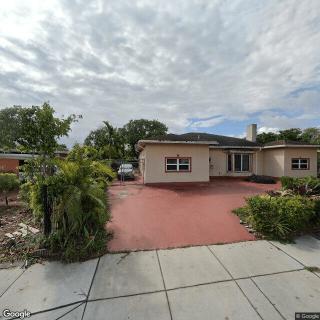
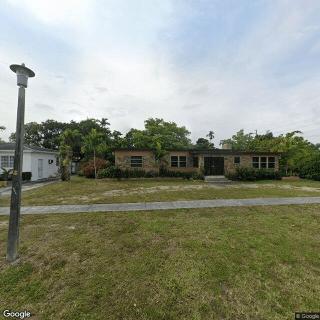
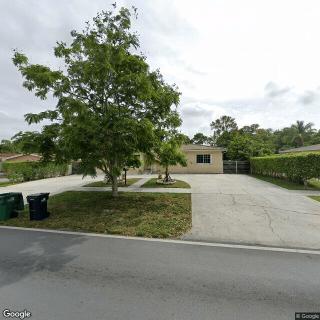
12255 North West Miami Court, Miami, FL 33168
For more information about senior living options: (866) 208-4318
Overall Review of Dove Quality Care
Pros
 The company is described as very good.
- The review labels the company as very good.
Cons
 The reviewer notes that every call for help yields the response that there are no funds and to try again next month.
- The mother’s case is described as extremely complex, with no family support and no assistance.
- The staff are described as rude and hanging up repeatedly, and overall communication is terrible.
- The reviewer has been calling for months but cannot explain the full situation and cannot discern the priority criteria.
- The service is described as a wall of refusals and excuses, not a compassionate support system.
- The lack of response and empathy is deemed unacceptable.
- The reviewer advises avoiding this service, saying there are better providers in Dade County.
Review
Dove Quality Care in Miami is best suited for families that can shoulder care coordination and fund services privately, without relying on urgent, on-demand support. The reviews indicate that when finances and eligibility are uncertain, or when a loved one requires rapid, hands-on attention, this provider struggles to deliver. The community appears most reliable in setups where a caregiver is able to advocate actively, push for timely responses, and manage the logistics of care outside the agency’s immediate workflow. For a senior who can tolerate some waiting and for a family that can tolerate bureaucratic friction, Dove Quality Care may function as a modest, private-pay option. It is not a crisis-response solution, and it should not be relied upon as the sole safety net in a high-risk situation.
Those considering alternatives are precisely those facing urgent safety concerns, complex medical needs, or tight budgets. The most troubling patterns are chronic communication gaps, rude interactions, and repeated hang-ups when attempting to arrange homecare. If a loved one depends on timely assistance or compassionate, empathetic engagement from staff, this provider may fall short. Families with limited time to advocate or navigate opaque funding criteria would benefit from exploring other Dade County options with clearer triage processes, more consistent outreach, and a documented commitment to client welfare. In short, difficult care dynamics and a dependence on prompt help make alternatives worth pursuing.
On balance, there are glimpses of capability that suggest the operation can work under favorable conditions. A subset of praise, described as “Very good” in some voices, hints that when staff alignment occurs, service delivery can meet expectations. This points to real potential: competent responders, and a functioning system, when communication is effective and funding matters are resolved. The variability is the key issue: strong performance in certain cases, but frequent failures in others. For families willing to test the waters with careful monitoring and clear agreements, there is a possibility of decent outcomes, but only if everything aligns and problems are actively managed.
The primary drawbacks, however, are not minor. The most consequential failure is the lack of dependable funding and the opaque filter for who gets help, described as a “wall of refusals.” This creates dangerous gaps where a vulnerable elder is left unattended while finances and eligibility are sorted out, a situation exacerbated by families juggling multiple jobs and limited bandwidth. Add to this an environment where staff can be rude, calls get dropped, and communication is consistently poor. These issues extend beyond irritation; they directly undermine safety, timely care, and emotional wellbeing. In practice, the reliability gap is the deciding factor for most families evaluating this provider.
A practical decision framework is essential. Verify private-pay guarantees for timely response and demand a clear escalation path for urgent requests. Seek a written, objective set of service eligibility criteria and a documented triage protocol. Speak with multiple current clients or caregivers to assess consistency, and insist on concrete commitments regarding communication timelines. Compare this with other local providers that offer 24/7 on-site support, transparent funding structures, and robust case management. The smarter move is to benchmark Dove Quality Care against stronger performers, and to reserve a long-term commitment until measurable service levels are demonstrated.
Bottom line: this community is not well-matched for families needing dependable, empathetic, and timely care for a vulnerable elder, particularly when funds are limited or urgent assistance is required. Alternatives with clearer funding mechanisms, stronger advocacy, and more reliable responsiveness should be prioritized. If Dove Quality Care is pursued anyway, approach with a firm contract, explicit service-level expectations, a defined escalation process, and a controlled trial period. For most households facing serious care needs, a different provider will likely offer greater peace of mind and a more predictable protection of a loved one’s wellbeing.
 6 resident community capacity
 Assisted Living
 Cable or satellite TV
 Dining room
 Fully furnished
 Garden
 Housekeeping services
 Move-in coordination
 Outdoor space
 Telephone
 Wi-Fi/high-speed internet available
 Miami International (9 miles away)
 24-hour supervision
 Activities of daily living assistance
 Assistance with bathing
 Assistance with dressing
 Assistance with transfers
 Diabetes diet
 Meal preparation and service
 Medication management
 Special dietary restrictions
 Transportation arrangement (medical)
 Transportation to doctors appointments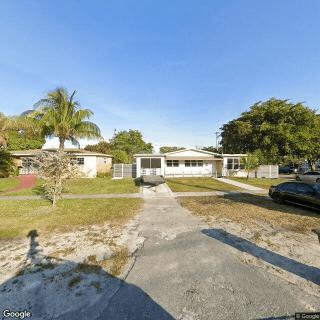




 Funding and Affording Assisted Living: A Thorough Overview
 Assisted Living Expenses and Long-Term Care Insurance: A Comprehensive Exploration
 Securing Financial Support for Assisted Living: A Comprehensive Overview