
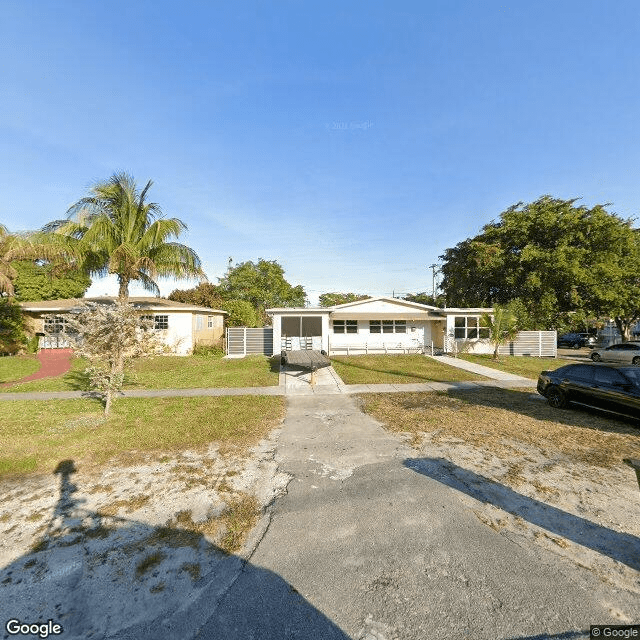
12735 North Miami Avenue, Miami, FL 33168
For more information about senior living options: (866) 208-4318
Caring Hands Assisted Living Costs & Pricing
Caring Hands Assisted Living offers competitive pricing for its residents, particularly when compared to the broader market in Miami-Dade County and across Florida. For a semi-private room, Caring Hands charges $2,500 per month, which is notably lower than both the county average of $2,250 and the state average of $3,009. Similarly, their private rooms are priced at $3,000, placing them just below the county average of $3,304 while remaining modestly higher than the state average of $3,699. The studio apartments are also attractively priced at $3,000 each month compared to Miami-Dade's average of $3,886 and Florida's average of $3,823. This positioning reflects Caring Hands' commitment to providing quality care at accessible rates within a competitive market.
| Floor plans | Caring Hands Assisted Living | Miami-Dade County | Florida |
|---|---|---|---|
| Semi-Private | $2,500 | $2,250 | $3,009 |
| Private | $3,000 | $3,304 | $3,699 |
| Studio | $3,000 | $3,886 | $3,823 |
Memory care communities with a similar price nearby
-
from -$100 / mo
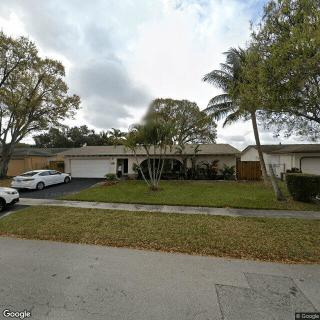
Ana's Assisted Living Facility
$2,400 / month9.4 miles away -
About the same
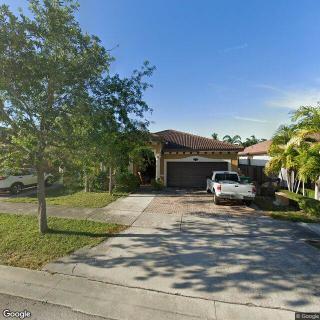
La Casita Nuestra Home
$2,500 to $3,500 / month17.9 miles away -
About the same

Anne Adult Family Care Home
$2,500 / month15.0 miles away -
from -$280 / mo

Miami Jewish Home & Hospital for the Aged
$2,220 to $7,500 / month4.8 miles away -
from -$200 / mo
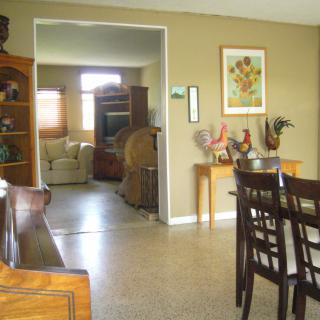
La Caridad Del Cobre ALF
$2,300 to $3,000 / month11.9 miles away
Overall Review of Caring Hands Assisted Living
Pros
 The place is great, small, friendly, and clean.
- The people are very caring.
- The ALF is tranquil and clean, with a warm, home atmosphere.
- The staff are kind and gracious, and residents are well cared for.
- The community provides many activities for residents, and meals are good and varied.
- The manager is informative and answers questions with detail.
- It feels like a home with personal attention for residents.
Cons
 The reviewer describes the place as terrible, noting the owner is unfriendly and rude on the phone with no manners.
- The reviewer reports that a doctor changed the mother's medication on the first day despite explicit instructions not to, leading to re-hospitalization and a prolonged stabilization, with near-death consequences.
- The reviewer states that after providing notice in the contract, they were told they would not receive the deposit back despite the contract clearly stating a refund.
- The reviewer says the owner is not an honest person.
- The reviewer notes the facility is kept very cold, perhaps too cold for the elderly.
- The reviewer criticizes the communication, stating it is very hard to communicate with staff.
Review
Caring Hands Assisted Living in Miami is best suited for families seeking a small, home‑like environment where personal attention, cleanliness, and a calm pace matter most. The community’s intimate scale tends to create a sense of belonging and familiarity, with residents who are not competing for attention in a busy campus. For elders who value a quiet, low‑stimulus setting, and for families who want staff to know daily preferences and routines, this option offers practical comfort and a familial tone that can feel reassuring in uncertain times.
However, rigorous clinical oversight and strong, transparent governance are non‑negotiable for some families, and this community may not meet those expectations. Several reviews raise red flags around accountability and communications, including allegations about the owner and a disputed deposit. Most seriously, a documented incident where a physician changed a resident’s medication on the first day, resulting in hospitalization, highlights a potential lapse in medical governance. For anyone prioritizing flawless medical management, clear contractual protection, and predictable operations, alternatives deserve serious consideration.
On the upside, the smallest settings here tend to deliver immediate warmth and attentiveness. The staff are repeatedly described as kind, gracious, and genuinely caring, which translates into a welcoming atmosphere and more individualized attention than is common in larger facilities. The home feels clean, tranquil, and not overcrowded, with residents able to settle in without the bustle that accompanies bigger communities. Meals are praised for quality and variety, and for some residents the easy adjustment period is real, daily life focuses on comfort, routine, and meaningful, low‑stress social exchanges rather than a packed activity slate.
That said, activity pacing and programming can be uneven. Several residents note a desire for more in‑house events and structured engagement, while others express appreciation for the warm, homey atmosphere that still supports social interaction. The balance between a tranquil setting and enough stimulation to sustain engagement is fragile here: the strengths of a small, personal touch can also translate into a leaner calendar, which may not suit every resident, particularly those who thrive on extensive social programming or diverse therapeutic activities. Communication gaps with staff also recur in reviews, nudging families to plan proactive check‑ins and clear lines of escalation.
The core truth is that the pros and cons tilt in opposite directions depending on the senior’s profile. For a resident who prizes safety in a quiet, tidy space and who responds well to intimate caregiving where staff become familiar with individual preferences, the pros can significantly offset a few service limitations. The same strengths, cleanliness, a non‑institutional vibe, and a strong sense of staff investment, provide meaningful reassurance for daily living. Yet for residents with complex medication needs, insistence on prompt, fully transparent communication, or a requirement for consistent, formal oversight, those advantages may fail to outweigh the tangible risks reported in some reviews.
To move forward with confidence, conduct thorough on‑site evaluations and bring a structured checklist: verify medication management processes, tour the living spaces at different times of day, and request to speak with current residents and families about governance and financial terms. Demand a detailed plan for medical oversight, emergency protocols, and a written deposit policy that aligns with contract language. If the goal is a facility with a robust activity calendar, strong clinical governance, and transparent owner operations, this may not be the strongest match. If choosing Caring Hands, approach the arrangement with explicit expectations, regular family‑led oversight, and a clear plan for monitoring medical decisions and daily care to ensure that the home‑like advantages translate into consistent, safe outcomes.
 6 resident community capacity
 Assisted Living
 Board and Care Home
 Day Program
 Memory Care
 Respite Care
 Cable or satellite TV
 Dining room
 Fully furnished
 Garden
 Housekeeping services
 Indoor common areas
 Move-in coordination
 Outdoor common areas
 Private
 Telephone
 Wheelchair accessible showers
 Wi-Fi/high-speed internet available
 Miami International (9 miles away)
 24-hour supervision
 Ambulatory care
 Assistance with bathing
 Assistance with dressing
 Assistance with transfers
 Diabetes diet
 Diabetic care
 High acuity care
 Meal preparation and service
 Medication management
 Special dietary restrictions
 Transportation arrangement (medical)
 Transportation to doctors appointments




 Comprehensive Guide to VA Nursing Homes: A Crucial Long-Term Care Resource for Veterans
 Estimating the Expenses of At-Home Dementia Care: A Detailed Exploration
 Comprehensive Insights on the Late Stages of Dementia: What to Expect and How to Provide Care