For more information about senior living options: (866) 208-4318
4.1 from 100 reviews
5 stars
73
4 stars
1
3 stars
3
2 stars
4
1 stars
19
Ponce Plaza Nursing & Rehabilitation Center Costs & Pricing
Ponce Plaza Nursing & Rehabilitation Center offers competitive pricing for its private rooms, with a monthly cost of $3,500. This rate is slightly above the average for Miami-Dade County, which stands at approximately $3,304, but remains closely aligned with the overall state average of $3,699. This positioning highlights Ponce Plaza's commitment to providing quality care and amenities that may justify its cost within the local context. Families considering long-term care options can appreciate that while the center's fees are modestly higher than the county average, they reflect a focus on personalized service and comprehensive rehabilitation programs tailored to meet residents' needs.
Floor plans
Ponce Plaza Nursing & Rehabilitation Center
Miami-Dade County
Florida
Private
$3,500
$3,304
$3,699
Skilled Nursing Facilities with a similar price nearby
Overall Review of Ponce Plaza Nursing & Rehabilitation Center
common12 reviews mention this
Staff care and helpfulness
Residents and families frequently describe the staff as caring, welcoming, and responsive to questions.
Many reviewers say the team was friendly and helpful, with staff members who made them feel supported from the first visit through rehab. Several people highlight specific members and supervisors for being professional and available, and describe day-to-day interactions as respectful and compassionate. A few reviews also mention residents being treated “like family,” alongside positive remarks about nurses, CNAs, therapists, and social work.
common8 reviews mention this
Cleanliness stands out
Multiple reviewers comment on the facility being very clean and well kept.
A recurring theme is that the building and rooms feel clean and organized, with reviewers noting cleanliness during both visits and longer stays. Some specifically mention no bad odors and good overall upkeep, while others point to clean rooms as part of their positive experience. At the same time, a small number of negative reviews describe cleanliness problems and poor conditions.
common3 reviews mention this
Food quality is praised
Several reviewers say the food was good during rehabilitation.
Food comes up in a number of reviews, with residents and families describing meals as good and satisfying. One reviewer also ties the dining experience to noticeable progress during rehab. The community also appears to support specialized diets, including diabetes-related and other special dietary restrictions mentioned in the service and dining details.
caveat5 reviews mention this
Communication gets mixed feedback
Some reviewers report problems getting calls answered and keeping families informed.
While many reviews describe supportive interactions, several others complain about communication breakdowns. A few reviewers mention being unable to reach nurses or supervisors by phone, while others describe not receiving updates or being given runaround about medical planning and discharge timing. Taken together, families who had trouble contacting the team describe higher frustration during care transitions.
caveat2 reviews mention this
Pricing runs higher for private rooms
Private-room pricing is positioned above the county average in the provided comparisons.
The provided pricing comparison shows private pricing above the county benchmark and below the state benchmark. A couple reviews also raise concerns that the overall experience did not match expectations, which can make cost feel more significant when families are unhappy with responsiveness or outcomes. If you’re weighing value, it may be worth focusing on the specific issues reviewers raised about service consistency and communication.
How we summarize
Counts show how many written reviews mention each theme; a review can touch several themes, and only frequently mentioned themes are displayed.
Features
Housing
147 resident community capacity
Types of Care
Skilled Nursing Facility
Amenities
Air-conditioning
Beauty salon
Cable or satellite TV
Computer center
Dining room
Fitness room
Fully furnished
Gaming room
Garden
Housekeeping services
Kitchenette
Move-in coordination
Outdoor space
Private bathrooms
Restaurant-style dining
Small library
Telephone
Wellness center
Wi-Fi/high-speed internet available
Transportation
Miami International (5 miles away)
Fort Lauderdale-Hollywood International (21 miles away)
Community operated transportation
Transportation arrangement
Transportation arrangement (non-medical)
Transportation to doctors appointments
Care Services
12-16 hour nursing
24-hour call system
24-hour supervision
Activities of daily living assistance
Assistance with bathing
Assistance with dressing
Assistance with transfers
Diabetes diet
Meal preparation and service
Medication management
Mental wellness program
Special dietary restrictions
Dining
Diabetes diet
Special dietary restrictions
Activities
Community-sponsored activities
Concierge services
Fitness programs
Planned day trips
Resident-run activities
Scheduled daily activities
Nearby Places of Interest
Pharmacies
CVS Pharmacy (0.3 miles)
Walgreens (0.8 miles)
Winn-Dixie (1 miles)
CVS Pharmacy (1.1 miles)
Walgreens (1.2 miles)
CVS Pharmacy (1.5 miles)
CVS Pharmacy (1.6 miles)
Restaurants
Old's Havana Cuban Bar & Cocina (0.4 miles)
Kiki On The River (0.8 miles)
Jamon Iberico Pata Negra (0.8 miles)
Chick-Fil-A (1.1 miles)
Blackbird Ordinary (1.2 miles)
Marion (1.3 miles)
B Bistro + Bakery (1.5 miles)
Transportation
MDT Metrorail - Government Center Station (1.2 miles)
Ponce Plaza Nursing & Rehabilitation Center offers competitive pricing for its private rooms, with a monthly cost of $3,500. This rate is slightly above the average for Miami-Dade County, which stands at approximately $3,304, but remains closely aligned with the overall state average of $3,699. This positioning highlights Ponce Plaza's commitment to providing quality care and amenities that may justify its cost within the local context. Families considering long-term care options can appreciate that while the center's fees are modestly higher than the county average, they reflect a focus on personalized service and comprehensive rehabilitation programs tailored to meet residents' needs.
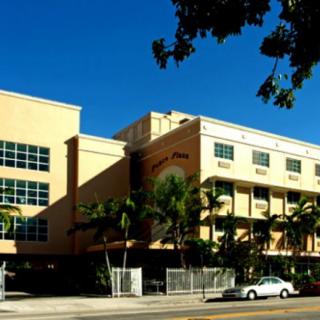
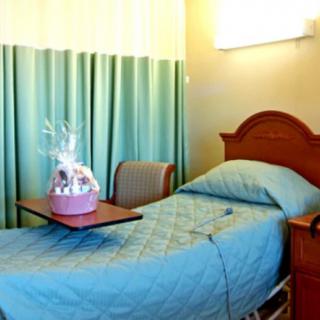
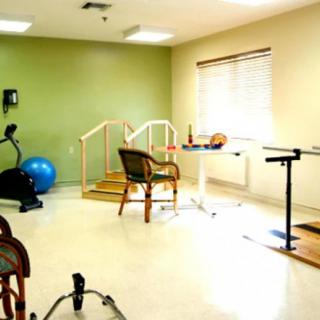
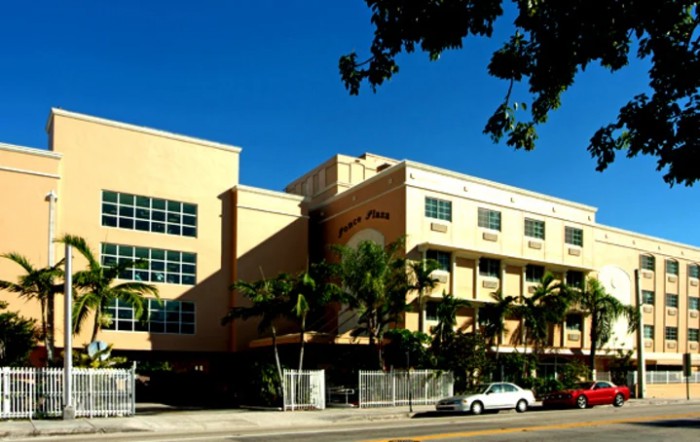
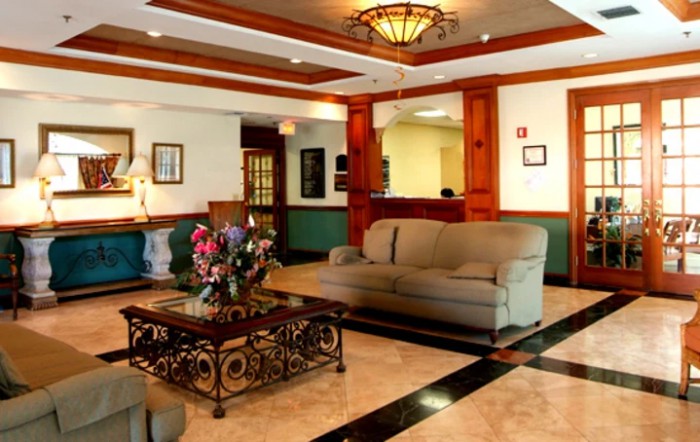
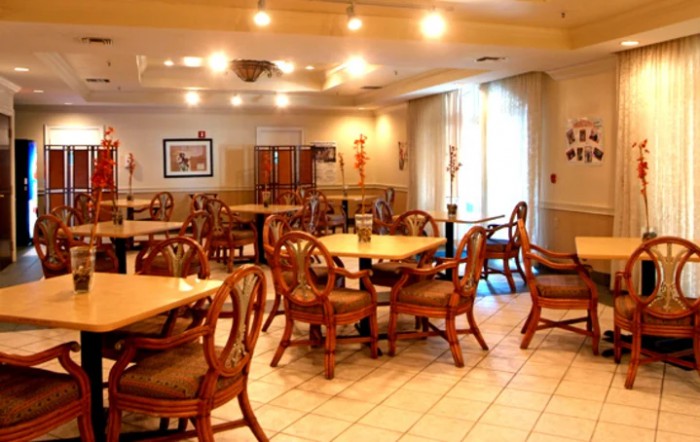
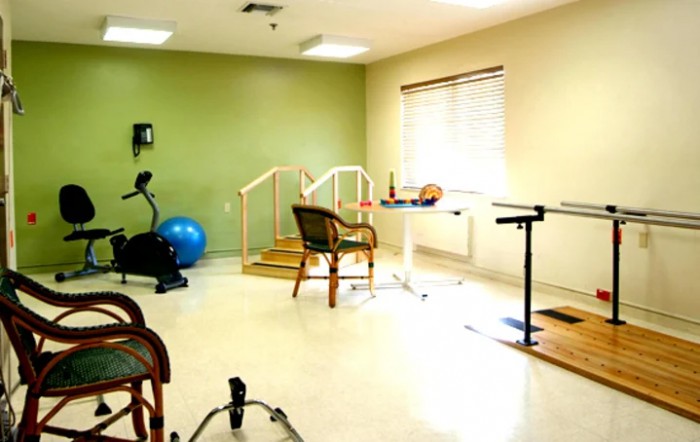
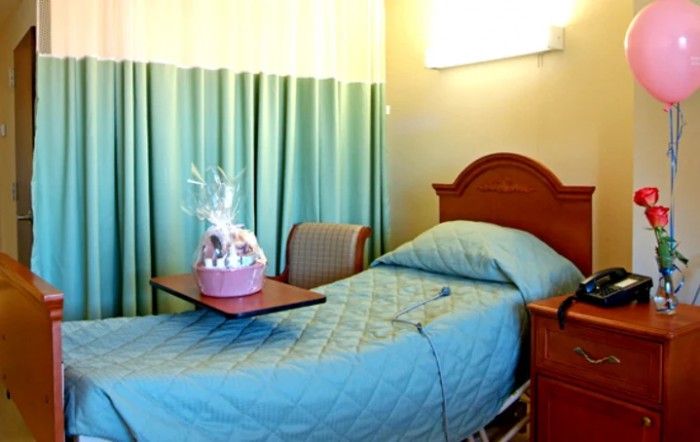
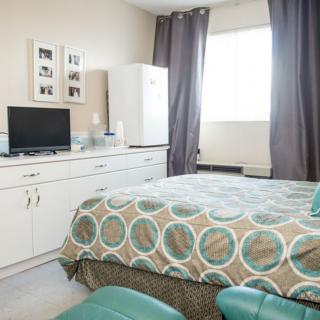
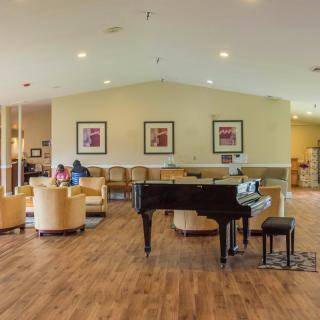
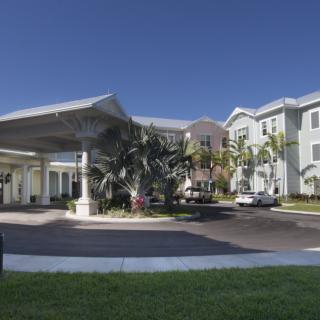
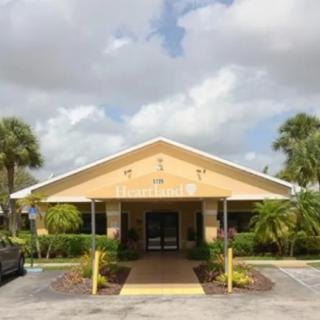
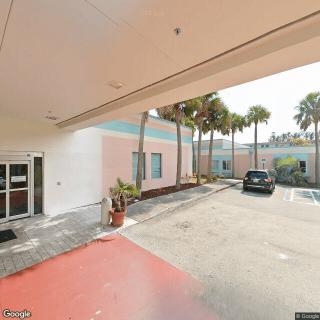
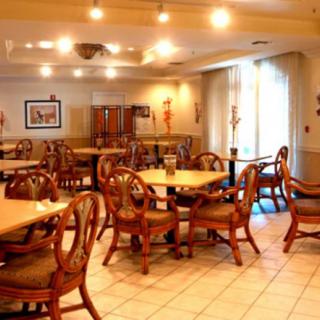
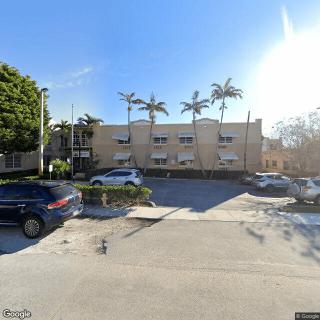
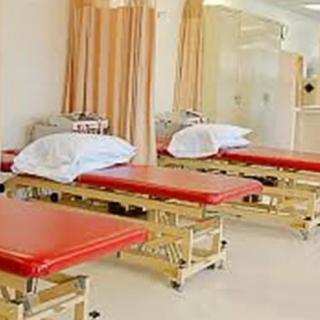
Ponce Plaza Nursing & Rehabilitation Center on seniors.fyi includes 5 photos including images showing interior, healthcare, dining, physical therapy, fitness, building, architecture, bedroom, and more.
Nearby Communities
1 Kind Home
Miami, FL
5 from 9 reviews
Small size enables personalized care and attention.
Lumar's Care Corp
Miami, FL
5 from 5 reviews
Vibrant assisted living with convenient access to many nearby amenities (restaurants, parks, pharmacies, hospitals, transport).
Comfort Residence
Miami, FL
Small, intimate assisted living with 24-hour supervision and personalized daily living support.
Annie's Palace
Miami, FL
Active lifestyle supported by nearby parks, healthcare, dining, and transport.
El Paraiso Home
Miami, FL
3.7 from 3 reviews
Home-like setting with 24-hour supervision and coordinated care.
South Florida Home Services
Miami, FL
4.5 from 10 reviews
Fully furnished homes with housekeeping and daily living support.
Floridean Nursing Home
Miami, FL
4 from 105 reviews
Clean, well-maintained facility with compassionate staff and effective rehab.
The Palace at Coral Gables
Coral Gables, FL
4.7 from 146 reviews
$4,850 to $7,250 / month
Miami Jewish Health Systems
Miami, FL
3.9 from 15 reviews
Caring, attentive staff with clean facilities, quality amenities, and engaging activities.
Home health care has become essential for supporting independence among the aging population, offering diverse services such as skilled nursing and rehabilitation in familiar environments, while also incorporating technology for personalized care. Despite its benefits, including improved recovery rates and emotional well-being, challenges like safety, staff availability, and insurance navigation must be managed for effective implementation.
Home health care offers a range of clinical services provided in a patient's home, including nursing and therapy, tailored to individual needs, particularly for aging seniors with chronic conditions. This approach enhances patient independence, promotes better disease management, and utilizes technology for real-time monitoring while fostering collaboration among healthcare providers and family members.
Seniors benefit from ride-hailing services like Uber and Lyft, which provide convenient and accessible transportation options that promote independence and social engagement, while addressing mobility challenges. These platforms have adapted to meet senior needs with user-friendly features and safety measures, although costs can be a concern; community programs may help subsidize rides for older adults.
Ponce Plaza Nursing & Rehabilitation Center photos
×
Interior
Building
Bedroom
Dining
Exercise Equipment
Interior
Decor, Lobby, Lights, and Reception Area
Bedroom and Bathroom
Dining and Lighting
Building, Architecture, Palm Trees, and Urban
Exercise Equipment, Rehabilitation, Physical Therapy, Fitness, and Therapy Room
Healthcare
Get PricingAsk A QuestionSchedule A TourContact Senior Advisor
By clicking submit, you agree to our Partner's Terms of Use. You
also consent to receive calls and texts, which may be autodialed, from our Partner. Your consent is not a condition to
using our Partner's service. Please visit our Partner's Privacy Policy for information about their privacy practices.

 147 resident community capacity
 Skilled Nursing Facility
 Air-conditioning
 Beauty salon
 Cable or satellite TV
 Computer center
 Dining room
 Fitness room
 Fully furnished
 Gaming room
 Garden
 Housekeeping services
 Kitchenette
 Move-in coordination
 Outdoor space
 Private bathrooms
 Restaurant-style dining
 Small library
 Telephone
 Wellness center
 Wi-Fi/high-speed internet available
 Miami International (5 miles away)
 Community operated transportation
 12-16 hour nursing
 24-hour call system
 Activities of daily living assistance
 Assistance with bathing
 Assistance with dressing
 Assistance with transfers
 Diabetes diet
 Medication management
 Mental wellness program
 Special dietary restrictions
 Concierge services
 Planned day trips
 Small size enables personalized care and attention.

 Understanding Home Health Care: A Comprehensive Guide
 Home Health Care Demystified: A Comprehensive Guide for Families and Caregivers
 Seniors and Modern Transportation: Exploring Uber, Lyft, and Other Ride-Hailing Options