

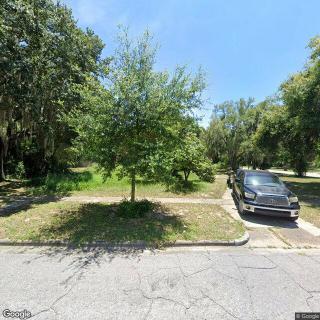
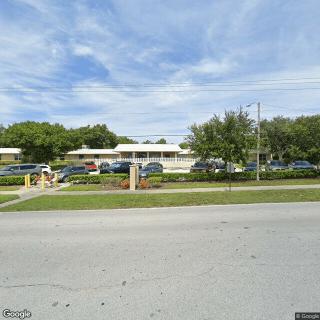
730 North Scenic Highway, Lake Wales, FL 33853
For more information about senior living options: (866) 208-4318
Overall Review of Grace Healthcare Of Lake Wales
Pros
 The care provided to the reviewer’s mom mattered.
- When the mom activated her light, staff responded within a couple of minutes.
- Staff immediately tried to help when she needed something.
- The food at Grace Healthcare was very good.
- The mom was doing marvelously, and was contented and happy there.
- Grace Healthcare was conveniently located and recommended.
- The facility was clean and well maintained.
- The rooms were spacious and clean.
Cons
 It would be a great detriment to a loved one’s health and well-being to be sent to this facility.
- The nursing staff were almost nonexistent in patient rooms, and call-button responses were consistently delayed.
- A relative witnessed very long wait times—32 minutes, then about 30 more, then 12 more—before anyone responded to the call button.
- The grandfather ended up in the emergency room after an apparent overdose, with paramedics questioning the medications given and noting an altered mental state.
- The staff continued giving oxycodone despite warnings that it caused digestive issues and was unnecessary.
- The quality of care was described as not great, including instances of patients left in their own excrement and staff giving inconsistent explanations.
- Grace Healthcare appeared overcrowded, with parking and access concerns, and a mix of professional and rude staff; some aides were advised to avoid, and there were disruptive “horseplay” behaviors.
Review
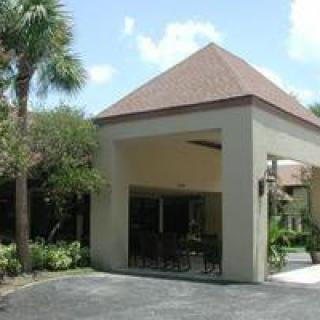
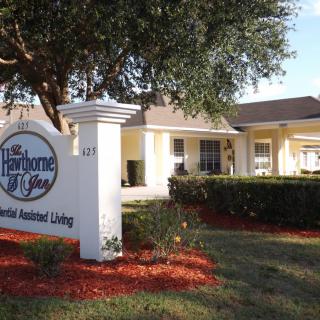
Grace Healthcare of Lake Wales is best suited for a resident who wants a compact, neighborhood-focused setting in Lake Wales and can accept variability in medical oversight. The campus offers clean, approachable spaces, relatively spacious rooms, and food that generally satisfies a broad palate. Families who are comfortable maintaining some level of oversight and who value proximity to home will find value here, especially if the primary goal is daily living with personal attention from staff when available. The facility’s smaller footprint can translate into more straightforward navigation and easier transitions for a parent who dislikes large, impersonal campuses. However, the price of that comfort is a well-documented inconsistency in nursing responsiveness and a risk calculus around clinical supervision.
Those who should consider alternatives include families whose loved one requires tight medication management, rapid nurse response, regular rehab supervision, or specialized care for complex medical conditions. Several reviews highlight delayed nurse calls and inconsistent answers about what is happening with patients, plus reports of medications being given contrary to family instructions or medical plans. The building’s age and parking layout on a busy arterial road compound practical challenges during emergencies, and some staff behavior has been described as unprofessional. For residents with cognitive or behavioral needs, or for families unwilling to supervise care actively, a higher-touch, more consistently staffed facility may be a safer bet.
On the positive side, Grace benefits from a facility that can feel homey when staff engagement is present. In certain shifts, when a patient’s call light is answered promptly, residents report timely assistance and a sense that someone is watching over them. Dining is a strength for many, with meals described as genuinely good and portions adequate for typical appetites. Cleanliness and room quality also receive favorable notes, and the smaller setting can make social activities feel more personal. For families who place a premium on location and the ability to visit easily without a long drive, the town-centered address and nearby services are tangible advantages. These positives create a baseline of livability that can be meaningful for steady, low-to-moderate care needs.
Yet the negatives loom large enough to reconsider the trade-offs. Long nurse response times, caregivers who seem stretched thin or inconsistent in their duties, and instances of poor pain or medication management undermine safety and trust. The most alarming reports describe residents left in their own excrement and calls ignored for extended periods, with some staff unable to provide clear explanations about a patient’s condition. Allegations of overmedication by doctors and inappropriate behavior among aides paint a picture of a facility where supervision and accountability can be uneven. The sense of overcrowding, a busy intersection, and a parking lot that hampers rapid access add to the practical risks during an urgent situation. These factors collectively weigh heavily against the ordinary expectations of quality care.
These pros and cons do not cancel each other out; they reframe the decision. For families with strong advocates who will stay involved daily and can intervene when care slips, Grace can deliver a predictable, decent day-to-day living environment at a reasonable cost. For others, the gaps in clinical oversight, medication handling, and responsiveness are too large a risk to accept for extended stays. The facility’s strengths, cleanliness, a homey atmosphere, appealing dining, and a convenient location, can be meaningful but only if staffing issues are steadied and med oversight is tightened. In short, Grace is viable for select residents who can tolerate oversight gaps; others should prioritize facilities with documented staffing consistency and proven clinical reliability.
Recommendation: visit at different times, including evenings, to observe nurse response times and talk with frontline staff and the charge nurse about their processes. Request current staffing schedules, aggression/behavior management protocols, and medication administration reviews, insist on a clear chain of accountability when concerns arise. Compare current feedback with another nearby option such as Life Care Center in Winter Haven, which many families consider due to stronger rehab focus and steadier medical oversight. In choosing Grace, set explicit expectations: how quickly help is needed, what constitutes urgent care, and how family input is incorporated into care planning. If the choice is made to proceed, ensure a definitive care plan, regular progress updates, and a contingency plan if staffing concerns escalate. For the right resident, it can work; for others, it will not.
 100 resident community capacity
 Skilled Nursing Facility
 Air-conditioning
 Beauty salon
 Cable or satellite TV
 Computer center
 Dining room
 Fitness room
 Fully furnished
 Gaming room
 Garden
 Housekeeping services
 Kitchenette
 Move-in coordination
 Outdoor space
 Private bathrooms
 Restaurant-style dining
 Small library
 Telephone
 Wellness center
 Wi-Fi/high-speed internet available
 Community operated transportation
 12-16 hour nursing
 24-hour call system
 Activities of daily living assistance
 Assistance with bathing
 Assistance with dressing
 Assistance with transfers
 Diabetes diet
 Medication management
 Mental wellness program
 Special dietary restrictions
 Concierge services
 Planned day trips




 Comprehensive Guide to Blood Pressure Charts for Older Adults: Understanding Normal and High Readings by Age
 Financing Long-Term Nursing Home Care Through Social Security: A Thorough Exploration
 Essential Knowledge on Pneumonia in Older Adults