For more information about senior living options: (866) 208-4318
3.1 from 86 reviews
5 stars
42
4 stars
3
3 stars
2
2 stars
3
1 stars
36
Overall Review of Daytona Beach Health And Rehabilitation Center
common23 reviews mention this
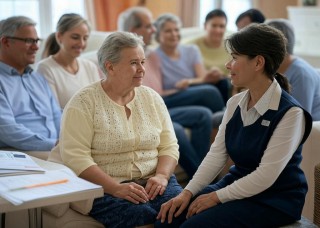
Staff and care feel personal
Residents and families repeatedly describe the staff as caring and responsive.
A large share of reviewers describe staff who show up for residents, communicate with families, and provide attentive care. Several praise specific nursing and CNA support, along with therapy teams and day-to-day assistance that helps residents feel comfortable. Even when reviews are critical, the theme of communication and respect shows up strongly, suggesting staff interactions are a major part of the overall experience.
differentiator7 reviews mention this
Activities and rehab get praise
The activities program and rehabilitation support are standout points in reviews.
Reviews frequently call out the activities department as energetic and resident-focused, with mentions of arts and social events. Multiple residents and families also highlight therapy and rehabilitation work as a real strength, sometimes describing meaningful improvement and encouragement. Where care concerns appear, they often stand in contrast to these positive comments about the programs that keep residents engaged.
caveat6 reviews mention this
Cleaning concerns come up
Some reviewers raise serious concerns about cleanliness and odors.
While many people describe the facility as clean, other reviews report dirty rooms, odors, and signs of damage, including mold or pest-related comments. A few reviewers also mention laundry or room upkeep problems, and some describe environments that did not feel properly maintained. Taken together, cleanliness appears inconsistent across experiences.
caveat8 reviews mention this
Medication and call-bell lapses
Several reviews describe lapses with medications, monitoring, or timely help.
Some of the most negative reviews describe missed or incorrect medications, delayed responses to call bells, and insufficient follow-up after concerns were raised. Others mention issues tied to hydration, hygiene, skin concerns like bed sores, and outcomes that required hospital care. These accounts directly contradict the more positive reviews that describe consistent support and attention, making day-to-day reliability a key point of disagreement.
How we summarize
Counts show how many written reviews mention each theme; a review can touch several themes, and only frequently mentioned themes are displayed.
Features
Housing
180 resident community capacity
Types of Care
Skilled Nursing Facility
Amenities
Air-conditioning
Beauty salon
Cable or satellite TV
Computer center
Dining room
Fitness room
Fully furnished
Gaming room
Garden
Housekeeping services
Kitchenette
Move-in coordination
Outdoor space
Private bathrooms
Restaurant-style dining
Small library
Telephone
Wellness center
Wi-Fi/high-speed internet available
Transportation
Daytona Beach International (3 miles away)
Community operated transportation
Transportation arrangement
Transportation arrangement (non-medical)
Transportation to doctors appointments
Care Services
12-16 hour nursing
24-hour call system
24-hour supervision
Activities of daily living assistance
Assistance with bathing
Assistance with dressing
Assistance with transfers
Diabetes diet
Meal preparation and service
Medication management
Mental wellness program
Special dietary restrictions
Dining
Diabetes diet
Special dietary restrictions
Activities
Community-sponsored activities
Concierge services
Fitness programs
Planned day trips
Resident-run activities
Scheduled daily activities
Videos
Nearby Places of Interest
Restaurants
Checkers (0.2 miles)
Cool Runnings Jamaican Restaurant (0.3 miles)
Blaze Pizza (0.9 miles)
McDonald's (1.3 miles)
Bethune Grill (1.4 miles)
Steak 'n Shake (1.5 miles)
Hibachi Grill & Supreme Buffett (1.7 miles)
Physicians
Orthopeadic Clinic of Daytona Beach (0.4 miles)
Gillespy, Albert Albert W. Gillespy, MD (0.4 miles)
Hanger Prosthetics (0.9 miles)
Diamond Michael A, MD (0.9 miles)
Allergy Asthma Arthritis & Lung Center (0.9 miles)
John A Ortolani MD (1 miles)
Suncoast Skin Solutions (1 miles)
Pharmacies
Winn-Dixie (1 miles)
Walgreens (1.2 miles)
Daytona Peoples Pharmacy (1.8 miles)
Walgreens (2 miles)
CVS Pharmacy (2 miles)
CVS Pharmacy (2 miles)
Omnicare (2.4 miles)
Hospitals
Halifax Health - Fountain Building (1.4 miles)
Halifax Hospital (1.5 miles)
Florida Hospital-East Central (1.5 miles)
Halifax Health Medical Center (1.5 miles)
Feasel Jeff Halifax Medical Center Port Orange (1.5 miles)
Halifax Hospital Fountain Building (1.7 miles)
Twin Lakes Medical Center (2.1 miles)
Places of Worship
Basilica Of St Paul Catholic Church (1.6 miles)
Parks
Ross Point Park (1.6 miles)
Sunrise Park (2 miles)
Peggy Schnelby Recreation Center * Tennis Courts (2.6 miles)
Sun Splash Park (3 miles)
Cafes
Starbucks (1.8 miles)
Copperline Coffee (2.4 miles)
Panera Bread (3.4 miles)
Theaters
Cobb Daytona Luxury Theatres (2.3 miles)
Transportation
Sheltair (2.6 miles)
Daytona Beach International Airport (DAB) (2.7 miles)
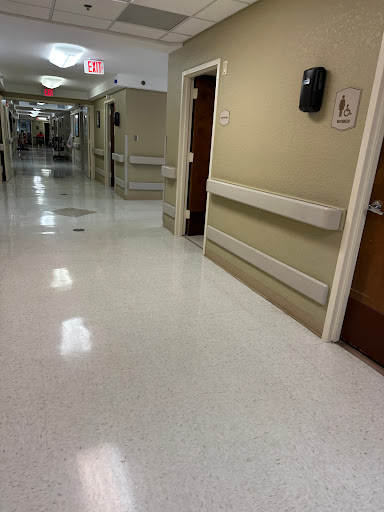
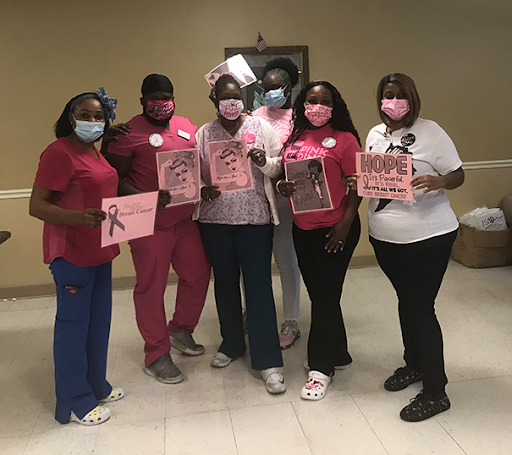
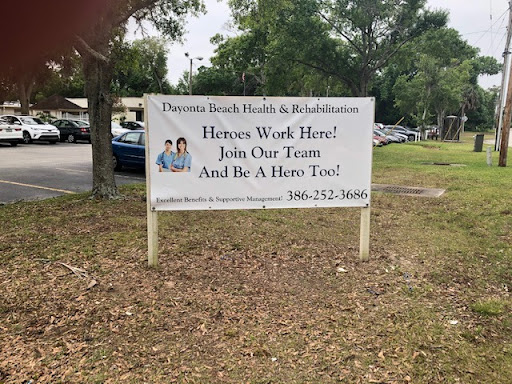
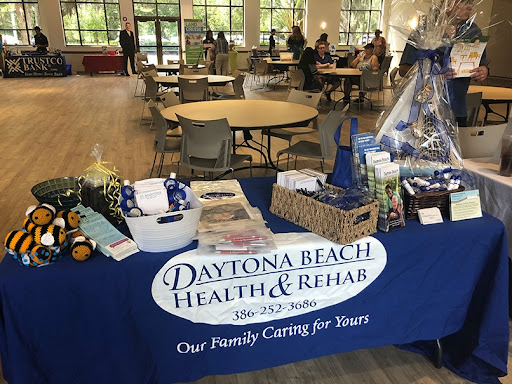
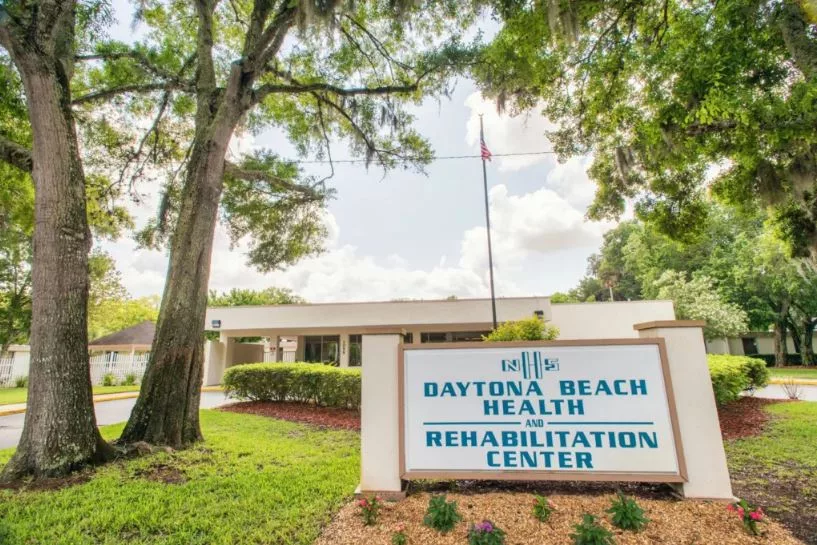
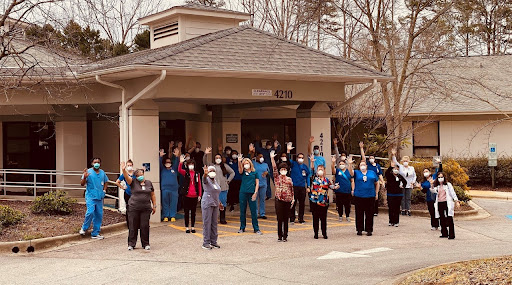
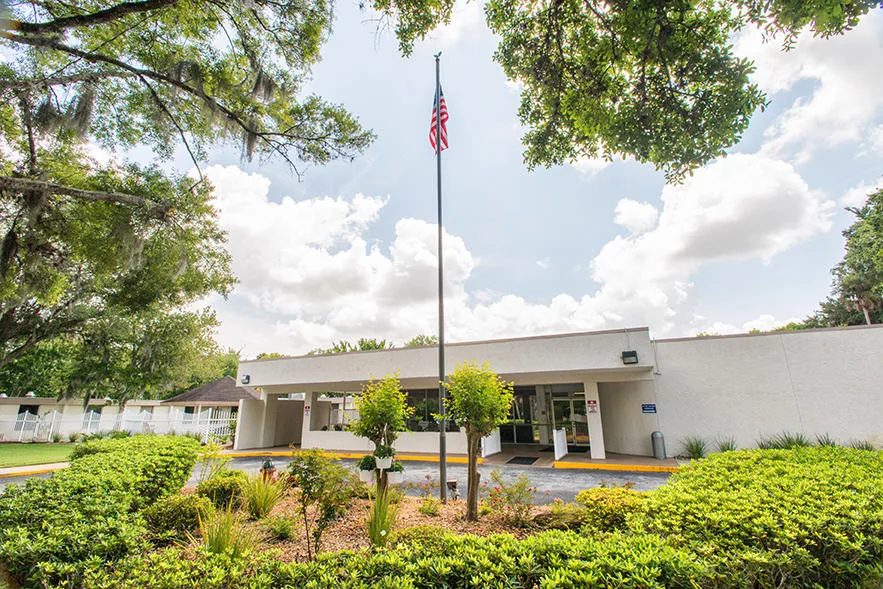
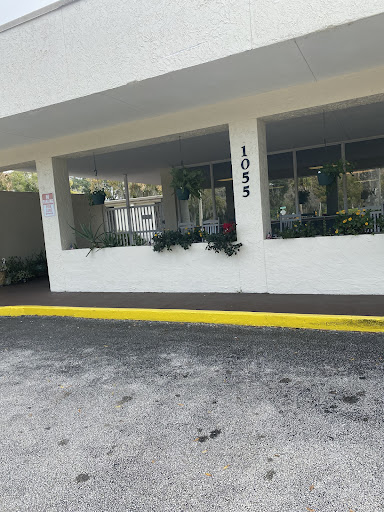
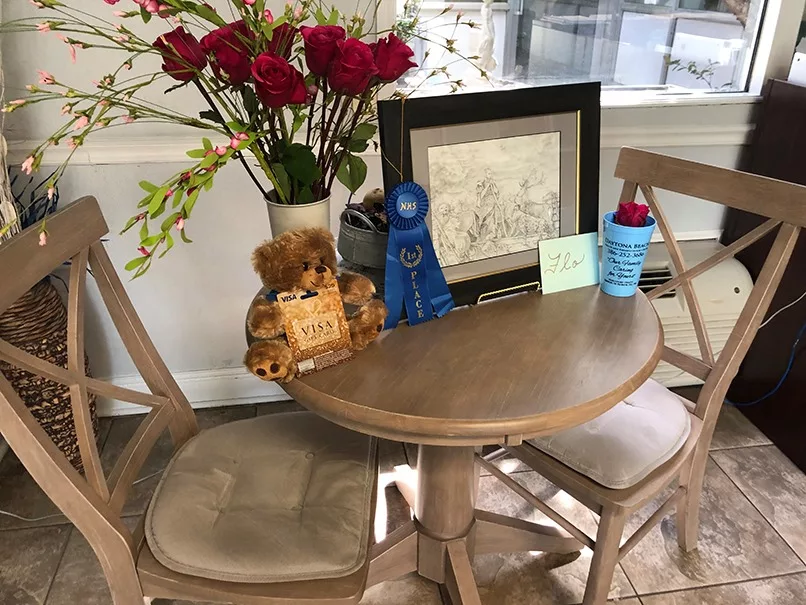
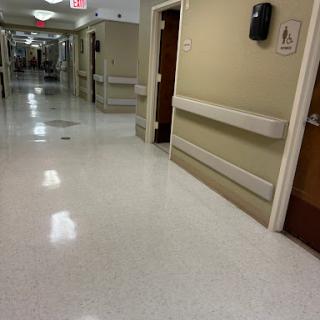
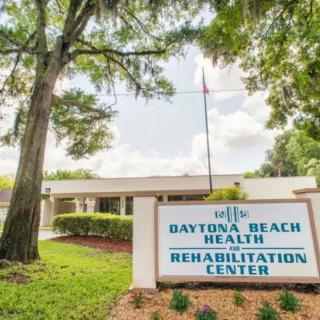
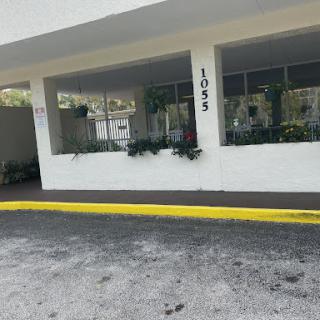
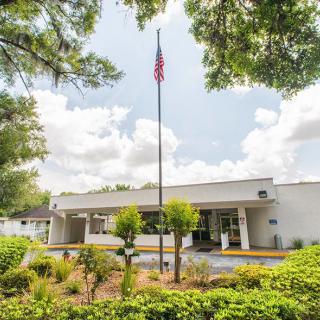
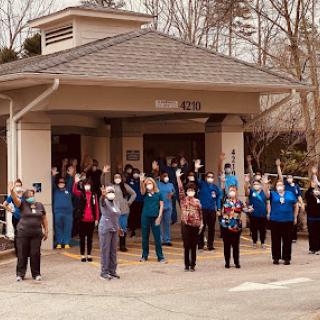
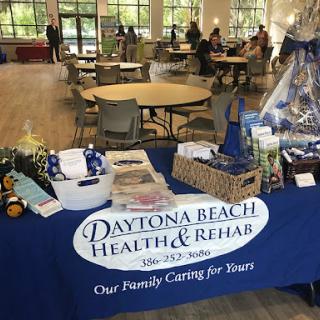
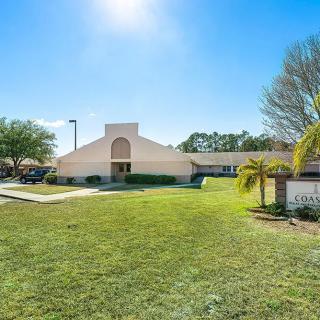
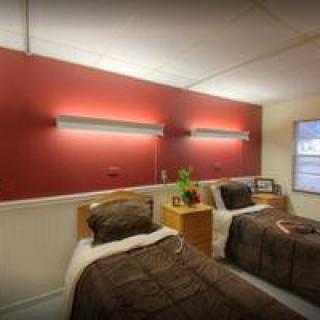
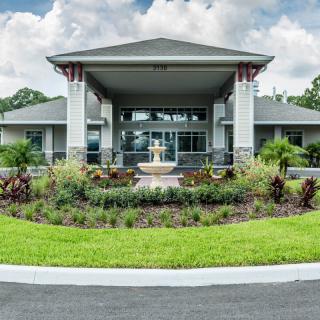
Daytona Beach Health And Rehabilitation Center on seniors.fyi includes 10 photos including images showing healthcare, building, rehabilitation, trees, clouds, architecture, exterior, windows, and more.
Nearby Communities
Shady Oaks Rest Home
Daytona Beach, FL
1 from 1 review
Small 16-bed community enables personalized care with 24-hour supervision, ADL assistance, medication management, coordinated healthcare, fully furnished rooms, on-site dining and activities.
Baywood Meadows Assisted Living
Daytona Beach, FL
5 from 1 review
Comprehensive care services with furnished apartments and engaging activities.
Rebecca Manor Retirement Home
Daytona Beach, FL
Convenient location with abundant nearby amenities (healthcare, dining, worship, and entertainment).
Home Instead Senior Care of Volusia County
Daytona Beach, FL
4.9 from 89 reviews
Excellent access to dining, healthcare, parks, and worship nearby.
Coastal Health And Rehabilitation Center
Daytona Beach, FL
3.7 from 121 reviews
Effective rehab therapy with compassionate staff.
Elderly Living Center Of Holly Hill
Holly Hill, FL
5 from 1 review
Fully furnished assisted living with meals, housekeeping, care services, and activities.
Seaside Health And Rehabilitation Center
Daytona Beach, FL
3.7 from 113 reviews
Clean, well-maintained facility with skilled staff and an active community.
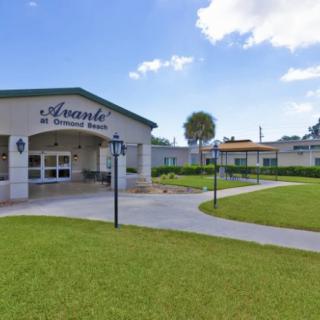
Avante At Ormond Beach
Ormond Beach, FL
2.8 from 91 reviews
Extensive on-site amenities and 24/7 care.
Majestic Gardens Living
South Daytona, FL
4.7 from 19 reviews
$4,500 to $5,000 / month
Clean, modern facility with compassionate staff and strong on-site medical oversight.
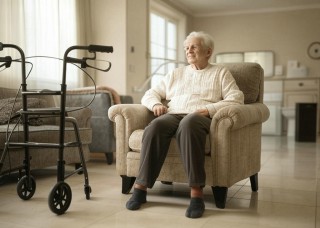
The article highlights eight essential assistive devices that improve the independence and safety of older adults, addressing issues related to mobility, balance, vision, hearing, and dexterity. It emphasizes the importance of proper selection guided by healthcare professionals to enhance seniors' quality of life while allowing them to age in place.
The article offers detailed guidance on the financial complexities of nursing home care, covering costs, payment methods, and alternative funding strategies while emphasizing the importance of proactive planning and legal considerations for individuals and families making care decisions.
The article emphasizes the critical role of supportive employee benefits for caregivers, advocating for flexible scheduling, paid leave, and mental health services to ease their challenges while enhancing employee well-being and organizational loyalty. It also highlights the importance of strong leadership in promoting these initiatives to foster a sustainable workplace culture that values caregivers.
Daytona Beach Health And Rehabilitation Center photos
×
Interior
Building
Architecture
Trees
Healthcare
Rehabilitation
Vintage
Interior, Lighting, and Hallway
Landscaping, Flag, and Clouds
Windows, Architecture, Exterior, and Parking
Building
Trees
Outdoor
Healthcare
Rehabilitation
Vintage
Additional Photos
Get PricingAsk A QuestionSchedule A TourContact Senior Advisor
By clicking submit, you agree to our Partner's Terms of Use. You
also consent to receive calls and texts, which may be autodialed, from our Partner. Your consent is not a condition to
using our Partner's service. Please visit our Partner's Privacy Policy for information about their privacy practices.


 180 resident community capacity
 Skilled Nursing Facility
 Air-conditioning
 Beauty salon
 Cable or satellite TV
 Computer center
 Dining room
 Fitness room
 Fully furnished
 Gaming room
 Garden
 Housekeeping services
 Kitchenette
 Move-in coordination
 Outdoor space
 Private bathrooms
 Restaurant-style dining
 Small library
 Telephone
 Wellness center
 Wi-Fi/high-speed internet available
 Daytona Beach International (3 miles away)
 Community operated transportation
 12-16 hour nursing
 24-hour call system
 Activities of daily living assistance
 Assistance with bathing
 Assistance with dressing
 Assistance with transfers
 Diabetes diet
 Medication management
 Mental wellness program
 Special dietary restrictions
 Concierge services
 Planned day trips
 Small 16-bed community enables personalized care with 24-hour supervision, ADL assistance, medication management, coordinated healthcare, fully furnished rooms, on-site dining and activities.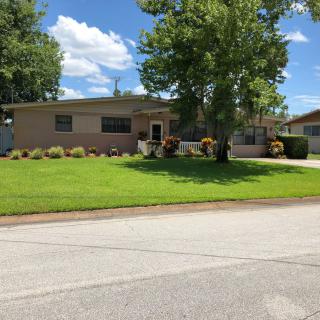

 8 Essential Assistive Devices for Older Adults
 Navigating the Financial Road to Nursing Home Care: In-Depth Guidance and Resources
 Supportive Employee Benefits That Help Caregivers Attain Better Work-Life Harmony