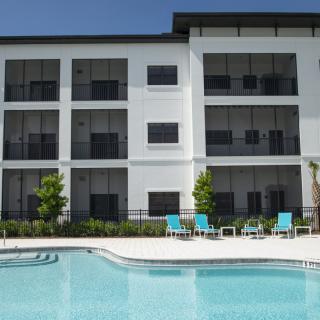
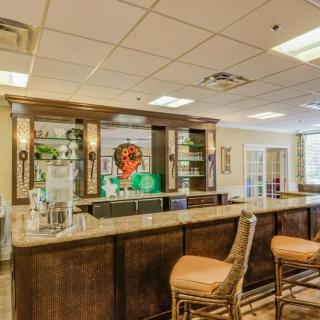
Rehab & Healthcare Center Of Cape Coral

Save
Rehab & Healthcare Center Of Cape Coral Rehab & Healthcare Center Of Cape Coral Rehab & Healthcare Center Of Cape Coral Rehab & Healthcare Center Of Cape Coral

Rehab & Healthcare Center Of Cape Coral

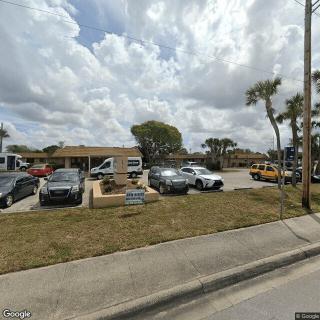
2629 Del Prado Boulevard, Cape Coral, FL 33904

For more information about senior living options: (844) 490-3973

3.2 from 70 reviews
5 stars
35
4 stars
2
3 stars
2
2 stars
3
1 stars
28

Skilled Nursing Facility

Overall Review of Rehab & Healthcare Center Of Cape Coral

Pros

  • pro The staff were incredibly compassionate and attentive, always going the extra mile to keep residents comfortable and cared for.
  • pro The facility is beautiful, and the staff are amazing and very helpful.
  • pro The admissions team was kind and courteous, making the transition from hospital to facility smooth and reassuring.
  • pro The therapy department is second to none, helping residents progress and regain function.
  • pro The nurses and CNAs are highly capable and easy to work with, providing attentive, quality care.
  • pro The staff consistently demonstrate compassion and kindness for all residents and families.
  • pro Families report exceptional care and proactive communication from staff like Nikki, Olena, and others who manage care plans closely.
  • pro The facility is well-organized and staffed, with management making positive changes that improve resident experiences.
  • pro The rehabilitation services have helped patients achieve meaningful goals and return home.

Cons

  • pro They felt unwelcome as the admissions staff appeared uninterested and the tour was rushed.
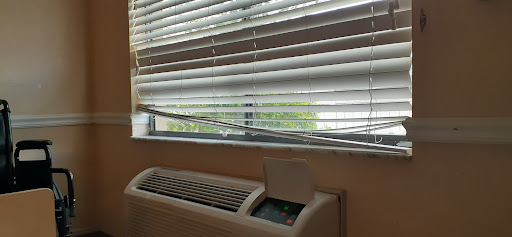
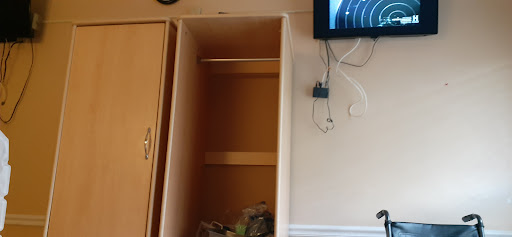
  • pro The facility was not clean or welcoming, leading them to decide not to send their dad there.
  • pro They would not recommend the facility and believe many positive reviews are fake.
  • pro They reported black mold, rude and unfriendly staff, and a DON who did not respond to family concerns.
  • pro They claim their dad suffered for days while call bells were disconnected or ignored.
  • pro They described the place as the worst for a grandparent, with a strong odor and IV leakage that went unaddressed.
  • pro They accuse the administrator and social worker of unaccountability and of refusing hospital transfers when needed.
  • pro They gave zero stars and warned that loved ones would not live long there, citing poor hygiene and lack of rehabilitation.
  • pro Call lights were unanswered, the facility smelled, roaches were present, and basic patient care was neglected.

Review

This community is best suited for rehab patients who need focused physical therapy and for families who can stay closely involved and advocate for care. When goals center on meaningful functional gains and a clear therapy plan, rehabilitation and healthcare staff can deliver solid progress, especially in the therapy department. However, this facility is not a fit for those who require turnkey reliability and consistently high-level daily care without active family monitoring. The best outcomes here tend to come from patients whose families are prepared to stay engaged, ask hard questions, and push for timely responses.

Those who may want to consider alternatives include anyone who cannot tolerate frequent lapses in basic safety and daily oversight. Review patterns point to recurrent concerns about call bells, assistance with bathroom needs, and timely medication administration. For families needing a risk-averse environment with steady staffing, transparent communication, and scrupulous cleanliness, other Cape Coral options or broader Lee Health facilities are likely to deliver less uncertainty. If a safe, predictable routine and consistently clean surroundings are non-negotiable, alternatives should be pursued.

On the positive side, the therapy program and the hands-on treatment team can be a strong anchor. Several accounts highlight effective physical and occupational therapy, with residents making noticeable gains in range of motion and mobility. Admissions and transition support are repeatedly praised, with staff members who are described as compassionate, responsive, and genuinely helpful during the intake and transfer process. For families prioritizing rehabilitation muscle and a motivated therapy staff, these advantages can translate into real progress and smoother transitions out of the hospital.

Yet the main cons repeatedly erode the overall value proposition. Across numerous reviews, cleanliness and odors are a recurring problem, with many families reporting filthy rooms, strong smells, and inadequate housekeeping. Staffing appears stretched, contributing to slow call-bell responses, missed activities, and inconsistent medication management. There are troubling anecdotes of patients not receiving timely care, or of equipment and basic dignity being neglected (such as delays in showers or toileting support). The sentiment is that, when things go wrong, accountability is insufficient and communication gaps persist, leaving families feeling left in the dark during a vulnerable time.

Pros and cons must be weighed with realism: the standout therapy outcomes and the caring admissions experience can indeed help certain residents reclaim independence and feel valued. However, those gains are undermined if safety and daily care are not assured, and if families cannot rely on consistent, respectful treatment or prompt problem resolution. The risk-to-benefit balance tilts toward caution for any prospective resident whose condition demands unwavering monitoring, rapid escalation of concerns, or a pristine environment. In short, strong rehabilitation potential exists, but it may be offset by systemic care gaps that can escalate quickly in post-acute settings.

For families deciding in this market, practical steps matter. If this option is under consideration, insist on seeing current cleanliness standards and the status of infection control; request a direct line to a patient-care manager or the director of nursing; verify staffing ratios during peak hours; review a written, time-bound care plan with explicit PT/OT goals; and arrange multiple visit times to observe call-bell responsiveness and how staff interact with residents. If the facility cannot convincingly demonstrate reliable daily care, or if family members cannot commit to vigilant oversight, alternatives should be pursued. When choosing this community, plan for proactive advocacy as a condition of occupancy, and be prepared to move if core safety or care benchmarks are not met.

Features

Housing

  • 120 resident community capacity 120 resident community capacity

Types of Care

  • Skilled Nursing Facility Skilled Nursing FacilitySkilled Nursing Facilities are crucial for seniors as they provide round-the-clock medical care, rehabilitation services, and assistance with daily activities. These facilities ensure that seniors receive the specialized care they need to maintain their health and well-being as they age.

Amenities

  • Air-conditioning Air-conditioningAir conditioning is important for seniors as they are more vulnerable to heat-related illnesses and may have underlying health conditions that make it difficult for them to regulate their body temperature. It helps to keep them comfortable, safe, and healthy in hot weather.
  • Beauty salon Beauty salonBeauty salons are important for seniors because they provide a space for them to feel pampered, socialize, and maintain their personal grooming and hygiene. Regular visits to a beauty salon can help boost seniors' self-esteem and overall well-being.
  • Cable or satellite TV Cable or satellite TVCable or satellite TV is important for seniors because it provides entertainment, news, and companionship, helping to combat loneliness and boredom. It also offers a wide range of programming options tailored to different interests and preferences.
  • Computer center Computer centerA computer center is essential for seniors as it provides access to technology, communication tools, and resources that can enhance their daily lives. It allows them to stay connected with loved ones, engage in online activities, and learn new skills, ultimately promoting socialization and mental stimulation.
  • Dining room Dining roomDining rooms are important for seniors as they provide a space for socialization, connection, and nutritious meals. They offer opportunities for residents to bond over shared meals, foster a sense of community, and promote healthy eating habits. Dining rooms also ensure that seniors have access to well-balanced meals tailored to their dietary needs and preferences.
  • Fitness room Fitness roomHaving a fitness room in a senior living community is essential for seniors to stay active, maintain their physical health, and improve their overall well-being. Regular exercise can help prevent falls, reduce the risk of chronic diseases, and promote mental sharpness. It also provides social opportunities for residents to connect with others and enjoy a sense of community.
  • Fully furnished Fully furnishedFully furnished senior living communities are important for seniors because they provide convenience, comfort, and a hassle-free moving experience. Seniors can easily settle into their new living space without the stress of having to buy and move furniture. This allows them to focus on enjoying their new home and community.
  • Gaming room Gaming roomGaming rooms are important for seniors as they provide a fun and engaging environment for socializing, cognitive stimulation, and physical activity. Games can improve memory, problem-solving skills, and overall mental well-being while fostering friendships and reducing feelings of isolation.
  • Garden GardenGardens are important for seniors as they provide a peaceful and therapeutic environment for relaxation, physical activity, and socialization. Being in nature has been shown to reduce stress, improve mood, and promote overall well-being. Gardens also offer opportunities for seniors to engage in gardening activities, which can improve mobility, flexibility, and cognitive function. Additionally, gardens create a sense of community and connection with others who share a passion for plants and outdoor spaces.
  • Housekeeping services Housekeeping servicesHousekeeping services are important for seniors because they help maintain a clean and safe living environment, promote independence, and reduce the risk of accidents or illnesses. Additionally, having assistance with household chores can alleviate physical strain and allow seniors to focus on other aspects of their well-being.
  • Kitchenette KitchenetteKitchenettes are important for seniors living in senior living communities because they provide the convenience and independence of being able to prepare simple meals and snacks in the comfort of their own living space. This can help promote a sense of autonomy and well-being for seniors, allowing them to maintain some level of control over their dietary choices and daily routines.
  • Move-in coordination Move-in coordinationMove-in coordination is important for seniors because it helps ease the transition into their new living environment. It ensures that all logistics, such as packing, organizing movers, and setting up utilities are taken care of, allowing seniors to focus on settling in and adjusting to their new home. Having a smooth move-in process can alleviate stress and anxiety, making the transition smoother and more enjoyable for seniors.
  • Outdoor space Outdoor spaceOutdoor spaces are important for seniors as they provide opportunities for physical activity, social interaction, exposure to natural light and fresh air, and a sense of connection to nature. Having access to outdoor spaces can improve overall well-being and quality of life for older adults living in senior communities.
  • Private bathrooms Private bathroomsPrivate bathrooms are important for seniors in senior living communities because they provide independence, dignity, and comfort. Having a private bathroom allows seniors to maintain their personal hygiene routines without the need for assistance, promoting a sense of autonomy and privacy. Additionally, private bathrooms help prevent the spread of infections and provide a safe and clean environment for seniors to navigate safely.
  • Restaurant-style dining Restaurant-style diningRestaurant-style dining is important for seniors because it allows them to enjoy delicious, nutritious meals in a social and upscale setting. This enhances their dining experience, promotes healthy eating habits, and fosters socialization with fellow residents, ultimately contributing to their overall well-being and quality of life.
  • Small library Small librarySmall libraries are important for seniors as they provide access to a variety of reading materials, including books, newspapers, and magazines. This can help stimulate their minds, keep them engaged, and provide a sense of community through book clubs and other social activities. Additionally, reading has been shown to improve cognitive function and overall mental well-being in older adults.
  • Telephone TelephoneTelephones are important for seniors as they provide a lifeline for communication with loved ones, emergency services, and healthcare providers. They offer a sense of security and independence, enabling seniors to stay connected and access assistance when needed.
  • Wellness center Wellness centerWellness centers are important for seniors because they offer a variety of programs and services that promote physical, mental, and emotional well-being. These centers provide opportunities for exercise, socialization, education, and relaxation, helping seniors maintain their overall health and quality of life.
  • Wi-Fi/high-speed internet available Wi-Fi/high-speed internet availableWi-Fi/high-speed internet is important for seniors to stay connected with loved ones, access online resources, and participate in virtual activities to combat feelings of loneliness and isolation. It also allows them to easily manage healthcare needs, access entertainment, and engage in lifelong learning opportunities.

Transportation

  • Southwest Florida International (12 miles away) Southwest Florida International (12 miles away)
  • Community operated transportation Community operated transportationCommunity operated transportation is crucial for seniors as it provides them with the means to access essential services, social activities, and medical appointments. It allows seniors to maintain their independence and quality of life by ensuring they can participate in activities outside of their homes. Additionally, community-operated transportation services offer a safe and reliable way for seniors to travel without having to rely on family or friends for assistance.
  • Transportation arrangement Transportation arrangementTransportation arrangements are crucial for seniors as they may face challenges with driving, mobility, or access to public transportation. Having reliable transportation services ensures that seniors can easily attend appointments, social activities, and maintain their independence and quality of life.
  • Transportation arrangement (non-medical) Transportation arrangement (non-medical)Transportation arrangements are essential for seniors as they provide access to essential services, activities, and social interactions outside the home. This service helps maintain independence, mobility, and overall well-being for seniors who may have limited transportation options.
  • Transportation to doctors appointments Transportation to doctors appointmentsTransportation to doctors appointments is crucial for seniors as it ensures they have access to necessary medical care and support, promoting their health and well-being. It allows them to receive timely treatment, monitor existing conditions, and address any new health concerns efficiently. Additionally, transportation services can help seniors maintain their independence and quality of life by enabling them to stay connected with their healthcare providers.

Care Services

  • 12-16 hour nursing 12-16 hour nursing12-16 hour nursing care is crucial for seniors in order to ensure around-the-clock monitoring, timely medication administration, and prompt response to any health concerns or emergencies. This level of care helps to promote the overall well-being and safety of seniors living in senior living communities.
  • 24-hour call system 24-hour call system24-hour call systems are important for seniors because they provide peace of mind and immediate assistance in case of emergencies. This technology ensures that help is always available, promoting safety and security for elderly individuals living alone or in assisted living facilities.
  • 24-hour supervision 24-hour supervision24-hour supervision is important for seniors to ensure their safety, well-being, and access to immediate assistance in case of emergencies or health issues. This constant support provides peace of mind for both seniors and their loved ones, allowing them to age in place with dignity and security.
  • Activities of daily living assistance Activities of daily living assistanceActivities of daily living assistance are important for seniors because they provide essential support with tasks such as eating, bathing, dressing, and mobility. This assistance helps seniors maintain their independence, dignity, and overall quality of life as they age.
  • Assistance with bathing Assistance with bathingAssistance with bathing is crucial for seniors as it helps maintain personal hygiene, prevents infections, and ensures their overall well-being and comfort. It also provides a sense of dignity and independence for seniors who may struggle with this task on their own.
  • Assistance with dressing Assistance with dressingAssistance with dressing is important for seniors because it helps maintain their independence, promotes personal hygiene, prevents accidents and injuries, and improves overall quality of life. This service ensures that seniors can continue to dress comfortably and confidently, despite any physical limitations they may have.
  • Assistance with transfers Assistance with transfersAssistance with transfers is crucial for seniors as it helps prevent falls and injuries, maintains their independence, and ensures they can safely navigate their living environment. It also provides peace of mind for both seniors and their loved ones.
  • Diabetes diet Diabetes dietA diabetes diet is crucial for seniors as it helps manage blood sugar levels, reduce risks of complications, and improve overall health and well-being. By following a balanced and nutritious diet tailored to their specific needs, seniors can better control their diabetes and enhance their quality of life.
  • Meal preparation and service Meal preparation and serviceMeal preparation and service are crucial for seniors as they may have limited mobility or energy to cook nutritious meals. Having access to healthy and convenient food options can ensure they are getting the proper nutrition needed to maintain their overall health and well-being.
  • Medication management Medication managementMedication management is crucial for seniors to ensure they are taking the right medications at the correct dosages and times. This helps prevent adverse drug interactions, reduces the risk of medication errors, and promotes overall health and well-being. Proactive management also allows for adjustments as needed based on changing health conditions or new prescriptions.
  • Mental wellness program Mental wellness programMental wellness programs are essential for seniors as they promote cognitive stimulation, emotional support, and social engagement. These programs help prevent isolation, depression, and cognitive decline, ultimately enhancing the overall quality of life for older adults.
  • Special dietary restrictions Special dietary restrictionsSpecial dietary restrictions are important for seniors because age-related changes in metabolism and health conditions can make it difficult for their bodies to process certain foods. By following a diet tailored to their specific needs, seniors can maintain their overall health and well-being, manage chronic conditions, and reduce the risk of complications such as malnutrition or food interactions with medications.

Dining

  • Diabetes diet Diabetes dietA diabetes diet is crucial for seniors as it helps manage blood sugar levels, reduce risks of complications, and improve overall health and well-being. By following a balanced and nutritious diet tailored to their specific needs, seniors can better control their diabetes and enhance their quality of life.
  • Special dietary restrictions Special dietary restrictionsSpecial dietary restrictions are important for seniors because age-related changes in metabolism and health conditions can make it difficult for their bodies to process certain foods. By following a diet tailored to their specific needs, seniors can maintain their overall health and well-being, manage chronic conditions, and reduce the risk of complications such as malnutrition or food interactions with medications.

Activities

  • Community-sponsored activities Community-sponsored activitiesCommunity-sponsored activities are important for seniors as they provide opportunities for social interaction, mental stimulation, and physical activity. These activities can help improve overall well-being, combat loneliness and isolation, and promote a sense of belonging and purpose among older adults.
  • Concierge services Concierge servicesConcierge services are essential for seniors as they provide assistance with daily tasks and errands, enhance their quality of life by offering convenience and personalized care, and promote a sense of safety and security.
  • Fitness programs Fitness programsFitness programs are crucial for seniors as they help improve strength, flexibility, balance, and overall well-being. Staying active can reduce the risk of chronic diseases, improve mental health, and enhance quality of life in older adults.
  • Planned day trips Planned day tripsPlanned day trips are important for seniors because they offer opportunities for socialization, mental stimulation, and physical activity. They provide a change of scenery and help seniors stay engaged and connected to their community, promoting overall well-being and quality of life.
  • Resident-run activities Resident-run activitiesResident-run activities are important for seniors as they encourage social interaction, creativity, and a sense of autonomy. These activities empower seniors to stay engaged and active in their community while fostering meaningful connections with their peers.
  • Scheduled daily activities Scheduled daily activitiesScheduled daily activities are important for seniors because they provide structure, socialization, mental stimulation, and physical activity. Engaging in regular activities can improve overall well-being and quality of life for seniors living in a community setting.

Description

The Rehab & Healthcare Center Of Cape Coral in Cape Coral, FL is a premier assisted living community that offers a wide range of amenities and care services to ensure the comfort and well-being of its residents.

The community features a beauty salon where residents can receive salon services and maintain their appearance. Cable or satellite TV is provided in each room for entertainment purposes. Community operated transportation is available, making it easy for residents to navigate the surrounding area.

A computer center is available for residents to use, allowing them to stay connected with family and friends or browse the internet. The dining room provides restaurant-style dining experiences where residents can enjoy delicious meals prepared by professional staff.

For physical fitness, there is a fitness room equipped with exercise equipment suitable for seniors. Fully furnished rooms allow for a comfortable living space. A gaming room provides recreational activities for residents to engage in.

Outside, there is a beautiful garden area where residents can relax and enjoy the outdoors. Housekeeping services ensure that rooms are kept clean and tidy. Each room has a private bathroom for convenience and privacy.

Move-in coordination assistance is provided to make transitioning into the community seamless. Outdoor spaces are available for residents to enjoy fresh air and nature. Telephone services are provided for easy communication.

Transportation arrangement services are available for non-medical purposes as well as transportation to doctors' appointments, ensuring that residents can attend their medical appointments without any hassle.

A wellness center offers various programs and activities aimed at promoting mental wellness among residents. Wi-Fi/high-speed internet is provided throughout the community, giving residents access to online resources and entertainment.

In terms of care services, there is a 24-hour call system in place so that assistance can be easily accessed when needed. 24-hour supervision ensures that residents are safe at all times. Staff members provide assistance with activities of daily living such as bathing, dressing, and transfers.

Special dietary restrictions are accommodated through diabetes diets and special meal preparation and service. Medication management services are provided to ensure residents take their medication properly. A mental wellness program is available to support residents' emotional well-being.

The community offers concierge services for added convenience, as well as fitness programs and scheduled daily activities to keep residents engaged and active. Planned day trips provide opportunities for exploration and adventure, while resident-run activities encourage socialization and community involvement.

The Rehab & Healthcare Center Of Cape Coral is conveniently located near various amenities including cafes, parks, pharmacies, physicians, restaurants, places of worship, and hospitals. This ensures that residents have easy access to essential services and recreational opportunities in the surrounding area.

Videos

Nearby Places of Interest

Places of Worship

  • St Andrew Catholic Church (0.1 miles)
  • St Cecilia's Catholic Church (3.6 miles)

Pharmacies

  • Walgreens (0.1 miles)
  • Walgreens (2.1 miles)
  • Walgreens (2.9 miles)
  • CVS Pharmacy (2.9 miles)
  • Winn-Dixie (2.9 miles)
  • CVS Pharmacy (2.9 miles)
  • Caloosa Pharmacy (3.4 miles)

Physicians

  • Cape Coral Medical and Surgical Suites (0.1 miles)
  • John Kagan Michael Jugan & Associates P A (0.1 miles)
  • Da Vita (0.5 miles)
  • Cape Coral Eye Center (2 miles)
  • Lehigh Medical Group (2.1 miles)
  • Edward R Dupay Jr DO (2.1 miles)
  • Orthopedic Associates (2.1 miles)

Restaurants

  • The Cafe Restaurant (0.4 miles)
  • KFC (0.6 miles)
  • McDonald's (1.2 miles)
  • Taco Bell (1.3 miles)
  • Wendy's (1.4 miles)
  • Burger King (2.1 miles)
  • Five Guys Burgers & Fries (2.1 miles)

Cafes

  • Starbucks (0.6 miles)
  • Urban Buzz Coffee (2.3 miles)
  • Panera Bread (2.9 miles)
  • Starbucks (2.9 miles)

Parks

  • Horton Park (1.7 miles)
  • Jaycee Park (2.1 miles)

Hospitals

  • Psychiatry Consultation Services - Cape Coral Hospital (2.5 miles)
  • LPG Pain Management - Cape Coral Hospital (2.5 miles)
  • Lee Health Asthma/COPD Management - Cape Coral Hospital (2.5 miles)
  • Lee Memorial Health System (2.5 miles)

Frequently Asked Questions

Where is Rehab & Healthcare Center Of Cape Coral?
What photos are available for Rehab & Healthcare Center Of Cape Coral in Cape Coral, Florida?

Nearby Communities

  • Rehabilitation & Health Care

    Rehabilitation & Health Care

    Cape Coral, FL

    3.1 from 72 reviews
     

    pro Close proximity to hospitals, pharmacies, and parks.
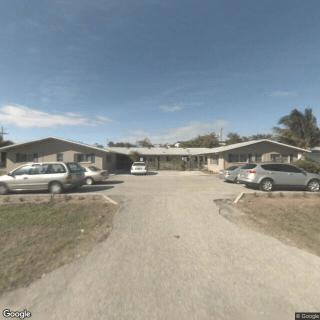
  • Peridot Place

    Peridot Place

    Cape Coral, FL


    pro Specialized diabetes care and off-site devotional services; active community with indoor common areas.

  • Dornoch Place Del Prado

    Dornoch Place Del Prado

    Cape Coral, FL


    pro 24-hour supervision and assistance with daily living plus restaurant-style dining in a fully furnished setting.

  • Independence Home Health

    Independence Home Health

    Cape Coral, FL


    pro Excellent access to healthcare and nearby amenities.

  • Sunshine Assisted Living Home Care Facility

    Sunshine Assisted Living Home Care Facility

    Cape Coral, FL

     
    $6,100 / month

    pro Small, personalized care with 24/7 supervision and engaging daily activities.

  • Sunrise Community 5

    Sunrise Community 5

    Cape Coral, FL


    pro 24/7 supervision with ADL support, coordinated healthcare, and furnished apartments.

  • Highpoint at Cape Coral

    Highpoint at Cape Coral

    Cape Coral, FL

    4.5 from 97 reviews
    $3,795 to $4,375 / month

    pro Caring staff, engaging activities, and clean, well-equipped amenities.

  • Coral Trace Manor

    Coral Trace Manor

    Cape Coral, FL

    2.7 from 128 reviews
     

    pro Effective physical therapy and compassionate moments, plus clean surroundings and good meals.

  • Merrill Gardens At Barkley Place

    Merrill Gardens At Barkley Place

    Fort Myers, FL

    4.5 from 98 reviews
    $1,900 to $2,950 / month

    pro Friendly, attentive staff and engaging activities.

Related Resources

  • private pay home careA Closer Look at Private Pay Home Care

    Private pay home care offers a flexible caregiving option for older adults and families who don't qualify for government programs, allowing them to directly fund in-home care services that range from daily assistance to specialized support. This model's customization potential enables aging in place while addressing financial considerations through strategic planning options, though clients must navigate marketplace challenges and ensure quality compliance.

  • what to do for arthritisComprehensive Approaches for Arthritis: A Detailed Guide to Symptoms, Causes, and Care

    Arthritis encompasses over 100 joint disorders affecting people of all ages, leading to symptoms like pain and stiffness that impair mobility and quality of life. Effective management involves early diagnosis, lifestyle changes, medical treatments, emotional support, and ongoing monitoring with healthcare professionals.

  • elderly fall preventionComprehensive Insights and Practical Strategies to Help Older Adults Avoid Falls
    The article highlights the high risk of falls among older adults due to factors like muscle weakness, vision issues, and environmental hazards, with one in four experiencing a fall annually. It advocates for a comprehensive prevention approach that includes exercise, home safety modifications, medication management, social support, and caregiver involvement.