For more information about senior living options: (866) 208-4318
2.8 from 113 reviews
5 stars
42
4 stars
7
3 stars
5
2 stars
6
1 stars
53
Overall Review of Heritage Park Care And Rehabilitation Center
differentiator18 reviews mention this
Therapy support is a key draw
Residents and families frequently praise the therapy team for helping recovery progress.
Many reviewers describe PT/OT staff as attentive, supportive, and focused on goals, with some people saying therapy helped them regain mobility after hospitalization or surgery. Several accounts mention therapists working closely to build milestones and motivating patients through discomfort or fear of falling. A few reviewers also point to therapy as the strongest part of their experience even when other areas felt inconsistent.
caveat14 reviews mention this
Food quality is inconsistent
Food stands out as both a strength and a repeated complaint.
On the positive side, multiple reviewers say the food tastes good or is attractive, and some note it feels better than what they had in the hospital. Others report specific frustrations such as meals being bland, not edible, or not matching dietary needs they requested. There are also mentions of limited variety or mechanical-soft meals not meeting expectations, which may affect how satisfying mealtimes feel day to day.
caveat26 reviews mention this
Care quality can vary widely
Reviews describe noticeable gaps in hands-on care and responsiveness.
A recurring theme is difficulty getting help when needed, including delayed call light response, residents being left waiting, or staff being described as dismissive or overwhelmed. Several reviewers also describe missed basic needs (like hygiene, toileting assistance, or timely care) and say communication with family was poor or inconsistent. While other reviews portray nurses and aides as kind and engaged, the negative accounts describe care that felt unreliable, sometimes with serious consequences for comfort and safety.
common15 reviews mention this
Cleanliness earns strong mentions
Many reviewers say the facility is clean and well maintained.
Several reviews highlight a spotless or clean environment and describe the facility as having a better atmosphere than they expected. Some mention freshness and lack of an unpleasant smell, while others say rooms and common areas were kept up. At the same time, a smaller set of negative reviews mention unpleasant odors or hygiene issues, suggesting cleanliness may not be consistent across every stay.
common24 reviews mention this
Families mention frequent caregiver support
A lot of reviewers single out caring, helpful staff and caregivers.
Many reviewers praise nurses, aides, and other staff members for being gentle, patient, and attentive, including examples of staff going out of their way to support a resident or family during stressful moments. Several accounts also mention feeling that staff treated residents with compassion and respect, and that the day-to-day team made them feel safe. Other reviews counter this with descriptions of rude or neglectful behavior, so the overall picture is mixed.
common4 reviews mention this
Nearby clinics and a hospital
The area includes nearby physician offices and hospital access.
Reviewers do not drive this part of the picture, but the listing location places multiple physician options close by. There is also a hospital option within a short drive, plus a range of everyday errands like pharmacy and retail options nearby.
How we summarize
Counts show how many written reviews mention each theme; a review can touch several themes, and only frequently mentioned themes are displayed.
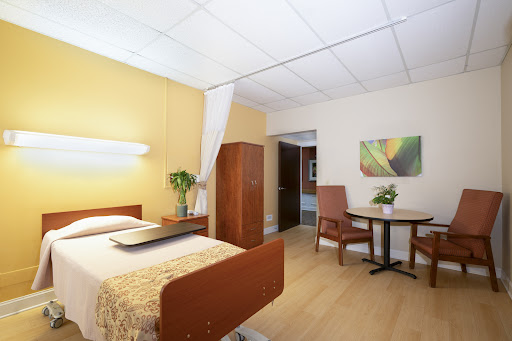
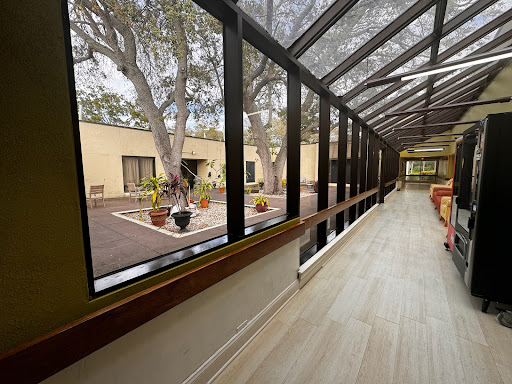
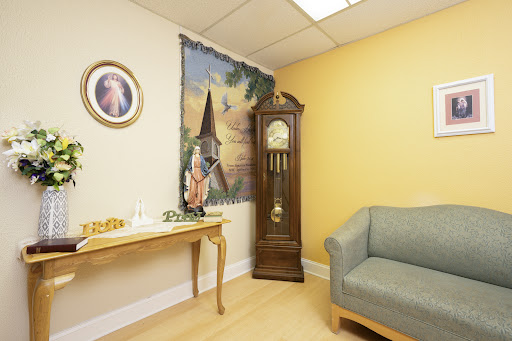
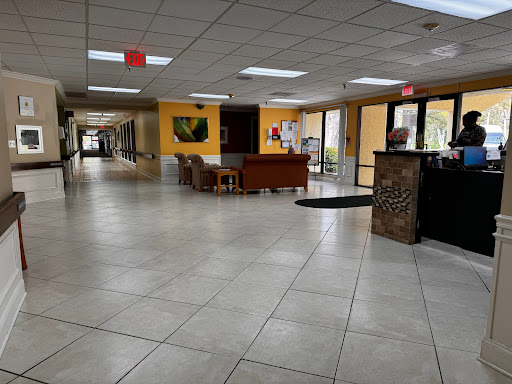
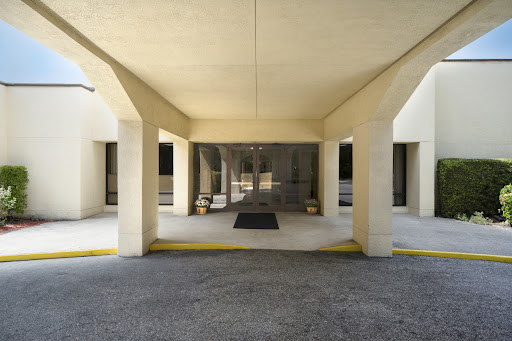
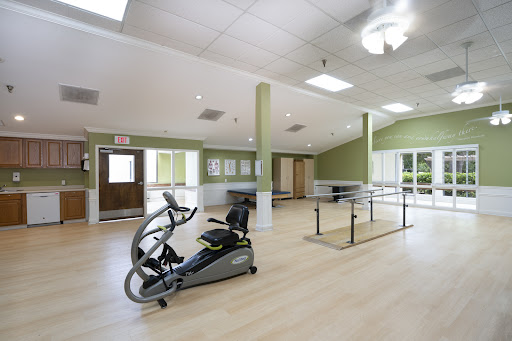
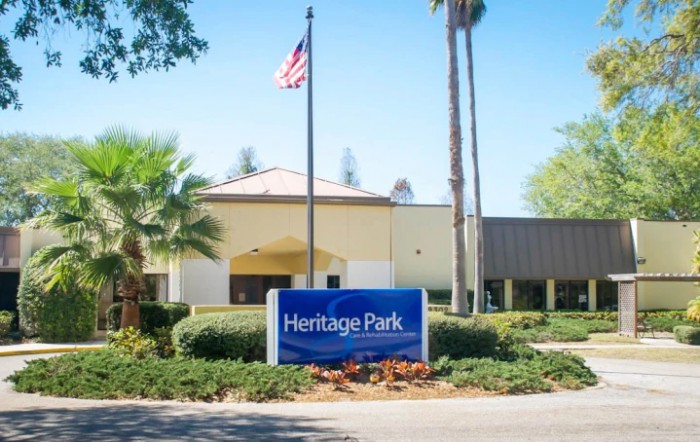
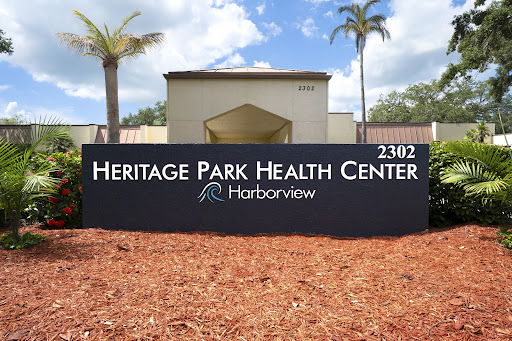
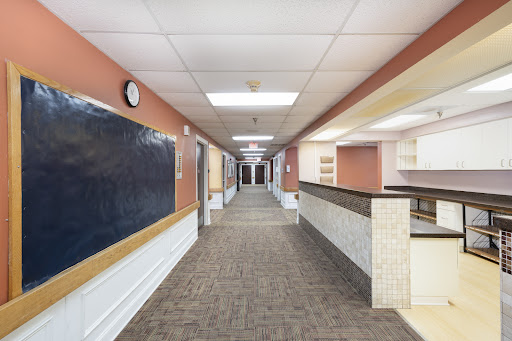
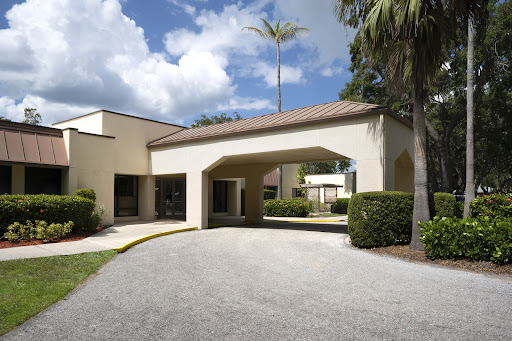
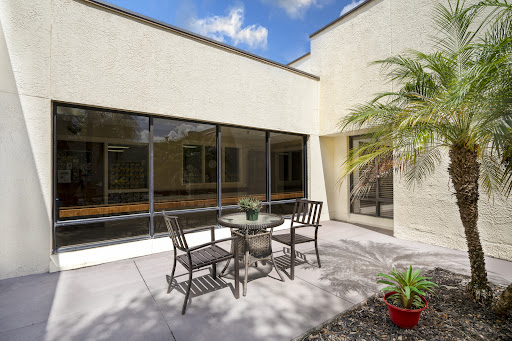
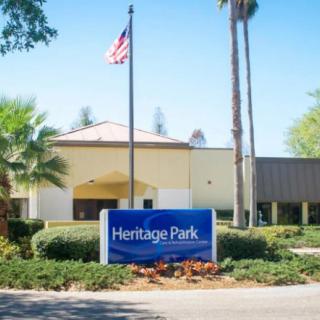
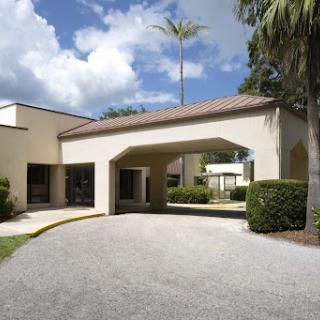
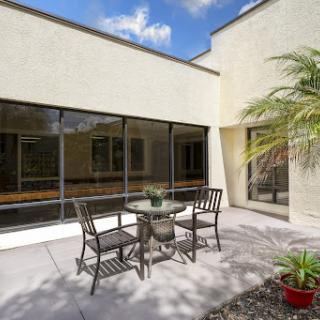
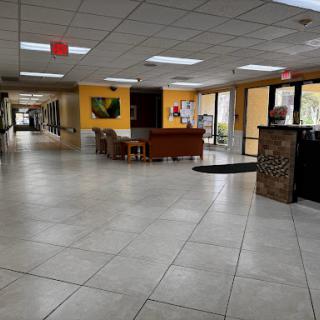
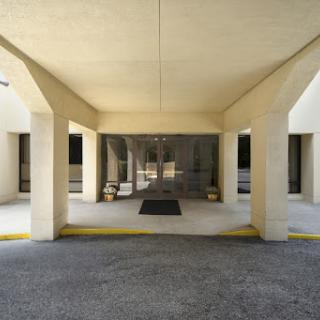
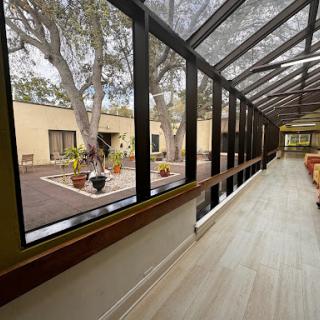
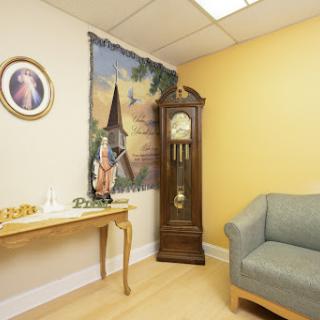
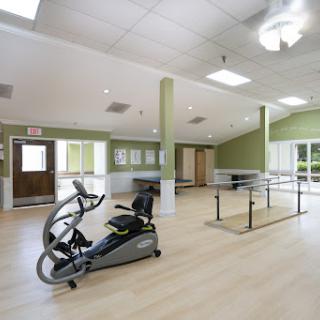
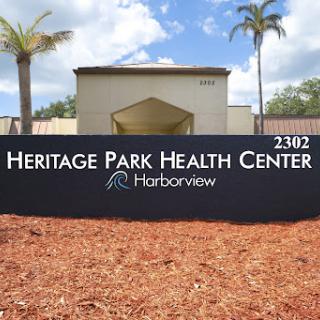
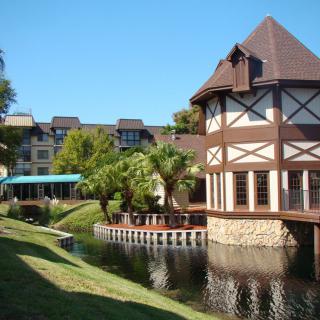
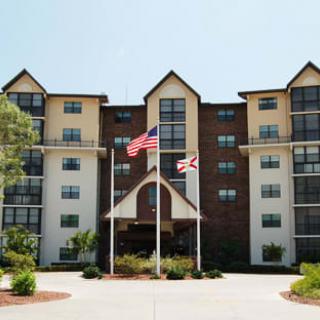
Heritage Park Care And Rehabilitation Center on seniors.fyi includes 11 photos including images showing interior, building, landscaping, architecture, exercise equipment, palm trees, decor, lighting, and more.
Nearby Communities
Brookdale Pointe West
Bradenton, FL
4.3 from 82 reviews
$4,815 to $6,175 / month
Small, home-like community with caring, attentive staff and engaging activities.
Surrey Place Convalescent Center
Bradenton, FL
4.4 from 102 reviews
Specialized diabetic care in a skilled nursing setting; convenient access to local services.
Surrey Place Healthcare And Rehabilitation
Bradenton, FL
4.4 from 89 reviews
Comprehensive amenities and 24/7 nursing support
Home Helpers of Bradenton
Bradenton, FL
4.9 from 54 reviews
Fully furnished apartments with meals and personalized care.
Freedom Village of Bradenton
Bradenton, FL
4 from 55 reviews
Well-maintained facilities with ample activities and amenities.
Freedom Village Bradenton, a CCRC
Bradenton, FL
4.5 from 144 reviews
$1,778 to $4,488 / month
Friendly staff, good amenities and activities, and a range of care options on a well-maintained campus.
Casa Mora Rehabilitation And Extended Care
Bradenton, FL
3.5 from 117 reviews
Effective physical therapy and caring staff in many cases; facilities are clean.
Home Helpers Home Care of Bradenton
Bradenton, FL
4.9 from 63 reviews
Reliable, responsive care with flexible scheduling and compassionate, capable staff.
Water's Edge of Bradenton
Bradenton, FL
4.2 from 111 reviews
$3,850 to $5,850 / month
Caring staff, clean and safe environment with engaging activities and a strong sense of community.
Palliative care focuses on alleviating distress at any stage of a serious illness and can accompany curative treatments, while hospice care is for those nearing the end of life with a prognosis of six months or less, emphasizing comfort over curative measures. Both prioritize holistic care for patients and families but differ in timing, goals, and scope.
Fecal incontinence, prevalent among older adults, arises from factors like weakened pelvic muscles and nerve damage, significantly affecting well-being and social interactions. Diagnosis involves clinical evaluation and tests to inform tailored treatments, while caregivers and preventive measures can aid in managing the condition effectively.
Gardening provides seniors with physical exercise, mental and emotional support, and social interaction opportunities, while accommodating their needs through raised beds and ergonomic tools. It promotes health benefits like improved dexterity and cardiovascular health, encourages sustainable practices, and allows for manageable upkeep with low-maintenance plants.
Heritage Park Care And Rehabilitation Center photos
×
Interior
Decor
Building
Architecture
Landscaping
Lighting
Entrance
Seating Area
Wall Art
Exercise Equipment
Healthcare
Interior
Decor
Bedroom
Landscaping
Building
Architecture
Lighting
Garden, Outdoor, and Patio
Artwork and Reception Desk
Seating Area
Entrance
Lobby
Exercise Equipment, Gym, Rehabilitation, Physical Therapy, Spacious, and Exercise
Exterior
Natural Light and Indoor Plants
Flag
Wall Art
Healthcare
Hallway and Office
Palm Trees
Get PricingAsk A QuestionSchedule A TourContact Senior Advisor
By clicking submit, you agree to our Partner's Terms of Use. You
also consent to receive calls and texts, which may be autodialed, from our Partner. Your consent is not a condition to
using our Partner's service. Please visit our Partner's Privacy Policy for information about their privacy practices.


 120 resident community capacity
 Skilled Nursing Facility
 Air-conditioning
 Beauty salon
 Cable or satellite TV
 Computer center
 Dining room
 Fitness room
 Fully furnished
 Gaming room
 Garden
 Housekeeping services
 Kitchenette
 Move-in coordination
 Outdoor space
 Private bathrooms
 Restaurant-style dining
 Small library
 Telephone
 Wellness center
 Wi-Fi/high-speed internet available
 Sarasota Bradenton International (7 miles away)
 Community operated transportation
 12-16 hour nursing
 24-hour call system
 Activities of daily living assistance
 Assistance with bathing
 Assistance with dressing
 Assistance with transfers
 Diabetes diet
 Medication management
 Mental wellness program
 Special dietary restrictions
 Concierge services
 Planned day trips
 Small, home-like community with caring, attentive staff and engaging activities.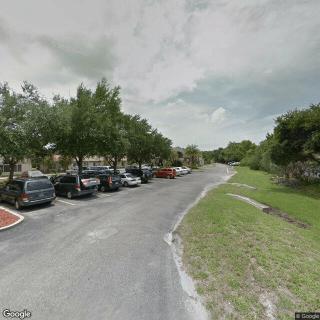




 Understanding the Nuances of Palliative Care and Hospice: A Comprehensive Exploration
 Fecal Incontinence in Older Adults: A Comprehensive Guide
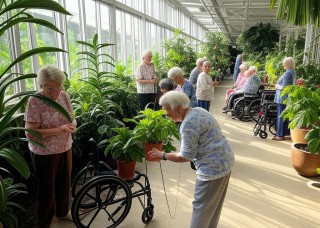 Nurturing Well-Being Through Gardening: A Detailed Guide for Senior Enthusiasts