
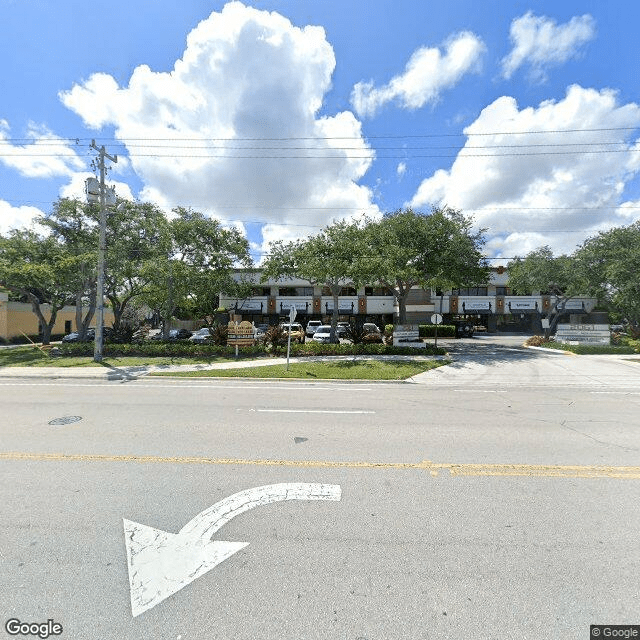
2061 NW Boca Raton Blvd, Boca Raton, FL 33431
To contact a resident: (561) 393-2400
For more information about senior living options: (866) 208-4318
Overall Review of Advanced Nursing Practice
Pros
 Deb is one of a kind.
- Deb is gifted.
- The reviewer notes that Deb nearly eliminated the wrist pain and gave them their life back.
- The reviewer cannot recommend Deb enough.
Cons
 The location is permanently closed.
- The location has moved a block south of its current location.
Review
This community is best suited for older adults in Boca Raton who are battling chronic musculoskeletal pain and want deeply personalized, hands-on care delivered by an experienced nurse practitioner. The emphasis in the available information centers on Deb, whose advocates describe her as unusually gifted and capable of producing substantial, sometimes life-changing relief from long-standing wrist pain. The basic operating model, Advanced Nursing Practice, signals a clinical, one-provider approach rather than a traditional, full-service living campus. For someone whose primary need is targeted pain relief and a highly attentive clinician, this resource stands out.
Those evaluating assisted living options should explicitly consider alternatives. This setup is not a stand-alone living community with 24/7 caregiving, social programming, dining, and on-site activities. Families seeking a comprehensive residential solution, where supervision, daily living support, medication management, and built-in social engagement occur on-site, should prioritize a conventional Boca Raton assisted living community or a geriatric care network that coordinates multiple professionals. In short, this option functions best as a focused medical resource, not a substitute for an entire living ecosystem.
The strongest pro is the demonstrated capacity of Deb to deliver dramatic pain relief and functional improvement. Reviews portray her as a rare talent in her field, capable of eliminating most of the symptom burden that had persisted for years. For a resident whose daily life hinges on mobility, dexterity, and pain control, such outcomes translate into clearer mornings, more independent activities, and reduced caregiver burden. When care is so precisely effective, even a single, highly competent provider can meaningfully tilt the balance toward greater autonomy and quality of life.
The most salient con is operational continuity risk. A note within the record states that the location is permanently closed and moved a block south, which raises questions about access, scheduling consistency, and long-term stability. With only two reviews available, there is also scant data on long-term outcomes, breadth of services, or how care is coordinated with other medical or geriatric supports. The absence of a broader care team means dependence on a single clinician, which can be risky if access shifts or if additional medical needs arise beyond the scope of this practice.
Yet these drawbacks do not erase the potential value when the pros align with the senior’s realities. If Deb remains available at a nearby, reliable location and the elder can engage with timely sessions, the quality of pain relief and functional restoration can outweigh the inconvenience of travel. In practical terms, the payoff is fewer days of pain, greater participation in activities, and less reliance on medications or assistive devices, outcomes that often justify extra logistics for families prioritizing function over proximity alone.
The decisive takeaway is clear: this resource deserves serious consideration for families prioritizing high-level pain relief and individualized clinical attention, provided access can be maintained. If the goal is ongoing residential stability, social engagement, and a full spectrum of living-support services, this option should be weighed against traditional assisted living communities and integrated geriatric care networks. Before deciding, verify current location and hours, confirm Deb’s availability, and ask how care would be coordinated with any future living arrangements. If continuity of access and a broader care plan are secured, pursuing this path can substantially enhance independence and day-to-day well-being. If not, shift focus to established facilities that bundle living amenities with medical oversight, ensuring a stable, comprehensive environment for long-term senior care.
 Skilled Nursing Facility
 Fort Lauderdale-Hollywood International (21 miles away)






 Home Health Care Demystified: A Comprehensive Guide for Families and Caregivers
 Seniors and Modern Transportation: Exploring Uber, Lyft, and Other Ride-Hailing Options
 Comprehensive Guide to Qualifying for Home Health Care Services