Cadia Healthcare Capitol Healthcare in Dover, DE
SaveInformation last verified:
1225 Walker Rd, Dover, DE 19904
For more information about senior living options: (844) 490-3973
At Cadia Healthcare Capitol Healthcare, the monthly cost for a private room is $6,090, which is notably higher than both the average costs in Kent County and throughout Delaware. In Kent County, individuals can expect to pay approximately $5,103 per month for similar accommodations, while the statewide average drops further to around $4,553. This pricing reflects not only the quality of care and facilities that Cadia provides but also the unique services and amenities tailored to residents. The investment in a stay here may be justified by the enhanced personalized care and supportive environment offered at this facility.
| Floor plans | Cadia Healthcare Capitol Healthcare | Kent County | Delaware |
|---|---|---|---|
| Private | $6,090 | $5,103 | $4,553 |
Cadia Healthcare Capitol in Dover is best suited for older adults who enter primarily for short- to medium-term rehabilitation and can rely on active participation in therapy and vigilant family oversight. The Magnolia unit has earned praise for a team-based rehab approach, with physical, occupational, and speech therapy described as capable and coordinated. The facility’s public areas and patient rooms are frequently noted as clean and pleasant, with a dining environment that supports varied preferences and dietary needs. For families seeking a facility that can deliver noticeable functional gains in a recovery window, Cadia’s rehabilitative strengths can be compelling when staff are responsive and medication changes are communicated clearly. However, this is a setting whose strengths hinge on the presence of steady, attentive supervision; it is less predictable for residents who require continuous, high-acuity monitoring or unwavering consistency in daily care.
On the upside, several reviews highlight concrete positives in Cadia’s rehab milieu. Families report that the therapy team embodies a collaborative, patient-focused ethic, with therapists who explain plans and keep family members informed about medication adjustments and progress. The in-house medical oversight, when present, is described as knowledgeable, and the broader care staff can be accommodating and personable at times. Cleanliness and a modern, well-kept atmosphere recur as stabilizing factors that reduce stress for residents and visiting family members. For those navigating the transition from hospital to skilled rehab, Cadia can feel like a structured, supportive space where patients can regain mobility and confidence, provided that communication channels stay open and staff remain approachable.
Yet the weight of Cadia’s challenges comes through with clear frequency in the reviews. A recurrent thread is understaffing and its ripple effects: long call-bell waits, delayed assistance, and a sense that aides and nurses are overextended. Several accounts describe lapses in safety, including questions about wound care management, delays in transferring to hospital when deterioration occurs, and even experiences that families interpreted as rough or inattentive handling. Medication management also surfaces as a critical risk area, ranging from reported over- or under-medication to tensions about medication reviews and reconciliation. The most alarming stories involve residents with open wounds, missed or inconsistent rehabilitation progress, and accusations of poor judgment or neglect. Taken together, these patterns signal a facility that can perform well in ideal staffing moments but struggles when demand surges or oversight weakens.
The core tension then becomes whether the potential for meaningful rehab gains justifies the risk inherent in the staffing variability and care gaps. The positive elements, the rehab team’s expertise, patient progress, a clean and welcoming environment, and proactive communication when it functions well, do offset some concerns, but they do not erase the fundamental risk exposed by chronic understaffing and inconsistent day-to-day care. For residents who arrive with straightforward rehab goals and a reliable support network at the bedside, Cadia offers a credible path to improvement. For those with complex, long-term needs, persistent cognitive impairment, or high sensitivity to medication changes and wound care, the cons weigh heavily and require careful consideration.
Alternatives should be contemplated for families prioritizing consistent, high-quality ongoing care or advanced medical oversight. If a loved one requires around-the-clock supervision, rapid response to call lights, or specialized wound care with reliable results, other facilities with stronger staffing ratios and more rigorous clinical governance may be safer choices. Memory-care needs, in particular, demand steadier staff availability and a culture of careful monitoring that keeps safety at the forefront. Home- and community-based options can also be viable for those who want to minimize transitions and maintain a familiar environment while arranging professional in-home support or short-stay rehab elsewhere when needed. In evaluating Cadia against rivals, focus on staffing stability, incident histories, and transparent wound- and medication-management protocols, then align those findings with the resident’s goals and risk tolerance.
The practical recommendation is concrete. Cadia Capitol can deliver meaningful rehab outcomes for residents who arrive with clear, achievable therapy goals and who benefit from an engaged, communicative care team that remains consistent under steady staffing. The facility should be considered by families who can actively participate in care planning, demand prompt escalation when concerns arise, and demand accountability from leadership and frontline staff. However, for anyone prioritizing predictable, highly supervised long-term care, or for families anxious about medication safety, call-light responsiveness, and wound management, alternatives merit serious comparison. Conduct a structured tour focused on the Magnolia unit, request recent incident reports, interview several current residents and families, and measure staff responsiveness firsthand. Weigh Cadia’s rehab promise against the nonnegotiables of safety, reliability, and continuity, because in the end, those nonnegotiables determine whether the gains in rehab translate into lasting quality of life.
Cadia Healthcare Capitol Healthcare in Dover, DE is a premier assisted living community that provides exceptional care and support for seniors. Our community offers a wide range of amenities designed to enhance the quality of life for our residents.
One of the key features of our community is the variety of on-site activities available to our residents. We understand the importance of staying active and engaged, which is why we offer a diverse range of activities to cater to different interests and abilities. Whether it's art classes, exercise programs, or social gatherings, there is something for everyone at Cadia Healthcare.
For those who value their privacy, our community offers private accommodations that provide a comfortable and peaceful living environment. Residents can enjoy their own personal space while still having access to all the services and amenities offered by our community.
In today's digital age, staying connected is more important than ever. That's why Cadia Healthcare offers Wi-Fi/high-speed internet access throughout the community. Residents can easily stay connected with loved ones or browse the web at their convenience.
When it comes to dining, we understand that individual dietary needs must be catered to. Our dining options include kosher meals as well as low/no sodium and sugar-free options for those who require specific dietary restrictions. Our culinary team takes pride in providing delicious and nutritious meals that meet each resident's unique needs.
Not only do residents have access to on-site activities and amenities, but they also benefit from the convenience of nearby services. With 4 cafes, 3 parks, 10 pharmacies, 32 physicians, 44 restaurants, 1 transportation service, 4 places of worship, and 2 hospitals nearby, residents have easy access to everything they may need.
At Cadia Healthcare Capitol Healthcare in Dover, DE, we prioritize the comfort and well-being of our residents. With an array of amenities and convenient location near essential services, our assisted living community offers a fulfilling lifestyle tailored to meet each resident's needs.
This part of Dover, Delaware, offers a variety of convenient amenities for senior living. With several healthcare options nearby such as physicians' offices and hospitals, seniors can easily access medical care when needed. Additionally, there are pharmacies in the area for medication needs. The presence of restaurants and cafes provides opportunities for dining out or grabbing a quick bite to eat. For recreational activities, there are parks in the vicinity where seniors can enjoy outdoor time and stay active. Places of worship offer spiritual support and community engagement. Overall, this area boasts a good balance of essential services and leisure options for seniors looking to settle down in a welcoming neighborhood.
At Cadia Healthcare Capitol Healthcare, the monthly cost for a private room is $6,090, which is notably higher than both the average costs in Kent County and throughout Delaware. In Kent County, individuals can expect to pay approximately $5,103 per month for similar accommodations, while the statewide average drops further to around $4,553. This pricing reflects not only the quality of care and facilities that Cadia provides but also the unique services and amenities tailored to residents. The investment in a stay here may be justified by the enhanced personalized care and supportive environment offered at this facility.
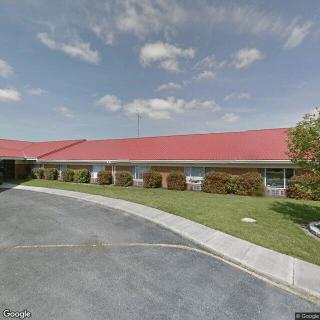
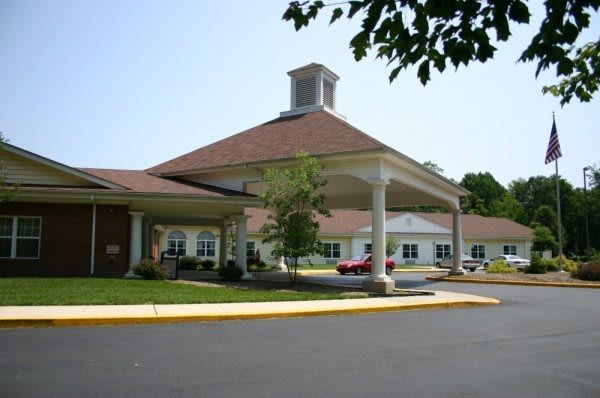
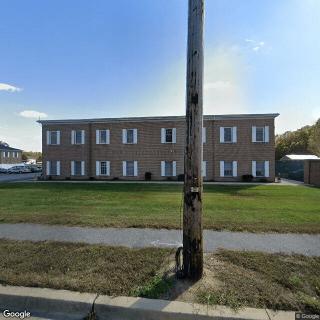
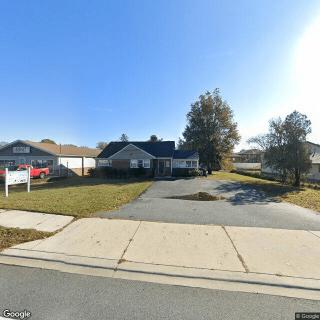
Cadia Healthcare Capitol Healthcare is located at 1225 Walker Rd, Dover, DE 19904 in Kent County, Delaware
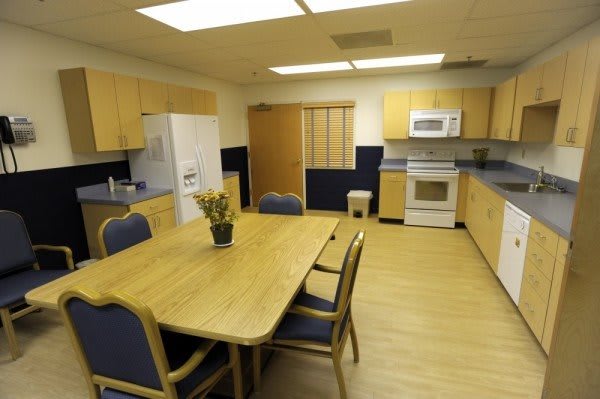
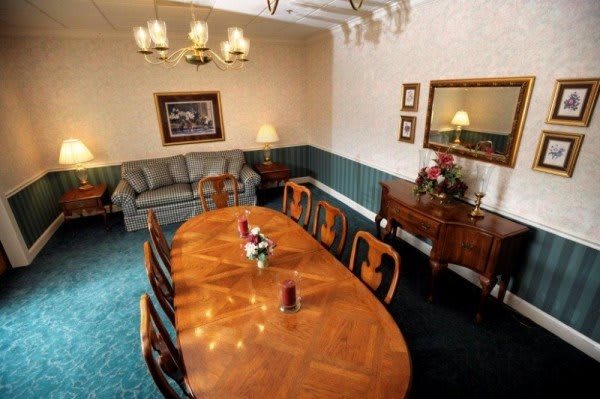
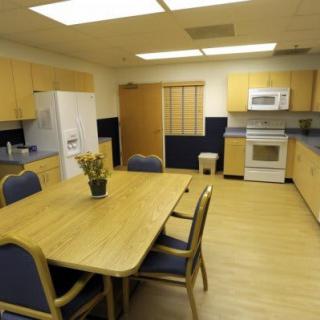
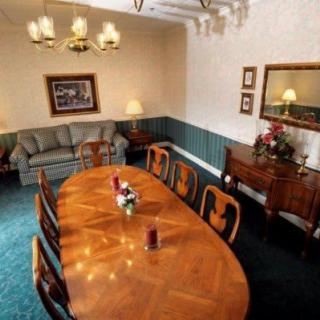
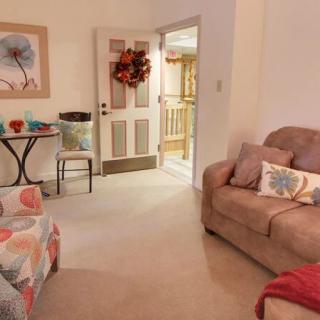
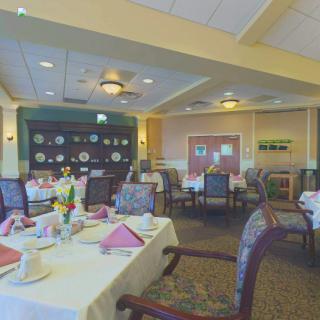
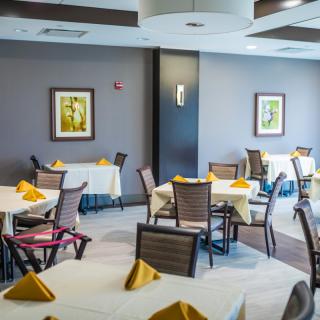
Cadia Healthcare Capitol Healthcare on seniors.fyi includes 3 photos including images showing dining, kitchen, appliances, refrigerator, oven, cabinets, interior, chandelier, and more.
The guide on blood pressure charts for older adults stresses the importance of understanding normal and high blood pressure readings influenced by age, genetics, and lifestyle, while emphasizing regular monitoring and lifestyle modifications to prevent serious health issues. It provides insights into blood pressure categories, dietary recommendations, medication considerations, and the role of caregivers in supporting healthy habits.
Financing Long-Term Nursing Home Care Through Social Security: A Thorough Exploration

The article explores the complexities of using Social Security to finance long-term nursing home care in the U.S., detailing eligibility requirements and misconceptions, while emphasizing that these benefits often do not cover full costs and highlighting the need for strategic financial planning and professional guidance.
Essential Knowledge on Pneumonia in Older Adults
Pneumonia significantly affects older adults due to weakened immune systems and atypical symptoms that complicate diagnosis, necessitating early detection and tailored treatment. Risk factors include chronic diseases and cognitive impairments, with preventive measures like vaccinations and healthy lifestyles being crucial for reducing risk.