Greentree Manor Nursing & Reha in Waterford, CT

Save

  • Interior

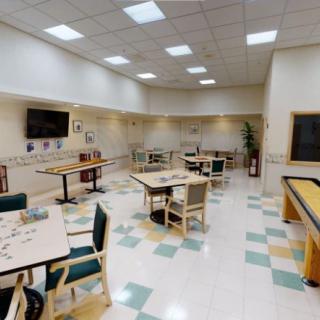
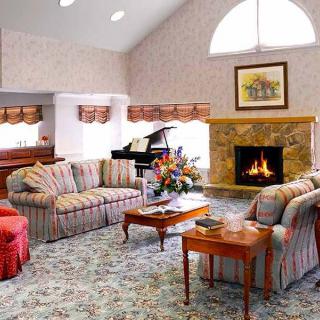
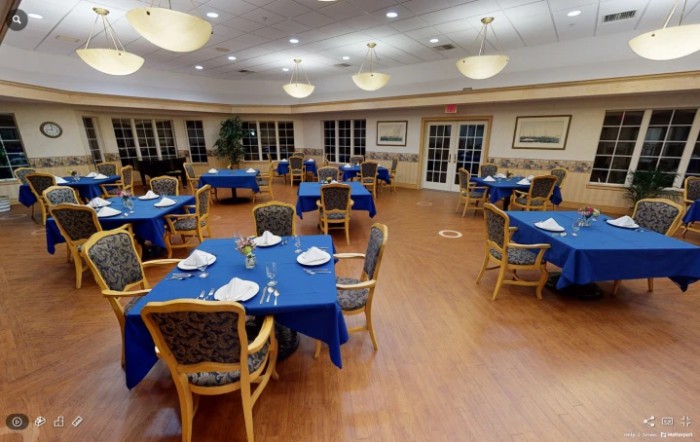
    A spacious indoor dining area with tables and chairs, featuring a television on the wall.
  • Decor

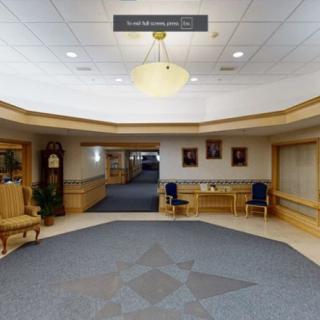
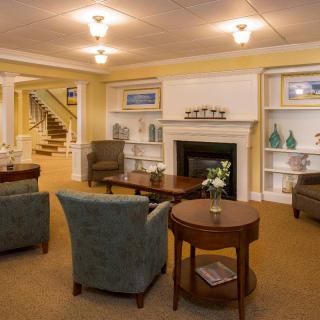
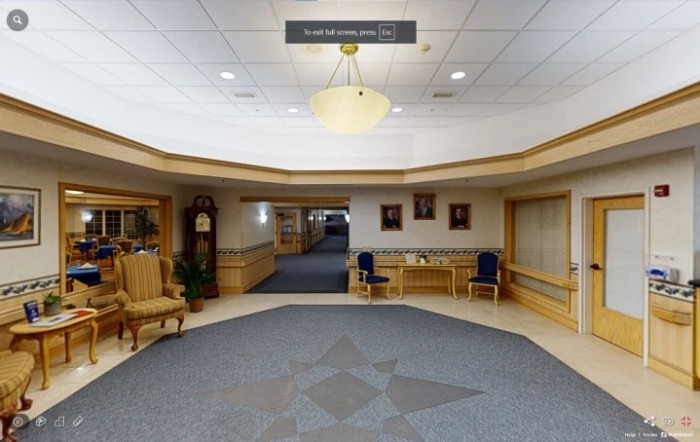
    A spacious lobby area with chairs, a chandelier, and a corridor leading further inside.
  • Building

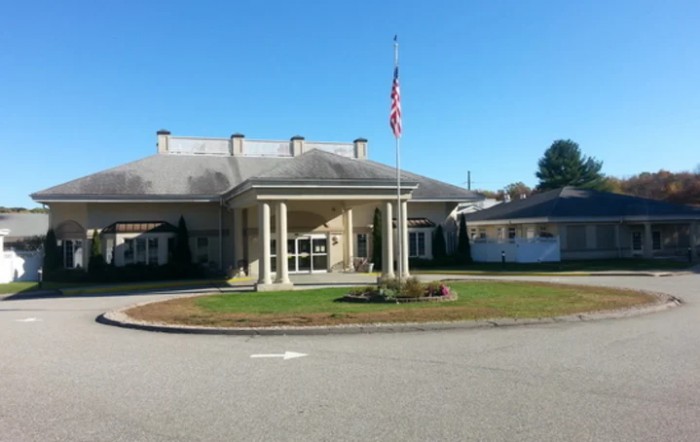
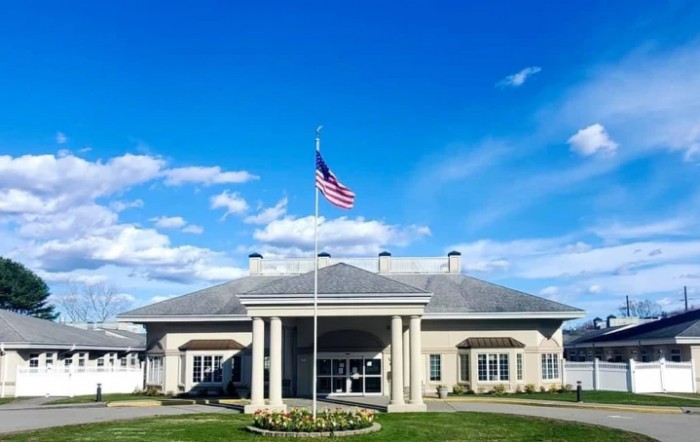
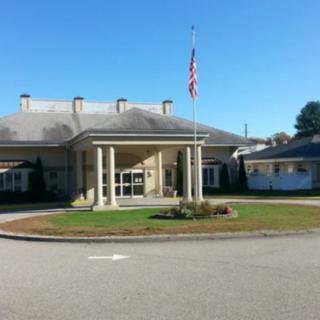
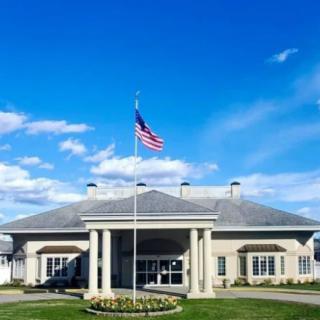
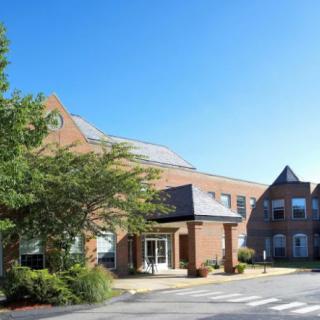
    A building with a flagpole displaying the American flag at its entrance, featuring columns and a clear blue sky.
  • Architecture

    A building with an American flag on a bright, sunny day.
  • Bedroom

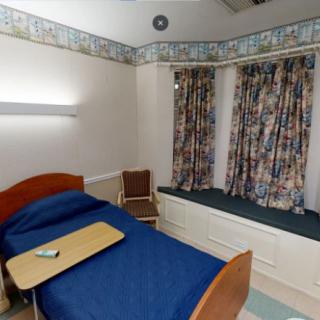
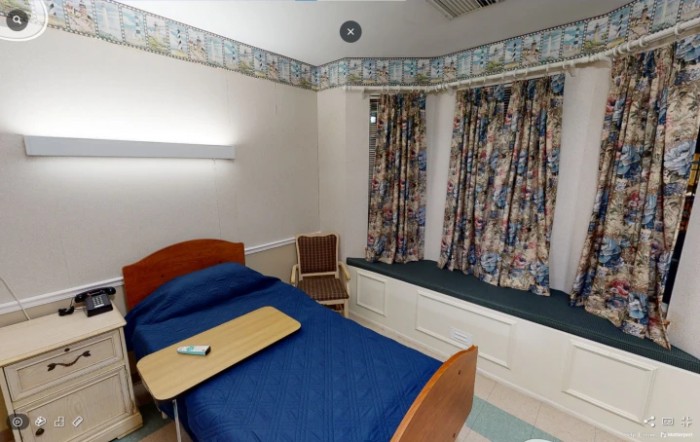
    A hospital room with a single bed, curtains, and basic furnishings.
  • Windows

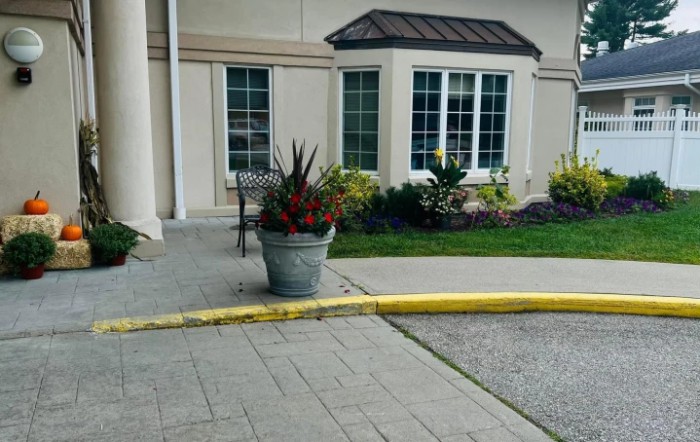
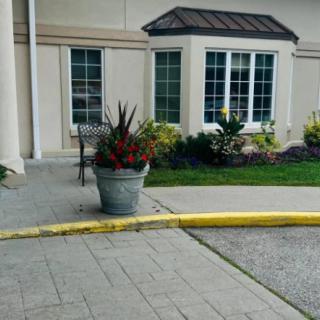
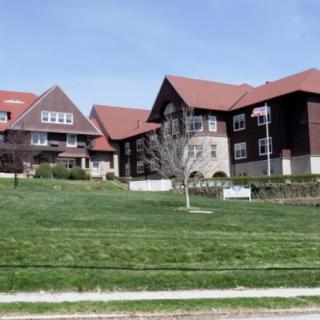
    Exterior view of a building with large windows and decorative plants.
  • Dining

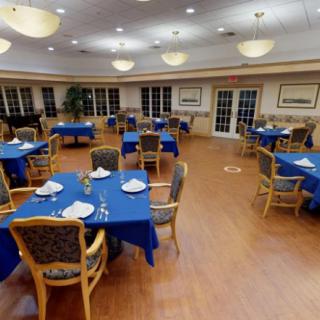
    An empty dining room with blue tablecloths and neatly arranged tables and chairs.
  • Landscaping

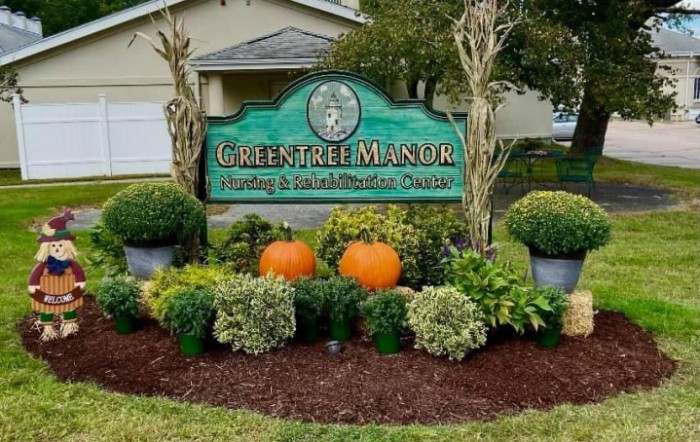
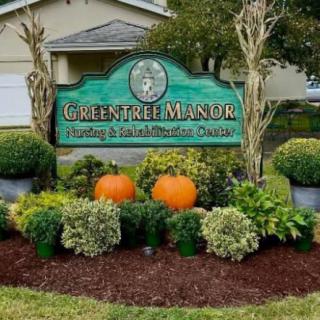
    A well-maintained garden featuring a 'Green Tree Manor' sign with seasonal pumpkin decorations.
  • Entrance

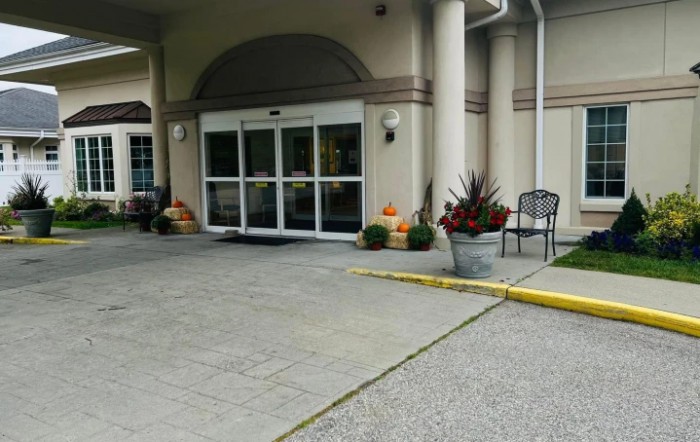
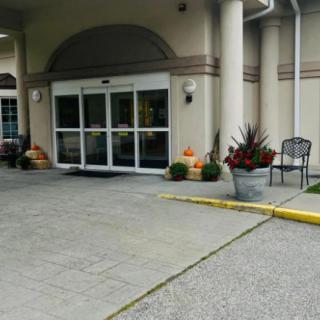
    A building entrance decorated with pumpkins and plants, signifying an autumn theme.
  • Exercise Equipment

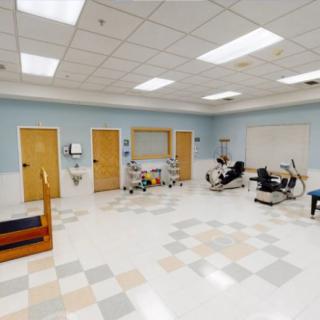
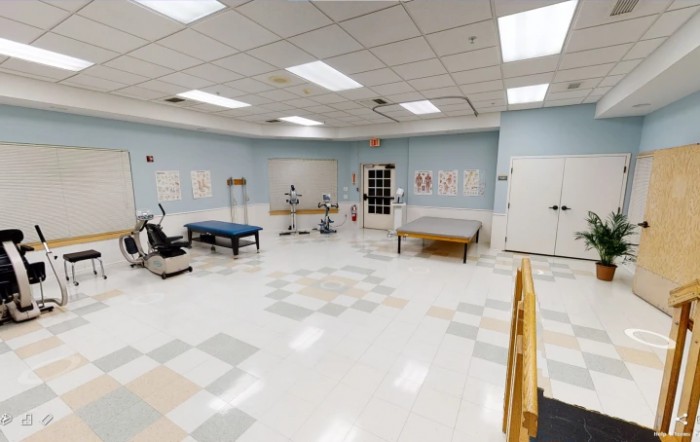
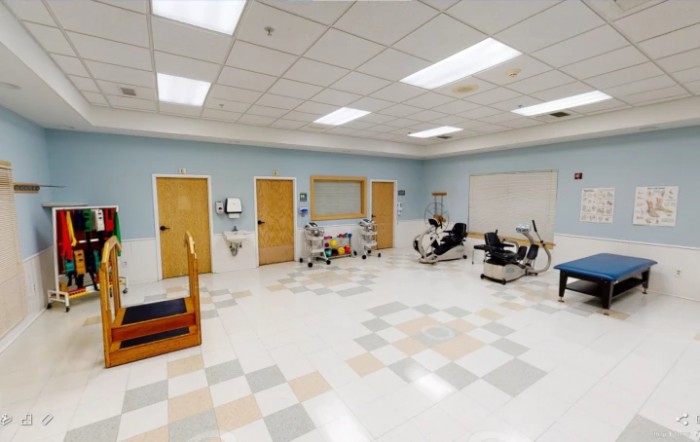
    A spacious rehabilitation room equipped with various exercise machines and equipment for physical therapy.
  • Healthcare

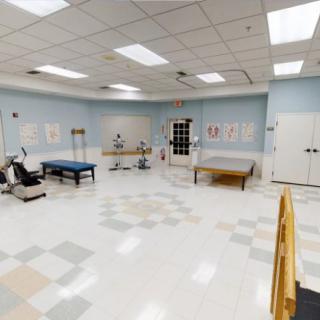
    A spacious physical therapy room with various rehabilitation equipment and exercise tables.

Greentree Manor Nursing & Reha in Waterford, CT

Information last verified:

4 Greentree Drive, Waterford, CT 06385

For more information about senior living options: (844) 490-3973

4.1 from 110 reviews
5 stars
69
4 stars
18
3 stars
5
2 stars
2
1 stars
16

Overall Review of Greentree Manor Nursing & Reha

Pros

  • pro The staff at Greentree Manor are wonderful and caring to the residents.
  • pro It is a warm and welcoming environment where everyone is welcomed.
  • pro The rehab gym is spacious and has various bikes and equipment for use.
  • pro Greentree Manor Nursing & Rehabilitation has been exceptional.
  • pro The staff is warm, attentive, and truly invested in the well-being of their residents.
  • pro From nursing to therapy to administration, everyone goes above and beyond to ensure residents feel safe, supported, and cared for.
  • pro The communication with families is outstanding.
  • pro The facility is clean, welcoming, and well-organized.

Cons

  • pro Greentree’s upper management is a joke, and it sometimes takes 40 minutes for service.
  • pro The facility is described as one of the worst-run rehab centers, with loud, obnoxious staff who act like wild animals and show no respect for patients’ peace.
  • pro The food is awful, salty, and hard as a rock.
  • pro The social worker is arrogant and totally useless.
  • pro The laundry and housekeeping are horrible, with dirty rooms and lost clothes.
  • pro The staff is under-staffed, with aides often working alone on third shift.
  • pro The facility is dirty and unclean, with a noticeable urine odor.
  • pro The administration is criticized as corrupt and mismanaged, with calls for the place to be shut down.
  • pro Medication handling is concerning, with instances of meds given without proper authorization and staff failing to follow schedules.

Review

Greentree Manor Nursing & Rehabilitation is best suited for families seeking a warm, engaged rehab-focused community where staff consistently demonstrate genuine care and residents feel welcomed. The setting appeals to those who want a facility that emphasizes hands-on nursing attention, strong therapy services, and a lively social atmosphere. Those evaluating transitions from hospital to home will find the rehab gym appealing, it's described as spacious and well-equipped, and the overall environment is repeatedly characterized as clean, organized, and inhabited by staff who strive to treat residents with dignity. For families prioritizing visible compassion, regular family communication, and a facility that supports activities from hairdressing to ice cream socials, Greentree presents as a compelling option. It is especially attractive for short-term rehab or transition care where the goal is to regain independence with ongoing encouragement from a dedicated care team.

That said, certain realities warrant careful consideration. Alternatives should be on the table for families who require near-perfect consistency in every shift, a flawlessly disciplined atmosphere, and guaranteed uniform adherence to care plans. The most persuasive concerns from some residents’ families center on governance and execution, instances of miscommunication, pacing of responses to calls for help, and occasional lapses in daily care tasks. Several reviewers recount experiences suggesting understaffing or uneven attention, including delays in assistance, lapses in hygiene or room maintenance, and problematic interactions with administration or social work. Those whose top priority is a tightly run operation with minimal variability may find reasons to look elsewhere, particularly if a long-term, highly controlled care environment is non-negotiable.

The strongest, most repeatable advantages center on the human side of care. Across numerous accounts, the staff, nurses, aides, and therapy teams, emerge as the core strength: warm, attentive, and genuinely invested in residents’ well-being. Families repeatedly praise proactive communication from caregivers and administrators, the facility’s cleanliness and organization, and a culture of respect and dignity for residents. The rehab program, in particular, gets credit for its practical utility, offering a range of equipment and therapy that supports recovery. The social fabric, weekly haircare services, casual dining, and occasional events, adds meaningful quality-of-life value that matters to families navigating the stressful process of adjustment to a care setting. These elements collectively create a sense of security when care is coordinated by a cohesive team.

Conversely, the main cons echo enough variability to demand vigilant due diligence. Reports of under-staffing, especially on certain shifts, translate into perceptions of slower response times or less consistent coverage for routine needs. A number of reviews describe problems with management, including communication gaps or perceived indifference from some administrative staff. Specific operational concerns include inconsistent room maintenance, delays with basic tasks like laundry or bed changes, and occasional lapses in medication or care plan execution. Such experiences are not universal, but they recur enough to justify a careful, on-site evaluation. The mix of opinions on food quality, cleanliness, and even safety incidents further underscores that care quality at Greentree can swing based on who is on duty and how well oversight is exercised at any given time.

This is not a facility to accept passively. The decision to choose Greentree should hinge on proactive verification rather than reputation alone. Prospective families should request a tour during different times of day to observe staffing patterns, speak directly with front-line staff about day-to-day workflows, and review the most current care plans for their loved one. Ask for concrete staffing ratios, request examples of how shifts coordinate, and demand transparent access to the administrator or director of nursing for issue resolution. Inquire about the mechanism for reporting concerns and the speed with which problems are addressed. If possible, connect with current residents or family members to hear how communication actually works in practice. These steps help determine if the environment aligns with expectations for safety, reliability, and personalized attention.

In the end, Greentree Manor can be an excellent fit for families prioritizing compassionate care, robust rehab services, and a resident-centered social atmosphere, provided that diligence accompanies admission. The facility’s highs, a caring staff, a hospitable environment, and strong therapeutic support, can materially offset many everyday concerns when governance is solid and oversight is active. However, the breadth of negative experiences reported by some families cannot be ignored, and those with stringent requirements for consistency, rapid response, and unambiguous accountability should compare Greentree with other options and insist on current performance benchmarks. The prudent path is a careful, firsthand assessment, a clear set of expectations, and a plan to maintain ongoing advocacy, ensuring the chosen community truly matches the resident’s needs, values, and long-term goals.

Features

Housing

  • 90 resident community capacity 90 resident community capacity

Types of Care

  • Skilled Nursing Facility Skilled Nursing FacilitySkilled Nursing Facilities are crucial for seniors as they provide round-the-clock medical care, rehabilitation services, and assistance with daily activities. These facilities ensure that seniors receive the specialized care they need to maintain their health and well-being as they age.

Amenities

  • Air-conditioning Air-conditioningAir conditioning is important for seniors as they are more vulnerable to heat-related illnesses and may have underlying health conditions that make it difficult for them to regulate their body temperature. It helps to keep them comfortable, safe, and healthy in hot weather.
  • Beauty salon Beauty salonBeauty salons are important for seniors because they provide a space for them to feel pampered, socialize, and maintain their personal grooming and hygiene. Regular visits to a beauty salon can help boost seniors' self-esteem and overall well-being.
  • Cable or satellite TV Cable or satellite TVCable or satellite TV is important for seniors because it provides entertainment, news, and companionship, helping to combat loneliness and boredom. It also offers a wide range of programming options tailored to different interests and preferences.
  • Computer center Computer centerA computer center is essential for seniors as it provides access to technology, communication tools, and resources that can enhance their daily lives. It allows them to stay connected with loved ones, engage in online activities, and learn new skills, ultimately promoting socialization and mental stimulation.
  • Dining room Dining roomDining rooms are important for seniors as they provide a space for socialization, connection, and nutritious meals. They offer opportunities for residents to bond over shared meals, foster a sense of community, and promote healthy eating habits. Dining rooms also ensure that seniors have access to well-balanced meals tailored to their dietary needs and preferences.
  • Fitness room Fitness roomHaving a fitness room in a senior living community is essential for seniors to stay active, maintain their physical health, and improve their overall well-being. Regular exercise can help prevent falls, reduce the risk of chronic diseases, and promote mental sharpness. It also provides social opportunities for residents to connect with others and enjoy a sense of community.
  • Fully furnished Fully furnishedFully furnished senior living communities are important for seniors because they provide convenience, comfort, and a hassle-free moving experience. Seniors can easily settle into their new living space without the stress of having to buy and move furniture. This allows them to focus on enjoying their new home and community.
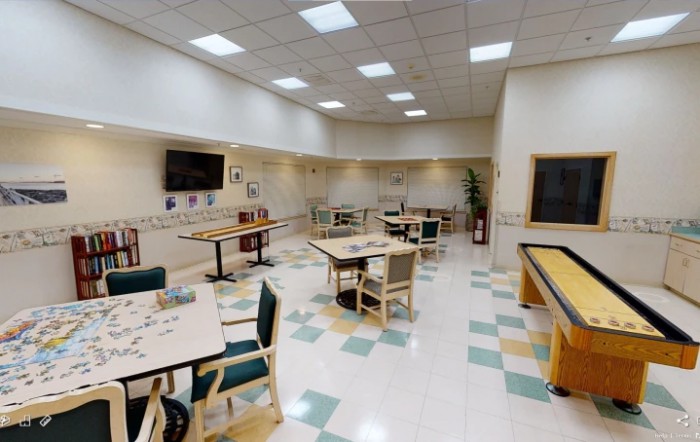
  • Gaming room Gaming roomGaming rooms are important for seniors as they provide a fun and engaging environment for socializing, cognitive stimulation, and physical activity. Games can improve memory, problem-solving skills, and overall mental well-being while fostering friendships and reducing feelings of isolation.
  • Garden GardenGardens are important for seniors as they provide a peaceful and therapeutic environment for relaxation, physical activity, and socialization. Being in nature has been shown to reduce stress, improve mood, and promote overall well-being. Gardens also offer opportunities for seniors to engage in gardening activities, which can improve mobility, flexibility, and cognitive function. Additionally, gardens create a sense of community and connection with others who share a passion for plants and outdoor spaces.
  • Housekeeping services Housekeeping servicesHousekeeping services are important for seniors because they help maintain a clean and safe living environment, promote independence, and reduce the risk of accidents or illnesses. Additionally, having assistance with household chores can alleviate physical strain and allow seniors to focus on other aspects of their well-being.
  • Kitchenette KitchenetteKitchenettes are important for seniors living in senior living communities because they provide the convenience and independence of being able to prepare simple meals and snacks in the comfort of their own living space. This can help promote a sense of autonomy and well-being for seniors, allowing them to maintain some level of control over their dietary choices and daily routines.
  • Move-in coordination Move-in coordinationMove-in coordination is important for seniors because it helps ease the transition into their new living environment. It ensures that all logistics, such as packing, organizing movers, and setting up utilities are taken care of, allowing seniors to focus on settling in and adjusting to their new home. Having a smooth move-in process can alleviate stress and anxiety, making the transition smoother and more enjoyable for seniors.
  • Outdoor space Outdoor spaceOutdoor spaces are important for seniors as they provide opportunities for physical activity, social interaction, exposure to natural light and fresh air, and a sense of connection to nature. Having access to outdoor spaces can improve overall well-being and quality of life for older adults living in senior communities.
  • Private bathrooms Private bathroomsPrivate bathrooms are important for seniors in senior living communities because they provide independence, dignity, and comfort. Having a private bathroom allows seniors to maintain their personal hygiene routines without the need for assistance, promoting a sense of autonomy and privacy. Additionally, private bathrooms help prevent the spread of infections and provide a safe and clean environment for seniors to navigate safely.
  • Restaurant-style dining Restaurant-style diningRestaurant-style dining is important for seniors because it allows them to enjoy delicious, nutritious meals in a social and upscale setting. This enhances their dining experience, promotes healthy eating habits, and fosters socialization with fellow residents, ultimately contributing to their overall well-being and quality of life.
  • Small library Small librarySmall libraries are important for seniors as they provide access to a variety of reading materials, including books, newspapers, and magazines. This can help stimulate their minds, keep them engaged, and provide a sense of community through book clubs and other social activities. Additionally, reading has been shown to improve cognitive function and overall mental well-being in older adults.
  • Telephone TelephoneTelephones are important for seniors as they provide a lifeline for communication with loved ones, emergency services, and healthcare providers. They offer a sense of security and independence, enabling seniors to stay connected and access assistance when needed.
  • Wellness center Wellness centerWellness centers are important for seniors because they offer a variety of programs and services that promote physical, mental, and emotional well-being. These centers provide opportunities for exercise, socialization, education, and relaxation, helping seniors maintain their overall health and quality of life.
  • Wi-Fi/high-speed internet available Wi-Fi/high-speed internet availableWi-Fi/high-speed internet is important for seniors to stay connected with loved ones, access online resources, and participate in virtual activities to combat feelings of loneliness and isolation. It also allows them to easily manage healthcare needs, access entertainment, and engage in lifelong learning opportunities.

Transportation

  • Community operated transportation Community operated transportationCommunity operated transportation is crucial for seniors as it provides them with the means to access essential services, social activities, and medical appointments. It allows seniors to maintain their independence and quality of life by ensuring they can participate in activities outside of their homes. Additionally, community-operated transportation services offer a safe and reliable way for seniors to travel without having to rely on family or friends for assistance.
  • Transportation arrangement Transportation arrangementTransportation arrangements are crucial for seniors as they may face challenges with driving, mobility, or access to public transportation. Having reliable transportation services ensures that seniors can easily attend appointments, social activities, and maintain their independence and quality of life.
  • Transportation arrangement (non-medical) Transportation arrangement (non-medical)Transportation arrangements are essential for seniors as they provide access to essential services, activities, and social interactions outside the home. This service helps maintain independence, mobility, and overall well-being for seniors who may have limited transportation options.
  • Transportation to doctors appointments Transportation to doctors appointmentsTransportation to doctors appointments is crucial for seniors as it ensures they have access to necessary medical care and support, promoting their health and well-being. It allows them to receive timely treatment, monitor existing conditions, and address any new health concerns efficiently. Additionally, transportation services can help seniors maintain their independence and quality of life by enabling them to stay connected with their healthcare providers.

Care Services

  • 12-16 hour nursing 12-16 hour nursing12-16 hour nursing care is crucial for seniors in order to ensure around-the-clock monitoring, timely medication administration, and prompt response to any health concerns or emergencies. This level of care helps to promote the overall well-being and safety of seniors living in senior living communities.
  • 24-hour call system 24-hour call system24-hour call systems are important for seniors because they provide peace of mind and immediate assistance in case of emergencies. This technology ensures that help is always available, promoting safety and security for elderly individuals living alone or in assisted living facilities.
  • 24-hour supervision 24-hour supervision24-hour supervision is important for seniors to ensure their safety, well-being, and access to immediate assistance in case of emergencies or health issues. This constant support provides peace of mind for both seniors and their loved ones, allowing them to age in place with dignity and security.
  • Activities of daily living assistance Activities of daily living assistanceActivities of daily living assistance are important for seniors because they provide essential support with tasks such as eating, bathing, dressing, and mobility. This assistance helps seniors maintain their independence, dignity, and overall quality of life as they age.
  • Assistance with bathing Assistance with bathingAssistance with bathing is crucial for seniors as it helps maintain personal hygiene, prevents infections, and ensures their overall well-being and comfort. It also provides a sense of dignity and independence for seniors who may struggle with this task on their own.
  • Assistance with dressing Assistance with dressingAssistance with dressing is important for seniors because it helps maintain their independence, promotes personal hygiene, prevents accidents and injuries, and improves overall quality of life. This service ensures that seniors can continue to dress comfortably and confidently, despite any physical limitations they may have.
  • Assistance with transfers Assistance with transfersAssistance with transfers is crucial for seniors as it helps prevent falls and injuries, maintains their independence, and ensures they can safely navigate their living environment. It also provides peace of mind for both seniors and their loved ones.
  • Diabetes diet Diabetes dietA diabetes diet is crucial for seniors as it helps manage blood sugar levels, reduce risks of complications, and improve overall health and well-being. By following a balanced and nutritious diet tailored to their specific needs, seniors can better control their diabetes and enhance their quality of life.
  • Meal preparation and service Meal preparation and serviceMeal preparation and service are crucial for seniors as they may have limited mobility or energy to cook nutritious meals. Having access to healthy and convenient food options can ensure they are getting the proper nutrition needed to maintain their overall health and well-being.
  • Medication management Medication managementMedication management is crucial for seniors to ensure they are taking the right medications at the correct dosages and times. This helps prevent adverse drug interactions, reduces the risk of medication errors, and promotes overall health and well-being. Proactive management also allows for adjustments as needed based on changing health conditions or new prescriptions.
  • Mental wellness program Mental wellness programMental wellness programs are essential for seniors as they promote cognitive stimulation, emotional support, and social engagement. These programs help prevent isolation, depression, and cognitive decline, ultimately enhancing the overall quality of life for older adults.
  • Special dietary restrictions Special dietary restrictionsSpecial dietary restrictions are important for seniors because age-related changes in metabolism and health conditions can make it difficult for their bodies to process certain foods. By following a diet tailored to their specific needs, seniors can maintain their overall health and well-being, manage chronic conditions, and reduce the risk of complications such as malnutrition or food interactions with medications.

Dining

  • Diabetes diet Diabetes dietA diabetes diet is crucial for seniors as it helps manage blood sugar levels, reduce risks of complications, and improve overall health and well-being. By following a balanced and nutritious diet tailored to their specific needs, seniors can better control their diabetes and enhance their quality of life.
  • Special dietary restrictions Special dietary restrictionsSpecial dietary restrictions are important for seniors because age-related changes in metabolism and health conditions can make it difficult for their bodies to process certain foods. By following a diet tailored to their specific needs, seniors can maintain their overall health and well-being, manage chronic conditions, and reduce the risk of complications such as malnutrition or food interactions with medications.

Activities

  • Community-sponsored activities Community-sponsored activitiesCommunity-sponsored activities are important for seniors as they provide opportunities for social interaction, mental stimulation, and physical activity. These activities can help improve overall well-being, combat loneliness and isolation, and promote a sense of belonging and purpose among older adults.
  • Concierge services Concierge servicesConcierge services are essential for seniors as they provide assistance with daily tasks and errands, enhance their quality of life by offering convenience and personalized care, and promote a sense of safety and security.
  • Fitness programs Fitness programsFitness programs are crucial for seniors as they help improve strength, flexibility, balance, and overall well-being. Staying active can reduce the risk of chronic diseases, improve mental health, and enhance quality of life in older adults.
  • Planned day trips Planned day tripsPlanned day trips are important for seniors because they offer opportunities for socialization, mental stimulation, and physical activity. They provide a change of scenery and help seniors stay engaged and connected to their community, promoting overall well-being and quality of life.
  • Resident-run activities Resident-run activitiesResident-run activities are important for seniors as they encourage social interaction, creativity, and a sense of autonomy. These activities empower seniors to stay engaged and active in their community while fostering meaningful connections with their peers.
  • Scheduled daily activities Scheduled daily activitiesScheduled daily activities are important for seniors because they provide structure, socialization, mental stimulation, and physical activity. Engaging in regular activities can improve overall well-being and quality of life for seniors living in a community setting.

Description

Greentree Manor Nursing & Rehabilitation is an assisted living community located in Waterford, CT. With a range of amenities and care services, residents can enjoy a comfortable and fulfilling lifestyle.

The community offers a variety of amenities to enhance the residents' experience. For personal grooming needs, there is a beauty salon on-site. Residents can stay entertained with cable or satellite TV and access to Wi-Fi/high-speed internet. Community-operated transportation makes it easy for residents to move around the area, whether it's for shopping or social outings. A computer center is available for those who want to stay connected digitally.

Meals are provided in a spacious dining room with restaurant-style dining, catering to special dietary restrictions if needed. Housekeeping services ensure that the living environment remains clean and comfortable. Fully furnished private rooms with kitchenettes and private bathrooms offer residents a sense of independence and privacy.

To support physical and mental wellness, Greentree Manor Nursing & Rehabilitation provides various resources and amenities. A fitness room allows residents to engage in exercise activities at their own pace. The wellness center offers programs for mental wellness as well as assistance with daily living activities such as bathing, dressing, and transfers. Medication management ensures that residents receive their medications on time.

The community also emphasizes social engagement through its range of activities. Concierge services are available to assist residents in planning day trips or participating in resident-run activities within the community. Scheduled daily activities provide opportunities for entertainment and socialization, while planned day trips allow residents to explore nearby parks or visit nearby cafes, restaurants, theaters, pharmacies, places of worship, physicians' offices, or hospitals.

Overall, Greentree Manor Nursing & Rehabilitation offers an assisted living community where residents can enjoy a comfortable living environment with various amenities and care services to support their physical well-being and social engagement.

Nearby Places of Interest

Parks

  • Leary Park (0.5 miles)
  • The Park 2 (3.6 miles)
  • Fort Griswold Battlefield State Park (4.3 miles)
  • Fort Trumbull State Park (4.5 miles)
  • Washington Park (4.6 miles)
  • Toby May Park (5.1 miles)
  • Harkness Memorial State Park (6.2 miles)

Physicians

  • Constitution Eye Surgery Center East (1 miles)
  • Cataract & Cornea Eye Specialists (1 miles)
  • Smith Eye Associates (1.4 miles)
  • Cohen's Fashion Optical (1.5 miles)
  • Thames River Orthopedic Association (2 miles)
  • Eastern Connecticut Cardiology Group PC (2.1 miles)
  • Crossroads Orthopaedic Sub Specialists (2.1 miles)

Cafes

  • Panera Bread (1.1 miles)
  • Washington Street Coffee House (3.7 miles)
  • Muddy Waters Cafe (3.9 miles)
  • Starbucks (4.3 miles)
  • Cafe Sol (5.6 miles)
  • Broken Yolk Cafe (5.7 miles)
  • Starbucks (6.1 miles)

Pharmacies

  • Target Pharmacy (1.3 miles)
  • Medicine Shoppe (2.3 miles)
  • CVS Pharmacy (3.7 miles)
  • CVS Pharmacy (3.8 miles)
  • Walgreens (3.8 miles)
  • CVS Pharmacy (3.9 miles)
  • Walgreens (5.2 miles)

Places of Worship

  • Temple Emanu-El (1.4 miles)

Theaters

  • Regal Cinemas Waterford 9 (1.7 miles)

Restaurants

  • Chili's Grill & Bar (2.1 miles)
  • Illiano's Real Italian Pizzeria (2.1 miles)
  • Denny's (2.3 miles)
  • Cowlick's Creamery (2.8 miles)
  • McDonald's (2.8 miles)
  • Taco Bell (2.8 miles)
  • Wendy's (2.9 miles)

Hospitals

  • Joshua Center-Montville (3.3 miles)
  • Flanders Health Center (3.8 miles)
  • Charter Oak Walk-In Medical Center PC (3.9 miles)
  • Lawrence And Memorial Family Medicine (6.3 miles)
  • Lawrence Memorial Hospital (6.7 miles)

Transportation

  • New London Union Station (3.9 miles)

Frequently Asked Questions

Where is Greentree Manor Nursing & Reha?
What photos are available for Greentree Manor Nursing & Reha in Waterford, Connecticut?

Nearby Communities

  • Atria Crossroads Place

    Atria Crossroads Place

    Waterford, CT

    4.3 from 100 reviews
    $4,095 to $8,895 / month

    pro Friendly staff and engaging activities with appealing dining options.

  • Sunny Lodge Guest Home

    Sunny Lodge Guest Home

    New London, CT


    pro Small, home-like setting with 24/7 supervision, ADL support, meals, activities, and transportation.

  • Sunny Lodge Inc

    Sunny Lodge Inc

    New London, CT


    pro Convenient access to healthcare, dining, parks, and cultural venues.

  • Beechwood

    Beechwood

    New London, CT

    4.6 from 55 reviews
     

    pro Extensive amenities and 24/7 staff, with restaurant-style dining.

  • AHEPA 250 Apartments

    AHEPA 250 Apartments

    Waterford, CT

    2.7 from 3 reviews
     

    pro Convenient access to healthcare and daily amenities (pharmacies, physicians, hospitals, cafes, parks, restaurants, theater).

  • Shantok Home

    Shantok Home

    Uncasville, CT

    4.3 from 45 reviews
     

    pro Strong access to healthcare, dining, and parks nearby.

  • Bayview Health Care

    Bayview Health Care

    Waterford, CT

    3.3 from 38 reviews
     

    pro Extensive on-site amenities and care services (restaurant-style dining, wellness center, transportation, beauty salon, 24-hour supervision).

  • Crescent Point At Niantic

    Crescent Point At Niantic

    Niantic, CT

    4.3 from 61 reviews
    $5,900 to $7,400 / month

    pro Warm, attentive staff in a well-maintained, hotel-like setting with restaurant-style dining and engaging activities.

  • Ahepa 250 Apartments

    Ahepa 250 Apartments

    Niantic, CT

    3.7 from 3 reviews
     

    pro Autonomy with state-assisted support and an active community.

Related Resources

  • brain games for seniorsEffective Strategies for Keeping Seniors' Minds Active: A Deep Dive into Brain Games and Apps

    The article outlines strategies for keeping seniors' minds active through brain games and apps, highlighting the importance of cognitive exercises, social engagement, and a healthy lifestyle in combating cognitive decline. It emphasizes the benefits of various types of games and offers practical tips for maintaining mental wellness through enjoyable activities while acknowledging their limitations.

  • aid and attendance vaIn-Depth Look at the VA Aid and Attendance Program

    The VA Aid and Attendance program offers financial assistance to veterans needing help with daily activities due to health issues, available through a pension for low-income wartime veterans or an allowance for 100% disabled individuals. Eligibility depends on medical documentation of care needs and navigating guidelines about income and service history, with funds being usable for various healthcare-related expenses.

  • caring for elderly parentsNurturing Our Loved Ones: A Daughter's Journey in Caring for Her Mother
    Please provide the content you'd like summarized.