

5 Richard Brown Drive, Uncasville, CT 06382
For more information about senior living options: (866) 208-4318
Overall Review of Orchard Grove Specialty Care Center
Pros
 Apple Rehab is the cleanest, brightest, friendliest, and most knowledgeable rehab facility.
- The staff is amazing with all the help they provide to get residents back home.
- Shelly is an amazing nurse who goes above and beyond her duties.
- The family cannot thank the staff enough for their care.
- Almost all the staff are amazing, including the sweet receptionist, social worker, and administrator.
- The facility offers wound treatment that no other place has offered.
- The staff and residents feel like family at Apple Rehab.
- The management is out of this world.
Cons
 The service is described as poor.
- Some staff are among the worst the reviewer has ever experienced, with residents being treated appallingly and bordering on abuse.
- The reviewer would never allow loved ones to stay in this facility again.
- The reviewer alleges Legionnaires’ disease in the water, unsanitary conditions, nonfunctional in-room showers, and only communal showers that are unsatisfactory for cancer or immunocompromised patients.
- The reviewer asserts that transfers were delayed to obtain insurance money.
- The reviewer describes conditions as appalling, including taped floors, aides on their cell phones in the hallway, and a lack of compassion during discharge.
- The reviewer notes constant staffing shortages and poor training, and would not recommend bringing loved ones there.
- The reviewer describes neglect where a patient was left sitting by the nurses’ station all day, with no bed alarms, leading to a fall.
- The receptionist is described as loud and somewhat rude.
Review
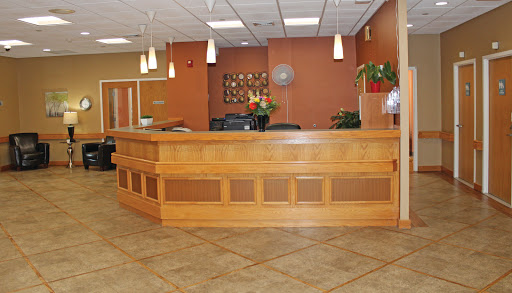
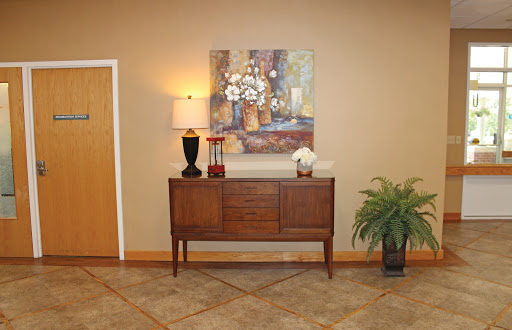
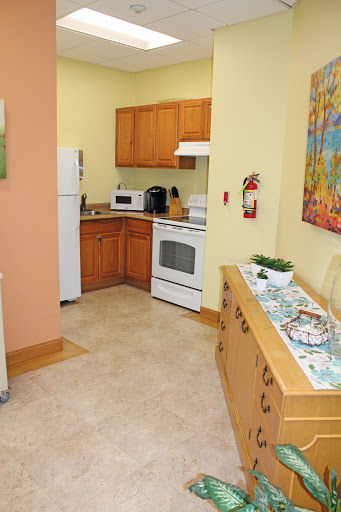
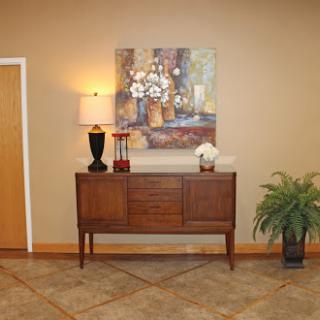
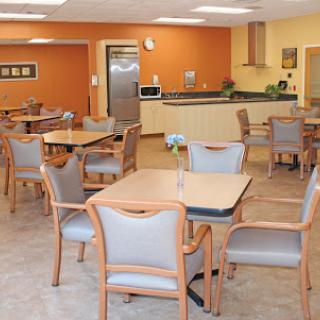
Orchard Grove Specialty Care Center in Uncasville is best suited for families pursuing short-term rehabilitation where proactive advocacy and hands-on involvement can drive meaningful progress. The facility presents as a clean, bright environment, and several residents and families report strong rehab-focused care, with physical therapy and wound-management efforts delivering real gains that enable discharge home. When care plans align with determined oversight from loved ones, staff who connect with residents, and a supportive nursing presence, promising rehabilitation trajectories are possible. This is not a universal long-term solution; it shines most for those with clear rehab goals who can participate actively in their own or their loved one’s care.
What demands caution are the recurring caution flags voiced in many reviews. A substantial number of critics describe persistent understaffing, uneven training, and variability in the quality of direct care. Complaints range from perceived neglect and inconsistent responsiveness to safety lapses, issues that matter most for residents who require constant monitoring or have higher medical needs. The spectrum of experiences is wide: some staff are praised as compassionate and capable, while others are labeled insufficient or inattentive. In this context, the center’s ability to deliver reliable daily care hinges on staffing levels and individual team members, not on a guaranteed baseline of care.
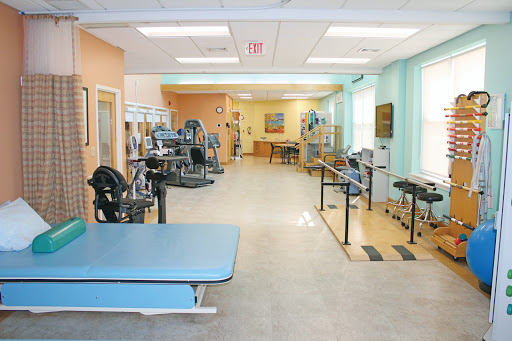
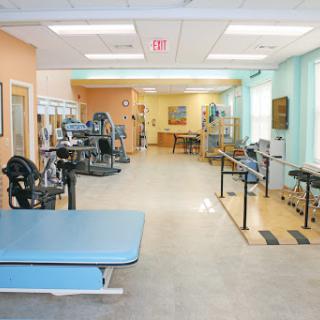
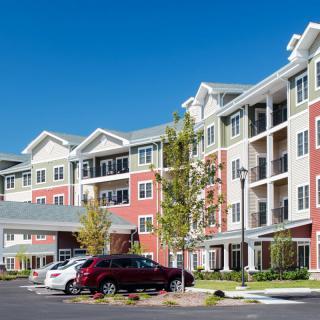
The core professional strengths lie in rehab-centric services and the dedicated individuals who deliver them. The PT/OT team is repeatedly highlighted as a standout asset, capable of advancing mobility and rehabilitation goals even when staffing is stretched. Several families applaud the wound-care expertise and the proactive, family-inclusive approach of certain nurses and aides. The facility’s atmosphere, cleanliness, a pleasant environment, and moments of genuine warmth from many caregivers, can enhance recovery when the care plan is actively followed. These advantages, however, are tempered by the reality that meaningful progress depends on consistent staff engagement and timely response to concerns.
Families evaluating Orchard Grove should demand transparency and demonstrate a plan for oversight. Key questions include real-time staffing levels across shifts, alarm usage for fall risks, sanitation procedures, and the handling of infection control and housekeeping issues. Request access to incident logs, recent survey results, and the administrator’s contact for ongoing concerns. Consider arranging a ride-along or shadow visit to observe care dynamics during a typical day, and speak directly with current residents and families about consistency of care, responsiveness, and safety. A formal plan for discharge readiness, medical follow-up, and post-acute support should be part of the decision-making conversation.
For residents whose needs skew toward rehabilitation and who can tolerate some variability in staffing, Orchard Grove offers tangible upside. Wound-care options and strong PT/OT services can translate into quicker functional gains and safer transitions back home. However, for those with chronic, high-acuity, or memory-care needs, or for families unwilling to navigate frequent staffing fluctuations and potential safety gaps, alternatives warrant serious consideration. The contrast between the хорошие, capable caregivers and the troubling reports of uneven care creates a risk–reward calculation that tilts in favor of choosing this center only when strong oversight and active family involvement are guaranteed.
Ultimately, the decision rests on tolerance for staffing variability and the primacy placed on rehab progress. If a plan hinges on aggressive physical rehabilitation, clear discharge targets, and ongoing family advocacy, Orchard Grove can be a practical choice with real upside. If the resident requires steady, high-touch, 24/7 oversight, or if the family cannot commit to rigorous monitoring and rapid escalation of concerns, pursuing alternatives with more consistent staffing and safety records is prudent. A disciplined, informed approach will determine whether Orchard Grove serves as a launchpad to independence or a learn-to-navigate-the-system experience that underscores the need for tighter safeguards elsewhere.
 130 resident community capacity
 Skilled Nursing Facility
 Air-conditioning
 Beauty salon
 Cable or satellite TV
 Computer center
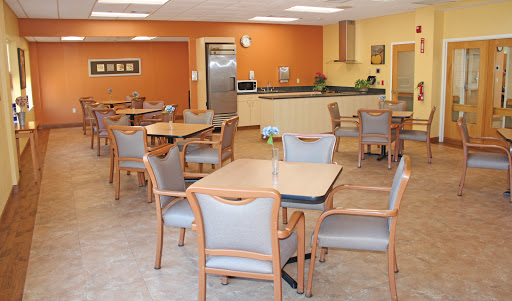
 Dining room
 Fitness room
 Fully furnished
 Gaming room
 Garden
 Housekeeping services
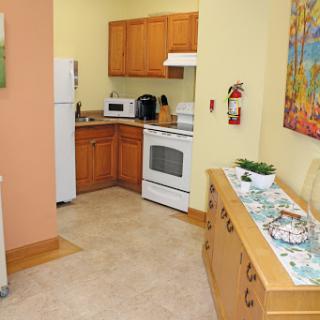
 Kitchenette
 Move-in coordination
 Outdoor space
 Private bathrooms
 Restaurant-style dining
 Small library
 Telephone
 Wellness center
 Wi-Fi/high-speed internet available
 Community operated transportation
 12-16 hour nursing
 24-hour call system
 Activities of daily living assistance
 Assistance with bathing
 Assistance with dressing
 Assistance with transfers
 Diabetes diet
 Medication management
 Mental wellness program
 Special dietary restrictions
 Concierge services
 Planned day trips


 Comprehensive Guide to Blood Pressure Charts for Older Adults: Understanding Normal and High Readings by Age
 Financing Long-Term Nursing Home Care Through Social Security: A Thorough Exploration
 Essential Knowledge on Pneumonia in Older Adults