
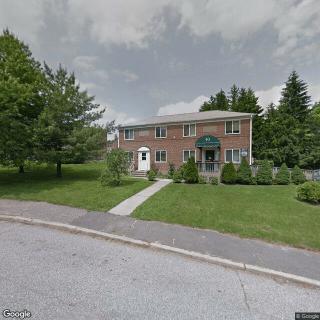
81 Hillside Avenue, Plymouth, CT 06782
For more information about senior living options: (866) 208-4318
Overall Review of Cook Willow Convalescent Hospi
Pros
 The staff were exceptional.
- The grandmother became more social and happier while there.
- The staff are really nice and caring.
- The home has a warm, homey atmosphere that welcomes families.
- The facility offers outings, music, and a small garden.
- The food is good and there are options, and the dining room is nice.
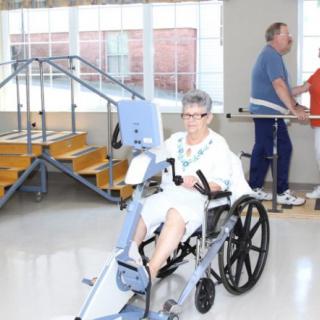
- The facility has a downstairs physical therapy room.
- The DNS Maureen is fantastic and provides relief to families.
- The place has improved greatly with remodeling and new CNAs.
Cons
 The hall TV was wicked loud and other patients tried to enter her room, and nothing was done.
 - Holidays showings where grandchildren were under the table during dinner put their mom at risk, and nothing was done to stop it.
- The facility failed to protect their family member’s safety; the care was not well done.
- Nicole hung up on callers twice and was rude on the phone.
- The staff did not finish conversations and hung up on callers.
- The place was run down and old, with not enough staff per patient ratio.
- The facility was dirty and dark.
- A commode was found covered in human waste.
- The facility had a below-average rating and had been fined twice.
- They warned others not to go there if they had any respect for their family member’s well-being.
Review
Cook Willow Convalescent Hospital in Plymouth, CT is best suited for families seeking a small, home-like setting where staff establish personal relationships and residents receive individualized attention. With roughly 60 beds, the community avoids the impersonal feeling of larger campuses and makes it feasible for families to stay engaged and for caregivers to know residents’ routines, preferences, and needs. The atmosphere often feels like a private home: a welcoming dining room, opportunities to take a loved one out for a meal or a breath of fresh air, and regular activities that reflect residents’ interests. In essence, this is a fit for seniors who value warmth, continuity of care, and a sense of being known more than high-tech amenities or corporate polish.
Those who require unwavering safety oversight, a larger, more resourced operation, or the latest design standards may want to consider alternatives. Several accounts describe concerns about staffing levels and responsiveness, with reports of delays in addressing urgent needs or insufficient supervision. Cleanliness and maintenance are flagged by some visitors, and a few families felt safety and privacy standards were not consistently upheld. For families prioritizing rigorous safety protocols, predictable operations, or a spotless, modern environment, it’s prudent to compare other options before committing.
The community’s strongest positives center on its intimate scale and the relationships it fosters. The compact setting allows aides and nurses to know residents by name and respond promptly, with care teams that can tailor routines to individual preferences. Families repeatedly praise the staff for kindness, patience, and a willingness to accommodate requests. The homey dining experience and the sense that residents can participate in outings or community events add social value that can offset occasional staffing strains. A downstairs physical therapy area, seasonal programming, and options that keep meals hot and enjoyable contribute practical, tangible benefits that many families prize. Remodeling and new CNAs have been cited as signs of ongoing improvement, reinforcing a trajectory toward higher quality.
Yet the negatives cannot be dismissed. Reported experiences include moments of disorganization and lapses in safety, situations where a crisis around personal safety felt mishandled, or where a patient’s dignity and privacy seemed compromised. Several reviews describe a run-down feel or insufficient staffing, which can translate into slower responses or less supervision than desired. Interactions with front-line staff can appear brusque or busy, and there are anecdotes about maintenance or housekeeping gaps that raise legitimate concerns for prospective residents. These are not minor irritants; they point to real risk areas that require proactive due diligence by families.
To decide with confidence, prospective families should demand a clear, up-to-date picture of operations. Schedule an in-person tour focused on observation: watch how aides interact with residents, how nurses respond to call bells, and how meals and activities are managed. Ask for the current staffing schedule, including CNA coverage and on-site supervision, and request recent health inspection findings and any corrective action plans. Inspect rooms, common areas, and the therapy space; sample a meal; inquire about fall-prevention practices and incident reporting. Speak with a few current residents or family members about consistency of care and communication; gauge whether calls and updates are timely and respectful.
Ultimately, Cook Willow is a pragmatic choice for families valuing a close-knit, homey environment with accessible staff and meaningful social programming. The community shines when personalization and family involvement are prioritized, and when remodeling advances concrete improvements in care delivery. The caveat is a genuine need to monitor staffing adequacy, safety practices, and upkeep; without vigilant oversight, the cons can blunt the advantages. If safety reliability, transparent communication, and modern, well-maintained facilities are non-negotiable, alternatives within the region should be compared to avoid trading one set of compromises for another.
 60 resident community capacity
 Skilled Nursing Facility
 Air-conditioning
 Beauty salon
 Cable or satellite TV
 Computer center
 Dining room
 Fitness room
 Fully furnished
 Gaming room
 Garden
 Housekeeping services
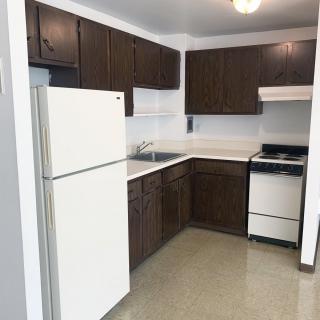
 Kitchenette
 Move-in coordination
 Outdoor space
 Private bathrooms
 Restaurant-style dining
 Small library
 Telephone
 Wellness center
 Wi-Fi/high-speed internet available
 Community operated transportation
 12-16 hour nursing
 24-hour call system
 Activities of daily living assistance
 Assistance with bathing
 Assistance with dressing
 Assistance with transfers
 Diabetes diet
 Medication management
 Mental wellness program
 Special dietary restrictions
 Concierge services
 Planned day trips




 Understanding Hospice Care at Home: Comprehensive Services, Key Benefits, and Eligibility
 Understanding the Full Cost of 24/7 In-Home Care: A Detailed Overview
 Exploring the World of Home Health Nurses: Qualifications, Roles, and Hiring Tips