Cheshire Regional Rehab Center in Cheshire, CT

Save

Cheshire Regional Rehab Center in Cheshire, CT

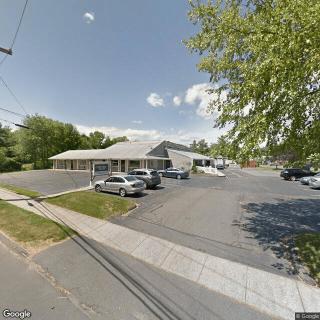
745 Highland Avenue, Cheshire, CT 06410

For more information about senior living options: (844) 490-3973

3.7 from 61 reviews
5 stars
34
4 stars
5
3 stars
7
2 stars
1
1 stars
14

Skilled Nursing Facility

Overall Review of Cheshire Regional Rehab Center

Pros

  • pro The staff are friendly, attentive, and welcoming.
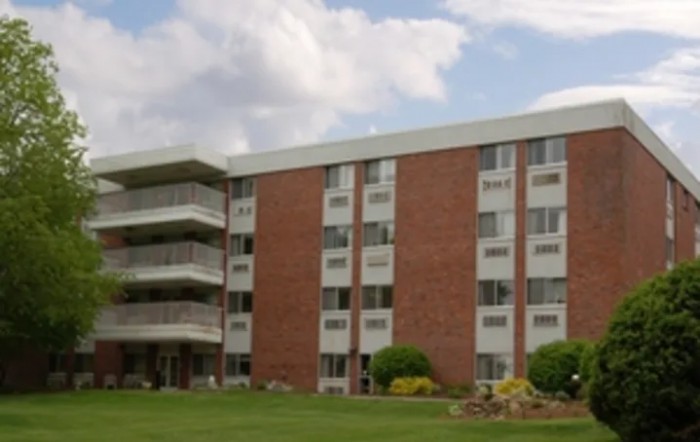
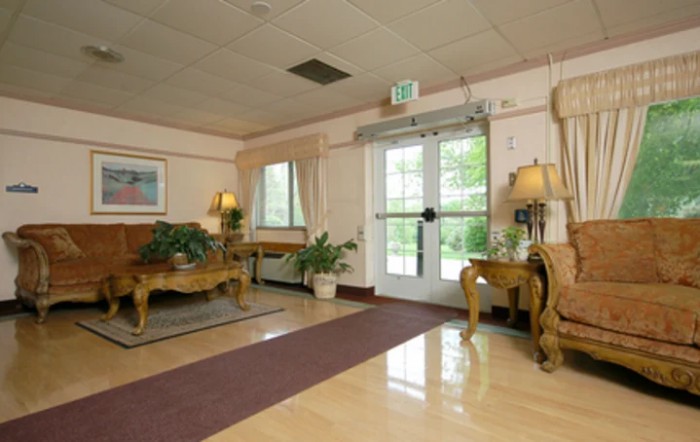
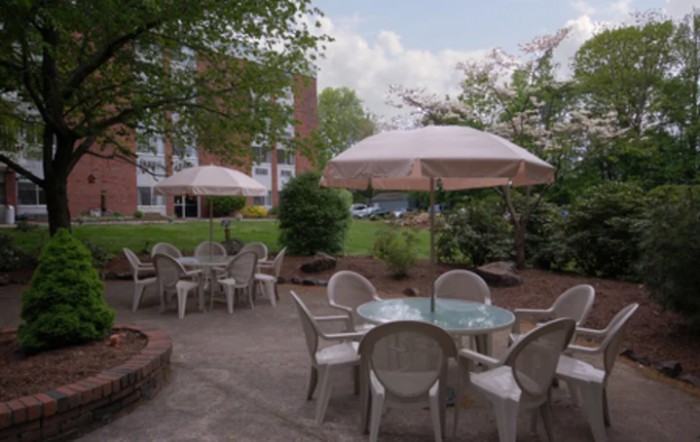
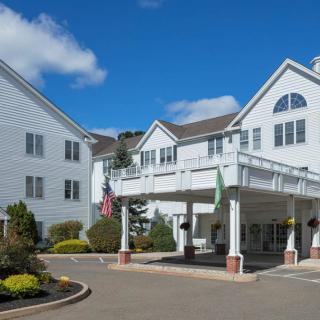
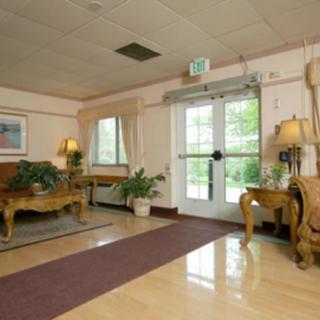
  • pro The facility is clean, well-maintained, and has a homelike feel.
  • pro The meals are served warm and staff are accommodating to residents' preferences.
  • pro The physical therapy team is excellent and dedicated to helping residents improve.
  • pro Families describe the care as wonderful and the environment as supportive and caring.
  • pro The recreation and activities staff keep residents engaged with enjoyable events.
  • pro Administration and front desk staff are courteous, organized, and helpful.
  • pro The center is described as a blessing and feels more like a community than a facility.
  • pro The grounds are pleasant and the building is updated, contributing to a positive experience.
  • pro Overall, families would strongly recommend Civita/Civita Cheshire.

Cons

  • pro This place is run by complete unprofessionals.
  • pro The facility is far from nice; it is run down and disgusting.
  • pro The staff cannot provide basic human care.
  • pro Residents have sat in dirty dippers for weeks, leading to infections.
  • pro Don't send your family here.
  • pro The direct-care staff were extremely rude, slow and uncaring.
  • pro The rooms smelled strongly of urine and feces.
  • pro The food is absolutely disgusting.

Review

Cheshire Regional Rehab Center is best suited for families that prioritize a strong, results-focused rehab program and a social, community-like atmosphere where dedicated therapists and nursing staff can drive measurable recovery in a relatively short stay. It can work well for post-acute rehab, short-term recovery after surgery, and situations where daily therapy and structured activities are valued. Those who want a consistently pristine environment, absolute uniformity in care across shifts, or unwavering 24/7 safety oversight may want to look elsewhere. For families with especially high expectations around flawless cleanliness, meticulous supervision, and zero risk of neglect, alternatives should be seriously considered.

The most compelling positives center on rehabilitation leadership. The PT team is repeatedly praised for their grit, persistence, and hands-on approach, with therapists described as "awesome" and "helpful" in pushing residents toward real improvement. Nursing and aide staff are frequently cited as caring and attentive, with stories of nurses coordinating care, overseeing wound treatment, and supporting residents through complex recoveries. The facility's environment in several accounts feels welcoming and home-like, and activity staff can deliver meaningful programming that keeps residents socially engaged and mentally stimulated. When care flows smoothly, residents report feeling understood, supported, and prepared for transitions back home.

Yet the praise is tempered by a substantial chorus of serious concerns from others. A sizable share of reviews allege conditions that are at odds with the best-in-class rehab story: cleanliness and odor issues, rooms described as dirty or cluttered, and patients left waiting for attention or basic care. There are repeated murmurs of communication gaps - missed call buttons, inconsistent information, and delays in relaying important medical updates to families. Some accounts recount troubling experiences around meds, infections, or even accusations of neglect and mistreatment, with several remarks from families who deeply regretted the placement. Taken together, these reports create a real warning for anyone who cannot tolerate even a small risk of systemic care lapses.

The core pros - robust rehabilitation, attentive nursing support, and a genuine sense of community - do offset the cons only for a subset of families with strong risk tolerance and clear expectations. For residents whose recovery hinges on disciplined therapy and daily structured activities, the meaningful gains in mobility and independence can justify the potential downsides. Families that successfully navigate through the inconsistencies often point to the care team's willingness to go the extra mile, the warmth of front-desk and administrative interactions when functioning well, and the overall atmosphere that can lift spirits during a challenging rehab journey. In such cases, the positives can feel decisive.

However, those considering this community should be prepared to confront notable red flags. If a loved one requires near-perfect reliability in call-bell responsiveness, a consistently sanitized environment, and a consistently low-noise, high-control setting, alternatives are likely to perform better. If stories of poor meals, limited culinary variety, or flavorless dining options are a deal-breaker, this will be a recurring theme in the experience. Likewise, if reputational issues around safety, personal belongings, or disrespectful staff interactions are intolerable, it becomes essential to look for facilities with more consistent performance metrics and transparent accountability.

Practical next steps for families weighing Cheshire Regional Rehab Center include prioritizing a candid on-site assessment. Schedule discussions with the rehab director, the nursing leadership, and several frontline therapists to gauge consistency across shifts. Ask for recent quality metrics, infection control outcomes, and specific examples of how concerns raised in reviews have been addressed. Visit at different times, including evenings and weekends, to observe staff responsiveness, activity programming, and the overall cadence of care. Speak with current residents and families about their daily experiences and any changes in management or programming. In the end, the decision hinges on whether the anticipated rehab progress and community feel outweigh the potential risks of care gaps and inconsistency. For some families, this center delivers a recovery-forward path with a welcoming atmosphere; for others, safer, more consistently managed options will deliver greater peace of mind.

Features

Housing

  • 120 resident community capacity 120 resident community capacity

Types of Care

  • Skilled Nursing Facility Skilled Nursing FacilitySkilled Nursing Facilities are crucial for seniors as they provide round-the-clock medical care, rehabilitation services, and assistance with daily activities. These facilities ensure that seniors receive the specialized care they need to maintain their health and well-being as they age.

Amenities

  • Air-conditioning Air-conditioningAir conditioning is important for seniors as they are more vulnerable to heat-related illnesses and may have underlying health conditions that make it difficult for them to regulate their body temperature. It helps to keep them comfortable, safe, and healthy in hot weather.
  • Beauty salon Beauty salonBeauty salons are important for seniors because they provide a space for them to feel pampered, socialize, and maintain their personal grooming and hygiene. Regular visits to a beauty salon can help boost seniors' self-esteem and overall well-being.
  • Cable or satellite TV Cable or satellite TVCable or satellite TV is important for seniors because it provides entertainment, news, and companionship, helping to combat loneliness and boredom. It also offers a wide range of programming options tailored to different interests and preferences.
  • Computer center Computer centerA computer center is essential for seniors as it provides access to technology, communication tools, and resources that can enhance their daily lives. It allows them to stay connected with loved ones, engage in online activities, and learn new skills, ultimately promoting socialization and mental stimulation.
  • Dining room Dining roomDining rooms are important for seniors as they provide a space for socialization, connection, and nutritious meals. They offer opportunities for residents to bond over shared meals, foster a sense of community, and promote healthy eating habits. Dining rooms also ensure that seniors have access to well-balanced meals tailored to their dietary needs and preferences.
  • Fitness room Fitness roomHaving a fitness room in a senior living community is essential for seniors to stay active, maintain their physical health, and improve their overall well-being. Regular exercise can help prevent falls, reduce the risk of chronic diseases, and promote mental sharpness. It also provides social opportunities for residents to connect with others and enjoy a sense of community.
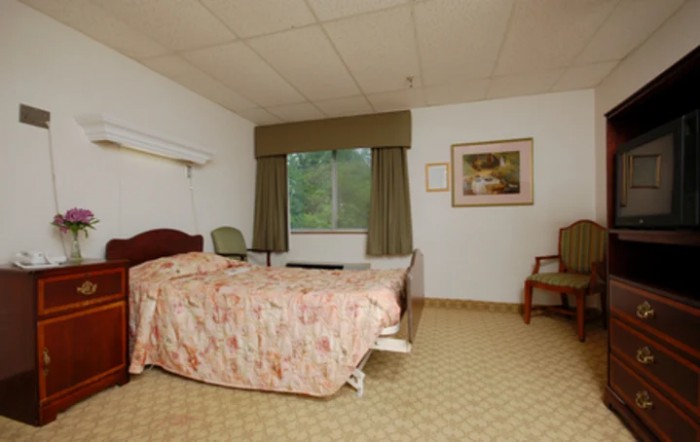
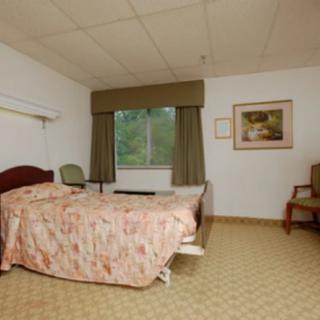
  • Fully furnished Fully furnishedFully furnished senior living communities are important for seniors because they provide convenience, comfort, and a hassle-free moving experience. Seniors can easily settle into their new living space without the stress of having to buy and move furniture. This allows them to focus on enjoying their new home and community.
  • Gaming room Gaming roomGaming rooms are important for seniors as they provide a fun and engaging environment for socializing, cognitive stimulation, and physical activity. Games can improve memory, problem-solving skills, and overall mental well-being while fostering friendships and reducing feelings of isolation.
  • Garden GardenGardens are important for seniors as they provide a peaceful and therapeutic environment for relaxation, physical activity, and socialization. Being in nature has been shown to reduce stress, improve mood, and promote overall well-being. Gardens also offer opportunities for seniors to engage in gardening activities, which can improve mobility, flexibility, and cognitive function. Additionally, gardens create a sense of community and connection with others who share a passion for plants and outdoor spaces.
  • Housekeeping services Housekeeping servicesHousekeeping services are important for seniors because they help maintain a clean and safe living environment, promote independence, and reduce the risk of accidents or illnesses. Additionally, having assistance with household chores can alleviate physical strain and allow seniors to focus on other aspects of their well-being.
  • Kitchenette KitchenetteKitchenettes are important for seniors living in senior living communities because they provide the convenience and independence of being able to prepare simple meals and snacks in the comfort of their own living space. This can help promote a sense of autonomy and well-being for seniors, allowing them to maintain some level of control over their dietary choices and daily routines.
  • Move-in coordination Move-in coordinationMove-in coordination is important for seniors because it helps ease the transition into their new living environment. It ensures that all logistics, such as packing, organizing movers, and setting up utilities are taken care of, allowing seniors to focus on settling in and adjusting to their new home. Having a smooth move-in process can alleviate stress and anxiety, making the transition smoother and more enjoyable for seniors.
  • Outdoor space Outdoor spaceOutdoor spaces are important for seniors as they provide opportunities for physical activity, social interaction, exposure to natural light and fresh air, and a sense of connection to nature. Having access to outdoor spaces can improve overall well-being and quality of life for older adults living in senior communities.
  • Private bathrooms Private bathroomsPrivate bathrooms are important for seniors in senior living communities because they provide independence, dignity, and comfort. Having a private bathroom allows seniors to maintain their personal hygiene routines without the need for assistance, promoting a sense of autonomy and privacy. Additionally, private bathrooms help prevent the spread of infections and provide a safe and clean environment for seniors to navigate safely.
  • Restaurant-style dining Restaurant-style diningRestaurant-style dining is important for seniors because it allows them to enjoy delicious, nutritious meals in a social and upscale setting. This enhances their dining experience, promotes healthy eating habits, and fosters socialization with fellow residents, ultimately contributing to their overall well-being and quality of life.
  • Small library Small librarySmall libraries are important for seniors as they provide access to a variety of reading materials, including books, newspapers, and magazines. This can help stimulate their minds, keep them engaged, and provide a sense of community through book clubs and other social activities. Additionally, reading has been shown to improve cognitive function and overall mental well-being in older adults.
  • Telephone TelephoneTelephones are important for seniors as they provide a lifeline for communication with loved ones, emergency services, and healthcare providers. They offer a sense of security and independence, enabling seniors to stay connected and access assistance when needed.
  • Wellness center Wellness centerWellness centers are important for seniors because they offer a variety of programs and services that promote physical, mental, and emotional well-being. These centers provide opportunities for exercise, socialization, education, and relaxation, helping seniors maintain their overall health and quality of life.
  • Wi-Fi/high-speed internet available Wi-Fi/high-speed internet availableWi-Fi/high-speed internet is important for seniors to stay connected with loved ones, access online resources, and participate in virtual activities to combat feelings of loneliness and isolation. It also allows them to easily manage healthcare needs, access entertainment, and engage in lifelong learning opportunities.

Transportation

  • Community operated transportation Community operated transportationCommunity operated transportation is crucial for seniors as it provides them with the means to access essential services, social activities, and medical appointments. It allows seniors to maintain their independence and quality of life by ensuring they can participate in activities outside of their homes. Additionally, community-operated transportation services offer a safe and reliable way for seniors to travel without having to rely on family or friends for assistance.
  • Transportation arrangement Transportation arrangementTransportation arrangements are crucial for seniors as they may face challenges with driving, mobility, or access to public transportation. Having reliable transportation services ensures that seniors can easily attend appointments, social activities, and maintain their independence and quality of life.
  • Transportation arrangement (non-medical) Transportation arrangement (non-medical)Transportation arrangements are essential for seniors as they provide access to essential services, activities, and social interactions outside the home. This service helps maintain independence, mobility, and overall well-being for seniors who may have limited transportation options.
  • Transportation to doctors appointments Transportation to doctors appointmentsTransportation to doctors appointments is crucial for seniors as it ensures they have access to necessary medical care and support, promoting their health and well-being. It allows them to receive timely treatment, monitor existing conditions, and address any new health concerns efficiently. Additionally, transportation services can help seniors maintain their independence and quality of life by enabling them to stay connected with their healthcare providers.

Care Services

  • 12-16 hour nursing 12-16 hour nursing12-16 hour nursing care is crucial for seniors in order to ensure around-the-clock monitoring, timely medication administration, and prompt response to any health concerns or emergencies. This level of care helps to promote the overall well-being and safety of seniors living in senior living communities.
  • 24-hour call system 24-hour call system24-hour call systems are important for seniors because they provide peace of mind and immediate assistance in case of emergencies. This technology ensures that help is always available, promoting safety and security for elderly individuals living alone or in assisted living facilities.
  • 24-hour supervision 24-hour supervision24-hour supervision is important for seniors to ensure their safety, well-being, and access to immediate assistance in case of emergencies or health issues. This constant support provides peace of mind for both seniors and their loved ones, allowing them to age in place with dignity and security.
  • Activities of daily living assistance Activities of daily living assistanceActivities of daily living assistance are important for seniors because they provide essential support with tasks such as eating, bathing, dressing, and mobility. This assistance helps seniors maintain their independence, dignity, and overall quality of life as they age.
  • Assistance with bathing Assistance with bathingAssistance with bathing is crucial for seniors as it helps maintain personal hygiene, prevents infections, and ensures their overall well-being and comfort. It also provides a sense of dignity and independence for seniors who may struggle with this task on their own.
  • Assistance with dressing Assistance with dressingAssistance with dressing is important for seniors because it helps maintain their independence, promotes personal hygiene, prevents accidents and injuries, and improves overall quality of life. This service ensures that seniors can continue to dress comfortably and confidently, despite any physical limitations they may have.
  • Assistance with transfers Assistance with transfersAssistance with transfers is crucial for seniors as it helps prevent falls and injuries, maintains their independence, and ensures they can safely navigate their living environment. It also provides peace of mind for both seniors and their loved ones.
  • Diabetes diet Diabetes dietA diabetes diet is crucial for seniors as it helps manage blood sugar levels, reduce risks of complications, and improve overall health and well-being. By following a balanced and nutritious diet tailored to their specific needs, seniors can better control their diabetes and enhance their quality of life.
  • Meal preparation and service Meal preparation and serviceMeal preparation and service are crucial for seniors as they may have limited mobility or energy to cook nutritious meals. Having access to healthy and convenient food options can ensure they are getting the proper nutrition needed to maintain their overall health and well-being.
  • Medication management Medication managementMedication management is crucial for seniors to ensure they are taking the right medications at the correct dosages and times. This helps prevent adverse drug interactions, reduces the risk of medication errors, and promotes overall health and well-being. Proactive management also allows for adjustments as needed based on changing health conditions or new prescriptions.
  • Mental wellness program Mental wellness programMental wellness programs are essential for seniors as they promote cognitive stimulation, emotional support, and social engagement. These programs help prevent isolation, depression, and cognitive decline, ultimately enhancing the overall quality of life for older adults.
  • Special dietary restrictions Special dietary restrictionsSpecial dietary restrictions are important for seniors because age-related changes in metabolism and health conditions can make it difficult for their bodies to process certain foods. By following a diet tailored to their specific needs, seniors can maintain their overall health and well-being, manage chronic conditions, and reduce the risk of complications such as malnutrition or food interactions with medications.

Dining

  • Diabetes diet Diabetes dietA diabetes diet is crucial for seniors as it helps manage blood sugar levels, reduce risks of complications, and improve overall health and well-being. By following a balanced and nutritious diet tailored to their specific needs, seniors can better control their diabetes and enhance their quality of life.
  • Special dietary restrictions Special dietary restrictionsSpecial dietary restrictions are important for seniors because age-related changes in metabolism and health conditions can make it difficult for their bodies to process certain foods. By following a diet tailored to their specific needs, seniors can maintain their overall health and well-being, manage chronic conditions, and reduce the risk of complications such as malnutrition or food interactions with medications.

Activities

  • Community-sponsored activities Community-sponsored activitiesCommunity-sponsored activities are important for seniors as they provide opportunities for social interaction, mental stimulation, and physical activity. These activities can help improve overall well-being, combat loneliness and isolation, and promote a sense of belonging and purpose among older adults.
  • Concierge services Concierge servicesConcierge services are essential for seniors as they provide assistance with daily tasks and errands, enhance their quality of life by offering convenience and personalized care, and promote a sense of safety and security.
  • Fitness programs Fitness programsFitness programs are crucial for seniors as they help improve strength, flexibility, balance, and overall well-being. Staying active can reduce the risk of chronic diseases, improve mental health, and enhance quality of life in older adults.
  • Planned day trips Planned day tripsPlanned day trips are important for seniors because they offer opportunities for socialization, mental stimulation, and physical activity. They provide a change of scenery and help seniors stay engaged and connected to their community, promoting overall well-being and quality of life.
  • Resident-run activities Resident-run activitiesResident-run activities are important for seniors as they encourage social interaction, creativity, and a sense of autonomy. These activities empower seniors to stay engaged and active in their community while fostering meaningful connections with their peers.
  • Scheduled daily activities Scheduled daily activitiesScheduled daily activities are important for seniors because they provide structure, socialization, mental stimulation, and physical activity. Engaging in regular activities can improve overall well-being and quality of life for seniors living in a community setting.

Description

Cheshire Regional Rehab Center is a premier assisted living community located in Cheshire, CT. Our residents enjoy a wide range of amenities and care services designed to enhance their quality of life.

For our residents' convenience and comfort, we offer a beauty salon, cable or satellite TV, and fully furnished accommodations. Our community operated transportation ensures that residents can easily access nearby locations such as cafes, parks, pharmacies, physicians, restaurants, theaters, and hospitals. We also provide transportation arrangements for non-medical purposes and doctors' appointments.

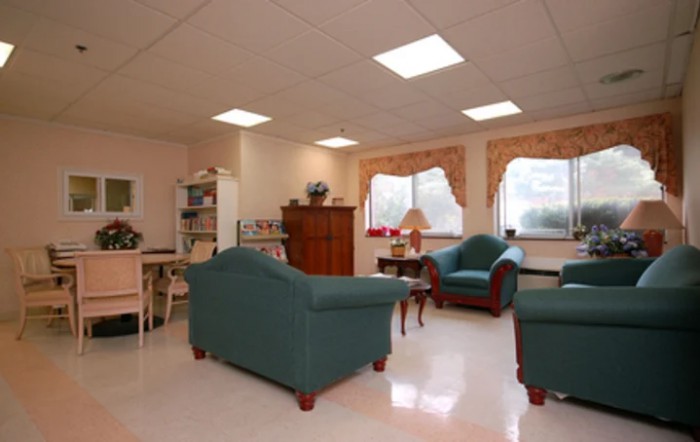
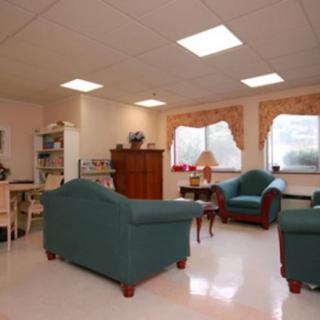
Our residents have access to various common areas including a fitness room, gaming room, small library, and outdoor space. They can relax in our garden or socialize in the dining room while enjoying restaurant-style dining with special dietary restrictions catered to their needs. Wi-Fi/high-speed internet is available throughout the facility for connectivity.

We prioritize our residents' well-being by offering 24-hour call system and supervision. Our trained staff provides assistance with daily activities such as bathing, dressing, transfers, and meal preparation. Medication management is also provided to ensure the proper administration of medications. Additionally, we have mental wellness programs in place to support our residents' emotional health.

To keep our residents active and engaged, we offer concierge services and scheduled daily activities including fitness programs. Planned day trips are organized for them to explore the surrounding areas. Moreover, our resident-run activities empower individuals to create their own social events within the community.

At Cheshire Regional Rehab Center, we strive to provide a comfortable living environment where our residents can receive individualized care tailored to their specific needs while enjoying an active and fulfilling lifestyle.

Nearby Places of Interest

Pharmacies

  • CVS Pharmacy (0.3 miles)
  • CVS Pharmacy (2.6 miles)
  • Health Mart Pharmacy (4.9 miles)
  • CVS Pharmacy (5.2 miles)
  • CVS Pharmacy (5.2 miles)
  • Walgreens (5.3 miles)
  • CVS Pharmacy (5.4 miles)

Restaurants

  • Senor Pancho's of Prospect (2.2 miles)
  • Viron Rondo Osteria (2.3 miles)
  • McDonald's (2.5 miles)
  • Arby's (3.4 miles)
  • New Mill Restaurant (3.8 miles)
  • Sweet Mia's (4 miles)
  • Double Play Cafe (4.6 miles)

Physicians

  • MyEyeDr (2.4 miles)
  • Dr Francescon's Office (4.7 miles)
  • Masonic Health Center (4.9 miles)
  • Hartford HealthCare Medical Group (5.3 miles)
  • The Women's Center Of Southern New England (5.3 miles)
  • Connecticut Orthopaedics (5.4 miles)
  • Walmart Garden Center (5.4 miles)

Cafes

  • Starbucks (2.7 miles)
  • Starbucks (5.2 miles)
  • Starbucks (8.1 miles)

Parks

  • Lock 12 Historical Park (3.1 miles)
  • Hubbard Park (4 miles)
  • Washington Park (6.2 miles)
  • Bucks Hill Park (8.3 miles)

Theaters

  • AMC Starplex Cinemas Southington 12 (3.3 miles)

Hospitals

  • Gaylord Specialty Healthcare/Gaylord Hospital (3.8 miles)
  • Hospital Of Central Connecticut At Bradley Memorial (5.5 miles)
  • MidState Medical Center (5.5 miles)
  • Family Birthing Center (5.5 miles)
  • Saint Mary's Health System Affiliates (7 miles)
  • Saint Mary's Hospital (7.5 miles)
  • Naugatuck Valley Surgery Center (8.9 miles)

Frequently Asked Questions

Where is Cheshire Regional Rehab Center?
What photos are available for Cheshire Regional Rehab Center in Cheshire, Connecticut?

Nearby Communities

  • Marbridge Retirement Center

    Marbridge Retirement Center

    Cheshire, CT

    4.4 from 22 reviews
    $3,600 to $4,500 / month

    pro Upscale, well-maintained facility with attentive staff and strong dining/activities.

  • T & S Home Care Agency LLC

    T & S Home Care Agency LLC

    Cheshire, CT


    pro Nearby amenities and healthcare access

  • Castle Heights of Cheshire

    Castle Heights of Cheshire

    Cheshire, CT

    4.8 from 12 reviews
     

    pro Personalized care with meal prep and medication management.

  • Crestwood II Apartments

    Crestwood II Apartments

    Meriden, CT

     
    $740 to $895 / month

    pro Very affordable rents for 1BR/2BR relative to county/state averages; easy access to cafes, parks, pharmacies, physicians, restaurants, theaters, and hospitals.

  • The Residence at Elim Park

    The Residence at Elim Park

    Cheshire, CT

    4 from 1 review
    $7,110 to $7,710 / month

    pro Well-maintained community with extensive amenities and engaging activities.

  • Elim Park Place

    Elim Park Place

    Cheshire, CT


    pro Comprehensive CCRC with 24/7 supervision and nursing, plus extensive amenities (dining, wellness center, transportation, housekeeping, private bathrooms).

  • Mulberry Gardens of Southington

    Mulberry Gardens of Southington

    Plantsville, CT

    4.3 from 66 reviews
    $4,200 to $5,595 / month

    pro Warm, welcoming environment with attentive staff and engaging activities; personalized, home-like apartments.

  • Masonicare at Ashlar Village

    Masonicare at Ashlar Village

    Wallingford, CT

    4.2 from 28 reviews
    $3,625 to $6,197 / month

    pro Well-maintained, amenity-rich community with friendly staff and diverse activities.

  • The Village At East Farms

    The Village At East Farms

    Waterbury, CT

    4.4 from 106 reviews
    $4,100 to $7,250 / month

    pro Caring, friendly staff in a clean, engaging community with varied activities.

Related Resources

  • what is home health careUnderstanding Home Health Care: A Comprehensive Guide

    Home health care has become essential for supporting independence among the aging population, offering diverse services such as skilled nursing and rehabilitation in familiar environments, while also incorporating technology for personalized care. Despite its benefits, including improved recovery rates and emotional well-being, challenges like safety, staff availability, and insurance navigation must be managed for effective implementation.

  • what is home health careHome Health Care Demystified: A Comprehensive Guide for Families and Caregivers

    Home health care offers a range of clinical services provided in a patient's home, including nursing and therapy, tailored to individual needs, particularly for aging seniors with chronic conditions. This approach enhances patient independence, promotes better disease management, and utilizes technology for real-time monitoring while fostering collaboration among healthcare providers and family members.

  • uber for seniorsSeniors and Modern Transportation: Exploring Uber, Lyft, and Other Ride-Hailing Options
    Seniors benefit from ride-hailing services like Uber and Lyft, which provide convenient and accessible transportation options that promote independence and social engagement, while addressing mobility challenges. These platforms have adapted to meet senior needs with user-friendly features and safety measures, although costs can be a concern; community programs may help subsidize rides for older adults.