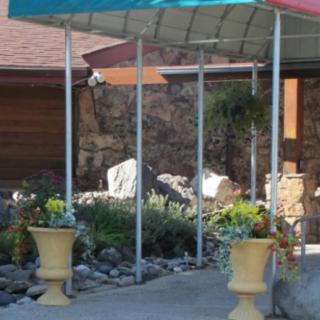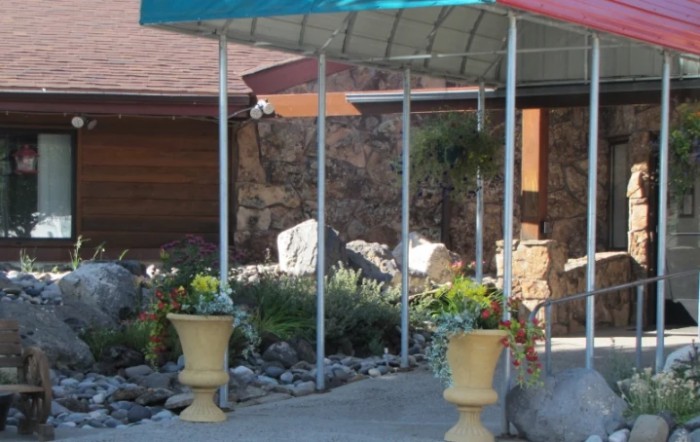
1625 Meadowbrook Boulevard, Paonia, CO 81428
For more information about senior living options: (866) 208-4318
Overall Review of Paonia Care And Rehabilitation Center
Pros
 The staff made Aunt Opal feel loved and encouraged her to use her brilliant mind.
- Aunt Opal lived to 105, a testament to the care she received.
- The facility offers wonderful new services and benefits from strong leadership and staff.
- Great leadership runs the facility, and the staff care and are always looking to improve.
- The staff are very caring, welcoming, and keep residents safe and settled.
- The caregivers were kind and accommodating to visiting families, and kept them informed.
- They took great care of residents, making them feel comfortable and at ease.
Cons
 A reviewer described nursing homes as factories shuffling old people off into the beyond and criticized them as profit-driven rather than care-focused.
- They noted a tension between underpaid local staff and upper-management obsessed with the bottom line.
- They claimed the facility neglected their mother-in-law, which contributed to her death, and reported missing personal property.
- They observed that influenza cases easily spread through the facility, indicating weak infection control.
- They alleged that staff advised families against hospitalizing a relative when it was imperative.
Review
This community is best suited for families seeking a warm, engaged environment where staff form real connections with residents who need long-term care or memory support. It works well for seniors whose loved ones value hands-on caregiving, daily reassurance, and easy opportunities for family involvement, meals with a parent, regular check-ins, and visible staff who actively work to keep a resident mentally and socially engaged. The strongest fit emerges for those navigating dementia or terminal illness, where a cohesive team and steady daytime routines translate into a sense of safety and dignity. The leadership’s emphasis on fresh services and a reform-minded approach signals a setting where residents are treated as people with histories, not as tasks to complete.
For families weighing options, this community may warrant alternatives if the primary concern is consistent, independently verifiable oversight or a reserve of robust safeguards against lapses in care. One reviewer voiced a grave caution about neglect and an abrupt hospital decision, underscoring the real fear some families carry about losing control over medical judgments or essential personal belongings. Another account describes property mishap and a sharp critique of how care decisions can be framed, raising questions about accountability and transparency. Those who cannot tolerate even the appearance of mismanagement, or who require a level of operational certainty beyond what is typical for a mid-size facility, should comparatively vet other options, especially facilities with longer local ownership ties, clearer incident reporting, and stronger preventative controls.
The facility’s core strengths, genuine, attentive caregiving, a reputation for safe and settled residents, and a leadership team that is said to care deeply and pursue improvement, do offset many of the concerns raised. Families consistently highlight how staff welcome visitors, keep residents clean and comfortable, and communicate about changes in a timely manner. The ability to dine with a loved one and to know that care decisions are made with family input matters, particularly for those managing memory impairment or end-of-life considerations. When leadership is actively pursuing better services and staff development, the risk of a purely transactional atmosphere diminishes, and the daily lived experience of residents tends to improve.
Staff culture and leadership emerge as the pivotal shaping forces here. Several reviews celebrate “great leadership” and people who genuinely care enough to look for better ways to serve residents. In practice, that translates to a facility where caregivers are encouraged to grow, where new services prove useful, and where families feel their voices are heard. Yet the tension between a facility’s service mission and the structural pressures of operating a care-centric organization is not imagined. The most critical line of sight for families is whether the administration translates intent into consistent, observable improvements, such as timely updates, transparent care planning, and reliable hospital transfer processes, rather than leaving families guessing about next steps.
On the resident-level experience, Paonia Care delivers a pattern of positive encounters across multiple cases. Aunt Opal’s story is emblematic: a resident who remained mentally engaged and felt cared for, with staff who encouraged her continued use of her intellect even in advanced age. A son’s reflection about his father with dementia notes safety and a welcoming environment that allowed him to settle in comfortably. The recurring theme is that when staff members treat residents with warmth, preserve their dignity, and maintain predictable routines, families feel confident about daily quality of life. The strongest cautionary shows a stark contrast: where neglect or mismanagement is alleged, the emotional toll is severe and not easily dismissed. Weighing these extremes, the balance tends to tilt in favor of Paonia’s everyday strengths for most families, but not for those whose risk tolerance is exceptionally low or whose trust in the system has already been breached elsewhere.
For families making a concrete decision, the prudent path is a structured, inquisitive one. Schedule an in-person tour focused on day-to-day cadence: caregiver-to-resident ratios during peak hours, how shifts are staffed, and how transitions to hospital care are managed. Request to see current care plans, medication management practices, and a written policy on safeguarding residents’ personal belongings. Probe the administration about property accountability and incident reporting, especially in light of the more serious concerns raised in some reviews. Speak with current residents and visiting family members when possible to gauge the consistency of communication and the felt tone of the environment. If Paonia aligns with the family’s risk tolerance and desire for engaged, compassionate care, with a clarified assurance framework around oversight and hospital transfers, it stands as a strong, practical option. If not, these exact questions will quickly separate compelling, well-supported care from settings that share the same, hard-to-ignore cautions.
 60 resident community capacity
 Skilled Nursing Facility
 Air-conditioning
 Beauty salon
 Cable or satellite TV
 Computer center
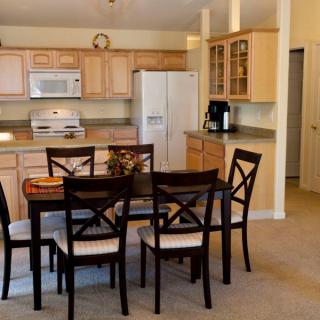
 Dining room
 Fitness room
 Fully furnished
 Gaming room
 Garden
 Housekeeping services
 Kitchenette
 Move-in coordination
 Outdoor space
 Private bathrooms
 Restaurant-style dining
 Small library
 Telephone
 Wellness center
 Wi-Fi/high-speed internet available
 Community operated transportation
 12-16 hour nursing
 24-hour call system
 Activities of daily living assistance
 Assistance with bathing
 Assistance with dressing
 Assistance with transfers
 Diabetes diet
 Medication management
 Mental wellness program
 Special dietary restrictions
 Concierge services
 Planned day trips



 Top Canine Companions for Older Adults
 Comprehensive Guide to Blood Pressure Charts for Older Adults: Understanding Normal and High Readings by Age
 Financing Long-Term Nursing Home Care Through Social Security: A Thorough Exploration