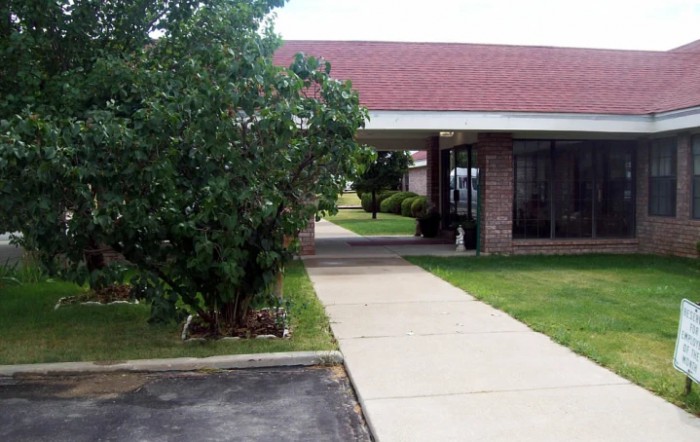
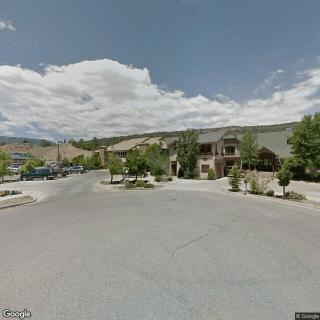
211 3Rd Avenue, Mancos, CO 81328
For more information about senior living options: (866) 208-4318
Overall Review of The Valley Inn
Pros
 The staff are great and caring.
- The facility is well run.
- Residents are happy.
Review
The Valley Inn in Mancos, CO is best suited for seniors who want a small, intimate assisted-living setting where staff know residents well, routines stay steady, and daily life centers on warmth and engagement. The community’s strongest signal is a caring, hands-on staff, paired with a well-run operation and residents who appear happy. Therapy-dog visits illustrate a genuine emphasis on social connection and emotional well-being, not just basic care. This environment works well for individuals who value personal attention, a calm pace, and accessible, day-to-day support. Those needing extensive medical oversight, rapid escalation of skilled nursing, or specialized memory-care programs should consider alternatives or plan for additional outside support.
Pros translate into tangible daily comfort. Staff reliability and a well-managed facility reduce uncertainty for families and make daily life predictable for residents. A happy resident population signals meaningful social opportunities and quality of interaction, while safety and cleanliness typically follow from disciplined routines. The therapy-dog program adds a meaningful layer of joy, encouraging conversation, participation in activities, and a sense of companionship during visits. Taken together, these strengths create a high baseline of well-being that can make the difference between a good day and a challenging one for seniors who thrive on steady relationships and gentle stimulation.
That said, the single-review snapshot leaves critical questions unanswered. There is no explicit account of on-site medical services, rehabilitation options, or memory-support features, and no detail on staff-to-resident ratios beyond general statements. For families facing evolving care needs, this lack of explicit medical capability matters. The rural setting in Mancos offers quiet living, but it can complicate access to urgent medical resources should the situation arise. In short, the community appears strong on living well day-to-day but may not meet higher-acuity care expectations without careful planning and outside coordination.
Still, the core advantages work in favor of a practical, risk-mitigated choice. The intimate scale typically enables more personalized attention, fewer communication gaps, and quicker responsiveness than larger campuses. Happiness among residents amplifies the value of a care plan that emphasizes social engagement and routine, which can reduce agitation and withdrawal in older adults. Because the Therapy-dog program creates ongoing opportunities for interaction, residents are more likely to participate in meals, activities, and social time, further supporting mental and emotional health. For seniors whose needs stay within assisted-living parameters, these factors can outweigh limitations in medical breadth.
Families evaluating The Valley Inn should pursue a targeted diligence checklist. Confirm what care services are available on-site, and how transitions are handled if health declines. Ask about nurse coverage, medication management, and access to therapy or rehab services, even on a limited basis. Review the activity calendar, meal options, and accommodations for dietary restrictions. Inquire about transportation, guest policy, and the flexibility of contracts, including pricing structure and what is included. Most importantly, arrange a visit to observe interactions between staff and residents, and to meet the administrator, seeing the reality behind the glow of a single positive review is essential before making a commitment.
Overall, The Valley Inn offers a compelling option for families seeking a warm, well-run, people-centered environment with evident resident happiness and a meaningful therapy-dog component. It is a strong fit for those who prioritize relational care, predictable routines, and quiet, small-community living. For anyone whose loved one requires substantial medical oversight, complex medications, or specialized memory support, it remains wise to explore alternatives with more robust clinical resources. The community’s evident strengths, caring staff, clear governance, and happy residents, provide a solid foundation, but the final decision should hinge on whether the care trajectory can stay within the intimate framework over time.
 60 resident community capacity
 Skilled Nursing Facility
 Air-conditioning
 Beauty salon
 Cable or satellite TV
 Computer center
 Dining room
 Fitness room
 Fully furnished
 Gaming room
 Garden
 Housekeeping services
 Kitchenette
 Move-in coordination
 Outdoor space
 Private bathrooms
 Restaurant-style dining
 Small library
 Telephone
 Wellness center
 Wi-Fi/high-speed internet available
 Community operated transportation
 12-16 hour nursing
 24-hour call system
 Activities of daily living assistance
 Assistance with bathing
 Assistance with dressing
 Assistance with transfers
 Diabetes diet
 Medication management
 Mental wellness program
 Special dietary restrictions
 Concierge services
 Planned day trips
 Weight Training for Seniors: Building Strength and Vitality
 Understanding the Sandwich Generation: Stress and Responsibilities for Multigenerational Caregivers
 8 Essential Assistive Devices for Older Adults