

120 South Madison Street, Cortez, CO 81321
For more information about senior living options: (866) 208-4318
Madison House Costs & Pricing
Madison House offers competitive pricing for its accommodations, maintaining a consistent cost across all room types at $3,562 per month. This pricing aligns perfectly with the average costs in Montezuma County, ensuring residents enjoy high-quality facilities without the added financial burden often found in neighboring Washington state, where similar studio and one-bedroom options can jump to $4,126 and $4,632 respectively. For those considering a semi-private room, Madison House also presents a cost-effective choice compared to Washington's rate of $4,267. Overall, Madison House stands out as an affordable yet appealing option for individuals seeking comfortable living arrangements while enjoying the benefits of both local and state comparisons.
| Floor plans | Madison House | Montezuma County | Colorado |
|---|---|---|---|
| Studio | $3,562 | $3,874 | $4,088 |
| 1 Bedroom | $3,562 | $3,562 | $4,118 |
| Semi-Private | $3,562 | $3,094 | $4,008 |
Overall Review of Madison House
Pros
 The community is an amazing senior living community.
- The size of the community and open access to outdoors for every room were deciding factors.
- The staff are very friendly and interactive.
- Even with limited activities, residents are taken out on the bus service around town.
- These features create a welcoming and engaging environment for residents.
Cons
 The activities are still limited.
Review
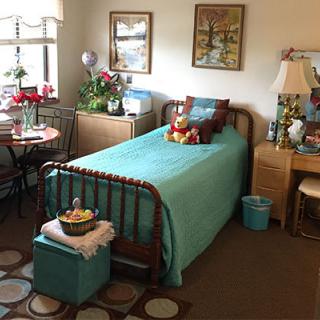
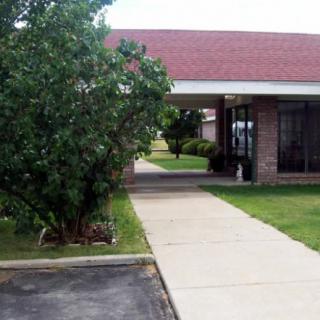
Madison House in Cortez, WA is best suited for seniors who want an intimate, neighborly atmosphere where personal attention and outdoor access are central to daily life. The strongest signals from the community’s reception highlight a small, manageable size and every room opening directly to outdoor space. That combination supports independent living with the comfort and familiarity of a close-knit environment, making it an attractive option for families prioritizing connection and ease of oversight.
Those considering alternatives should recognize this is not a fit for those chasing a bustling, high-activity campus. The available reviews note that programs are limited, and even with available bus outings, the overall activity calendar remains lean. If a robust on-site calendar, frequent social events, or more varied programming are priorities, it’s prudent to compare Madison House with facilities that emphasize a dense activity schedule and larger amenities.
The primary advantages are tangible and tell a practical story for daily living. A small community footprint fosters easier staff-resident relationships and a sense of familiarity that can translate into quicker recognition of needs and preferences. Open access to outdoors from every room means residents can enjoy sunlight and fresh air without navigating long corridors or common spaces, an often undervalued factor in mood and mobility. The staff’s described friendliness and interactivity further elevate day-to-day life, making social engagement feel natural rather than forced. The bus service is a meaningful bridge to the wider community, allowing residents to experience nearby events and outings without the stress of arranging transportation themselves.
The most evident drawback is the lean activity lineup. Without a rich, on-site program, residents may experience repetitions in routine and fewer opportunities to discover new interests within the building. For some, that can feel limiting, particularly if a structured day with varied group activities is a priority or if companionship needs are best met through a steady flow of in-house programming. The absence of plentiful on-site options may also place more emphasis on the quality of outdoor opportunities and outings to sustain engagement.
Yet the pros offset these cons in a practical, livable way. The intimate setting naturally supports personalized attention, helping residents feel known and cared for without the impersonality sometimes found in larger communities. Outdoor access from each room not only enhances wellness but also provides flexible daily rhythms, letting residents choose fresh-air breaks or outdoor time as part of their routine. Staff engagement remains a core strength, offering companionship and assistance that can compensate for fewer formal activities. The town-bound outings via the bus become essential lifelines for enrichment, widening horizons and preserving a sense of exploration that’s harder to sustain in a facility with more limited internal programming.
In the end, Madison House offers a clear decision pathway. It’s a strong match for seniors who prize a quiet, personable environment, direct outdoor access, and reliable staff interaction, with occasional but meaningful excursions that extend life beyond the doors. Families seeking a smaller, home-like setting where residents are known and included will find this appealing. Those who place a premium on a bustling on-site activity calendar, extensive in-house amenities, or a large community with abundant programming should look elsewhere. The two five-star reviews suggest high satisfaction with the core strengths, personalized attention, outdoor connectivity, and meaningful outings, providing a solid foundation for informed choice in the right match.
 32 resident community capacity
 Assisted Living
 Activities off-site
 Air-conditioning
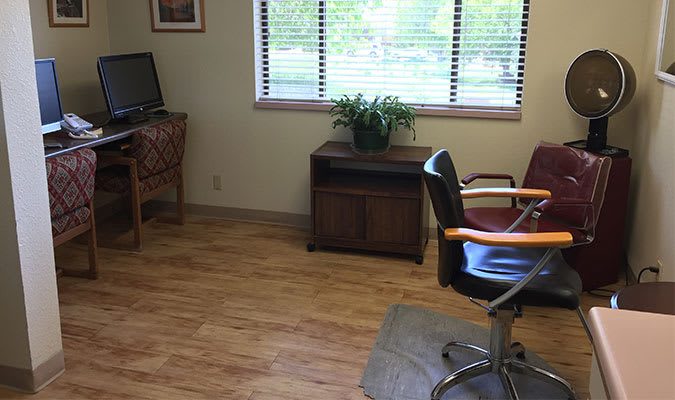
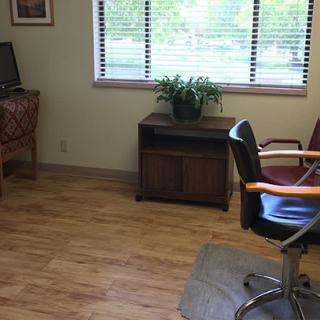
 Beautician on-site
 Cable or satellite TV
 Devotional services off-site
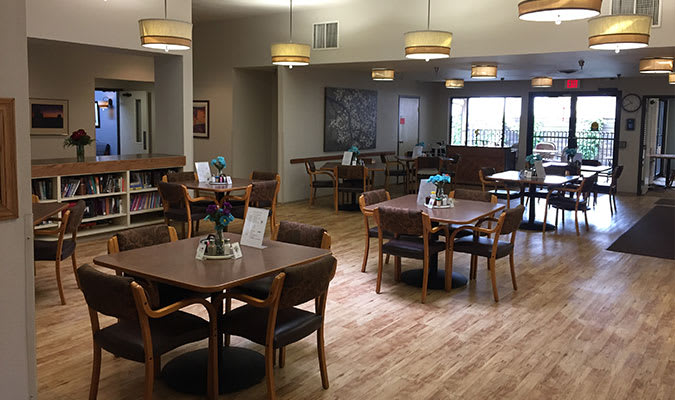
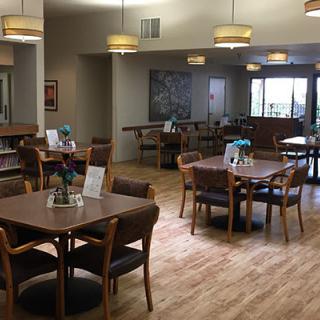
 Dining room
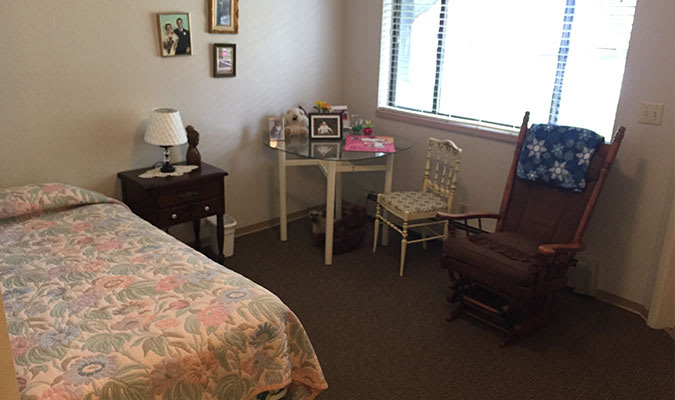
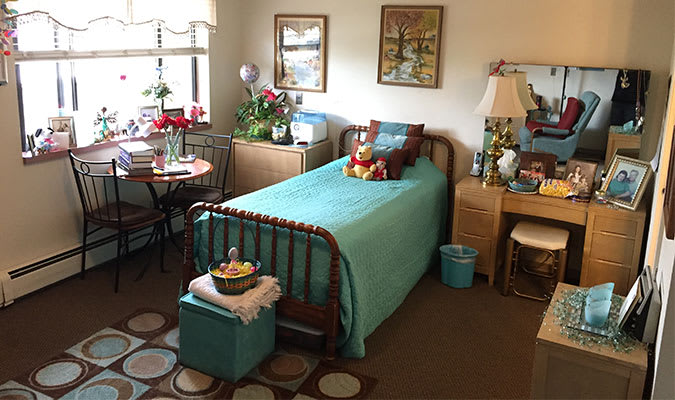
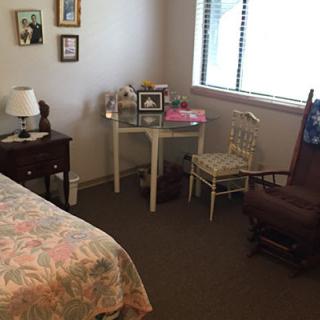
 Fully furnished
 Garden
 Ground floor units
 Handicap accessible
 Housekeeping services
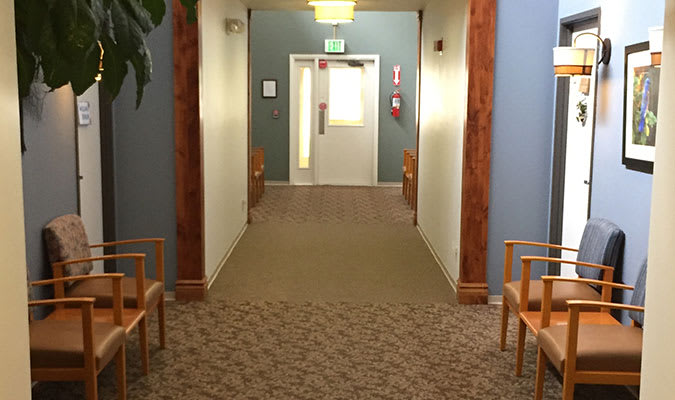
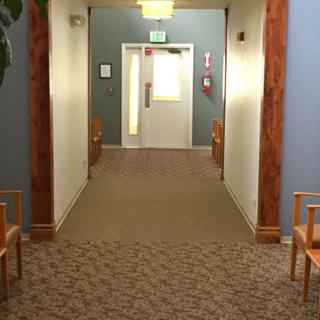
 Indoor common areas
 Kitchenette
 Move-in coordination
 Outdoor common areas
 Respite or short term stays offered
 Restaurant-style dining
 Small library
 Telephone
 Wheelchair accessible showers
 Wi-Fi/high-speed internet available
 24-hour call system
 Ambulatory care
 Assistance with bathing
 Assistance with dressing
 Assistance with transfers
 Diabetes diet
 Diabetic care
 Medication management
 Mental wellness program
 Special dietary restrictions
 Art classes
 BBQs or picnics
 Day trips and outings
 Happy hour
 Live musical performances
 Trivia games
 Visiting chaplain or priest
 Wii bowling
 Wine tasting



 Social Security Benefits and Assisted Living: Navigating Options Across the U.S.
 An Extensive Exploration of the VA Aid and Attendance Benefit
 Senior Transition Services: Understanding Their Role, Cost, and Importance