
555 Prospect Avenue, Estes Park, CO 80517
For more information about senior living options: (866) 208-4318
Overall Review of Prospect Park Living Center
Pros
 The facility is fairly nice.
- It seemed well-suited for their needs.
- It has access to extensive medical support in the adjacent medical center building.
- It is in good shape.
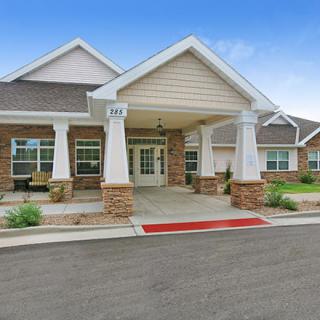
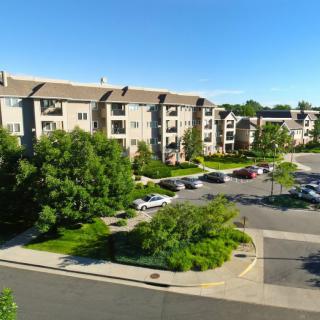
- It is a beautiful place.
- The lobby features a bird cage, and residents enjoy sitting with the birds.
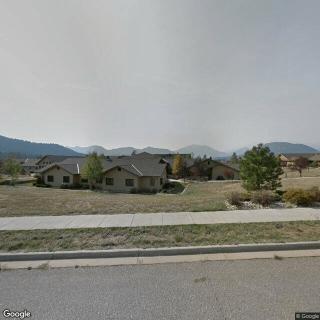
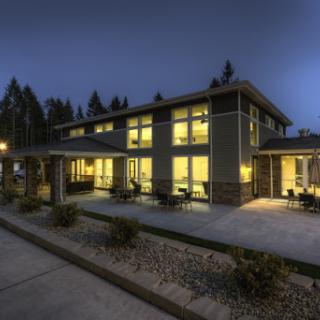
- There is a nice outdoor area for residents.
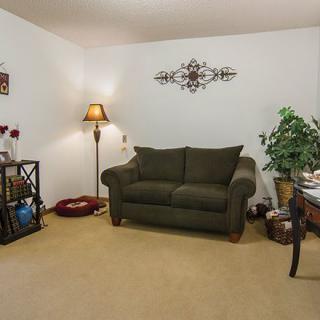
- The overall appearance, upkeep, and cleanliness are very good.
- The staff are very friendly, welcoming, and informative.
- The staff were awesome.
Cons
 He’s been treated like an old man with no independence before this happened.
- They don’t work aggressively with him and he’s gotten very little sleep there.
- He fell today and is back in the ER because he hit his head.
- Some staff members are very compassionate, but others have made very inappropriate comments.
- The reviewer recommends moving older relatives to another skilled rehab facility.
Review
Prospect Park Living Center is best suited for seniors who need full, ongoing skilled nursing care with ready access to hospital-level medical support, all in a single campus. Its strongest selling points lie in the stability of care and the resources that come with being adjacent to a medical center. The building and grounds are well maintained, and the overall environment reads as clean, orderly, and aesthetically considerate, features that matter when medical needs are constant. Residents benefit from a calm, pleasant atmosphere, outdoor space, and even small comforts like the birds in the lobby, all of which can support dignity and routine for those whose days revolve around structured care. For families confronting complex health issues or post-acute needs, Prospect Park provides a predictable, medically integrated setting.
On the other side of the ledger, the center’s reality is not a fit for everyone. Those seeking a lighter touch, greater independence, more self-directed activities, or a rehab-focused stay with aggressive, person-centered engagement, may want to explore alternatives. Reports of uneven staff responsiveness to autonomy, and instances where care did not feel sufficiently proactive, raise red flags for families prioritizing independence and sleep quality. A reviewer who is a registered nurse highlighted concerns about sleep disruption and a lack of assertive engagement, which can be a deal-breaker for caregivers looking for a facility that consistently champions residents’ autonomy and active participation in their routines. In short, the environment works best when medical needs are clear and constant; it may frustrate families expecting a more enabling, independence-preserving approach.
The core advantages are substantial and deserve serious weight in the decision. The center blends full nursing care with immediate access to broader medical resources, thanks to its position within a building that houses a medical center. This translates into timely laboratories, imaging, and specialist input, which reduces the hassle and risk of moving a fragile resident to a separate facility. The physical setting supports well-kept, clean, and predictable routines, which helps maintain safety and comfort for residents who require steady supervision. Staff quality appears variable but includes many who are friendly, welcoming, and communicative, contributing to a generally supportive atmosphere. When care plans emphasize medical stability, the combination of skilled nursing and accessible medical support becomes a concrete, offsetting strength.
Yet the drawbacks carry notable weight, especially for families weighing quality of life alongside medical necessity. The most consequential concerns center on perceived rigidity in encouraging independence and some inconsistencies in staff conduct. One family member described a sense of residents being treated as if independence were eliminated, which undermines morale and daily satisfaction. A separate account mentions inappropriate comments from some staff, signaling a risk to a resident’s dignity and to family trust. The result is a mixed experience: competent medical care and a clean, attractive setting, but uneven interpersonal dynamics and a tendency for some residents to sleep poorly as a result of the care approach. For a senior who prizes sleep, autonomy, or consistently respectful interactions, these gaps may tip the balance toward alternatives.
In weighing pros against cons, Prospect Park clearly serves a specific niche. For medically complex residents who require skilled nursing with the reassurance of immediate medical access, the positives, care continuity, facility upkeep, and a supportive, if sometimes uneven, staff, offer a pragmatic offset to the flaws. For those prioritizing independence, social programming that reinforces choice, or a consistently respectful, person-centered ethos, the drawbacks loom larger. Prospective families should anchor their decision on two questions: Is the resident’s need for constant medical oversight non-negotiable, and how important is a consistently empowering, autonomy-supportive environment? If the answers favor medical intensity over independence, Prospect Park stands up well; if not, alternatives, such as traditional assisted living with stronger emphasis on autonomy, or dedicated skilled rehab facilities, likely serve better.
Ultimately, use this as a practical filter rather than a closing verdict. Prospect Park Living Center excels as a medically integrated, well-kept home for seniors who need ongoing nursing care and appreciate easy access to broader medical resources within the same campus. It is less compelling for residents who crave sustained independence, richer social engagement, and consistently respectful, motivational staffing. Families considering Option A should test-drive the care plan with concrete questions about autonomy, sleep, and staff conduct, and insist on a transparent, individualized plan that includes daily routines, activity opportunities, and safety checks. If those assurances cannot be secured, or if the resident’s goals center on maintaining maximum independence, exploring other skilled rehab or assisted living options is warranted.
 52 resident community capacity
 Skilled Nursing Facility
 Air-conditioning
 Beauty salon
 Cable or satellite TV
 Computer center
 Dining room
 Fitness room
 Fully furnished
 Gaming room
 Garden
 Housekeeping services
 Kitchenette
 Move-in coordination
 Outdoor space
 Private bathrooms
 Restaurant-style dining
 Small library
 Telephone
 Wellness center
 Wi-Fi/high-speed internet available
 Community operated transportation
 12-16 hour nursing
 24-hour call system
 Activities of daily living assistance
 Assistance with bathing
 Assistance with dressing
 Assistance with transfers
 Diabetes diet
 Medication management
 Mental wellness program
 Special dietary restrictions
 Concierge services
 Planned day trips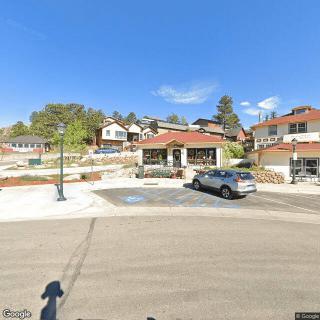


 Navigating Medicare Coverage for In-Home Care Services
 In-Home Care Costs in 2025: A Detailed State-by-State Exploration
 Understanding Home Health Care: A Comprehensive Guide