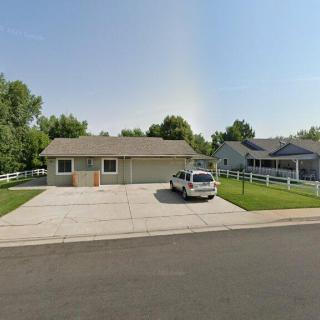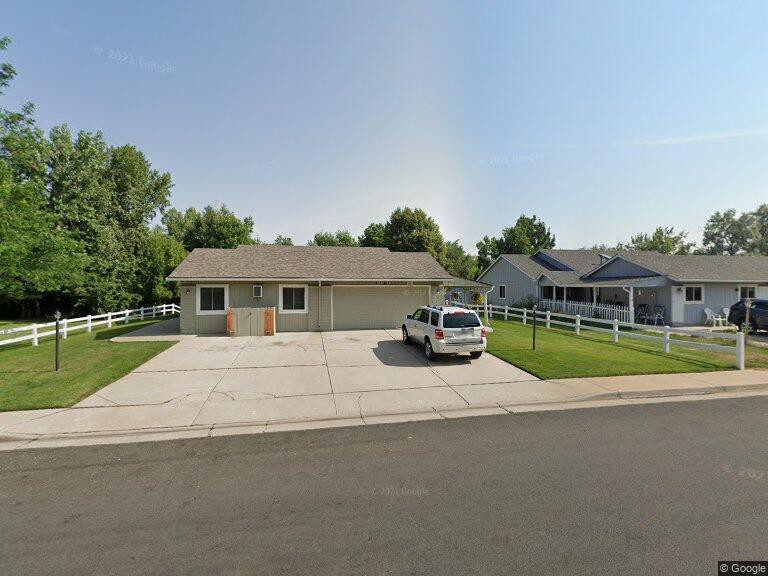
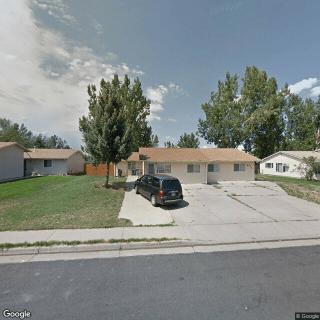
2127 Eagle Drive, Loveland, CO 80537
For more information about senior living options: (866) 208-4318
Overall Review of The Joneses Assisted Living
Pros
 The place is amazing.
- The place is excellent.
- The owner treats residents like family and goes above and beyond in caring for, shopping for, and providing transportation to the residents.
Cons
 Marie was fired from The Joneses.
- Marie subsequently got her friends Nicki and Taylor to write fake bad reviews.
- The owner will not tolerate bad employees.
- Bad employees get upset.
- The place is infested with bed bugs.
- The owner has not taken responsibility to hire professional exterminators and is putting residents and employees at risk.
Review
The Joneses Assisted Living in Loveland, Colorado is best suited for families that prize extremely hands-on, personalized care delivered in a family-like atmosphere. It appeals to those who want direct involvement from an owner who treats residents as if they were members of a close-knit family, and who value practical, everyday supports, shopping, transportation, and tailored assistance, as part of the care package. A long waitlist is a practical signal that families perceive quality and are willing to wait for a high-touch experience, making the community attractive to seniors who prioritize attentive, individualized service over a generic, impersonal setting.
Anyone who cannot tolerate questions about pest control, consistent management practices, or reputational volatility should consider alternatives. The most important caveat is the ongoing concern raised by multiple sources about bed bugs and the handling of remediation. Prospective residents with a heightened need for absolute pest-free environments or who require a transparent, consistently professional management culture may find the risks unacceptable. Families seeking a tightly regulated, strictly documented care environment with steady, crisis-free operations should widen the search to other nearby options.
On the positive side, The Joneses earns strong marks for personal attention. The owner’s hands-on approach translates into a sense of family-level care, with residents reportedly being cared for beyond standard expectations, including shopping assistance and transportation, elements that can substantially ease family burdens and improve daily quality of life. The reputation for quality care is reflected in demand, demonstrated by a waiting list that signals perceived excellence and willingness to commit time and resources to a high level of service. For residents who thrive under close, individualized supervision and a warm, family-feel environment, these aspects represent a meaningful offset to routine assisted-living needs.
But the principal drawbacks are substantial. Bed bug infestations appear repeatedly in critiques, accompanied by allegations that responses were slow or inadequate and that repercussions for staff or corrective actions were not clearly demonstrated. A separate review frame claims internal conflict around staff and reputational management, including assertions about firing and alleged manipulation of online feedback. Taken together, these elements raise legitimate questions about safety, transparency, and consistency in operations. Even if the infestation concern proves overstated or is being actively addressed, the perception of risk and the inconsistency in management signals cannot be dismissed.
The decisive question becomes whether the benefits can realistically outweigh the risks. For families willing to demand rigorous, verifiable remediation plans and ongoing pest-control documentation, the upside of personalized, owner-led care remains compelling. If, however, a resident’s comfort hinges on an environment with indisputable pest control, or if confidence in management and staff stability is non-negotiable, significant concerns must be weighed. Touring the property with a specific focus on pest-control records, current remediation schedules, and conversations with several current residents and staff will be crucial. Request copies of pest-control contracts, service logs, and any third-party inspection reports before making a commitment.
In the end, The Joneses presents a clear trade-off: a highly attentive, family-oriented care model paired with a risk profile centered on pest control and management dynamics. The decision should hinge on tolerance for potential pest-related disruption and on the ability to verify that remediation is proactive and ongoing. For families that want intimate, hands-on care and are prepared to monitor and enforce a robust remediation plan, the Joneses can be a strong match. For others, especially those who prioritize a pest-free environment and unwavering management consistency, pursuing alternatives with a cleaner incident history and more transparent governance will likely yield greater peace of mind.
 8 resident community capacity
 Assisted Living
 Board and Care Home
 Cable or satellite TV
 Dining room
 Fully furnished
 Garden
 Housekeeping services
 Move-in coordination
 Outdoor space
 Telephone
 Wi-Fi/high-speed internet available
 24-hour supervision
 Activities of daily living assistance
 Assistance with bathing
 Assistance with dressing
 Assistance with transfers
 Diabetes diet
 Meal preparation and service
 Medication management
 Special dietary restrictions
 Transportation arrangement (medical)
 Transportation to doctors appointments


 Understanding the True Cost of Assisted Living in 2025: A Comprehensive Guide
 Understanding Medicaid Coverage for Assisted Living: A Comprehensive Guide
 How and When Medicaid May Cover Assisted Living Costs