Center At Lowry

Save

  • Interior

    Modern office reception area with stylish lighting and seating.
  • Decor

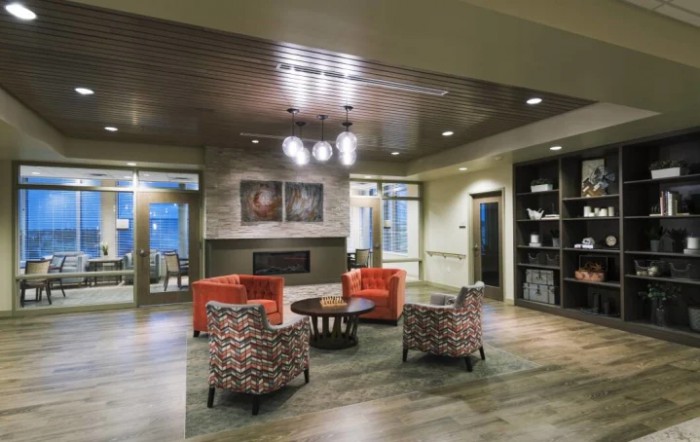
    A modern lobby featuring comfortable seating and a cozy fireplace.
  • Living Room

    A cozy living room with modern decor, featuring a fireplace and comfortable seating.
  • Bedroom

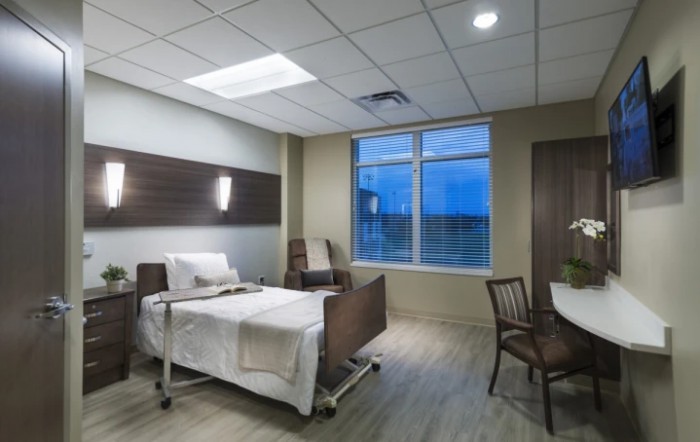
    A well-lit, modern hospital room with a bed, chair, and window.
  • Dining

    A restaurant table set as a memorial tribute with an American flag, POW/MIA symbol, and a single rose.
  • Kitchen

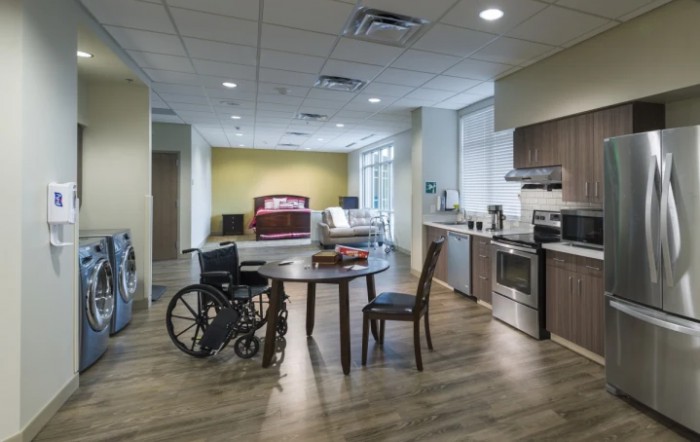
    A modern, accessible living space with a kitchen, dining table, and wheelchair.
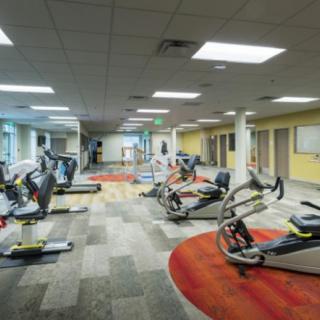
  • Exercise Equipment

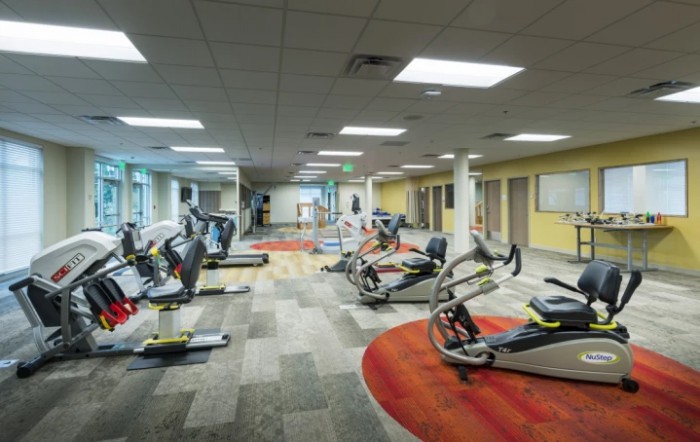
    A well-equipped gym featuring various exercise machines and a spacious interior.

Center At Lowry

8550 East Lowry Boulevard, Denver, CO 80230

For more information about senior living options: (844) 490-3973

3.4 from 100 reviews
5 stars
50
4 stars
7
3 stars
4
2 stars
7
1 stars
32

Skilled Nursing Facility

Overall Review of Center At Lowry

Pros

  • pro The staff from nurses and CNAs to doctors treated residents with TLC.
  • pro The physical and occupational therapy staff are top of the line.
  • pro Nursing care is top notch and case management is very helpful and resourceful.
  • pro The doctors are awesome and truly care for their patients.
  • pro The nurses and CNAs were outstanding; the therapists were really good.
  • pro The front desk staff, especially Destiny, was absolutely fantastic.
  • pro The greeters in the lobby were friendly, and the facility is inviting and clean.
  • pro The therapists are wonderful, especially for patients who are willing to work.
  • pro The Center at Lowry is an excellent place to rehab, with pleasant and professional staff across all departments.
  • pro Families would recommend this rehab to friends and family.

Cons

  • pro The reviewer described the Center at Lowry as an absolute nightmare due to limited staff, slow responses, and overall poor care.
  • pro They noted a failure of clear communication among staff, with inaccurate or missing charting and repeated information from families.
  • pro They claimed the administration was largely non-existent and the food was not good.
  • pro They stated a nurse rewrapped a wound with a bandage that had fallen on the floor, calling it totally unacceptable.
  • pro They asserted the facility is more interested in collecting a paycheck than helping patients.
  • pro They argued discharge planning never occurred and post-discharge care was never addressed.
  • pro They called it the worst place to place a parent or grandparent and said staff did not care.

Review

The Center at Lowry elicits a remarkably wide range of experiences from families and patients, reflecting a facility that many people praise intensely while others warn about serious shortcomings. Across the board, several reviewers emphasize the facility's positive atmosphere: it is described as beautiful, clean, and inviting, with a calm, well-kept environment that makes visitors feel comfortable stepping through the door. In particular, many mentions note that the staff create a welcoming first impression, with friendly greeters in the lobby and front desk personnel who are "absolutely fantastic." The physical spaces - rooms described as a nice size and the building itself as well-maintained - also contribute to a sense that this is a high-quality setting for rehabilitation.

On the care side, a significant cluster of reviews centers on strong, capable clinical teams. Numerous patients and family members commend the nursing care, the doctors, and especially the physical and occupational therapy teams. Language like "the staff treated me with TLC," "the physical and occupational staff is top of the line," and "therapy was excellent" recurs throughout the narratives. Several people single out individual caregivers by name - CNA staff and nurses who were described as outstanding, dedicated, and genuinely supportive. There are also repeated thanks to case managers and administrators who help coordinate care and resources, with comments such as "Lorilee did a wonderful job of keeping us up-to-date" and "case management is very helpful and resourceful." In short, when care is consistent and the therapists and medical staff are engaged, many families report a very positive experience and would readily recommend the center for rehabilitation needs.

Yet, alongside these glowing assessments, a substantial portion of the feedback paints a contrasting picture of the center's operations. The most persistent criticisms focus on communication and care coordination. Reviewers describe "so many balls dropped" and "no one communicates to each other." They detail charting errors, the need to repeat information across shifts, and forms that must be filled out more than once. The fear expressed in one review - "If we hadn't been present throughout my father's stay, he would have been written off completely" - highlights a worry that without vigilant family involvement, gaps in care could go unnoticed. Discharge planning is repeatedly cited as a problem, with comments that planning for aftercare "never happened" or should have begun immediately upon admission. Taken together, these accounts suggest that the facility can be excellent when systems are functioning smoothly, but lapses in communication and coordination can undermine the overall experience.

Other reviews zoom in on specific areas where problems occur. Some patients report that the staff is friendly, but the administrative backbone is inconsistent - insurance, discharge questions, and paperwork can be a source of confusion and stress. There are mentions of understaffing at certain times and departments, and of experiences where the care team did not meet expectations for mobility and functional goals. In one particularly pointed critique, a family described a patient's therapy as "in bed" rather than progressing toward getting up to walk, and they attributed this to a broader issue of selective attention to goals and to interactions among patients, families, and the care team. A separate account described a situation where a nurse unwrapped a bandage, dropped a fragment on the floor, and placed it back on the wound - an incident that understandably raises concerns about basic safety and professionalism.

The tone of the reviews is not uniformly negative, however. A number of patients and family members report experiences of meaningful improvement, gratitude, and relief. Some describe "outstanding care" and "care I was happy with" across multiple days of a stay, noting that therapists helped them become better prepared for going home and that doctors and nurses demonstrated genuine concern for recovery. One patient calls the experience "beyond satisfactory," another says a doctor was "patient" and responsive to questions, and several families express appreciation for the overall support they received as part of the rehabilitation journey. There are even stories of complete life-changing progress - patients who entered the center unable to walk or use the bathroom and who walked out after substantial rehabilitation, praising therapists who were willing to push them to work hard.

What emerges from this spectrum is a picture of a facility that has tremendous strengths - an attractive environment, professional and caring clinical staff, and robust therapy programs that many patients find transformative. At the same time, it is clear that the Center at Lowry faces serious organizational challenges that can color a patient's experience. Inconsistent communication, variable discharge planning, and periodic questions about staffing levels and administrative processes appear to influence outcomes in meaningful ways. For families and potential patients, the takeaway seems to be nuanced: the center can deliver excellent rehabilitation and compassionate care, but success may depend on the day, the shift, and how proactively families engage with the care team and administration to ensure that the plan of care stays coordinated and on track.

In sum, the Center at Lowry is home to a large spectrum of experiences. When everything lines up - dedicated nurses and doctors, skilled therapists, attentive case management, and thorough discharge planning - the facility earns high praise and strong recommendations from those who have seen its best side. But when communication falters, when charting and handoffs aren't seamless, or when administrative and discharge logistics lag, the experience can deteriorate quickly, leaving families frustrated and concerned about the continuity and quality of care. For anyone considering this center, it may be wise to engage early and often with the care team, confirm discharge goals and timelines, and maintain a steady line of contact with case management to help ensure that the rehabilitation journey proceeds smoothly from admission to home.

Features

Housing

  • 96 resident community capacity 96 resident community capacity

Types of Care

  • Skilled Nursing Facility Skilled Nursing FacilitySkilled Nursing Facilities are crucial for seniors as they provide round-the-clock medical care, rehabilitation services, and assistance with daily activities. These facilities ensure that seniors receive the specialized care they need to maintain their health and well-being as they age.

Amenities

  • Air-conditioning Air-conditioningAir conditioning is important for seniors as they are more vulnerable to heat-related illnesses and may have underlying health conditions that make it difficult for them to regulate their body temperature. It helps to keep them comfortable, safe, and healthy in hot weather.
  • Beauty salon Beauty salonBeauty salons are important for seniors because they provide a space for them to feel pampered, socialize, and maintain their personal grooming and hygiene. Regular visits to a beauty salon can help boost seniors' self-esteem and overall well-being.
  • Cable or satellite TV Cable or satellite TVCable or satellite TV is important for seniors because it provides entertainment, news, and companionship, helping to combat loneliness and boredom. It also offers a wide range of programming options tailored to different interests and preferences.
  • Computer center Computer centerA computer center is essential for seniors as it provides access to technology, communication tools, and resources that can enhance their daily lives. It allows them to stay connected with loved ones, engage in online activities, and learn new skills, ultimately promoting socialization and mental stimulation.
  • Dining room Dining roomDining rooms are important for seniors as they provide a space for socialization, connection, and nutritious meals. They offer opportunities for residents to bond over shared meals, foster a sense of community, and promote healthy eating habits. Dining rooms also ensure that seniors have access to well-balanced meals tailored to their dietary needs and preferences.
  • Fitness room Fitness roomHaving a fitness room in a senior living community is essential for seniors to stay active, maintain their physical health, and improve their overall well-being. Regular exercise can help prevent falls, reduce the risk of chronic diseases, and promote mental sharpness. It also provides social opportunities for residents to connect with others and enjoy a sense of community.
  • Fully furnished Fully furnishedFully furnished senior living communities are important for seniors because they provide convenience, comfort, and a hassle-free moving experience. Seniors can easily settle into their new living space without the stress of having to buy and move furniture. This allows them to focus on enjoying their new home and community.
  • Gaming room Gaming roomGaming rooms are important for seniors as they provide a fun and engaging environment for socializing, cognitive stimulation, and physical activity. Games can improve memory, problem-solving skills, and overall mental well-being while fostering friendships and reducing feelings of isolation.
  • Garden GardenGardens are important for seniors as they provide a peaceful and therapeutic environment for relaxation, physical activity, and socialization. Being in nature has been shown to reduce stress, improve mood, and promote overall well-being. Gardens also offer opportunities for seniors to engage in gardening activities, which can improve mobility, flexibility, and cognitive function. Additionally, gardens create a sense of community and connection with others who share a passion for plants and outdoor spaces.
  • Housekeeping services Housekeeping servicesHousekeeping services are important for seniors because they help maintain a clean and safe living environment, promote independence, and reduce the risk of accidents or illnesses. Additionally, having assistance with household chores can alleviate physical strain and allow seniors to focus on other aspects of their well-being.
  • Kitchenette KitchenetteKitchenettes are important for seniors living in senior living communities because they provide the convenience and independence of being able to prepare simple meals and snacks in the comfort of their own living space. This can help promote a sense of autonomy and well-being for seniors, allowing them to maintain some level of control over their dietary choices and daily routines.
  • Move-in coordination Move-in coordinationMove-in coordination is important for seniors because it helps ease the transition into their new living environment. It ensures that all logistics, such as packing, organizing movers, and setting up utilities are taken care of, allowing seniors to focus on settling in and adjusting to their new home. Having a smooth move-in process can alleviate stress and anxiety, making the transition smoother and more enjoyable for seniors.
  • Outdoor space Outdoor spaceOutdoor spaces are important for seniors as they provide opportunities for physical activity, social interaction, exposure to natural light and fresh air, and a sense of connection to nature. Having access to outdoor spaces can improve overall well-being and quality of life for older adults living in senior communities.
  • Private bathrooms Private bathroomsPrivate bathrooms are important for seniors in senior living communities because they provide independence, dignity, and comfort. Having a private bathroom allows seniors to maintain their personal hygiene routines without the need for assistance, promoting a sense of autonomy and privacy. Additionally, private bathrooms help prevent the spread of infections and provide a safe and clean environment for seniors to navigate safely.
  • Restaurant-style dining Restaurant-style diningRestaurant-style dining is important for seniors because it allows them to enjoy delicious, nutritious meals in a social and upscale setting. This enhances their dining experience, promotes healthy eating habits, and fosters socialization with fellow residents, ultimately contributing to their overall well-being and quality of life.
  • Small library Small librarySmall libraries are important for seniors as they provide access to a variety of reading materials, including books, newspapers, and magazines. This can help stimulate their minds, keep them engaged, and provide a sense of community through book clubs and other social activities. Additionally, reading has been shown to improve cognitive function and overall mental well-being in older adults.
  • Telephone TelephoneTelephones are important for seniors as they provide a lifeline for communication with loved ones, emergency services, and healthcare providers. They offer a sense of security and independence, enabling seniors to stay connected and access assistance when needed.
  • Wellness center Wellness centerWellness centers are important for seniors because they offer a variety of programs and services that promote physical, mental, and emotional well-being. These centers provide opportunities for exercise, socialization, education, and relaxation, helping seniors maintain their overall health and quality of life.
  • Wi-Fi/high-speed internet available Wi-Fi/high-speed internet availableWi-Fi/high-speed internet is important for seniors to stay connected with loved ones, access online resources, and participate in virtual activities to combat feelings of loneliness and isolation. It also allows them to easily manage healthcare needs, access entertainment, and engage in lifelong learning opportunities.

Transportation

  • Denver International (15 miles away) Denver International (15 miles away)
  • Community operated transportation Community operated transportationCommunity operated transportation is crucial for seniors as it provides them with the means to access essential services, social activities, and medical appointments. It allows seniors to maintain their independence and quality of life by ensuring they can participate in activities outside of their homes. Additionally, community-operated transportation services offer a safe and reliable way for seniors to travel without having to rely on family or friends for assistance.
  • Transportation arrangement Transportation arrangementTransportation arrangements are crucial for seniors as they may face challenges with driving, mobility, or access to public transportation. Having reliable transportation services ensures that seniors can easily attend appointments, social activities, and maintain their independence and quality of life.
  • Transportation arrangement (non-medical) Transportation arrangement (non-medical)Transportation arrangements are essential for seniors as they provide access to essential services, activities, and social interactions outside the home. This service helps maintain independence, mobility, and overall well-being for seniors who may have limited transportation options.
  • Transportation to doctors appointments Transportation to doctors appointmentsTransportation to doctors appointments is crucial for seniors as it ensures they have access to necessary medical care and support, promoting their health and well-being. It allows them to receive timely treatment, monitor existing conditions, and address any new health concerns efficiently. Additionally, transportation services can help seniors maintain their independence and quality of life by enabling them to stay connected with their healthcare providers.

Care Services

  • 12-16 hour nursing 12-16 hour nursing12-16 hour nursing care is crucial for seniors in order to ensure around-the-clock monitoring, timely medication administration, and prompt response to any health concerns or emergencies. This level of care helps to promote the overall well-being and safety of seniors living in senior living communities.
  • 24-hour call system 24-hour call system24-hour call systems are important for seniors because they provide peace of mind and immediate assistance in case of emergencies. This technology ensures that help is always available, promoting safety and security for elderly individuals living alone or in assisted living facilities.
  • 24-hour supervision 24-hour supervision24-hour supervision is important for seniors to ensure their safety, well-being, and access to immediate assistance in case of emergencies or health issues. This constant support provides peace of mind for both seniors and their loved ones, allowing them to age in place with dignity and security.
  • Activities of daily living assistance Activities of daily living assistanceActivities of daily living assistance are important for seniors because they provide essential support with tasks such as eating, bathing, dressing, and mobility. This assistance helps seniors maintain their independence, dignity, and overall quality of life as they age.
  • Assistance with bathing Assistance with bathingAssistance with bathing is crucial for seniors as it helps maintain personal hygiene, prevents infections, and ensures their overall well-being and comfort. It also provides a sense of dignity and independence for seniors who may struggle with this task on their own.
  • Assistance with dressing Assistance with dressingAssistance with dressing is important for seniors because it helps maintain their independence, promotes personal hygiene, prevents accidents and injuries, and improves overall quality of life. This service ensures that seniors can continue to dress comfortably and confidently, despite any physical limitations they may have.
  • Assistance with transfers Assistance with transfersAssistance with transfers is crucial for seniors as it helps prevent falls and injuries, maintains their independence, and ensures they can safely navigate their living environment. It also provides peace of mind for both seniors and their loved ones.
  • Diabetes diet Diabetes dietA diabetes diet is crucial for seniors as it helps manage blood sugar levels, reduce risks of complications, and improve overall health and well-being. By following a balanced and nutritious diet tailored to their specific needs, seniors can better control their diabetes and enhance their quality of life.
  • Meal preparation and service Meal preparation and serviceMeal preparation and service are crucial for seniors as they may have limited mobility or energy to cook nutritious meals. Having access to healthy and convenient food options can ensure they are getting the proper nutrition needed to maintain their overall health and well-being.
  • Medication management Medication managementMedication management is crucial for seniors to ensure they are taking the right medications at the correct dosages and times. This helps prevent adverse drug interactions, reduces the risk of medication errors, and promotes overall health and well-being. Proactive management also allows for adjustments as needed based on changing health conditions or new prescriptions.
  • Mental wellness program Mental wellness programMental wellness programs are essential for seniors as they promote cognitive stimulation, emotional support, and social engagement. These programs help prevent isolation, depression, and cognitive decline, ultimately enhancing the overall quality of life for older adults.
  • Special dietary restrictions Special dietary restrictionsSpecial dietary restrictions are important for seniors because age-related changes in metabolism and health conditions can make it difficult for their bodies to process certain foods. By following a diet tailored to their specific needs, seniors can maintain their overall health and well-being, manage chronic conditions, and reduce the risk of complications such as malnutrition or food interactions with medications.

Dining

  • Diabetes diet Diabetes dietA diabetes diet is crucial for seniors as it helps manage blood sugar levels, reduce risks of complications, and improve overall health and well-being. By following a balanced and nutritious diet tailored to their specific needs, seniors can better control their diabetes and enhance their quality of life.
  • Special dietary restrictions Special dietary restrictionsSpecial dietary restrictions are important for seniors because age-related changes in metabolism and health conditions can make it difficult for their bodies to process certain foods. By following a diet tailored to their specific needs, seniors can maintain their overall health and well-being, manage chronic conditions, and reduce the risk of complications such as malnutrition or food interactions with medications.

Activities

  • Community-sponsored activities Community-sponsored activitiesCommunity-sponsored activities are important for seniors as they provide opportunities for social interaction, mental stimulation, and physical activity. These activities can help improve overall well-being, combat loneliness and isolation, and promote a sense of belonging and purpose among older adults.
  • Concierge services Concierge servicesConcierge services are essential for seniors as they provide assistance with daily tasks and errands, enhance their quality of life by offering convenience and personalized care, and promote a sense of safety and security.
  • Fitness programs Fitness programsFitness programs are crucial for seniors as they help improve strength, flexibility, balance, and overall well-being. Staying active can reduce the risk of chronic diseases, improve mental health, and enhance quality of life in older adults.
  • Planned day trips Planned day tripsPlanned day trips are important for seniors because they offer opportunities for socialization, mental stimulation, and physical activity. They provide a change of scenery and help seniors stay engaged and connected to their community, promoting overall well-being and quality of life.
  • Resident-run activities Resident-run activitiesResident-run activities are important for seniors as they encourage social interaction, creativity, and a sense of autonomy. These activities empower seniors to stay engaged and active in their community while fostering meaningful connections with their peers.
  • Scheduled daily activities Scheduled daily activitiesScheduled daily activities are important for seniors because they provide structure, socialization, mental stimulation, and physical activity. Engaging in regular activities can improve overall well-being and quality of life for seniors living in a community setting.

Description

The Center at Lowry in Denver, CO is an assisted living community that offers a wide range of amenities and care services for seniors. The community provides residents with a comfortable and fully furnished living space, including private bathrooms and access to cable or satellite TV. Residents can also enjoy the convenience of housekeeping services and move-in coordination.

For socialization and recreation, the community offers various amenities such as a gaming room, small library, and outdoor spaces for residents to relax or engage in activities. There is also a fitness room and wellness center available for residents to maintain their physical well-being. Wi-Fi/high-speed internet is provided throughout the community, allowing residents to stay connected with loved ones or engage in online activities.

The Center at Lowry ensures that residents receive the care they need with 24-hour call systems and supervision. Assistance with daily living tasks such as bathing, dressing, and transfers is readily available. Medication management is provided to ensure that residents take their medications properly. Special dietary restrictions and diabetes diets are accommodated through meal preparation and service.

The community also offers transportation arrangements for non-medical purposes as well as transportation to doctors' appointments. Residents can rely on these services to make necessary trips or attend social events outside of the community.

Residents of The Center at Lowry can enjoy delicious meals in the restaurant-style dining room while adhering to any special dietary needs they may have. Additionally, concierge services are available to assist with various needs and planned day trips provide opportunities for residents to explore nearby attractions.

With numerous cafes, parks, pharmacies, physicians, restaurants, theaters, hospitals, and places of worship located nearby, residents have easy access to various amenities outside of the community.

Overall, The Center at Lowry provides a comfortable living environment along with comprehensive care services designed to meet the individual needs of each resident.

Nearby Places of Interest

This part of Denver, Colorado, offers a variety of amenities and services that could be appealing for senior living. With several parks nearby, such as Lowry Dog Park and City Park, residents have opportunities for outdoor recreation and leisurely walks. In addition, there are multiple pharmacies and healthcare facilities within a short distance, including Rose Medical Center and Cherry Creek Pediatrics. The area also boasts a range of dining options from fast food to more upscale establishments like Bull & Bush and Stanley Beer Hall. For entertainment, seniors can enjoy movies at the nearby AMC 9+Co 1 theater or explore cultural events at St John's Cathedral or Temple Sinai. Public transportation options are easily accessible with the RTD Rail station only a few miles away. Overall, this part of Denver offers a mix of conveniences and attractions that could make it a desirable location for senior living.

Parks

  • Lowry Dog Park (0.3 miles)
  • Infinity Park (2.9 miles)
  • Ash Grove Park (3 miles)
  • Bonnie Brae Ellipse Park (3.8 miles)
  • City Park (4 miles)
  • Cheesman Park (4.3 miles)
  • Washington Park (4.7 miles)

Pharmacies

  • Walgreens (1.4 miles)
  • Walgreens (1.7 miles)
  • Walgreens (1.8 miles)
  • King Soopers Pharmacy (2.5 miles)
  • CVS Pharmacy (2.7 miles)
  • Walgreens (2.8 miles)
  • Walgreens (2.8 miles)

Cafes

  • Starbucks (2 miles)
  • Starbucks (2.8 miles)
  • Starbucks (3.5 miles)
  • Aviano Coffee (3.5 miles)
  • Starbucks (4.5 miles)
  • Dutch Bros Coffee (4.6 miles)
  • Stella's Coffee House (5.3 miles)

Restaurants

  • McDonald's (2 miles)
  • Stanley Beer Hall (2.3 miles)
  • Bull & Bush (2.6 miles)
  • Snooze, an A.M. Eatery (2.8 miles)
  • Piper Inn (3.2 miles)
  • Raising Cane's Chicken Fingers (3.3 miles)
  • Cerebral Brewing (3.3 miles)

Physicians

  • Orthopedic Associates (2.5 miles)
  • Rose Medical Center Medical Libr (2.6 miles)
  • Cherry Creek Pediatrics (2.6 miles)
  • Colorado Kids Pediatrics (2.8 miles)
  • Center For Hearing, Speech, & Language (2.8 miles)
  • UCHealth Sue Anschutz-Rodgers Eye Center - Anschutz Medical Campus (3 miles)
  • Health Images (3.6 miles)

Hospitals

  • Cherry Creek Eye Center (2.6 miles)
  • University of Colorado Hospital (2.9 miles)
  • Village Pavilion (3.1 miles)
  • National Jewish Health (3.1 miles)
  • Children's Hospital Colorado Anschutz Medical Campus (3.2 miles)
  • Rocky Mountain Regional VA Medical Center (3.5 miles)
  • Webb Center for Primary Care (5.5 miles)

Theaters

  • Amc 9+Co 1 (2.8 miles)
  • Regal UA Denver Pavilions 4DX & RPX (5.7 miles)

Transportation

  • United Airlines Flight Training Center (3.1 miles)
  • RTD Rail - 38th & Blake Station (5.7 miles)

Places of Worship

  • St John's Cathedral (4.9 miles)
  • Temple Sinai (5.2 miles)

Frequently Asked Questions

Where is Center At Lowry?
What photos are available for Center At Lowry in Denver, Colorado?

Nearby Communities

  • Lowry Park- Independent and Assisted Living

    Lowry Park- Independent and Assisted Living

    Denver, CO

    3.7 from 13 reviews
    $1,850 to $2,550 / month

    pro Vibrant community with on-site activities, spacious apartments, and well-regarded meals, plus a location near Great Lawn Park.

  • Visiting Angels Living Assistance Services

    Visiting Angels Living Assistance Services

    Denver, CO

    4.9 from 98 reviews
     

    pro Vibrant, convenient access to dining, healthcare, parks, and worship.

  • Brookdale Lowry

    Brookdale Lowry

    Denver, CO

    4.2 from 117 reviews
    $3,795 to $5,940 / month

    pro Caring, accommodating staff in a clean, home-like setting.

  • Lowry Hills Care And Rehabilitation

    Lowry Hills Care And Rehabilitation

    Aurora, CO


    pro Extensive on-site amenities and 24/7 care.

  • Summit Rehabilitation And Care Community

    Summit Rehabilitation And Care Community

    Aurora, CO

    3.9 from 84 reviews
    $4,800 to $5,370 / month

    pro Caring staff who personalize care and a clean, updated environment with engaging activities.

  • Beeler Street RTF

    Beeler Street RTF

    Aurora, CO

    4.2 from 5 reviews
     

    pro 24/7 supervision with personalized care, meals, and activities.

  • Fletcher Gardens

    Fletcher Gardens

    Aurora, CO

    3.1 from 12 reviews
     

    pro Strong sense of community with engaging activities.

  • The Courtyards at Mountain View

    The Courtyards at Mountain View

    Denver, CO

    4.3 from 189 reviews
    $1,995 to $4,850 / month

    pro Friendly, attentive staff; clean, well-kept facility; spacious, quiet apartments and active social program.

  • Scs Assisted Living Denver

    Scs Assisted Living Denver

    Denver, CO


    pro Small, intimate 8-bed setting with comprehensive daily living support and engaging activities.

Related Resources

  • caring for elderly parentsNurturing Our Elders: Linda's Journey of Supporting Her Mother

    Linda's caregiving journey for her elderly mother, Joan, is marked by deep love and challenges as she navigates health changes, emotional support, and practical arrangements while learning to prioritize self-care and utilize community resources. Their evolving relationship highlights resilience and the universal themes of empathy and preparedness in caregiver experiences.

  • obtaining power of attorney without consentA Comprehensive Exploration of Common Misunderstandings about Powers of Attorney

    The article clarifies common misconceptions about Powers of Attorney (POA), highlighting the necessity of the principal's consent, the limitations on an agent's authority, and the importance of mental capacity when signing. It also distinguishes between various types of POAs, addresses concerns about potential abuse, and emphasizes the need for legal consultation to ensure valid and up-to-date documents.

  • senior move managementSenior Move Management: Understanding the Role, Value, and Associated Costs

    Senior move management provides specialized support for older adults relocating by assisting with logistics, emotional challenges, and downsizing decisions to ensure a smooth transition to new living environments. These services address the unique needs of seniors and have become increasingly important as baby boomers retire and seek to downsize.