
9221 Wadsworth Parkway, Westminster, CO 80021
For more information about senior living options: (866) 208-4318
Overall Review of Village Care And Rehabilitation Center
Pros
 It is a beautiful place and is recommended for parents who need 24/7 help.
- All workers are doing amazing things for their residents, and the food is delicious with plates served nicely.
- The facility has great, amazing staff who are easy to work with, quick and responsive, and care and outcomes are satisfactory.
- Families would highly recommend this facility.
- The care at the facility is excellent.
Cons
 The rehab facility barely kept her alive due to neglect.
- Joelle, the nursing director, never took accountability for the neglect.
- The place was described as an absolute hell hole lacking humanity and basic respect.
- She was left in dirty briefs for hours and her diabetes care was neglected (blood sugar not checked, insulin not given properly).
- The physician changed her entire insulin regimen, worsening her condition.
- She received almost zero physical therapy and rehabilitation.
- She ended up back in the hospital with dangerously high blood sugar and sepsis.
- Staff were accused of keeping patients there to collect insurance money rather than sending them to the hospital when warranted.
Review
Village Care And Rehabilitation Center in Westminster, CO is best suited for seniors who need short-term post-acute rehab and steady, around-the-clock assistance with daily living in a welcoming environment where meals and staffing feel responsive. The facility’s atmosphere and cleanliness are repeatedly described as strengths, and the dining experience is consistently praised. For families seeking a smooth transition during recovery, with ready access to staff and predictable daily routines, this center can deliver dependable day-to-day support. The core appeal lies in comfort and practicality: a calm setting that helps residents feel safe while they rebuild strength, provided medical oversight remains aligned with evolving needs.
That said, this option is not universal in its fit. For residents with significant medical complexity, diabetes management, seizure control, or intricate medication changes, the case for alternatives strengthens. The feedback highlights serious concerns about care accountability and responsiveness, including instances where essential medical tasks appeared delayed or mishandled. Such issues matter because post-acute stays depend on timely, precise clinical decisions and visible supervision. If the highest priority is unwavering medical oversight and a culture of safety, it is prudent to explore centers with a clearer track record of proactive nursing leadership and transparent problem resolution.
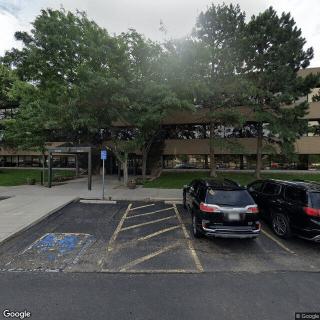
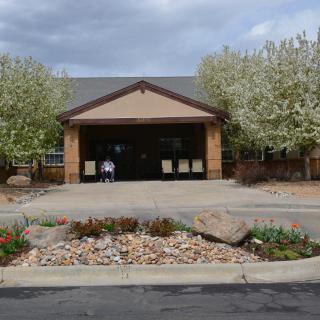
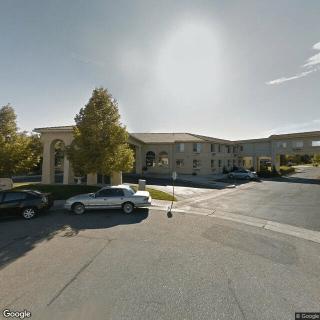
On the upside, favorable reviewers emphasize tangible positives that influence daily life. Aesthetically the building presents well, and the care atmosphere feels comfortable, with staff described as friendly and easy to reach. When operations run smoothly, families note quick communication, smoother care coordination, and a sense that dietary and personal-need requests are handled promptly. In practice, these elements translate into fewer day-to-day frictions, more predictable schedules, and a livable routine that can be essential for residents regaining independence or bridging to home care.
However, the most critical threads in the narrative are the troubling ones: credible reports of neglect and uneven medical management. Specific concerns include lapses in monitoring blood sugar and adjusting insulin, insufficient therapy intensity, and a perception that care decisions can be influenced by financial considerations rather than resident welfare. Leadership issues, notably perceived accountability gaps when problems arise, recur as a recurring caveat. While these accounts may not reflect every resident’s experience, they establish a risk profile that cannot be dismissed, particularly for individuals with complex health needs who require disciplined clinical governance.
Pros and cons must be weighed with care. The appealing environment and responsive front-line staff can offset minor irritants for those who primarily require help with daily tasks and social engagement, with vigilant family oversight during the stay. Yet for residents whose recovery hinges on rigorous nursing, meticulous medication management, and consistent rehabilitation, the negative experiences carry more weight. A prudent path is to conduct thorough pre-admission due diligence: insist on a dedicated care conference, request current insulin protocols, demand a precise and achievable physical therapy schedule, and verify recent state survey results and the facility’s corrective actions. Concrete assurances and measurable safeguards are non-negotiable before committing.
Bottom line: Village Care And Rehabilitation Center offers a solid, elder-friendly environment with accessible staff and pleasant amenities, making it a plausible choice for families prioritizing atmosphere and basic daily support. For those whose safety hinges on steadfast medical oversight and accountable leadership, alternatives deserve serious consideration. The combination of strong positives with significant red flags requires deliberate, evidence-based evaluation before deciding. Prospective families should tour the facility, talk with current residents, request up-to-date performance data, and compare nearby options to determine whether this center aligns with the level of clinical reliability demanded by longer stays or higher-acuity needs.
 60 resident community capacity
 Skilled Nursing Facility
 Air-conditioning
 Beauty salon
 Cable or satellite TV
 Computer center
 Dining room
 Fitness room
 Fully furnished
 Gaming room
 Garden
 Housekeeping services
 Kitchenette
 Move-in coordination
 Outdoor space
 Private bathrooms
 Restaurant-style dining
 Small library
 Telephone
 Wellness center
 Wi-Fi/high-speed internet available
 Denver International (22 miles away)
 Community operated transportation
 12-16 hour nursing
 24-hour call system
 Activities of daily living assistance
 Assistance with bathing
 Assistance with dressing
 Assistance with transfers
 Diabetes diet
 Medication management
 Mental wellness program
 Special dietary restrictions
 Concierge services
 Planned day trips




 Nurturing Our Loved Ones: A Daughter's Journey in Caring for Her Mother
 Nurturing Our Elders: Linda's Journey of Supporting Her Mother
 A Comprehensive Exploration of Common Misunderstandings about Powers of Attorney