

6197 West 83Rd Way, Arvada, CO 80003
For more information about senior living options: (866) 208-4318
Overall Review of A Wildflower Assisted Living
Pros
 The staff at Harmony quickly became the residents’ family, offering care and companionship.
- Residents and staff live peacefully together and look out for one another in a loving environment.
- The staff are described as lovely, gentle, caring, and selfless heroes who enhance residents’ safety and dignity.
- The owner is approachable, attentive, and willing to listen to families’ concerns.
- The facility is welcoming to families and visitors, fostering warmth and gratitude.
- The owner goes above and beyond, furnishing rooms, adding amenities like a piano and a bird feeder, and arranging transportation to appointments.
- The care team helps residents pursue their favorite activities and supports their needs, contributing to joyful, meaningful lives.
Cons
 The reviewer notes that there is only one public space, which is relatively small, causing residents to be in each other's company or in their rooms.
- The reviewer states that, in their opinion, there is no resident as described in the previous review and wonders whether the reviewer was thinking of a different facility.
Review
This community is best suited for families seeking a highly intimate, home-like assisted living experience where staff become a trusted extended family and care feels deeply personalized. It works especially well for residents who value meaningful daily rhythms, activities that reflect individual interests, strong relationships with caregivers, and a living environment that emphasizes safety, dignity, and companionship over institutional formality. The stories describe a setting where residents’ passions, photography, gaming, gardening, and even life with a service animal, are integrated into everyday life, and where the owner and staff actively shape the atmosphere to feel welcoming, warm, and almost familial from day one.
Those who may want to consider alternatives include families prioritizing larger common areas, a more expansive public footprint, or a more structured, hospital-like care model. If a sizeable shared gathering space, formal group programming, or a brisk activity calendar is non-negotiable, this may feel constrained. The remodel-driven real estate reality noted by one reviewer can translate into a cozier footprint that feels intimate but less expansive. For residents who require robust nursing oversight, memory-care specialized teams, or a more traditional, larger-community experience, a bigger option could offer a better fit.
The strongest positives center on the people and the atmosphere. Staff are repeatedly described as compassionate, attentive, and “real heroes,” with owners who listen, adapt, and solve problems in ways that improve daily life. Residents benefit from genuine interpersonal connections, timely assistance with favorite pastimes, and practical touches like allowing a service dog to stay and facilitating personalized touches such as piano additions or room furnishings. The ability to arrange transportation for dialysis and to coordinate with family for comfort and safety signals an operational ethos that prioritizes practical, responsive care alongside emotional support. In short, this is a place where care feels earned and relationships feel lasting.
These strengths offset the salient drawback of limited common space by underscoring that the environment is designed for warmth and accessibility rather than breadth. The small, house-like layout becomes a strength when the goal is consistent, visible staff presence and daily routines that feel predictable and secure. For families, the payoff is a sense of trust: a caregiver team that junior staff can learn from, a house rhythm that accommodates individual interests, and a visible commitment from leadership to preserve resident dignity. When concerns arise, the owner’s willingness to engage directly and make adjustments further reinforces that balance of care and control in a constructive way.
The one clear caveat to weigh is the crowding that can come from having all residents share a single public space. While the social atmosphere is highly relational and intimate, some residents may prefer more space for activities or quieter corners for private moments. Prospective families should probe how programming evolves with new admissions, whether there are off-site or in-room activities to supplement the single common area, and how staff manage group dynamics during peak times. Yet the narratives also suggest that the flexibility and problem-solving orientation of leadership often soften these constraints, translating a potential downside into a uniquely cohesive living experience.
Overall, this community stands out for seniors who crave a trusted, neighborly feel where staff know residents well and every day can be tuned to individual interests. It is a strong option for those who prize personal connections, compassionate advocacy, and a home-based setting that treats residents with dignity and purpose. For families weighing care goals against space and programming scope, this option deserves serious consideration, particularly if the priority is a deeply supportive, relationship-driven environment and a willingness from leadership to tailor the experience to the resident’s life story. Prospective residents should visit with family, ask to observe a typical day, and confirm how the space can accommodate both social wishes and private comfort in the years ahead.
 8 resident community capacity
 Assisted Living
 Board and Care Home
 Cable or satellite TV
 Dining room
 Fully furnished
 Garden
 Housekeeping services
 Move-in coordination
 Outdoor space
 Telephone
 Wi-Fi/high-speed internet available
 Denver International (21 miles away)
 24-hour supervision
 Activities of daily living assistance
 Assistance with bathing
 Assistance with dressing
 Assistance with transfers
 Diabetes diet
 Meal preparation and service
 Medication management
 Special dietary restrictions
 Transportation arrangement (medical)
 Transportation to doctors appointments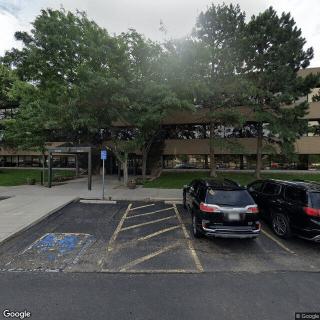







 Senior Transition Services: Understanding Their Role, Cost, and Importance
 Exploring the Path to Senior Living: A Comprehensive Look at Independent Living and Assisted Living
 Is Assisted Living Deductible on Your Taxes? Understanding the Complexities of Assisted Living Expenses and Deductions