
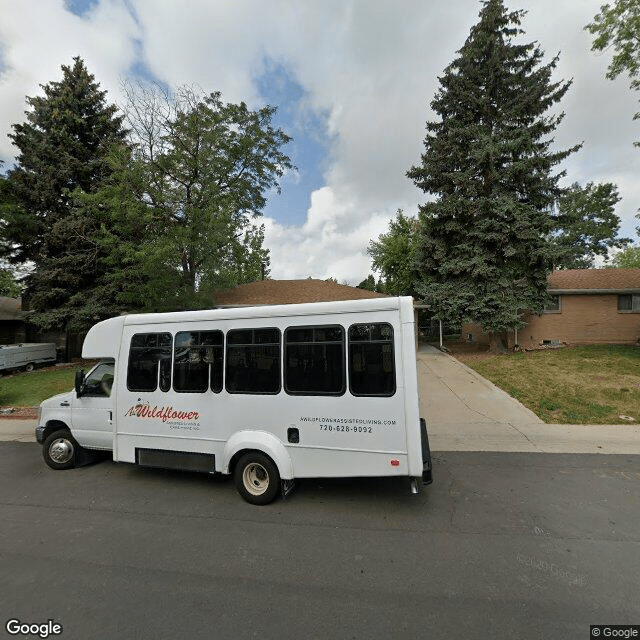
8823 Princeton Street, Westminster, CO 80030
To contact a resident: (303) 650-5450
For more information about senior living options: (866) 208-4318
Overall Review of A Wildflower Assisted Living And Care Home
Pros
 The staff and residents at Harmony Assisted Living quickly became Steve's family.
- They assisted Steve with his favorite activities—photography, gaming, and gardening—and welcomed his service dog Pence to live in the home.
- Steve's last years were filled with joy and love thanks to the care and kindness of the staff.
- The environment is described as loving and peaceful, with residents looking out for one another.
- Sergey's demeanor provided a positive, solution-focused vibe for the facility.
- The owner was attentive, listening to concerns and personally helping to improve comfort and arrangements.
- The owner furnished the room, added a piano, and covered other enhancements to enhance residents' enjoyment.
- The owner arranged transportation to dialysis three times a week, demonstrating practical support for residents' needs.
- The staff are portrayed as heroes—gentle, caring, and selfless—contributing to safety and dignity in residents' last days.
Cons
 The reviewer notes there is only one relatively small public space, which forces residents to be in each other's company or in their rooms, dampening the experience.
- A reviewer questions the accuracy of a prior positive review, suggesting the described resident may not exist at this facility.
Review
This Westminster community is best suited for seniors who want a small, deeply personal, home‑like setting where staff invest themselves in daily life. The strongest pattern from families is that caregivers become an extension of the resident’s family, delivering care with warmth, patience, and a steady focus on safety and dignity. It fits an older adult who treasures intimate, one‑on‑one attention, flexible support around meaningful activities, and a living space that feels like home rather than a clinical corridor. Those seeking a polished, large‑scale campus with formal programming and expansive common areas should consider alternatives designed for a more institutional footprint.
The standout advantages center on people. The caregiving team is described as gentle, selfless, and committed, a group that creates a welcoming, loving environment where residents are known by name and their histories respected. Personal interests are woven into daily life, from photography and gaming to gardening, with staff supporting those activities rather than moving around a rigid schedule. The flexibility shown by the owner, such as adding a piano, accommodating a bird feeder, and even adjusting house rules to improve comfort, speaks to a responsive leadership style. Practical support is equally strong: staff help secure transportation for dialysis trips, coordinate with families, and maintain a level of communication that makes families feel heard. The presence of a resident’s service dog is embraced, reinforcing a sense of home for those with four‑legged companions.
On the surface, a single, notable limitation emerges: the space footprint. One reviewer highlighted that the facility offers only one public area, which becomes the hub for socializing and activity. In a home that has undergone remodeling, this translates to a compact living pattern where residents cluster in the common room or retreat to their rooms. It’s a legitimate trade‑off for the intimate, low‑defy design, and it means social opportunities can feel intimate rather than expansive. The overall experience remains positive, but this logistical reality will matter to families who worry about large group activities, parade-like events, or easy access to multiple common spaces.
Nevertheless, the pros substantially offset those space constraints. The tight, homey atmosphere fosters strong, day‑to‑day connections, residents watch out for one another, and staff consistently demonstrate a hands‑on, relationship‑driven approach to care. The owner’s proactive problem‑solving and willingness to tailor the environment reduce friction that might arise in a smaller setting. The ability to customize the room, furnishing it, adding equipment, or arranging small touches that reflect a resident’s life, helps maintain autonomy and dignity. Transportation support for health needs and the open communication with families further mitigate the potential downsides of a limited public space, ensuring care remains personalized and responsive.
For families weighing options, certain realities point toward alternatives. If a resident requires robust, around‑the‑clock medical supervision, complex memory care with highly structured programming, or simply more expansive social spaces and organized events, a larger assisted living community or a dedicated memory care campus may be a better fit. Those who place a premium on a wide menu of social activities, formal programming, or a campus feel with multiple gathering places should consider options that deliver a bigger footprint while still prioritizing warmth and individualized attention. This home’s strengths align with a niche that values intimate care and family‑driven leadership over a sprawling activity calendar.
In the final assessment, this Westminster option stands out for warmth, dignity, and owner‑driven flexibility. For families prioritizing an almost familial caregiving approach, where staff become trusted companions and the environment is tailored to the resident’s story, the payoff is substantial. The key decision comes down to fit: if proximity to a single, intimate community hub aligns with the resident’s social needs and a personalized, flexible care plan is paramount, this setting delivers exceptional value. If, instead, the resident’s life calls for broader social infrastructure, more formal programming, or a larger communal space, it is prudent to explore other options that maintain the same core strengths, trust, attentiveness, and a human-centered approach, within a bigger footprint. When visiting, focus on staffing dynamics, responsiveness to concerns, transportation reliability, and the owner’s willingness to continue customizing care, these factors will reveal whether this home is the right match.
 8 resident community capacity
 Assisted Living
 Board and Care Home
 Respite Care
 Cable or satellite TV
 Dining room
 Fully furnished
 Garden
 Housekeeping services
 Move-in coordination
 Outdoor space
 Telephone
 Wi-Fi/high-speed internet available
 Denver International (20 miles away)
 24-hour supervision
 Activities of daily living assistance
 Assistance with bathing
 Assistance with dressing
 Assistance with transfers
 Diabetes diet
 Meal preparation and service
 Medication management
 Special dietary restrictions
 Transportation arrangement (medical)
 Transportation to doctors appointments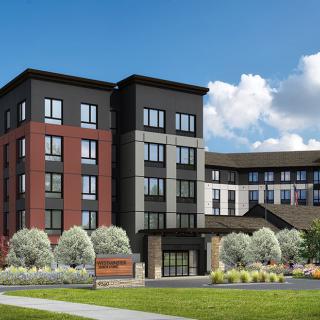





 Vibrant Senior Living: A Comprehensive Guide for Active Older Adults
 When to Transition from Assisted Living to Memory Care: Key Indicators, Steps, and Finding the Right Community
 Assisted Living and Memory Care: Understanding Their Core Differences