For more information about senior living options: (866) 208-4318
3.4 from 31 reviews
5 stars
12
4 stars
8
3 stars
0
2 stars
3
1 stars
8
Overall Review of Colorado State Veterans Home At Fitzsimons
common24 reviews mention this
Staff care comes up often
Staff interactions are described as either genuinely caring or frustratingly inconsistent.
Many residents’ families describe staff as welcoming, helpful, and responsive, including specific praise for front-desk and nursing teams. Several reviewers also call out poor bedside manner, rushed care, and communication problems with billing and updates. Across reviews, patience and respect are a major focus, with some families saying expectations were met when they communicated clearly.
caveat3 reviews mention this
Supervision and the call button
Reviewers describe mixed experiences with getting help when needed.
Some residents’ families say nurses are available to address health issues and provide care promptly. Others report delays in assistance, including concerns that call-button requests are ignored until staff are ready, and that urgent needs are not met consistently. This makes the level of day-to-day responsiveness a recurring point of disagreement.
caveat7 reviews mention this
Cleanliness is sometimes praised
Cleanliness is described as both well-maintained and in need of improvement.
Several reviewers say the facility is clean, including examples of cleanliness in rooms and dining and staff tidying during visits. At the same time, other families report foul odors, filthy bathrooms and shower areas, and dining-area issues, along with trash not being emptied often enough. Reviewers also describe the building as older and in need of refurbishment, which may contribute to the inconsistency in how cleanliness is experienced.
caveat7 reviews mention this
Food quality draws strong reactions
Food is described with both praise for variety and complaints about quality.
Some residents’ families report a good variety of meals and say the food is diverse and well-prepared, including noting dietary staff interactions. Others say the food is not appetizing or is repetitive, and at least one reviewer connects meal service patterns to health complications. A few reviewers highlight diet-related needs, such as how menu choices can affect residents who struggle with eating.
common3 reviews mention this
Memory and dementia support
Dementia and memory-care support is a meaningful part of the experience.
Reviewers who placed loved ones with dementia or Alzheimer’s describe secure or supervised approaches and staff who focus on day-to-day well-being. Memory-care staff in particular are singled out for kindness, engagement, and helping families feel supported during a difficult period. A few reviewers also emphasize how care can depend on setting expectations and staying clear about needs.
caveat2 reviews mention this
Cost is a clear concern
Pricing comes up as a notable drawback for families.
At least two reviewers describe the expense of care as considerable, including one who specifically flags the self-pay cost as high. Another reviewer advises calling to compare, suggesting costs may not align with what some families expected. Overall, pricing is a point of concern even among people who otherwise recommend the facility for care.
How we summarize
Counts show how many written reviews mention each theme; a review can touch several themes, and only frequently mentioned themes are displayed.
Features
Housing
180 resident community capacity
Types of Care
Skilled Nursing Facility
Amenities
Air-conditioning
Beauty salon
Cable or satellite TV
Computer center
Dining room
Fitness room
Fully furnished
Gaming room
Garden
Housekeeping services
Kitchenette
Move-in coordination
Outdoor space
Private bathrooms
Restaurant-style dining
Small library
Telephone
Wellness center
Wi-Fi/high-speed internet available
Transportation
Denver International (12 miles away)
Community operated transportation
Transportation arrangement
Transportation arrangement (non-medical)
Transportation to doctors appointments
Care Services
12-16 hour nursing
24-hour call system
24-hour supervision
Activities of daily living assistance
Assistance with bathing
Assistance with dressing
Assistance with transfers
Diabetes diet
Meal preparation and service
Medication management
Mental wellness program
Special dietary restrictions
Dining
Diabetes diet
Special dietary restrictions
Activities
Community-sponsored activities
Concierge services
Fitness programs
Planned day trips
Resident-run activities
Scheduled daily activities
Nearby Places of Interest
Hospitals
University of Colorado Hospital (0.3 miles)
Children's Hospital Colorado Anschutz Medical Campus (0.6 miles)
Village Pavilion (0.7 miles)
Rocky Mountain Regional VA Medical Center (0.8 miles)
National Jewish Health (5.1 miles)
Cherry Creek Eye Center (5.5 miles)
Physicians
UCHealth Sue Anschutz-Rodgers Eye Center - Anschutz Medical Campus (0.4 miles)
Colorado Kids Pediatrics (3.1 miles)
Health Images (3.7 miles)
The Medical Center of Aurora (4 miles)
Rocky Mountain Cancer Centers (4.2 miles)
VA Jewell Clinic (4.7 miles)
Orthopedic Associates (4.7 miles)
Restaurants
McDonald's (0.8 miles)
Stanley Beer Hall (1.8 miles)
In-N-Out Burger (2.7 miles)
McDonald's (3 miles)
Piper Inn (5.1 miles)
Snooze, an A.M. Eatery (5.2 miles)
Cerebral Brewing (5.3 miles)
Pharmacies
Walgreens (1.1 miles)
King Soopers Pharmacy (1.4 miles)
Walgreens (2 miles)
McKesson Drug Co. (2.3 miles)
Walgreens (2.6 miles)
Walgreens (3.2 miles)
Walgreens (3.9 miles)
Cafes
Dutch Bros Coffee (2.4 miles)
Starbucks (2.6 miles)
Starbucks (4.8 miles)
Starbucks (5.5 miles)
Starbucks (6 miles)
Aviano Coffee (6 miles)
Improper City (7.2 miles)
Parks
Lowry Dog Park (2.7 miles)
Rolling Bluff Park (4.6 miles)
Infinity Park (5.8 miles)
Ash Grove Park (5.8 miles)
City Park (5.9 miles)
Great Plains Park (6.6 miles)
Bonnie Brae Ellipse Park (6.6 miles)
Transportation
United Airlines Flight Training Center (3.2 miles)
RTD Rail - 40th Ave & Airport Boulevard-Gateway Park Station (3.5 miles)
Nursing home care costs in the U.S. vary significantly based on location, level of care, and amenities, with private room prices ranging from approximately $6,700 to over $30,000 monthly. Families need to explore various payment options and conduct thorough research to manage these expenses effectively.
Nonmedical home care provides assistance with daily activities and companionship for individuals wishing to maintain independence and quality of life at home, without medical intervention. Its growing popularity is driven by an aging population, the need for supportive environments for recovery, and the emotional benefits of caregiver companionship, while costs vary based on service frequency and location.
Maintaining cognitive fitness through engaging in various brain games, both traditional and digital, is crucial for seniors as it enhances memory retention, problem-solving abilities, and emotional well-being while helping to protect against age-related decline. A holistic approach that includes diverse activities, physical exercise, a balanced diet, and social interaction further supports mental health and cognitive function.
Get PricingAsk A QuestionSchedule A TourContact Senior Advisor
By clicking submit, you agree to our Partner's Terms of Use. You
also consent to receive calls and texts, which may be autodialed, from our Partner. Your consent is not a condition to
using our Partner's service. Please visit our Partner's Privacy Policy for information about their privacy practices.

 180 resident community capacity
 Skilled Nursing Facility
 Air-conditioning
 Beauty salon
 Cable or satellite TV
 Computer center
 Dining room
 Fitness room
 Fully furnished
 Gaming room
 Garden
 Housekeeping services
 Kitchenette
 Move-in coordination
 Outdoor space
 Private bathrooms
 Restaurant-style dining
 Small library
 Telephone
 Wellness center
 Wi-Fi/high-speed internet available
 Denver International (12 miles away)
 Community operated transportation
 12-16 hour nursing
 24-hour call system
 Activities of daily living assistance
 Assistance with bathing
 Assistance with dressing
 Assistance with transfers
 Diabetes diet
 Medication management
 Mental wellness program
 Special dietary restrictions
 Concierge services
 Planned day trips
 Great access to cafes, parks, healthcare, and entertainment.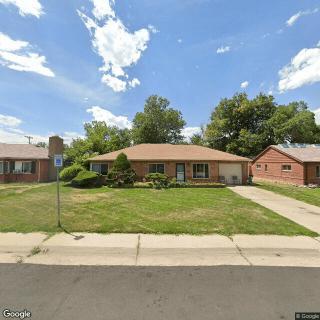
 A Detailed Examination of Nursing Home Costs Across the U.S.
 Exploring Nonmedical Home Care: Understanding Services, Costs, and Financial Approaches
 Engaging Brain Games and Innovative Apps to Keep Senior Minds Active