
8515 Cholla Avenue, Yucca Valley, CA 92284
For more information about senior living options: (866) 208-4318
Overall Review of Desert Manor
Pros
 The staff were absolutely amazing and caring.
 - The admin, nurses, activities director, and CNAs were phenomenal and caring.
- The husband was very well taken care of, and the staff cared for other residents as well.
- The mother-in-law’s care was described as very happy.
- The caregivers were wonderful people who provided excellent care.
Cons
 The facility never answers calls and the hours are terrible.
- Jessica never answers, never returns calls, and never comes out of the office.
- The parent facility and the sister facility are in horrible conditions.
- The staff do not care.
- There have been many falls in this facility.
- The nurse Harriet struggles to deliver news about the falls.
- There are not enough protocols to prevent falls.
- The place is described as horrible and dirty.
- The facility is unsanitary, with feces under the grandmother's bed.
Review
Desert Manor in Yucca Valley is best suited for families that can commit to vigilant, hands-on oversight and are comfortable with significant variability in daily care. The facility’s appeal, when it has care staff available and engaged, rests on a calm, quiet setting and a sense that some residents are treated with kindness. However, that potential is repeatedly undermined by systemic gaps: persistent staffing shortages, inconsistent responsiveness, and a pattern of maintenance and sanitation problems. For families facing costs constraints, Desert Manor may look appealing on price, but the price tag is not the only risk; reliability of care and a clean, safe environment are not consistently guaranteed.
Those who may want to consider alternatives are families requiring reliable, high-quality supervision, aggressive fall prevention, and rigorous cleanliness standards. The reviews describe frequent failures in communication, with office staff and on-site managers hard to reach after hours, leaving families in the dark about a loved one’s condition. Dementia and medical needs that demand steady, well-staffed attention appear to be at odds with the current operational reality here. In short, if a memory-care or medically complex plan hinges on dependable, proactive staff and spotless conditions, other facilities are likely to offer greater peace of mind.
The strongest positives in this setting emerge when staff are present and responsive in a consistent pattern. A number of residents’ families recount compassionate, dedicated care from individual aides and nurses, and note that some directors or frontline staff do advocate for residents. Yet these moments are irregular, and the overarching narrative centers on turnover, low morale, and the sense that care quality rises and falls with who is on shift. When the staff conversation devolves into complaints about workload and scheduling, the resident experience inevitably suffers. The contrast with facilities that maintain steady staffing and robust maintenance highlights Desert Manor’s current fragility: good moments exist, but they are not reliably sustained.
Sanitation and safety concerns dominate the cons, and they have a real impact on decision-making. Multiple reviews describe unsanitary conditions, including feces in residents’ rooms or bathrooms and equipment or surfaces that appear not to be cleaned regularly. There are alarming reports of falls, with families forced to intervene or advocate to obtain information about incidents. The combination of odor, missed belongings, and maintenance failures reinforces a perception that the environment is not consistently managed to a standard that would reassure families of ongoing cleanliness and safety. These factors cannot be dismissed as isolated incidents; they form a pattern that weighs heavily against Desert Manor for anyone prioritizing a pristine, safe living space.
Operational dynamics contribute further to the risk calculus. Hours are described as brittle, with automated after-hours phone systems and limited direct access to decision-makers. Families report that the administrator’s presence fluctuates, making it challenging to address concerns promptly. The morale-related complaints among staff, coupled with visible signs of strain across CNAs, kitchen, and housekeeping, suggest a facility where problems are chronic rather than episodic. For families, this translates into a need for a concrete plan: insist on a named point of contact, require a clear escalation path, and demand documented follow-ups on adverse events, sanitation checks, and falls prevention.
In the end, Desert Manor should be approached with a clear, risk-aware mindset. It is not a universal recommendation for seniors who require dependable, high-standard care, especially for those with advanced dementia, complex medical needs, or strong sanitation requirements. If choosing this community, families should go in with a plan: request current inspection and staffing data, tour with a focus on cleanliness and hazard controls, and insist on written protocols for falls prevention, after-hours communication, and regular family updates. If alternatives exist, particularly facilities with documented clean records, stable staffing, and consistently responsive leadership, they warrant serious consideration, starting with the strongest local options mentioned by reviewers. In the harsh reality of Desert Manor, informed, proactive families are the best defense against a care experience that otherwise risks falling short of expected standards.
 58 resident community capacity
 Skilled Nursing Facility
 Air-conditioning
 Beauty salon
 Cable or satellite TV
 Computer center
 Dining room
 Fitness room
 Fully furnished
 Gaming room
 Garden
 Housekeeping services
 Kitchenette
 Move-in coordination
 Outdoor space
 Private bathrooms
 Restaurant-style dining
 Small library
 Telephone
 Wellness center
 Wi-Fi/high-speed internet available
 Palm Springs International (19 miles away)
 Community operated transportation
 12-16 hour nursing
 24-hour call system
 Activities of daily living assistance
 Assistance with bathing
 Assistance with dressing
 Assistance with transfers
 Diabetes diet
 Medication management
 Mental wellness program
 Special dietary restrictions
 Concierge services
 Planned day trips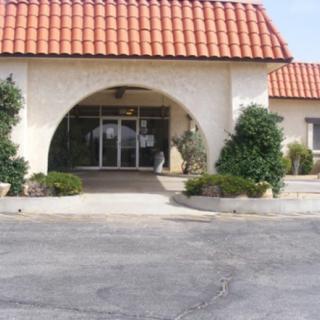





 Managing Nursing Home Expenses After Medicare Coverage Ends
 Is a Geriatric Care Manager the Right Choice for Your Family?
 Compassionate Conversations: How to Comfort Someone Who Is Grieving