
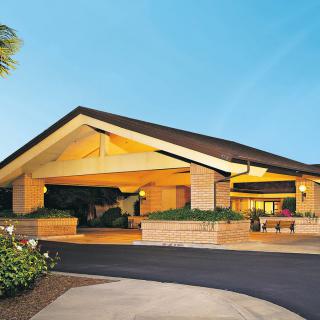
1925 East Houston Avenue, Visalia, CA 93292
For more information about senior living options: (866) 208-4318
Overall Review of Redwood Springs Healthcare Center
Pros
 The nursing care is excellent.
- All the staff are very polite and quick to answer the call lights.
- They show how much they care about the residents.
- CNAs go above and beyond to ensure every resident receives the best care.
- The staff seemed friendly.
- The facility has ample outdoor areas for smokers.
- The staff made an effort to do something special for the residents and their families.
- The food smelled good.
- The reviewer would recommend the facility.
Cons
 They are not very good at answering phones.
- They keep callers on hold for long periods.
- The problems are not a one-time occurrence.
- The staff is incompetent.
- The mother did not receive vital medications during her stay.
- The staff was unapologetic and rude.
- The lack of quality care and education among the staff is horrifying.
- Do not send a loved one to this place.
- The mother is back in the hospital with fluid in her lungs and severe anemia.
- There were noticeable odors.
Review
Redwood Springs Healthcare Center in Visalia is best suited for families seeking hands-on skilled nursing care delivered with visible attentiveness from CNAs and nurses, especially for a short-term post-acute stay where prompt, reliable bedside tasks matter. The setting favors residents who prioritize direct medical attention, clear day-to-day care, and a sense of community over sleek amenities. It is a practical choice when the primary objective is effective clinical support and the ability to manage recovery needs, with the understanding that the environment and administrative systems may not be showroom-grade.
Those who may want to consider alternatives include families that require flawless medication management and consistently seamless communication from the front desk and administration. If long-term residency with stable staffing across shifts, predictable updates, and a modern, inviting atmosphere is non-negotiable, this facility may not meet expectations. The combination of an older facility, occasional odors, and reports of inconsistent responsiveness can heighten worry for caregivers who want steady reliability and a tightly run operation.
On the positive side, nursing care is described as excellent, with staff who are polite and quick to respond to call lights. CNAs are said to go above and beyond to ensure residents’ safety and comfort, which translates into meaningful daily support for those recovering from surgery or illness. The facility’s multi-unit structure and outdoor spaces provide tangible opportunities for movement and fresh air, while occasional efforts to create moments of normalcy, such as themed activities or family-friendly events, signal a genuine, if imperfect, commitment to resident well-being. These strengths establish a credible core of clinical capability that can anchor a recovery plan.
The most troubling realities center on inconsistent administrative performance and gaps in essential care processes. Recurrent phone delays and difficulty reaching staff impede timely communication with families. Several accounts describe missed medications, insufficient wound care, and delays in response to urgent needs like rescue inhalers, all delivered with descriptions of staff attitudes that undermine accountability and empathy. Odors and the overall atmosphere of an aging facility contribute to a sense that the environment does not consistently support dignity or comfort. Taken together, these factors represent real risks that can derail recovery and erode trust in the care team.
These bedside strengths can offset some risk, but only to a limited degree. When nursing attention is present and CNAs respond promptly, daily care can remain robust, and residents can feel seen and tended to. However, the safety and continuity of care hinge on reliable medication administration and steadfast front-desk communication, areas where problems have been repeatedly reported. Environmental drawbacks, persistent odors and dated infrastructure, further dilute the overall experience and cast doubt on long-term consistency. In practical terms, Redwood Springs may work for someone who prioritizes direct clinical attention over the systems and environment that support ongoing, predictable care.
For families weighing options, a disciplined, on-site evaluation is essential. Observe call-light responsiveness during peak activity times, verify medication administration protocols, and review recent inspection or survey records to gauge compliance and improvements. If the goal is rapid post-acute stabilization with warm, available bedside care, Redwood Springs warrants serious consideration, provided a clear plan exists to monitor and address any ongoing administrative gaps. For those who cannot compromise on dependable admin systems, transparent communication, and a more modern, home-like setting, alternatives with stronger front-end operations and environmental quality should be pursued with equal seriousness. The decision ultimately centers on whether the proven clinical attentiveness can outweigh the persistent administrative weaknesses and environmental drawbacks.
 176 resident community capacity
 Skilled Nursing Facility
 Air-conditioning
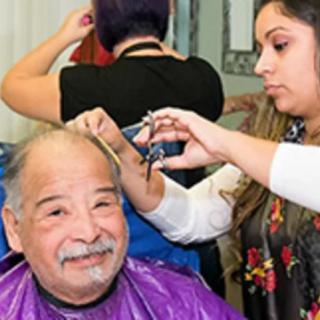
 Beauty salon
 Cable or satellite TV
 Computer center
 Dining room
 Fitness room
 Fully furnished
 Gaming room
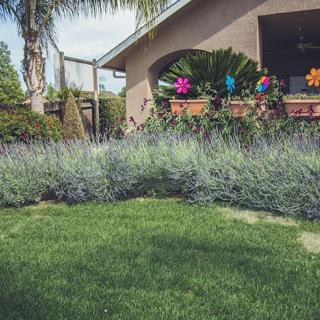
 Garden
 Housekeeping services
 Kitchenette
 Move-in coordination
 Outdoor space
 Private bathrooms
 Restaurant-style dining
 Small library
 Telephone
 Wellness center
 Wi-Fi/high-speed internet available
 Community operated transportation
 12-16 hour nursing
 24-hour call system
 Activities of daily living assistance
 Assistance with bathing
 Assistance with dressing
 Assistance with transfers
 Diabetes diet
 Medication management
 Mental wellness program
 Special dietary restrictions
 Concierge services
 Planned day trips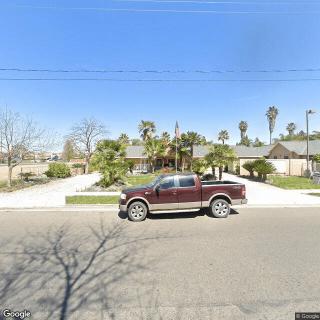
 Financing Long-Term Nursing Home Care Through Social Security: A Thorough Exploration
 Essential Knowledge on Pneumonia in Older Adults
 Exploring Palliative Care in the Home: A Comprehensive Overview