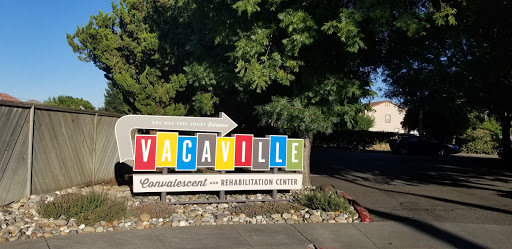
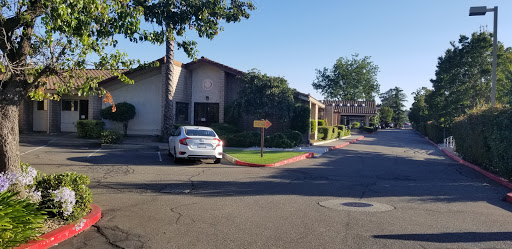
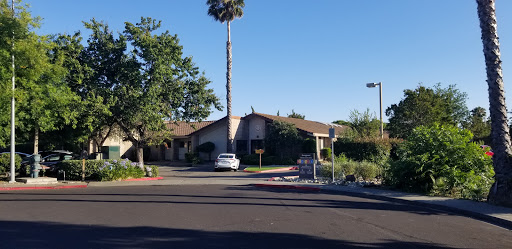


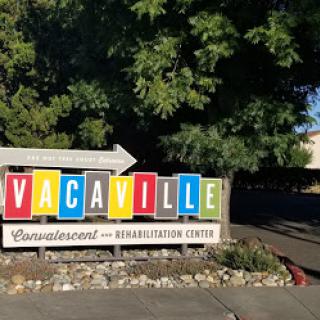


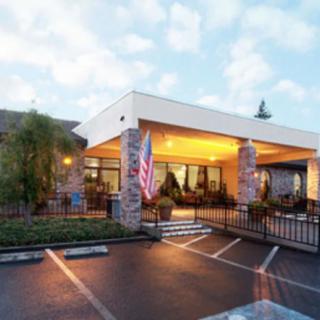
585 Nut Tree Court, Vacaville, CA 95687
For more information about senior living options: (866) 208-4318
Overall Review of Vacaville Convalescent & Rehab
Pros
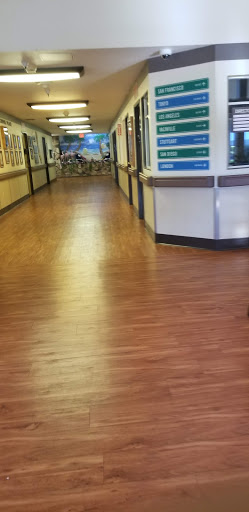
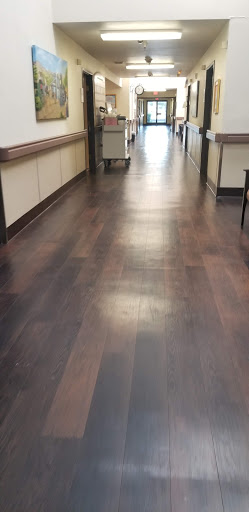
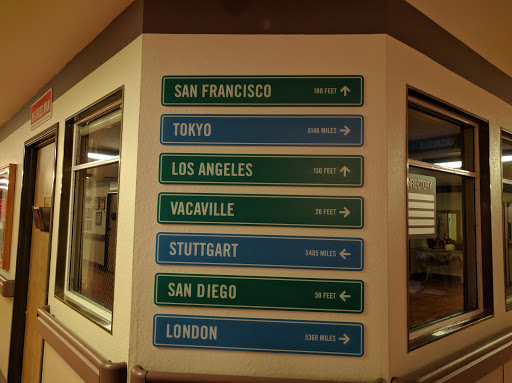
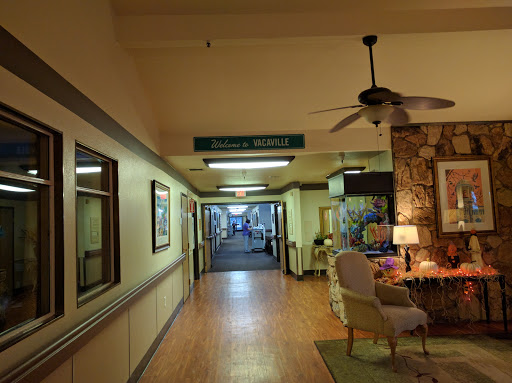
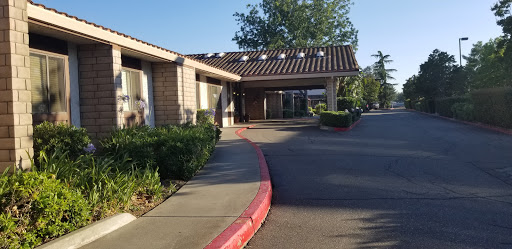
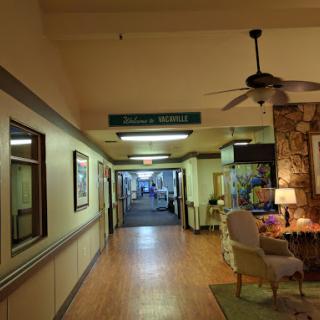
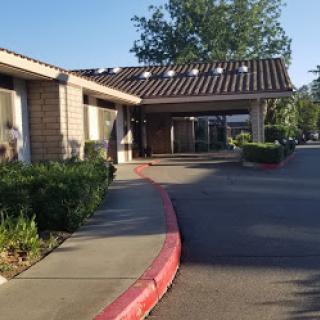
 The facility looks nice and cheerful.
- There were a few nurses who were great.
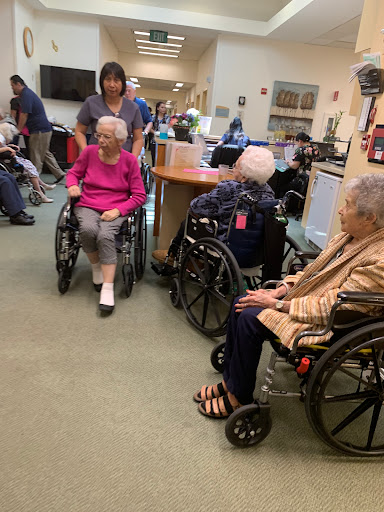
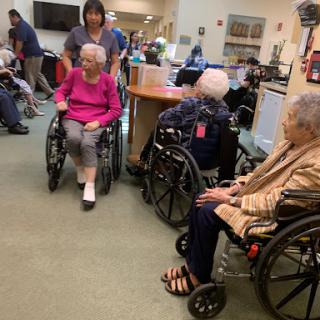
- There are daily activities for residents, which are nice.
- The staff were attentive and well trained.
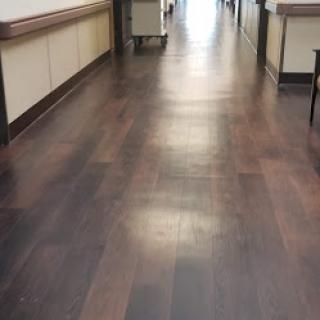
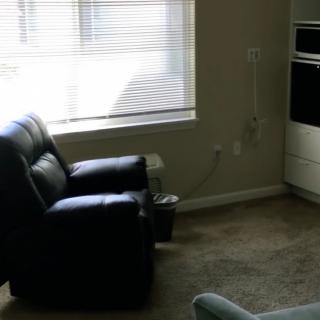
- The facility was very clean and did not smell like a hospital.
- The food was good.
- They offer a salon where residents can get their hair done.
- The rehabilitation staff worked well for patients.
Cons
 The lack of quality care was unbelievable.
- It takes 30-60 minutes to get a response after the nurse call button is pressed.
- The food was always cold and didn't taste good.
- The mom lost 10 pounds in one week, and staff did nothing.
- The bad nurses far outnumbered the good ones.
- The mom threw up in bed and staff gave her a towel to cover the wet spot rather than changing the bed.
- She was given 15 pills to take at once, many of which weren't necessary.
- The cost charged to residents to stay there was concerning.
Review
This community is best suited for seniors who are transitioning from rehab-worthy care and want a clean, pleasantly maintained environment with reliable therapy services and an active social life. Review patterns point to strong rehabilitation potential, attentive staff in many shifts, and a facility that feels more like a home than a hospital. Families should expect helpful therapists, decent dining options, and a calendar of daily activities that can keep a resident engaged. It works best when families can stay involved, ask questions, and monitor day-to-day care to ensure consistent experience across shifts.
Those who may want to consider alternatives are residents who require near-immediate nurse responsiveness, stringent medication management, or consistently quiet, low-stimulation surroundings. Several accounts call out slow nurse call responses and concerns about overmedication or incomplete bedside care, suggesting that high-acuity needs or a preference for rigorous clinical oversight may be better served elsewhere. Privacy sensitivities, such as frequent room-sharing and potential noise from activity areas, also deserve attention for anyone prioritizing a very private, predictable routine.
On balance, the strongest positives, rehabilitation quality, cleanliness, and a staff culture that genuinely shows up for residents, help offset many drawbacks. Positive reviewers cite excellent physical therapy and a level of attentiveness that elevates the overall experience, especially after surgery or during recovery. Cleanliness remains a consistent theme, with residents noting well-kept rooms and a dining environment that feels welcoming rather than clinical. The social framework matters too: daily activities, accessible grooming services, and the occasional special dinner demonstrate a commitment to quality-of-life that can cushion concerns about inconsistent responsiveness or routine gaps.
Yet the candid downsides cannot be ignored. The most troubling pattern centers on delayed responses to nurse calls, which can leave a resident waiting for assistance when help is most needed. Several accounts recount weight loss and insufficient bedside care, including a failure to change a bedsheet or address a vomiting incident promptly. Medication management raises questions as well, with mentions of large pill burdens and potential redundancies. Room-sharing challenges, a loud activity room atmosphere, and limited shower frequency, twice a week in some cases, also challenge comfort and dignity. Finally, cost considerations and alleged hesitation from administrators to act on written complaints complicate the decision for families weighing long-term commitments.
For families evaluating this community, a practical decision plan is essential. Schedule a tour during a typical shift to observe nurse-response times firsthand, and ask for specific data on nurse-to-resident ratios, as well as who supervises med distribution and changes in treatment plans. Probe the dining program, meal quality, room service options, and how private rooms versus shared spaces are assigned, and request a clear explanation of the policy on bathing, laundry, and personal care routines. Demand transparency about costs, what is included, and how billing disputes are handled. If possible, speak with current residents and family members about consistency of care across weekends and holidays, and request concrete steps the administration will take to address any shortcomings.
Ultimately, Vacaville Convalescent & Rehab best serves families prioritizing robust rehab, a clean, supportive environment, and a social, activity-rich setting, with the caveat that ongoing family oversight will be necessary to mitigate care gaps. For those whose primary requirement is unflagging nursing responsiveness, stringent clinical oversight, or a highly private living experience, alternatives should be pursued. The facility can shine for recovering patients and their loved ones who are prepared to partner actively with staff, monitor care closely, and leverage the strong rehab and quality-of-life offerings as a foundation while remaining vigilant about the areas that have drawn concern.
 120 resident community capacity
 Skilled Nursing Facility
 Air-conditioning
 Beauty salon
 Cable or satellite TV
 Computer center
 Dining room
 Fitness room
 Fully furnished
 Gaming room
 Garden
 Housekeeping services
 Kitchenette
 Move-in coordination
 Outdoor space
 Private bathrooms
 Restaurant-style dining
 Small library
 Telephone
 Wellness center
 Wi-Fi/high-speed internet available
 Community operated transportation
 12-16 hour nursing
 24-hour call system
 Activities of daily living assistance
 Assistance with bathing
 Assistance with dressing
 Assistance with transfers
 Diabetes diet
 Medication management
 Mental wellness program
 Special dietary restrictions
 Concierge services
 Planned day trips




 Comprehensive Insights into Palliative Home Care: What It Is and What to Expect
 Skilled Nursing Facilities vs. Nursing Homes: Making Sense of the Differences
 A Detailed Examination of Nursing Home Costs Across the U.S.