
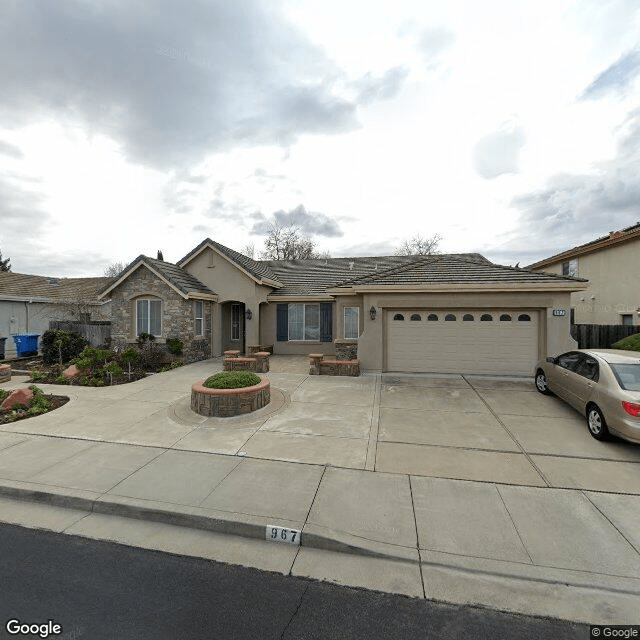
967 Zephyr Lane, Vacaville, CA 95687
For more information about senior living options: (866) 208-4318
Bert Lilleen Care Home Costs & Pricing
Bert Lilleen Care Home offers competitive monthly rates for its residents, particularly when compared to the broader financial landscape of Solano County and California. For a semi-private room, the cost at Bert Lilleen is $2,000, which is significantly lower than both the county average of $2,762 and the state average of $3,333. Similarly, their private rooms are priced at $2,200, again more affordable than Solano County's rate of $3,482 and California's average of $3,939. This pricing strategy highlights Bert Lilleen Care Home's commitment to providing quality care while ensuring accessibility for families seeking residential options in a challenging financial environment.
| Floor plans | Bert Lilleen Care Home | Solano County | California |
|---|---|---|---|
| Semi-Private | $2,000 | $2,762 | $3,333 |
| Private | $2,200 | $3,482 | $3,939 |
Assisted Living communities with a similar price nearby
-
from -$100 / mo
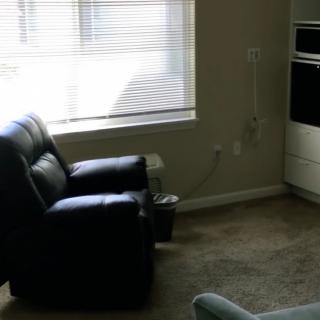
Paramount House Senior Living
$1,900 to $4,695 / month2.3 miles away -
About the same

Cogir Of North Bay
$2,000 to $4,000 / month22.6 miles away -
from +$200 / mo
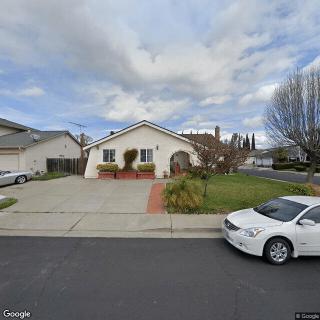
Dover Valley Residential Care Home
$2,200 to $3,000 / month6.8 miles away -
About the same
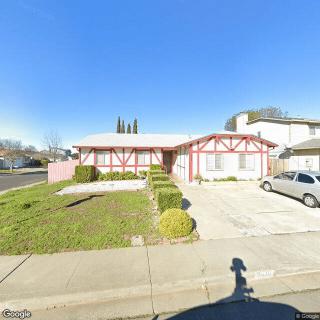
Golden Haven Care Home II
$2,000 to $2,500 / month8.0 miles away -
from -$354 / mo

Later Years Senior Care Home
$1,646 / month23.9 miles away
Overall Review of Bert Lilleen Care Home
Pros
 The home has a very homey feel.
- The caregivers pay excellent attention to residents.
- The home is a caring and loving small care home.
- The home is kept clean and provides a nice environment.
- The care home has multiple fruit trees and a vegetable garden.
- The food is freshly made.
- People would want to live at this care home.
- They are doing a good job so far.
- The food and activities seem to be pretty good.
Review
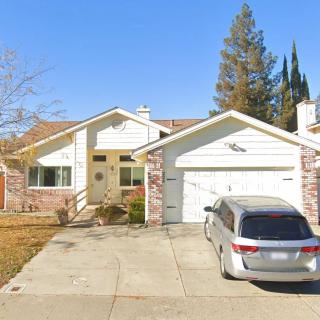
Bert Lilleen Care Home in Vacaville is best suited for seniors who want a truly intimate, home-like atmosphere where caregivers deliver hands-on, compassionate attention in a small, clean setting. The environment prioritizes personal connections, with residents living in a house-shaped care setting rather than a sterile institutional unit. Families seeking daily warmth, easy access to staff, and a routine that keeps daily life predictable and comfortable will find this community aligns with those preferences. The combination of attentive caregivers, a tidy and pleasant living space, and a homelike vibe makes it an excellent fit for residents who flourish in close, low-traffic environments.
Those weighing alternatives should consider whether the resident requires higher levels of medical oversight, complex nursing needs, or dementia-specific programming. A larger assisted living community or a facility with on-site skilled nursing and a broader array of medical services may be more appropriate for individuals with significant health concerns or specialized care requirements. Additionally, families who place a premium on expansive social calendars, diversified programming, or hospital-style services might find a bigger community better suited to their expectations. In short, this setting shines for comfort and personal care, but for certain medical or memory-care demands, other options deserve evaluation.
The strongest pros, an undeniable homey feel and consistently attentive caregiving, drive meaningful advantages that tend to offset the lack of institutional scale. Caregivers appear to provide excellent attention, reinforcing a sense of safety and trust for residents and families alike. The clean, welcoming environment supports daily well-being, while the small size fosters meaningful relationships between residents and staff. The fresh, lovingly prepared meals, the presence of fruit trees and a vegetable garden, and the emphasis on enjoyable activities contribute to a positively engaged daily life. In a setting where relationships and routine matter, these attributes translate into steady satisfaction and peace of mind for families.
There is no evident, widespread drawback highlighted in the reviews, but the implicit trade-off of a small, home-based model deserves consideration. The strongest counterpoint is the potential for more limited access to extensive medical services or highly specialized programming. When care needs remain moderate and social engagement is a priority, the small scale can be a distinct advantage, ensuring responses are prompt and personalized. If a residentā€™s plan includes frequent medical management beyond what a small care team can safely and comfortably handle, it becomes prudent to confirm on-site nursing coverage, visiting clinicians, and a clear protocol for escalation. In practice, the pros seem well-tuned to offset these considerations for the right resident.
For families evaluating Bert Lilleen Care Home, a practical decision framework helps seal the choice. Verify staffing patterns and ratios, understand who administers medications, and confirm the presence (or reliable access to) on-site nursing support. Probe the activity calendar to gauge engagement levels and personalization; ask how meals are adapted for dietary restrictions and preferences, and whether the garden and kitchen offerings translate into meaningful daily routines. Clarify transportation options, house rules, and emergency procedures. Finally, discuss pricing and what is included, so the decision rests on concrete value rather than impression.
Overall, Bert Lilleen Care Home is a powerful option for seniors who prize warmth, attentiveness, and a compact, nurturing environment. The consistency of praise around caregiver devotion, cleanliness, and fresh, well-prepared meals positions it as a standout choice for households seeking a trusted, intimate setting. Families with a loved one who thrives on personal attention, meaningful daily activities, and the comfort of a small-scale home will find this community compelling. Those requiring more extensive medical infrastructure or dementia-specific programming should evaluate alternatives with broader clinical supports, but for many seniors, the appeal here is undeniable and compelling.
 6 resident community capacity
 Assisted Living
 Board and Care Home
 Respite Care
 Activities on-site
 Cable or satellite TV
 Dining room
 Fully furnished
 Garden
 Housekeeping services
 Move-in coordination
 Outdoor common areas
 Private
 Telephone
 Wi-Fi/high-speed internet available
 24-hour supervision
 Assistance with bathing
 Assistance with dressing
 Assistance with transfers
 Diabetes diet
 Diabetic care
 Incontinence care
 Meal preparation and service
 Medication management
 Special dietary restrictions
 Transportation arrangement (medical)
 Transportation to doctors appointments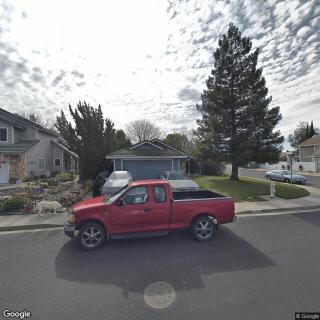


 Medicare Coverage for Assisted Living: An In-Depth Exploration
 Choosing the Right Senior Care: A Detailed Exploration of Assisted Living and Nursing Homes
 Understanding the True Cost of Assisted Living in 2025: A Comprehensive Guide