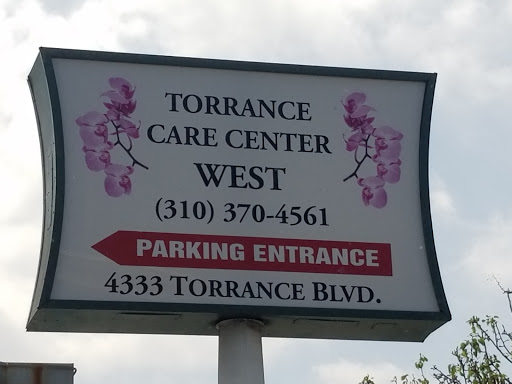
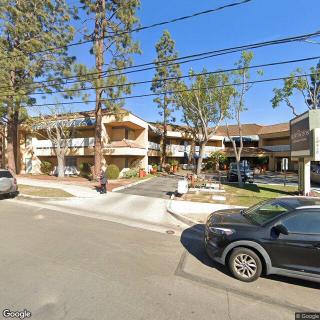
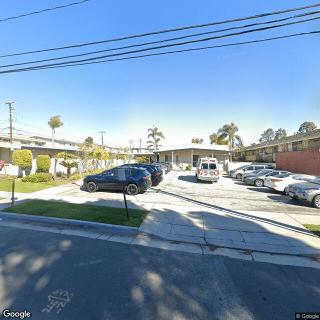
4333 Torrance Boulevard, Torrance, CA 90503
For more information about senior living options: (866) 208-4318
Overall Review of Torrance Care Center West
Pros
 The staff is nice.
- The food and activities are very good.
- The hallway and rooms are neat and clean.
- The best feature is the staff, from the custodian to the Director.
- They provide excellent, compassionate care tailored to the residents’ disabilities.
Cons
 The facility provides poor customer service and poor phone communication.
- The phones are rarely answered and frequently malfunction, making it hard to reach patients.
- The building has no patio for residents and is closed off.
- Visitation is limited to half an hour, preventing outsiders from seeing residents' sleeping areas.
- Care appears to be best only during inspections or board visits.
- Residents rarely receive the better food items; meat deliveries are largely withheld.
- Personal items frequently go missing.
- Hygiene is neglected and residents are not bathed regularly.
Review
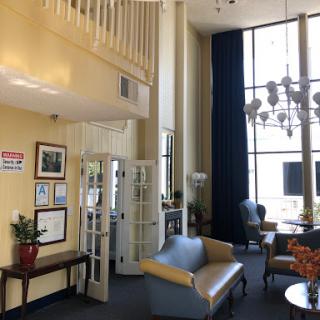
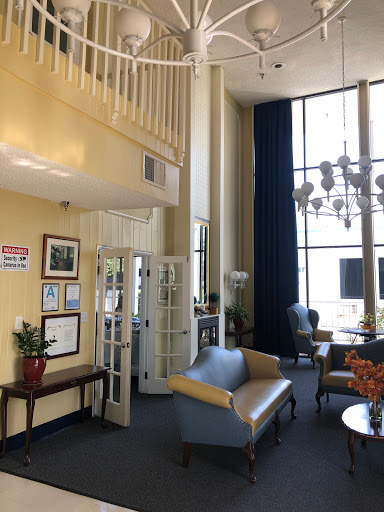
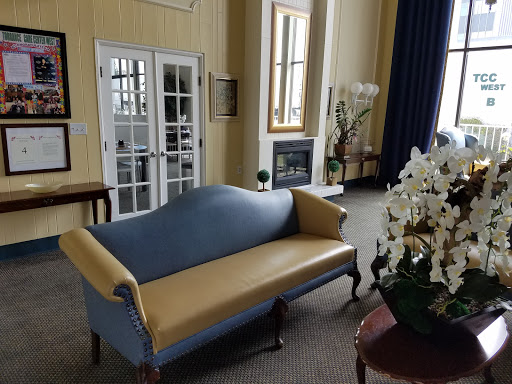
Torrance Care Center West is best suited for families operating on a tight budget who can tolerate a basic, older-plant facility with uneven service and significant oversight needs. The community has a long history and shows some redeeming traits: orderly common areas, a commendable level of cleanliness for a 40-plus-year-old building, and a staff culture that many residents and families describe as friendly and attentive. When problems arise, the staff are often praised for their dedication, and there are indications that meals and activities can be engaging for residents who fit the facility’s pace. In short, it can work for residents whose families are ready to advocate, monitor, and supplement care on an ongoing basis.
Those who may want to consider alternatives are clear: if reliable communication, transparent daily operations, and robust safety oversight are non-negotiable, this is not the place to pin those hopes. Several reviews highlight a pattern of poor customer service and poor communication, with phones frequently going unanswered and staff to family outreach being inconsistent. Families should not expect easy access to decision-makers or timely updates about a loved one’s status. The facility’s structure compounds this risk: a closed building with restricted outdoor access and limited visitation windows, along with the inability to observe residents’ sleeping areas, makes ongoing supervision and reassurance much harder for families.
The strongest positives, friendly staff across roles, decent cleanliness, and engaging activities, do offset some daily frictions but not the core reliability and safety gaps. A resident with long-term experience at the center notes that the hallways and rooms are neat and clean, and that the caregiving staff show excellence in compassionate care within the constraints of the setting. The same voice acknowledges room for improvement in aging infrastructure and repairs, yet to many families, those positives point to a facility that can meet routine needs if tempered by strong on-site advocacy. The contrast between good dining and activity experiences and the absence of consistent oversight is where the calculus shifts decisively.
However, the list of cons remains daunting and hard to ignore. Chronic communication breakdowns, phone issues, and inconsistent responsiveness undermine any comfort about staffing competence. Safety and security concerns surface in troubling ways: reports of residents wandering out of sight or being left unsupervised, and several accounts of personal items going missing. Hygiene lapses in care routines, such as residents not being bathed regularly, add another layer of risk and disappointment for families counting on steady, respectful treatment. The overall impression is a facility that can function under calm conditions but bears fragility under strain, especially when staffing stress or administrative gaps appear.
For a decision-focused approach, prospective families should demand concrete assurances before placing a loved one here. Insist on a current, transparent tour that includes access to resident spaces, a realistic overview of daily routines, and a detailed explanation of safety protocols and wandering risks. Inquire about how often care plans are updated, how communication with families is structured (who answers the phone, response times, and preferred contact channels), and what steps are taken when issues arise. Scrutinize the level of modernization planned for common areas and bedrooms, and request a clear schedule for improvements. Consider whether the distance from family support is workable and whether the family can reasonably compensate for gaps with regular visits and oversight.
Ultimately, Torrance Care Center West will not be the right fit for most families seeking dependable, transparent, and safely supervised care. It may be a viable option for those with very limited budgets who are prepared to act as active advocates, stay closely engaged in daily routines, and tolerate ongoing inconsistencies. For anyone prioritizing consistent communication, predictable safety oversight, and a facility that is genuinely easier to monitor and improve, exploring higher-rated alternatives is the prudent course. The recommendation is clear: weigh the value of affordability against the likelihood of ongoing supervision challenges, and favor options where families feel confident in clear, responsive leadership and measurable improvements over time.
 195 resident community capacity
 Skilled Nursing Facility
 Air-conditioning
 Beauty salon
 Cable or satellite TV
 Computer center
 Dining room
 Fitness room
 Fully furnished
 Gaming room
 Garden
 Housekeeping services
 Kitchenette
 Move-in coordination
 Outdoor space
 Private bathrooms
 Restaurant-style dining
 Small library
 Telephone
 Wellness center
 Wi-Fi/high-speed internet available
 Los Angeles International (8 miles away)
 Community operated transportation
 12-16 hour nursing
 24-hour call system
 Activities of daily living assistance
 Assistance with bathing
 Assistance with dressing
 Assistance with transfers
 Diabetes diet
 Medication management
 Mental wellness program
 Special dietary restrictions
 Concierge services
 Planned day trips






 Fecal Incontinence in Older Adults: A Comprehensive Guide
 Recognizing the Journey: Understanding and Navigating Anticipatory Grief
 Encouraging Participation in Adult Day Care: A Guide to Supporting a Hesitant Parent