For more information about senior living options: (866) 208-4318
3 from 77 reviews
5 stars
31
4 stars
8
3 stars
0
2 stars
4
1 stars
34
Overall Review of The Earlwood
common
Staff attentiveness is a mixed bag
Residents describe both very responsive care and serious communication problems.
Many reviewers say staff were friendly, warm, and quick to respond to questions and call lights, and several families describe nurses and therapists as going above and beyond. Other reviews take the opposite view, citing issues like poor bedside manners, delays in getting help, and difficulty reaching a supervisor or getting calls returned. Communication problems also show up in comments about not relaying conditions and concerns about medication handling.
differentiator
Rehab therapy is a highlight
Rehabilitation services are a frequent focus of reviewers.
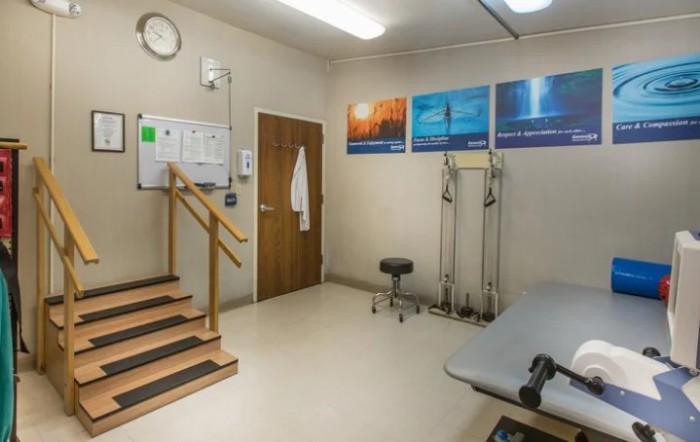
Several reviews mention rehabilitation progress and describe therapy as helpful, including physical, occupational, and speech therapy. Others explicitly connect their experience to rehab and observation after hospital transfers, including help with vitals, checks, and scheduled care. A smaller set of negative reviews dispute whether therapy and core care needs happened as expected.
common
Cleanliness and odors divide opinion
Some reviewers praise cleanliness, while others report unsafe, filthy conditions.
A number of reviewers describe the facility as clean, immaculate, and free of unpleasant odors, and they also mention routine cleanliness like linens. Other reviews report the opposite—filthy bathrooms, dirty rooms, and cleanliness concerns serious enough to call the environment unsafe. There are also a few comments about smells like a hospital odor or burning incense that visitors found concerning.
caveat
Dining quality and dietary fit vary
Dining is described as sometimes good, but diet concerns are recurring.
Some reviewers say meals were pretty good or satisfactory and note dietary restrictions being considered. Others describe the food as bad or served cold, with concerns that special diets—especially diabetic-related needs—were not followed. A reviewer also raised a concern about the kitchen ignoring special needs, and there were additional complaints that dining conditions and taste were poor.
caveat
Care safety concerns appear in negatives
Some reviews include serious concerns about care delivery and safety.
Negative reviews include allegations of missing medications, untreated pain, and delays in basic needs like turning or bedside support. Multiple complaints reference infection or wounds, including bedsores and sepsis, alongside calls for better staffing and oversight. Even among mixed experiences, some reviewers emphasize that they had to stay on top of care needs rather than rely on routine follow-through.
How we summarize
We summarize when many written reviews mention each theme; a review can touch several themes, and only frequently mentioned themes are displayed.
Features
Housing
21 resident community capacity
Types of Care
Assisted Living
Skilled Nursing Facility
Amenities
Beauty salon
Cable or satellite TV
Dining room
Fully furnished
Garden
Guasts at mealtime
Housekeeping services
Kitchenette
Move-in coordination
Outdoor space
Telephone
Wi-Fi/high-speed internet available
Transportation
Los Angeles International (8 miles away)
Long Beach (Daugherty) (12 miles away)
Burbank-Glendale-Pasadena (25 miles away)
Care Services
24-hour call system
24-hour supervision
Activities of daily living assistance
Assistance with bathing
Assistance with dressing
Assistance with transfers
Coordination with health care providers
Diabetes diet
High acuity care
Meal preparation and service
Medication management
Mental wellness program
Special dietary restrictions
Transportation arrangement (medical)
Transportation to doctors appointments
Dining
Diabetes diet
Special dietary restrictions
Activities
Community-sponsored activities
Scheduled daily activities
Languages Spoken
English
Mandarin
Spanish
Tagalog
Nearby Places of Interest
Located in Torrance, California, this neighborhood offers a range of amenities and services that cater to senior residents. With multiple pharmacies such as CVS and Rite Aid nearby, access to medication and healthcare is convenient. There are also several reputable physicians within a short distance, including Lighthouse Pediatrics and UCLA Health Manhattan Beach Pediatrics. For leisure activities, residents can enjoy dining options like In-N-Out Burger and Lazy Dog Restaurant & Bar, as well as theaters such as AMC Del Amo 18 for entertainment. Nearby parks like Sunnyglen Park and Polliwog Park offer opportunities for outdoor recreation. Public transportation options are easily accessible with the Aviation/LAX Metro Station and Metro Rail - Hawthorne/Lennox within a reasonable distance for seniors looking to explore the surrounding areas. Additionally, places of worship like St Catherine Laboure Church provide spiritual support for those seeking community connections. Overall, this part of Torrance provides a variety of resources to support a comfortable and fulfilling senior living experience.
Pharmacies
CVS Pharmacy (0.3 miles)
Rite Aid (1.1 miles)
CVS Pharmacy (1.2 miles)
CVS Pharmacy (1.6 miles)
Walgreens (1.6 miles)
CVS Pharmacy (1.6 miles)
Walgreens (1.7 miles)
Physicians
Lighthouse Pediatrics (0.4 miles)
Harbor Ucla Medical Center - David Durkovich Do (3.7 miles)
UCLA Health Manhattan Beach Pediatrics (3.8 miles)
Paulson Theresa A Palos Verdes Dermatology Rolling Hills Estates (5 miles)
Monica B Espiritu M.D. | Kaiser Permanente (5 miles)
Restaurants
McDonald's (0.6 miles)
In-N-Out Burger (0.6 miles)
Lazy Dog Restaurant & Bar (0.8 miles)
King's Hawaiian Bakery (1.8 miles)
Jus' Poke (1.9 miles)
Redondo Beach Pier (1.9 miles)
Tendon Tempura Carlos Junior Restaurant (2.5 miles)
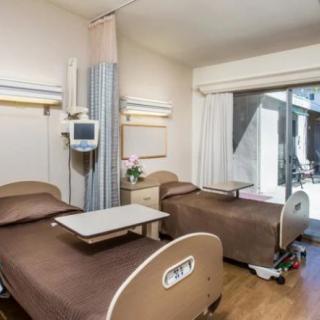
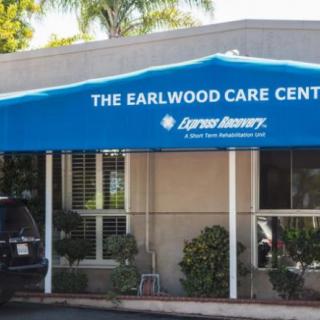
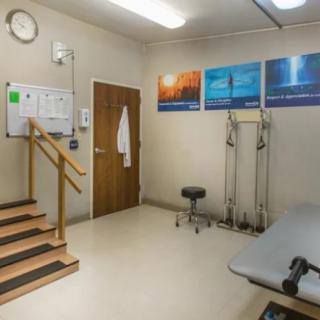
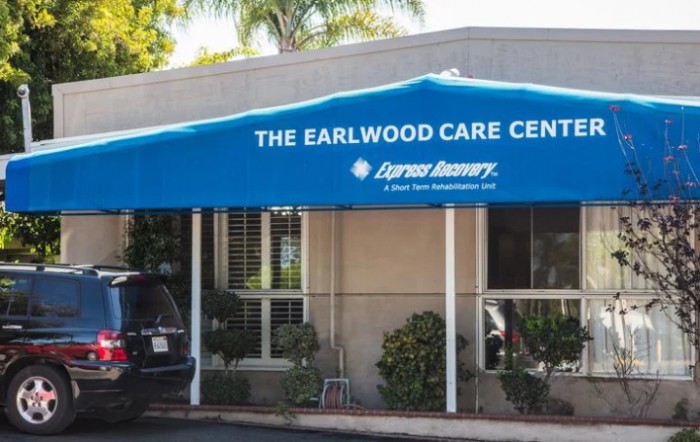
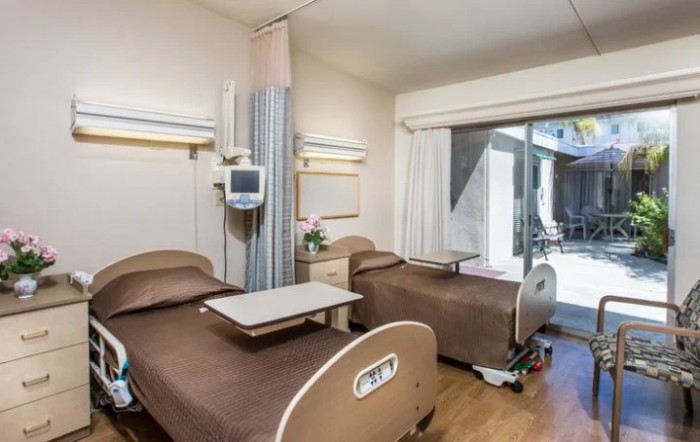
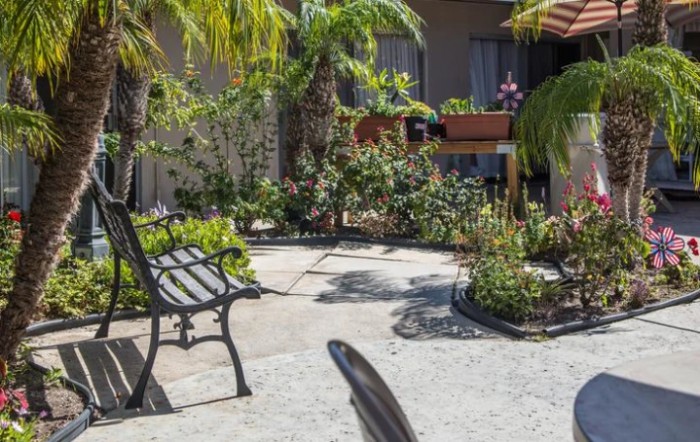
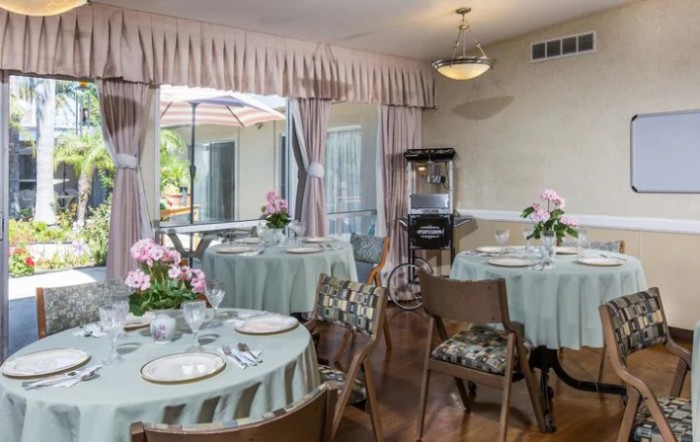
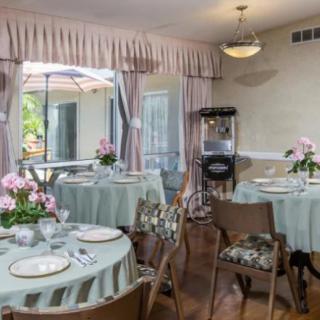
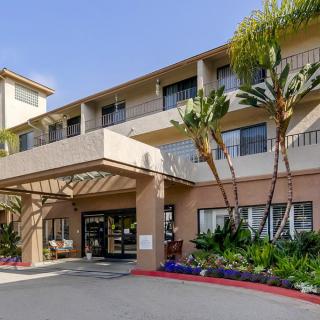
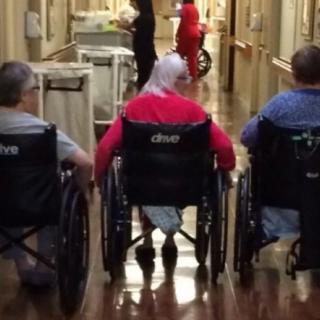
The Earlwood on seniors.fyi includes 6 photos including images showing healthcare, building, awning, entrance, interior, physical therapy, rehabilitation, garden, and more.
Nearby Communities
Spring Senior Assisted Living
Torrance, CA
4.5 from 42 reviews
$4,500 to $5,500 / month
Clean, inviting, and well-managed with personalized care in a smaller, home-like setting.
Huntington Retirement Hotel
Torrance, CA
4 from 41 reviews
$2,500 to $4,300 / month
Caring staff, clean and updated rooms, engaging activities, and strong family involvement.
Driftwood Healthcare Center
Torrance, CA
4.1 from 77 reviews
Extensive amenities and comprehensive care services (transportation, wellness programs, dining, activities, and beauty/grooming).
HomeWell Care Services of Torrance, CA
Torrance, CA
4.6 from 10 reviews
$5,850 to $7,050 / month
Leadership with firsthand dementia experience and proactive, well-matched caregivers.
New Beginning Home Care Services LLC
Torrance, CA
5 from 3 reviews
Convenient location with nearby dining, parks, and healthcare amenities.
Santa Fe Home Care IV
Torrance, CA
4 from 6 reviews
$4,000 to $5,000 / month
Supportive environment with on-site activities and responsive management.
Brookdale South Bay
Torrance, CA
4.7 from 78 reviews
$4,630 to $9,635 / month
Friendly staff, clean environment, and a broad range of activities and dining options create an engaging, welcoming community.
Royalwood Care Center
Torrance, CA
4.3 from 40 reviews
Comprehensive skilled nursing with 24-hour supervision and diverse amenities.
The Kensington Redondo Beach
Redondo Beach, CA
4.9 from 97 reviews
$4,995 to $11,498 / month
Exceptional staff with clear communication, on-site nurses, and personalized care in an upscale, welcoming setting.
The transition from assisted living to skilled nursing care is often prompted by complex medical needs that assisted living cannot meet, with key indicators including frequent health declines, increased falls, severe memory issues, and caregiver burnout. Families should recognize these signs early to discuss options with healthcare providers and prepare for the emotional and logistical aspects of moving to a facility that offers comprehensive medical support.
Vibrant Senior Living emphasizes active senior living communities that promote independence and engagement through diverse amenities and activities, fostering wellness and social interaction among older adults. These communities range from independent to assisted living, with a focus on personal growth, family involvement, financial planning, and leveraging technology to enhance residents' experiences.
Transitioning from assisted living to memory care is driven by an individual's cognitive decline and specific needs, requiring careful evaluation of indicators like increased confusion and wandering. The process involves consulting medical professionals, researching suitable communities, considering financial and legal aspects, and ensuring effective communication for personalized care plans.
Dining, Windows, Table Settings, and Popcorn Machine
Building, Entrance, and Awning
Garden, Outdoor, Patio, and Palm Trees
Healthcare
Rehabilitation and Physical Therapy
Get PricingAsk A QuestionSchedule A TourContact Senior Advisor
By clicking submit, you agree to our Partner's Terms of Use. You
also consent to receive calls and texts, which may be autodialed, from our Partner. Your consent is not a condition to
using our Partner's service. Please visit our Partner's Privacy Policy for information about their privacy practices.

 21 resident community capacity
 Assisted Living
 Skilled Nursing Facility
 Beauty salon
 Cable or satellite TV
 Dining room
 Fully furnished
 Garden
 Housekeeping services
 Kitchenette
 Move-in coordination
 Outdoor space
 Telephone
 Wi-Fi/high-speed internet available
 Los Angeles International (8 miles away)
 24-hour call system
 Activities of daily living assistance
 Assistance with bathing
 Assistance with dressing
 Assistance with transfers
 Diabetes diet
 High acuity care
 Meal preparation and service
 Medication management
 Mental wellness program
 Special dietary restrictions
 Transportation arrangement (medical)
 Transportation to doctors appointments
 English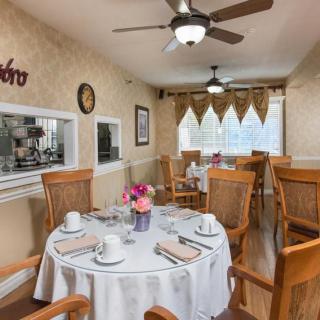
 Clean, inviting, and well-managed with personalized care in a smaller, home-like setting.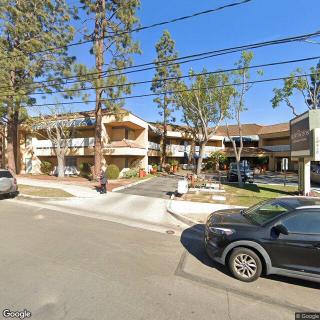




 8 Key Indicators That Suggest It May Be Time to Transition from Assisted Living to Skilled Nursing Care
 Vibrant Senior Living: A Comprehensive Guide for Active Older Adults
 When to Transition from Assisted Living to Memory Care: Key Indicators, Steps, and Finding the Right Community