

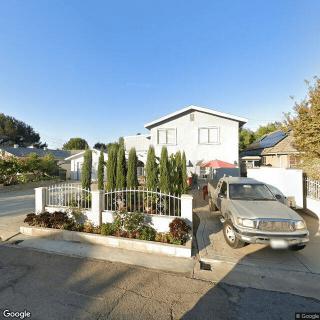
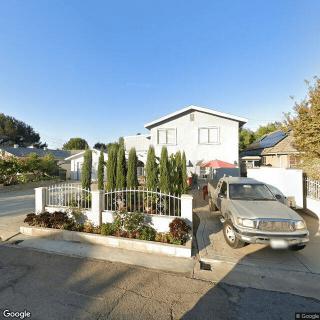
655 Park Center Drive, Santee, CA 92071
For more information about senior living options: (866) 208-4318
Overall Review of Edgemoor Hospital
Pros
 The nursing home is the best in San Diego County.
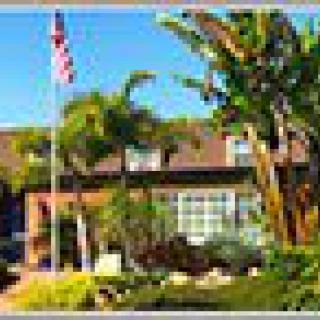
- Visitors had a very good experience, with cleanliness and a beautiful garden area.
- Edgemoor has won numerous awards and accolades for good reason.
- Edgemoor provides outstanding and loving care from the entire staff, including doctors, nurses, maintenance, and security.
- Edgemoor's communication with families is excellent and concerns are handled quickly and efficiently.
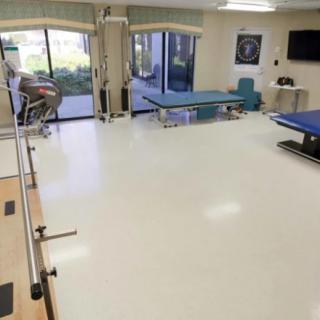
- The new Edgemoor facility is state-of-the-art, beautiful, and very clean.
Cons
 They would only bring a loved one there if a new medical director were hired.
- The medical director allegedly illegally changed the mother's advanced health care directive from comfort care to full code against her wishes.
- The director’s actions were described as cruel, including ejecting the mother from her home during her final days.
- The hospital and Dr. Ferrini were reportedly reported to the San Diego Health Department for illegal and medically irresponsible care.
- The staff were described as unfriendly and uncaring, the facility dirty, the food old, and patients kept to sleep by 7 pm.
Review
Edgemoor Hospital in Santee is best suited for families seeking hospital-grade skilled nursing care with strong clinical leadership and a clear orientation toward palliative and hospice support. This community works for those who want decisive medical oversight, comprehensive care teams, and a setting that emphasizes clinical outcomes as a priority. It is especially appealing to families who are comfortable entrusting long-term care to a facility that presents itself as award-winning and state-of-the-art, and who value proactive family communication when care plans change or needs evolve.
The most persuasive strengths are evident on the clinical and environmental fronts. The building is modern, very clean, and features a garden area that supports a calm, restorative atmosphere for residents. The staff network is broad and cohesive, doctors, nurses, therapists, maintenance, and security, creating a sense of a complete care ecosystem rather than a fragmented unit. Families repeatedly commend the facility’s communication, noting that concerns are addressed promptly and that the medical team can pivot to hospice or palliative strategies with compassion when appropriate. The reputation for award-winning care and the emphasis on managing difficult populations indicate a facility that does not shy away from complexity, which can be a critical asset for families facing chronic, advanced, or end-of-life needs.
Yet the positive picture is tempered by significant caveats that demand serious consideration. One review centers on a troubling allegation involving the medical director, claiming an illegal alteration of an advance health directive and an action perceived as dismissive of a legally authorized power of attorney. The reviewer also describes a forced transfer to the hospital that felt driven by discord rather than medical necessity, raising questions about leadership, patient rights, and ethical boundaries. Another account highlights a negative daily experience, nurses appearing detached, cleanliness and odor concerns, aging food, and a schedule that seems to push residents toward an early bedtime. Taken together, these reports depict a facility where stellar clinical capabilities exist alongside troubling inconsistencies in daily care culture and leadership conduct.
These tensions matter because they directly influence trust, consistency, and day-to-day quality of life. The strong pros, clinical excellence, clear family communication, and a safe, modern environment, offset many risk factors when care needs are complex and stable oversight is essential. A skilled nursing facility that can deliver palliative care in-house, coordinate with physicians, and maintain a respectful, communicative relationship with families can be a lifeline for seriously ill residents. However, the offset weakens when leadership questions or episodic lapses in ordinary care (like cleanliness or mealtime experiences) begin to color every interaction or when directives around rights and end-of-life preferences feel unsettled or uncertain.
In practical terms, families evaluating Edgemoor should proceed with pointed diligence. Prioritize conversations about medical leadership: who oversees the medical director’s scope, how end-of-life decisions are documented and reviewed, and what checks exist to protect patient autonomy. Demand current, written care-planning protocols, daily staffing patterns, and transparency about any recent regulatory findings or internal investigations. Plan visits focused not only on clinical rounds but also on everyday life, meal quality, housekeeping standards, opportunities for social engagement, and how residents are encouraged to participate in activity that matches their routines and preferences.
The bottom line is nuanced. Edgemoor Hospital stands out for families who prize clinical depth, strong family-communication channels, and a modern, clean environment suited to complex medical needs. It can be an excellent match when leadership is clearly aligned, patient rights are protected, and daily care consistently meets high standards. Those who place a premium on consistently warm daily care, impeccable cleanliness across shifts, and unwavering alignment between medical leadership and family wishes may want to consider alternatives or insist on additional assurances before committing. In short, Edgemoor is not universally the right choice; it is a compelling option for a specific, criteria-driven path through skilled nursing care, with explicit diligence on leadership integrity and day-to-day care quality.
 192 resident community capacity
 Skilled Nursing Facility
 Air-conditioning
 Beauty salon
 Cable or satellite TV
 Computer center
 Dining room
 Fitness room
 Fully furnished
 Gaming room
 Garden
 Housekeeping services
 Kitchenette
 Move-in coordination
 Outdoor space
 Private bathrooms
 Restaurant-style dining
 Small library
 Telephone
 Wellness center
 Wi-Fi/high-speed internet available
 San Diego International-Lindbergh (15 miles away)
 Community operated transportation
 12-16 hour nursing
 24-hour call system
 Activities of daily living assistance
 Assistance with bathing
 Assistance with dressing
 Assistance with transfers
 Diabetes diet
 Medication management
 Mental wellness program
 Special dietary restrictions
 Concierge services
 Planned day trips


 Ten Vital Duties of a Senior Caregiver: A Comprehensive Guide
 9 Stimulating Memory Activities for Seniors: Puzzles, Cards, and Much More
 Managing Nursing Home Expenses After Medicare Coverage Ends