




1575 Bishop Street, San Luis Obispo, CA 93401
For more information about senior living options: (866) 208-4318
Overall Review of San Luis Transitional Care
Pros
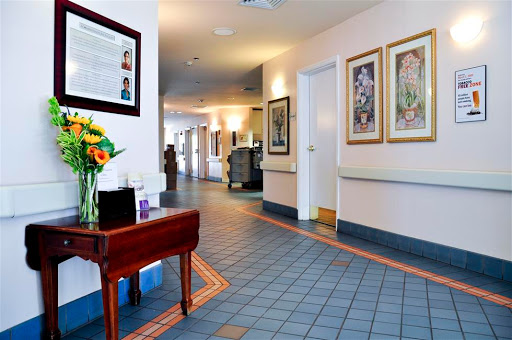
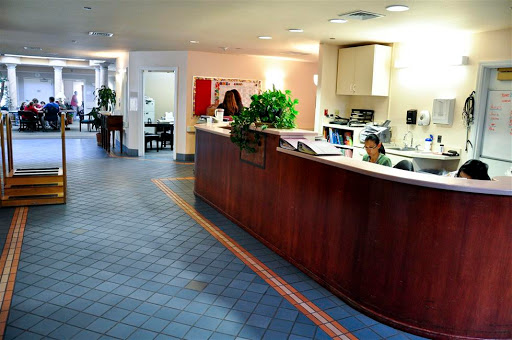
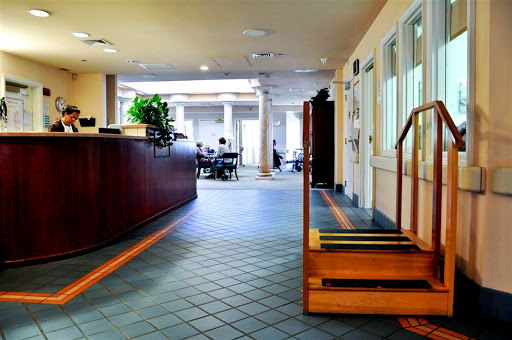
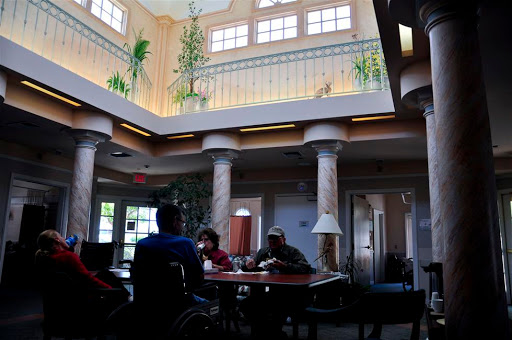
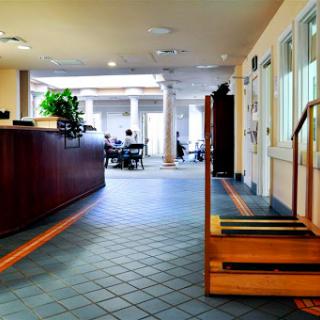
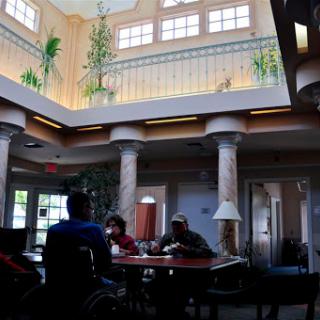
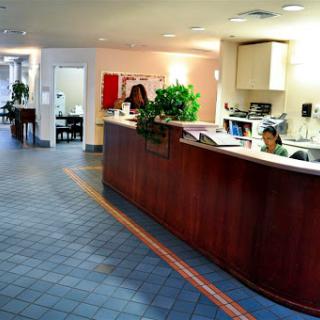
 The facility is lovely, open, and sunlit.
- The staff has a never-ending supply of friendliness, warmth, humor, and “let’s do this!” energy.
- The care team is caring, professional, and thoroughly attentive to patients.
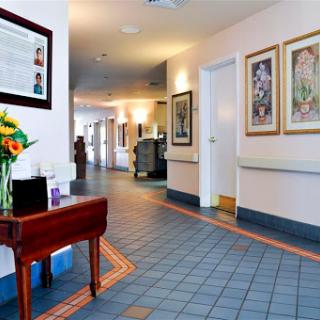
- The facility is clean, modern, and well run.
- OT and PT are excellent and highly effective in helping patients regain independence.
- The food is good and offers a variety of choices.
- The environment encourages socialization and mutual support among residents.
Cons
 The night staff shamed the patient when she had an accident in her bed and complained loudly about her outside of the room; horrible treatment of a vulnerable patient.
- The patient hated the facility and became depressed during her stay.
- The facility was understaffed, which caused neglect of patients.
- Some general nursing staff were not great and left the patient on the toilet for up to an hour, causing incontinence.
- The facility needs a complete overhaul of its nursing staff and fails to treat residents with respect and dignity.
- Therapists would come and barely work with the patient, promising to return and never did.
- The night nurse refused to apply cortisone cream despite the patient’s latex allergy.
- The nursing staff were spread too thin, compromising care when someone fell or needed attention.
- The patient’s mother felt broken by the care and would not recommend the place.
Review
San Luis Transitional Care is best suited for adults recovering from surgery who want a bright, engaging rehab environment where strong physical therapy and social interaction play central roles in the recovery process. It fits families seeking a facility that feels like a welcoming, intimate community rather than a large institutional setting. The blend of thorough therapy, a sunlit, tidy space, and regular opportunities to socialize with peers who are on a similar recovery journey makes this an especially strong match for orthopedic or post-hospital rehabilitation where momentum, encouragement, and daily structure matter.
Those who may want to consider alternatives are those who require consistently flawless nursing attentiveness and 24/7 reliability in every interaction. Several reviews highlight issues with staffing consistency and occasional lapses in care, particularly on night shifts or during periods of higher demand. For families prioritizing razor-shine reliability in every shift, where any delay in response or a perceived lack of courtesy could be a deal-breaker, other facilities with larger teams and documented staffing ratios may feel more secure. In short, the care philosophy here is excellent when the day-to-day flow is well staffed; it becomes riskier when staffing falls short.
The core advantages, an open, modern, clean facility; exceptionally friendly and energetic staff; and a robust rehab program, often offset the downsides in meaningful ways. The PT and OT teams are described as thorough, attentive, and capable of guiding patients through painful, confidence-crushing moments toward real progress. Twice-daily therapy, clear communication around goals, and a focus on getting residents up and moving are consistently cited as movers of outcomes. Add in solid dining options and a social calendar that helps prevent the isolation that recovery can spawn, and the environment becomes not just functional but genuinely supportive.
But the cons carry weight, and their presence can tip the balance for families weighing options. Understaffing concerns and mixed experiences with nursing personnel can translate into slower response times, missed touches, or debates over how pain management and latex allergies are handled. Several reviews describe instances where residents were left waiting or where a night-shift staff demeanor affected a loved one’s sense of dignity. It’s not universal, but it’s a real variable. The facility’s smaller size, about 50 patients, helps with personal attention when staffing is adequate, yet the same size can magnify gaps when schedules are stretched. Parents and spouses should be prepared to advocate and verify that care plans are followed, especially around daily routines and safety needs.
To navigate decisively, prospective families should engage directly with admissions and the care leadership before committing. Ask for a concrete therapy timetable, confirm how often nurses respond during peak hours versus overnight, and request examples of how allergies and individual medical orders are implemented on a day-to-day basis. If possible, visit with a specific care plan in hand, talk to the therapy team about goals, and observe how staff interact with residents during a typical shift change. Clarify policies on meal accommodations, activity options, and how the facility handles emotional well-being, since social engagement is a clear strength, ensuring it continues consistently is key to sustained recovery.
Overall, San Luis Transitional Care stands out as a practical, proven choice for recovery-focused families who prize expert rehab, a clean and inviting setting, and a lively, person-centered atmosphere. It delivers impressive clinical outcomes when staffing aligns with demand and when families actively participate in care planning. For those prioritizing unwavering staffing consistency and faultless day-to-day bedside care, alternatives may offer more predictable execution. Yet for many, the combination of skilled therapy, compassionate staff, and a community feel makes this a compelling option worth pursuing, with due diligence on staffing patterns and explicit care expectations from the outset.
 23 resident community capacity
 Skilled Nursing Facility
 Beauty salon
 Cable or satellite TV
 Dining room
 Fully furnished
 Garden
 Housekeeping services
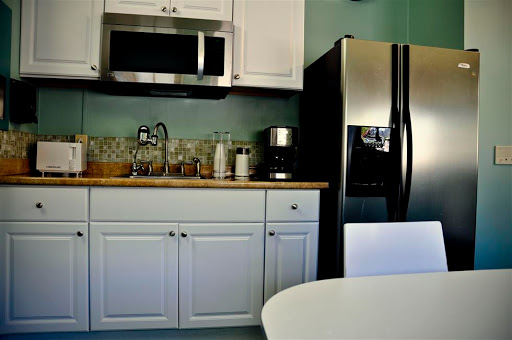
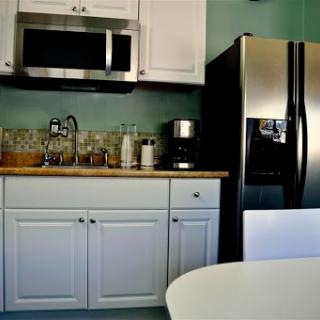
 Kitchenette
 Move-in coordination
 Outdoor space
 Restaurant-style dining
 Small library
 Telephone
 Wi-Fi/high-speed internet available
 San Luis Obispo Co-McChesney (3 miles away)
 24-hour call system
 Activities of daily living assistance
 Assistance with bathing
 Assistance with dressing
 Assistance with transfers
 Diabetes diet
 Medication management
 Mental wellness program
 Special dietary restrictions



 Powerful Realities of Elder Abuse and the Most Effective Ways to Report It
 Ten Vital Duties of a Senior Caregiver: A Comprehensive Guide
 9 Stimulating Memory Activities for Seniors: Puzzles, Cards, and Much More