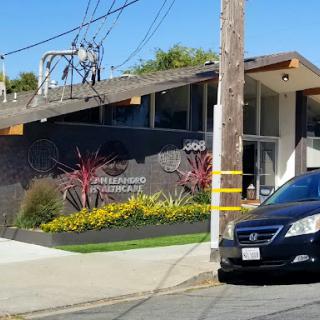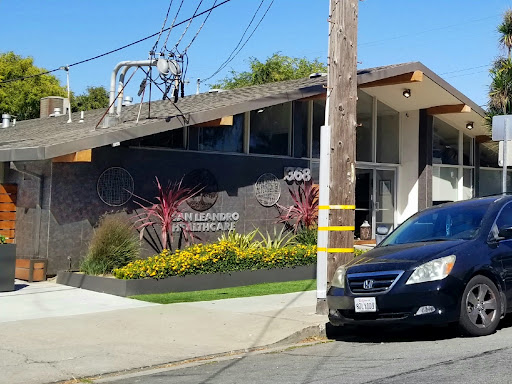
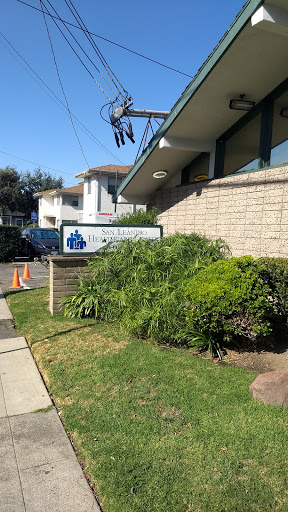
368 Juana Avenue, San Leandro, CA 94577
For more information about senior living options: (866) 208-4318
Overall Review of San Leandro Healthcare Center
Pros
 The staff at San Leandro Health Care Center are amazing and truly care for their patients.
- Vinnie, the administrator, is wonderful and consistently follows through on his promises and is available to discuss any issue.
- Geraldine is outstanding at assisting with communication and providing clear, timely information.
- The caregiving team is compassionate, caring, and dedicated, with staff who love their jobs and each other.
- The facility is praised as fantastic and a hidden gem, with positive experiences from families.
- Geraldine deserves a raise for her efficiency and customer service.
Cons
 They deserve 0 stars.
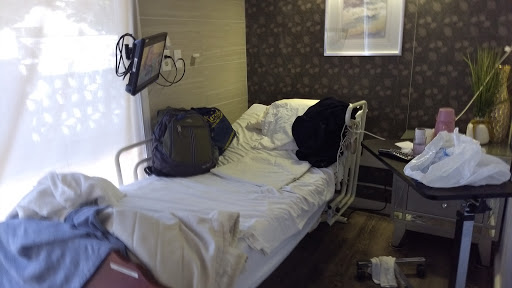
- Patient neglect occurs often, everyday.
- There are ongoing hot water problems, cleanliness issues, and odors.
- They fail to provide sanitary care for surgical sites; the reviewer could do better.
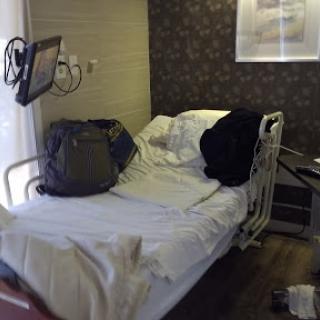
- There is no one taking care of residents; hospital clothes with a wet blanket.
- A nurse allegedly backed into a car, left the scene, and began a verbal altercation.
- The administration is nonchalant; belongings of deceased residents disappear and families are not contacted.
- The staff are overworked; each caregiver has twelve patients.
Review
This community is best suited for families who want a personally engaged, hands-on approach from the top down and who can accept some real-world variability in daily operations. San Leandro Healthcare Center can feel like a close-knit operation when the administrator and senior staff are present, with a sense that caregivers who stay long-term know the residents and their histories. It can work well for hospice or rehab scenarios where a family is prepared to be actively involved, ask pointed questions, and push for timely responses. The strongest appeal lies in the longstanding commitment many staff exhibit and in occasions when leadership closely coordinates care, especially around meals and return-to-home plans.
Those weighing alternatives should consider how critical consistent daily care, reliable communication, and protection of personal belongings are to their loved one. The facility’s most glaring risk is not a single incident but a pattern of care gaps that shows up as neglect allegations, incomplete baths, and delays in responding to needs. If a resident requires steady nursing oversight, prompt emergency response, and a predictable routine, this setting may fall short. Families should also be mindful of reports about front-desk responsiveness, ongoing housekeeping issues, and the risk of belongings being misplaced or stolen. In short, if safety, reliability, and transparent administration are non-negotiable, exploring other options is prudent.
On the plus side, there are credible wins that demonstrate what the staff is capable of when conditions align. Several reviews highlight compassionate caregivers who display genuine care and continuity, with long-tenured employees contributing stability that can calm anxious families. The administrator’s direct involvement on occasion, accepting accountability, following through on promises, and coordinating care when hospice or rehab needs arise, gives comfort that improvements are possible. Individual staff members, like a front-desk representative who communicates clearly and promptly, can make the difference in family experience on a tough day. When those elements align, residents feel seen and attended to in meaningful ways.
Yet the most persistent concerns offset those successes. Reports of neglect, unanswered calls, and rooms not being kept up with cleanliness and odors create a basis for serious doubt about daily safety. Several accounts describe an overwhelmed workforce, with caregivers effectively juggling twelve patients each, which helps explain missed baths, inconsistent meals, and delayed responses. Theft of a loved one’s belongings, lack of proactive communication about transfers or discharges, and front-desk friction further erode trust. Even when some staff excel, the inconsistency across shifts means a family cannot rely on a uniform standard of care, creating a perpetual guessing game about a resident’s well-being.
The key question becomes whether the positives can realistically offset the negatives over the long haul. For families willing to stay actively involved, regularly visiting, and demanding accountability, there is a path to decent outcomes where a resident experiences kindness, personal attention, and meaningful progress in rehab or hospice phases. However, the risk remains high: care quality appears to swing with staffing levels and supervisory presence. The facility’s strongest defense is a dedicated administrator and a few devoted staff who truly care; the strongest warning is a recurring pattern of neglect, miscommunication, and property-related concerns that can undermine the resident’s safety and dignity.
Practical steps emerge for families serious about this community. Schedule multiple tours at different times to observe care dynamics and talk to front-d desk and nursing leadership as well as the most seasoned CNAs. Quantify staffing, request a current care plan, and insist on visible accountability around meals, hygiene, and medication administration. Bring up the policy on valuables and belongings, confirm how theft issues are investigated and resolved, and seek written assurances about response times for critical calls. If these assurances feel elusive or inconsistent, it is wiser to pursue alternatives with clearer staffing models, stronger daily oversight, and a track record of sustaining quality care over weeks and months rather than isolated, hopeful improvements.
 62 resident community capacity
 Skilled Nursing Facility
 Air-conditioning
 Beauty salon
 Cable or satellite TV
 Computer center
 Dining room
 Fitness room
 Fully furnished
 Gaming room
 Garden
 Housekeeping services
 Kitchenette
 Move-in coordination
 Outdoor space
 Private bathrooms
 Restaurant-style dining
 Small library
 Telephone
 Wellness center
 Wi-Fi/high-speed internet available
 Metropolitan Oakland International (4 miles away)
 Community operated transportation
 12-16 hour nursing
 24-hour call system
 Activities of daily living assistance
 Assistance with bathing
 Assistance with dressing
 Assistance with transfers
 Diabetes diet
 Medication management
 Mental wellness program
 Special dietary restrictions
 Concierge services
 Planned day trips





 Comprehensive Exploration of Living Wills and Other Advance Directives
 A Detailed Exploration of Living Wills and Advance Directives
 Comprehensive Guide to Medicare Coverage for Hospice Care