
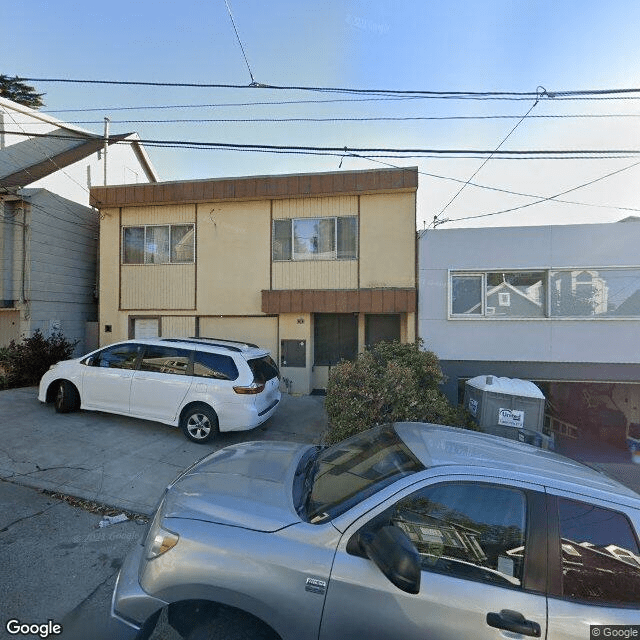
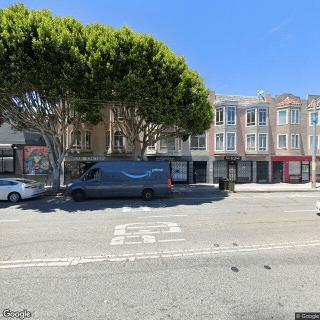
73 Anderson St, San Francisco, CA 94110
To contact a resident: (415) 821-1610
For more information about senior living options: (866) 208-4318
Overall Review of Progress Foundation
Pros
 They saved the speaker's life.
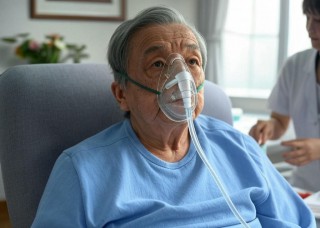
- The expression says more than a thousand words.
- God blesses them and keeps them for everything.
- The speaker expresses heartfelt gratitude.
Review
Progress Foundation in San Francisco, CA is best suited for families seeking a medically attentive environment where life-safety concerns drive care decisions. The strongest signal from the available feedback is unequivocal gratitude for life-saving intervention, describing staff as capable of delivering critical support when it matters most. That kind of endorsement points to a setting with immediate responsiveness, thorough monitoring, and decisive action during emergencies. For residents with significant health risks, post-acute needs, or chronic conditions that require vigilant oversight, this community appears positioned to provide the level of clinical engagement and rapid escalation that often makes the difference between stability and crisis. In short, it’s a compelling option for those prioritizing medical reliability and rapid access to skilled care within an urban San Francisco context.
That emphasis on medical responsiveness naturally invites consideration of alternatives for families with different priorities. If independence, robust everyday social programming, or lower-cost care are paramount, other communities may better align with those goals. A setting designed more around RSVP social events, enriched senior programming, or flexible autonomy might offer a lifestyle that feels less clinical and more participatory. Likewise, when a care plan centers on minimal intervention, routine assistance rather than crisis management, or a lighter medical footprint, exploring options with a broader range of programming and pricing structures would be prudent. The right fit hinges on balancing medical safety with day-to-day quality of life.
The core pros are clear: immediate, life-sustaining support appears to be the defining strength, reinforced by evident staff dedication. The language of gratitude in the testimonial signals not only competence but a trusted, ongoing relationship between caregivers and families. When emergencies arise, this level of commitment and capability can offset the intangible costs of a more medicalized environment, including perceived rigidity or formality. For families who worry about delayed responses or fragmented coordination across providers, the ability to coordinate rapid clinical action and sustained monitoring stands out as a meaningful offset to typical trade-offs in senior care. The effectiveness of care in urgent moments may outweigh concerns about less emphasis on social amenities.
However, the review landscape presents a caution: a single data point cannot capture the full spectrum of resident experiences. The absence of multiple perspectives means potential applicants should not assume uniformity across units, shifts, or levels of care. Prospective families should pursue concrete assurances about staffing patterns, including nurse-to-resident ratios, on-site medical capabilities, and pathways for escalating concerns. Direct conversations with the administration about care coordination, discharge planning, and emergency protocols will be essential. Without broader corroboration, the decision must rest on proactive inquiry and a direct impression rather than the weight of a lone testimonial.
Practical due diligence should shape the visit. Request a tour focused on clinical spaces, rehab and therapy areas, and how daily routines are structured for residents with varying care needs. Ask for sample care plans, daily schedules, and a transparent outline of what is included in monthly fees versus what requires additional charges. Inquire about partnerships with local hospitals and specialists, transport arrangements for off-site appointments, and how family members are kept informed about changes in health status. Understanding the cadence of communication, the responsiveness of staff, and the availability of on-call clinicians will equip families to compare realistically with alternatives.
Ultimately, Progress Foundation presents a compelling case for families seeking dependable, life-sustaining medical support in San Francisco. The emphatic testimonial suggests a high level of clinical efficacy and compassionate execution when critical moments occur. Yet the cautious evaluator will triangulate that impression with firsthand observations, corroborating references, and a careful parsing of costs and programming. If the primary goal centers on safety and rapid responsiveness in a medically oriented setting, this community warrants serious consideration. For others, a broader survey of options, especially those prioritizing social immersion, independence, or different budget realities, will help ensure the chosen path aligns with both medical needs and quality-of-life expectations.
 Skilled Nursing Facility
 San Francisco International (9 miles away)


 Comprehensive Guide to Blood Pressure Charts for Older Adults: Understanding Normal and High Readings by Age
 Financing Long-Term Nursing Home Care Through Social Security: A Thorough Exploration
 Essential Knowledge on Pneumonia in Older Adults