
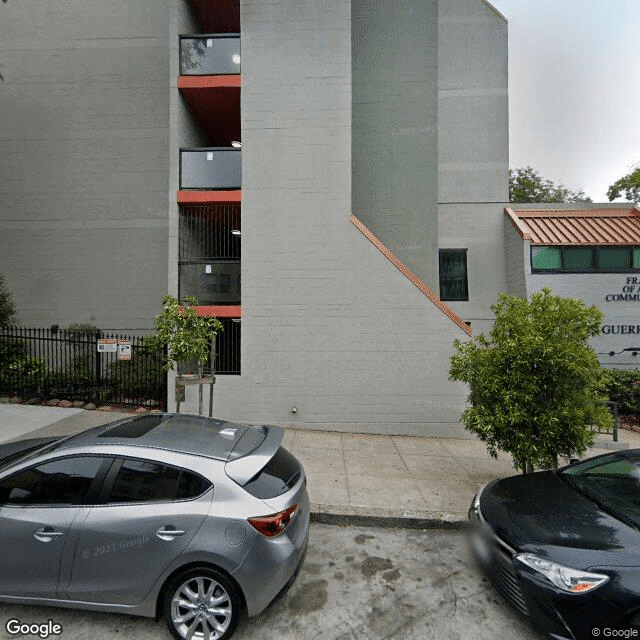
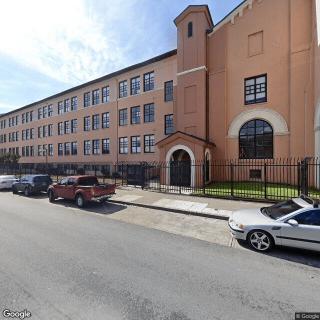
145 Guerrero St, San Francisco, CA 94103
To contact a resident: (415) 621-4092
For more information about senior living options: (866) 208-4318
Overall Review of Francis of Assisi Community
Pros
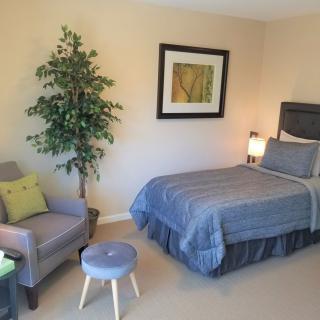
 The room for seniors is nice, and the management is good.
- It is a very secure place to live, and the staff are very friendly.
- It is a mystical place of meditation.
- It is a great place for praying and meditation with God, with great people and great priests.
- Residents love their church and community and highly recommend it.
Cons
 Not worth the hassle; entry to the place is practically impossible.
- The desk staff is rude and ignores requests for entry.
- During a visit, a guest was followed down the hall and yelled at for knocking on the door.
Review
Francis of Assisi Community in San Francisco is best suited for seniors who want a spiritually anchored living option where daily life centers on Catholic prayer, meditation, and a close-knit, parish-like atmosphere. The environment is calm and orderly, with a practical emphasis on security and dependable staff support. Reviewers consistently describe the rooms as nice for seniors and note that management runs a solid, predictable operation. The experience feels less like a generic retirement facility and more like residence within a faith-infused community, where Mass, contemplative prayer, and conversations with resident priests shape the day. For families seeking continuity of faith, a familiar clergy leadership, and a living space that reinforces those values, this community delivers a coherent, emotionally reassuring package that can be a strong fit.
Those who prioritize secular amenities, aggressive medical programming, or a highly impersonal, efficiency-driven environment may want to consider alternatives. The strongest appeal here is faith-based life, which can be a barrier for residents who are not Catholic or who would prefer a broader social calendar without a heavy religious emphasis. Additionally, the entrance experience matters: multiple accounts describe the entry process as potentially hostile or unwelcoming, undermining the initial impression for prospective residents and their families. If ease of access and consistently warm interactions at the front desk are non-negotiable, this facility may not meet those expectations. For seniors who need extensive non-religious programming or a more secular social ecosystem, a different community will likely align better with daily rhythms and preferences.
On the plus side, security is tangible and reliable, and staff are described as genuinely friendly. That combination provides clear peace of mind for families concerned about safety, responsiveness, and the ability to reach someone when help is needed. The core social fabric is built around prayer and meditation, with enthusiastic notes about praying with God and the presence of supportive priests Goode and John. For residents who prize a shared religious life, this creates meaningful social bonds, neighbors become companions in devotion, not just roommates, and congregational activities can anchor daily life. The overall atmosphere leans toward belonging, with visitors often welcomed into church events and everyday routines that reinforce a sense of being part of a larger, caring spiritual community. In practical terms, the spiritual framework plus dependable staffing translates into a cohesive living experience that feels safer and more personally meaningful.
Yet the drawbacks cannot be dismissed. The most frequently cited issue is the entry experience: a rude front-desk staffer and episodes of being followed down the hallway and yelled at over a knock are hard to overlook. This kind of frontline interaction can color the entire stay, especially for new residents and families making the initial judgment about whether the community will feel like a home. Administrative warmth matters in elder care because admissions, visits, and ongoing communications set the tone for trust and satisfaction. Another potential downside is the emphasis on religious life, which, while a strength for many, may limit participation for those seeking a broader, more secular set of activities. For seniors who crave a richer, diverse program beyond worship and meditation, the calendar may feel narrow. The mix of high marks with mid-range scores and a lone negative experience in the reviews signals uneven daily interactions that should be explored during visits.
Considering the overall picture, the strong spiritual orientation and real sense of security often offset the entry friction for residents who value a cohesive, faith-led community environment. When daily life is defined by prayer, Mass, and the companionship of like-minded neighbors, the positives become compelling reasons to choose here, particularly for those with modest care needs and a desire for steady social connection within a church-centered framework. For individuals who prioritize independence, a broad activity slate, or a secular social life, the drawbacks loom larger and may diminish satisfaction. In short, Francis of Assisi Community succeeds where faith alignment, a predictable routine, and a protective milieu trump a brisk admissions process or a cutting-edge activity calendar. It falters where religious orientation is not central or where front-desk warmth and universal access are non-negotiable.
Practical next steps for families are clear. Schedule a guided tour to test both the admissions process and day-to-day interactions with staff and clergy, paying particular attention to how visitors are treated and how welcoming the environment feels in person. During the visit, seek specifics about entry procedures, the protocol for guest access, and how the community accommodates residents who do not share the predominant faith orientation. Clarify care levels, meal options, transportation, and what the daily schedule actually looks like beyond the church calendar. Inquire about Mass times, meditation sessions, and the availability of secular social programming that might complement worship life. If the faith-aligned, secure, and community-focused lifestyle resonates, this community can be a meaningful home. If the answers raise concerns about accessibility, inclusivity, or breadth of activity, it is prudent to widen the search to alternatives that deliver easier access and a more varied social landscape. The decision should hinge on faith alignment, desired social texture, and the tolerance for entry friction.
 Skilled Nursing Facility
 San Francisco International (11 miles away)

 Understanding the Nuances of Palliative Care and Hospice: A Comprehensive Exploration
 Is In-Home Healthcare Tax Deductible? Your Comprehensive Guide
 Nurturing Well-Being Through Gardening: A Detailed Guide for Senior Enthusiasts