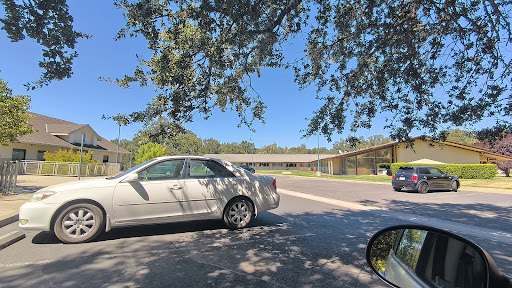
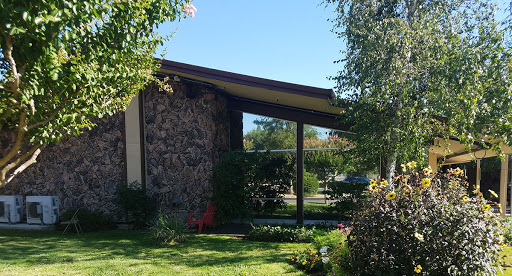
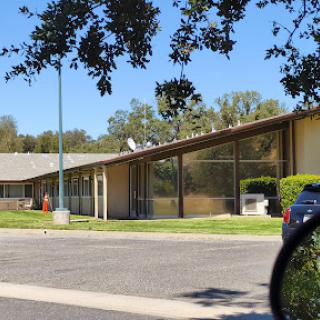
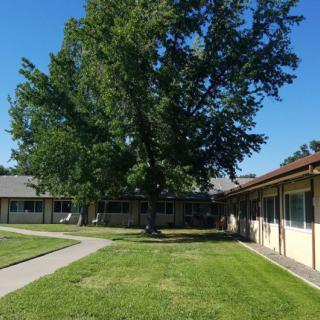
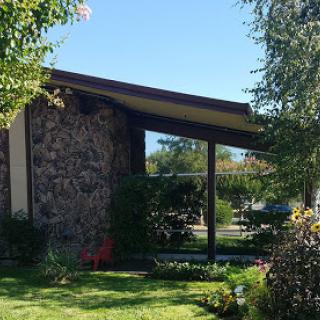
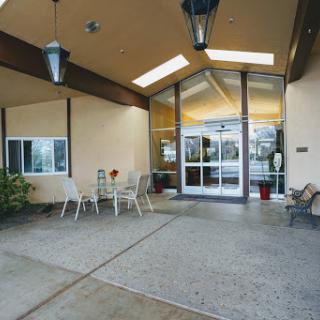
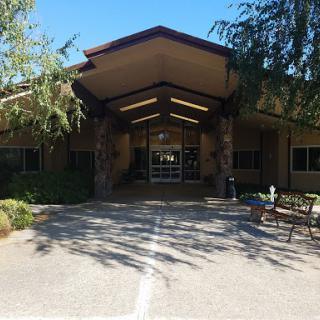
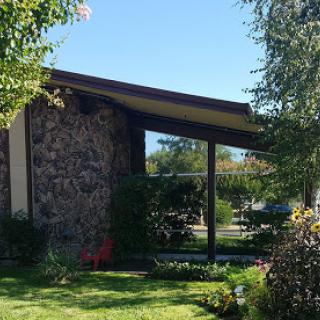
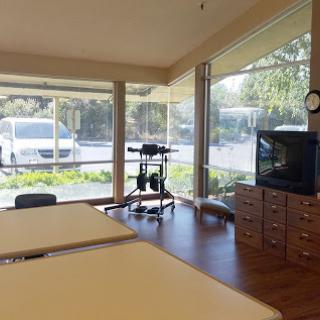

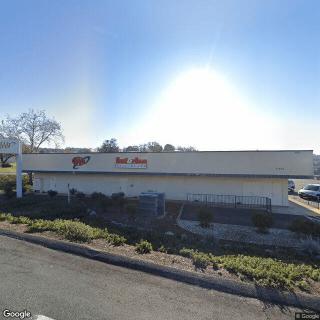
900 Mountain Ranch Road, San Andreas, CA 95249
For more information about senior living options: (866) 208-4318
Overall Review of Avalon Health Care – San Andreas
Pros
 Avalon San Andreas is a wonderful place.
- The staff are excellent and treat residents like family.
- The therapy department is excellent.
- The local feeling was a relief.
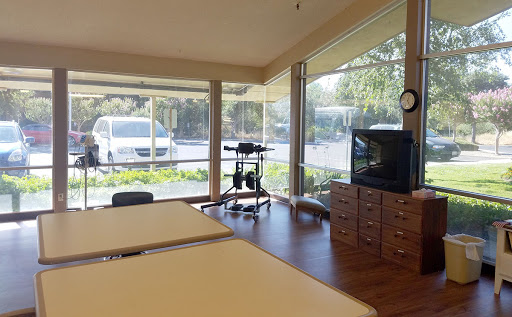
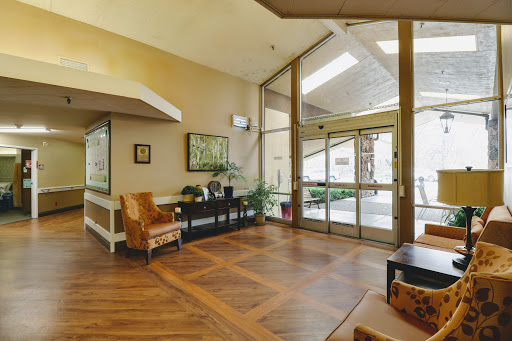
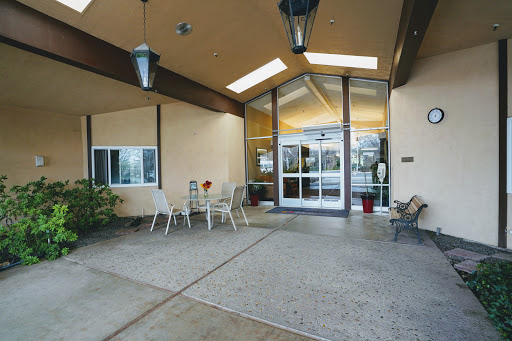
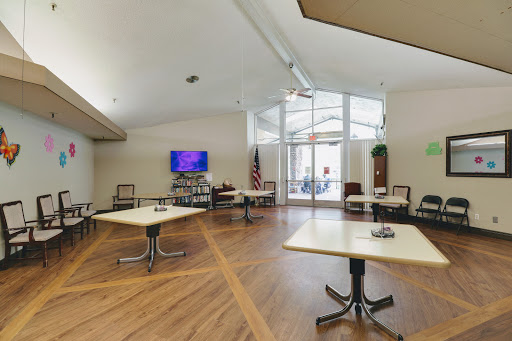
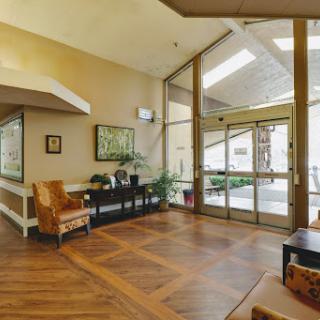
- The place is warm, cheerful, and well lit.
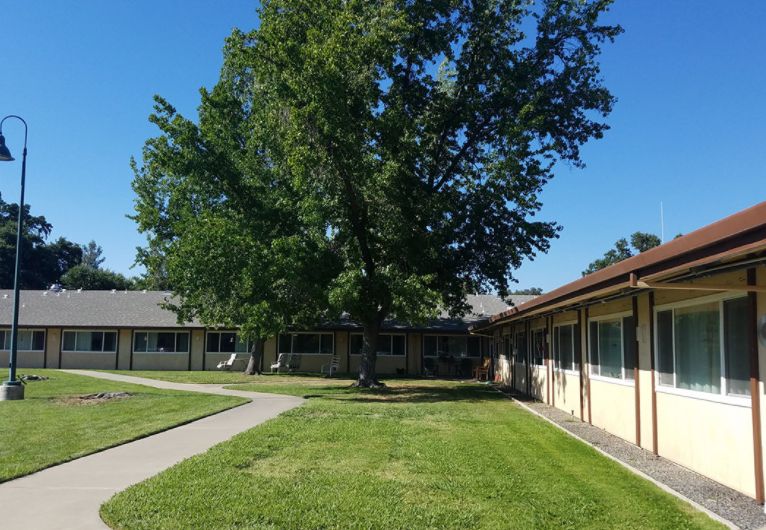
- The entire place was very clean.
- Most of the patients were smiling.
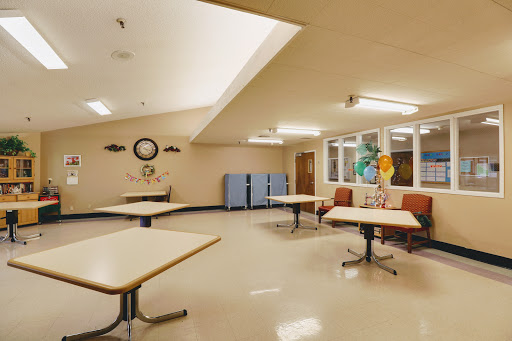
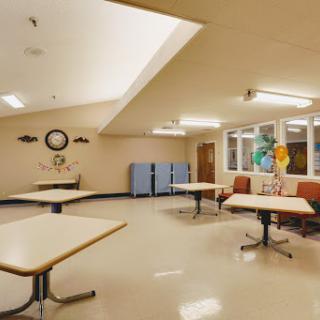
- The dining area was very nice.
Cons
 They gave the facility one star for the therapists and the few caring staff who work there.
- The reviewer spent six and a half hellish days there for therapy and would never want this to happen to anyone or recommend it.
- The service was bad and very slow; the food was often cold, spicy, sugary, and unfit to eat.
- Loud buzzers and patients throughout the night prevented a good night's sleep.
- They caution others to think twice before sending a loved one there.
- The dining area was not very attractive and felt too much like a hospital.
- There was a pungent urine odor that assaulted visitors on entering.
Review
Avalon Health Care – San Andreas is best suited for seniors who are pursuing short-term rehabilitation or long-term care in a setting where staff treat residents like family and where a robust therapy program drives steady progress toward returning home. This community appeals most to families and residents who value a warm, locally infused atmosphere, frequent encouragement from therapists, and a clear, goal-oriented plan for recovery or ongoing care. For those who prioritize a sense of belonging, accessible communication, and a visible focus on functional improvement, Avalon San Andreas stands out as a practical, action-driven option.
Care seekers who should consider alternatives are those who place the highest premium on an ultra-quiet nocturnal environment, restaurant-quality dining, or uninterrupted service across shifts. The same warning applies to residents needing very specialized, high-acuity medical oversight or memory-care supports that demand a different staffing mix or floor plan. In short, Avalon delivers strength in therapy and camaraderie, but for families prioritizing pristine dining, near-silent nights, or highly tailored medical regimes, other communities may offer a closer match.
The strongest positives lie in the heart of the staff culture and the therapy focus. Multiple reviews describe staff as friendly and caring, treating residents like family, with communication that keeps families apprised of progress and goals. The therapy program is repeatedly cited as a standout asset, described as outstanding, practical, and effective at getting residents back on their feet. That emphasis on rehabilitation, combined with a homey, local feeling, creates a motivating environment where residents appear to respond to structured routines and clear, daily targets. When recovery hinges on consistent therapy momentum and encouraging, personable caregivers, Avalon San Andreas delivers.
Nevertheless, a notable outlier tempers the overall tone: one 1-star account highlights slow service from therapists and a small subset of caring staff, plus concerns about meals and sleep quality. While this contrasts with the generally positive consensus, it serves as an essential caveat. The discrepancy suggests that experiences may hinge on shift coverage, specific therapy teams, and day-to-day operational pressures. For families and residents who cannot tolerate even a few hours of disrupted routines, this signal may be meaningful enough to warrant additional questions before committing.
Operational realities also matter in the decision. Several reviews reference a busy, busy-for-service atmosphere in which alarms and routine activity can intrude on rest, and where meal quality occasionally diverges from expectations. The prevailing pattern, strong therapy, attentive staff, and a palpable sense of caregiving, can offset these concerns for rehab-focused residents, yet the potential for nighttime disturbance or inconsistent dining means this community is best matched to those who can tolerate occasional bumps in the daily rhythm. In other words, the pros are substantial enough to drive favorable outcomes for recovery-minded residents, but not so comprehensive that every preference is automatically met.
In deciding, families should actively verify specifics that matter most: the exact scope and cadence of the therapy program, typical staffing levels across mornings and evenings, sample menus and dining schedules, and whether a quiet wing or room assignment can mitigate nighttime disruption. It is also prudent to request candid conversations with current residents or families about how often alarms interrupt sleep and how meals are managed during weekends or high-demand periods. With these confirmatory steps, Avalon San Andreas can be positioned as a potent option for rehab-oriented care and long-term support, provided the match between resident needs and the facility’s operational realities is clear.
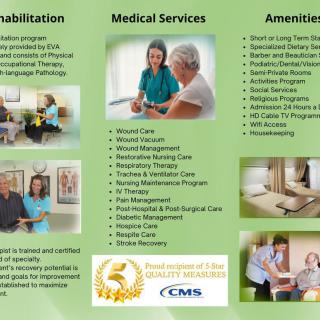
 99 resident community capacity
 Skilled Nursing Facility
 Air-conditioning
 Beauty salon
 Cable or satellite TV
 Computer center
 Dining room
 Fitness room
 Fully furnished
 Gaming room
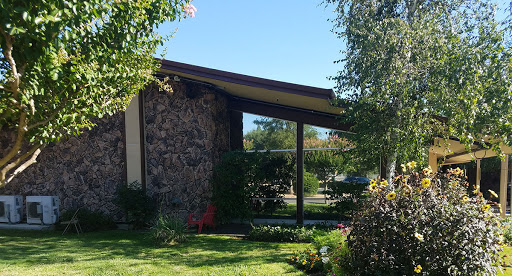
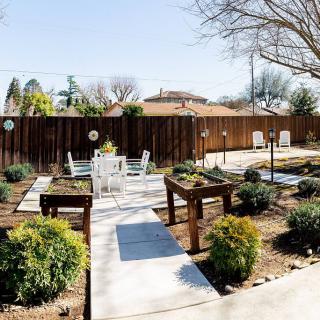
 Garden
 Housekeeping services
 Kitchenette
 Move-in coordination
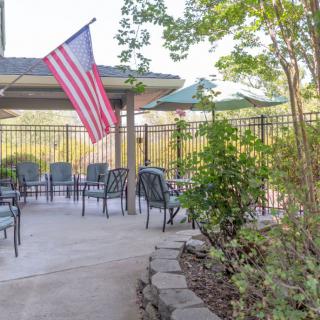
 Outdoor space
 Private bathrooms
 Restaurant-style dining
 Small library
 Telephone
 Wellness center
 Wi-Fi/high-speed internet available
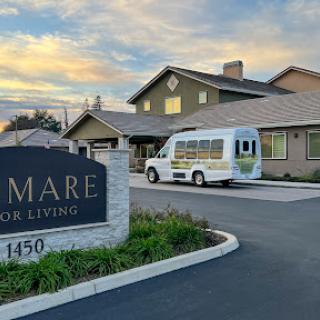
 Community operated transportation
 12-16 hour nursing
 24-hour call system
 Activities of daily living assistance
 Assistance with bathing
 Assistance with dressing
 Assistance with transfers
 Diabetes diet
 Medication management
 Mental wellness program
 Special dietary restrictions
 Concierge services
 Planned day trips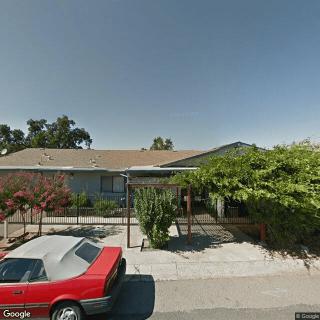


 Fecal Incontinence in Older Adults: A Comprehensive Guide
 Recognizing the Journey: Understanding and Navigating Anticipatory Grief
 Encouraging Participation in Adult Day Care: A Guide to Supporting a Hesitant Parent