For more information about senior living options: (866) 208-4318
3.3 from 110 reviews
5 stars
52
4 stars
8
3 stars
6
2 stars
4
1 stars
40
Overall Review of Asbury Park Nursing & Rehab
common5 reviews mention this
Activities can make days lighter
Activities show up repeatedly in reviews, including structured events and resident-led fun like karaoke.
Several residents and families describe upbeat daily life with activity staff and events that help pass the time. Reviews specifically mention karaoke, as well as games and craft-style activities. A couple of families also note that the facility makes room for personal interests and participation, rather than keeping residents isolated in their rooms.
caveat7 reviews mention this
Call lights and phones can be slow
Some residents describe long waits for help, especially at night, with unanswered call lights.
While many reviews praise the staff, multiple accounts describe trouble getting timely assistance. Several reviewers mention delayed response times to call lights or bells, including night shifts taking hours. Others report difficulty reaching staff by phone after hours, and a few describe situations where urgent needs weren’t addressed promptly enough.
differentiator3 reviews mention this
Wound care is a focused strength
Wound care comes up as a specific area of strength, with residents and families pointing to specialized support.
Some reviews highlight wound care as a key part of the stay, not just general nursing. Families describe the wound care team as helpful and supportive, and at least one resident specifically credits a wound supervisor and wound-care approach for healing complex cases. One reviewer also notes that wound specialists score well, even while expressing other concerns about response times.
How we summarize
Counts show how many written reviews mention each theme; a review can touch several themes, and only frequently mentioned themes are displayed.
Features
Types of Care
Skilled Nursing Facility
Transportation
Sacramento International (13 miles away)
Nearby Places of Interest
This area of Sacramento, California, offers a convenient and diverse range of amenities for senior living. With several pharmacies, restaurants, physicians' offices, cafes, parks, hospitals, theaters, and places of worship all within a few miles radius, residents have easy access to essential services and leisure activities. The presence of reputable medical facilities such as Sutter Center for Psychiatry and Sacramento Heart & Vascular Medical Associates ensures quality healthcare options nearby. The variety of dining options ranging from fast-food chains to local cafes like Tupelo Coffee House cater to different tastes and preferences. Additionally, the proximity to parks like Oak Meadow Park and Sutter's Landing Dog Park provides opportunities for outdoor recreation and relaxation. Places of worship such as St Francis of Assisi and Slavic SDA Church offer spiritual support for residents seeking a community connection. Overall, this neighborhood presents a well-rounded environment with ample resources for seniors looking to enjoy a comfortable and fulfilling lifestyle in Sacramento.
Pharmacies
CVS Pharmacy (0.2 miles)
Save Mart Supermarkets (0.5 miles)
Rite Aid (1.1 miles)
Walgreens (1.5 miles)
Rite Aid (1.8 miles)
Kaiser Pharmacy (1.8 miles)
Save Mart Supermarkets (1.8 miles)
Restaurants
McDonald's (0.2 miles)
Jack's Urban Eats (0.5 miles)
Gordito Burrito - La Riviera (1.2 miles)
McDonald's (1.3 miles)
Denny's (1.4 miles)
Leatherby's Family Creamery (1.5 miles)
In-N-Out Burger (1.6 miles)
Physicians
Diagnostic Radiological Imaging (0.2 miles)
Joseph R Coscia (0.3 miles)
Sacramento Heart & Vascular Medical Associates (0.5 miles)
Griffin & Reed Eye Care (0.6 miles)
Dermatology Consultants of Sacramento (1.2 miles)
Children's Specialists Medical Group of Sacramento (1.3 miles)
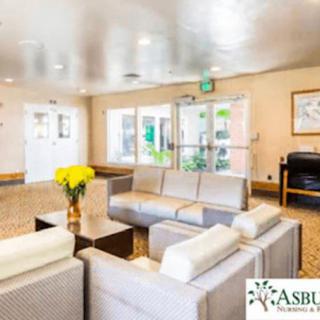
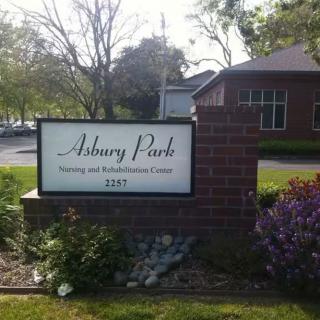
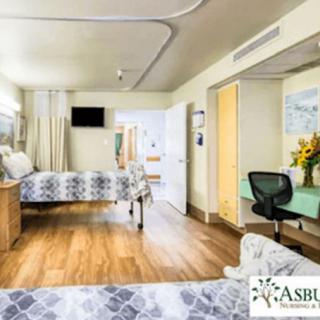
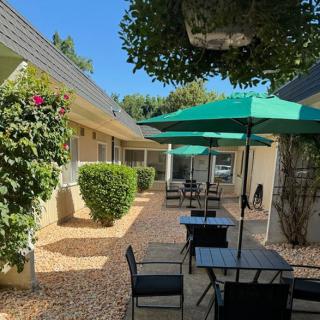
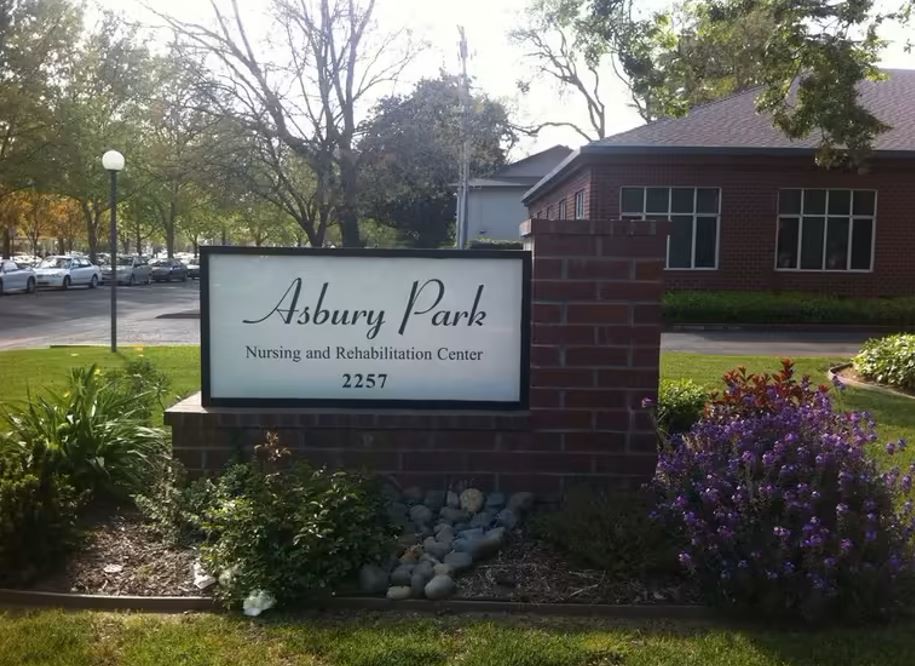
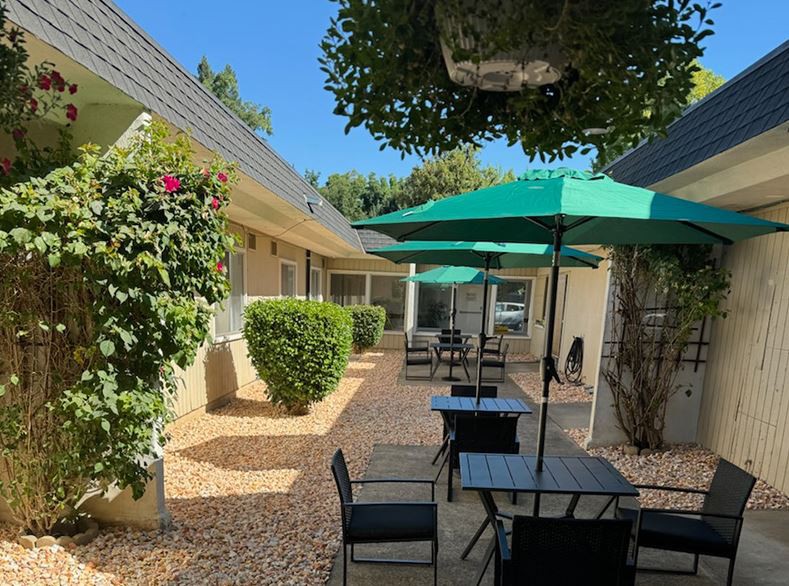
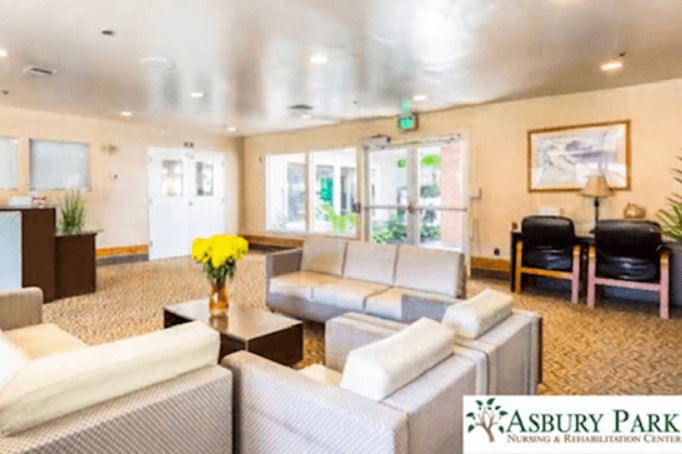
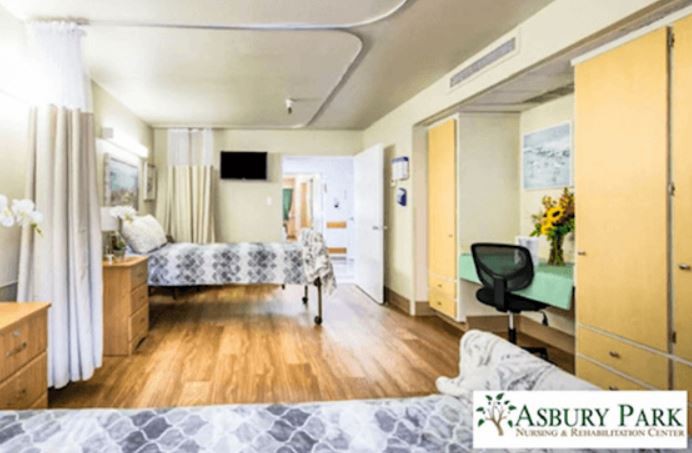
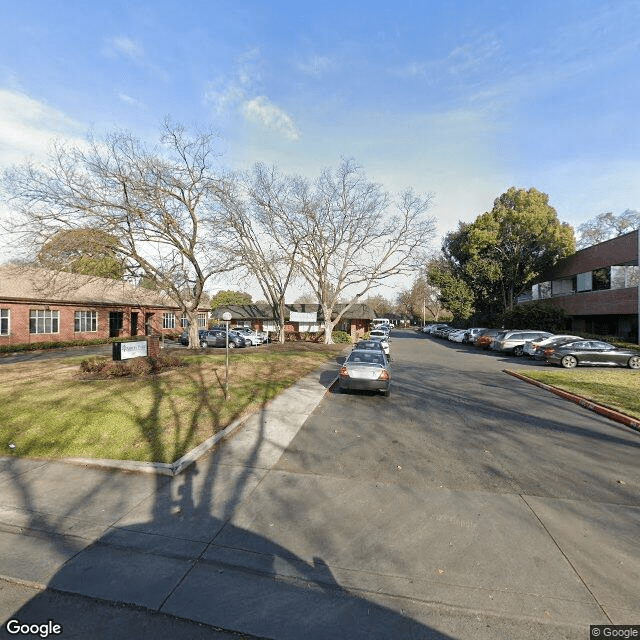
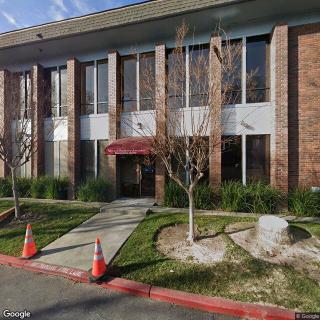
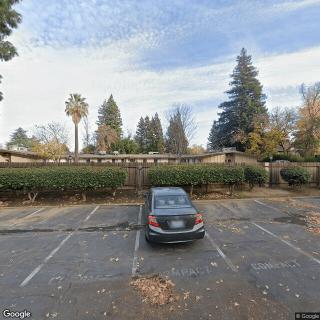
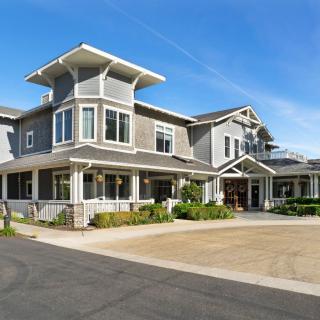
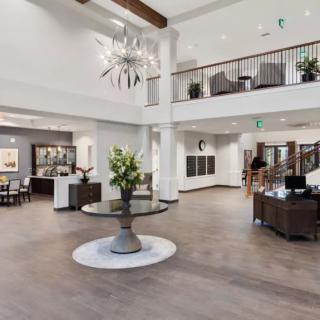
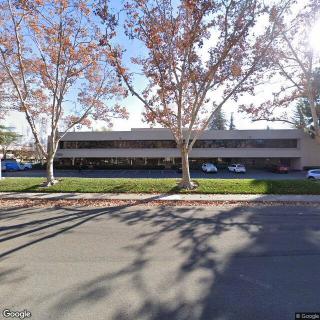
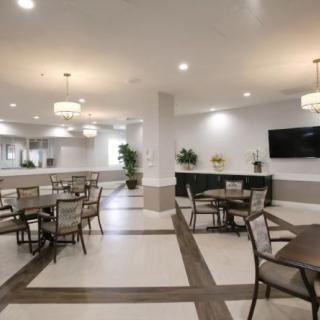
Asbury Park Nursing & Rehab on seniors.fyi includes 5 photos including images showing healthcare, building, landscaping, nature, outdoor seating, patio, umbrellas, interior, and more.
Nearby Communities
Asbury Park Nursing & Rehabilitation Center
Sacramento, CA
3.2 from 85 reviews
Extensive on-site amenities with 24/7 nursing supervision and transport.
River's Edge
Sacramento, CA
4.1 from 87 reviews
$4,475 to $6,120 / month
Caring staff, clean and inviting setting, and a lively activities program.
Carescope In-Home Care
Sacramento, CA
Nearby amenities and social opportunities.
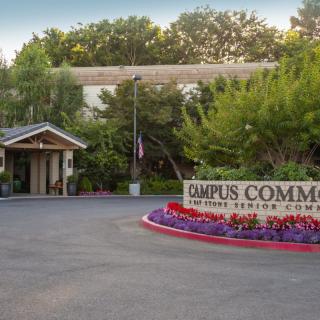
Campus Commons Senior Community
Sacramento, CA
4.5 from 55 reviews
$2,649 to $3,499 / month
Clean, well-maintained facilities with friendly staff.
Woodside Healthcare Center
Sacramento, CA
3.9 from 59 reviews
Strong hands-on caregiving with accessible doctors and nurses.
Sunrise of Sacramento
Sacramento, CA
4.2 from 67 reviews
$5,700 to $7,770 / month
Intimate, home-like community with friendly, attentive staff and diversified activities including memory-care options.
Oakmont Of East Sacramento
Sacramento, CA
4.3 from 97 reviews
$3,995 to $8,795 / month
Friendly, attentive staff in a clean, well-maintained environment with engaging activities and bright, spacious rooms.
Carescope, LLC - Sacramento
Sacramento, CA
3.8 from 11 reviews
Compassionate, professional in-home care with strong family communication.
Gramercy Court
Sacramento, CA
3.7 from 29 reviews
$3,824 to $5,244 / month
Active community with on-site activities, clean spaces, and ongoing renovations; friendly staff.
Caregiver exhaustion, or burnout, stems from the relentless demands of caregiving, leading to emotional and physical depletion characterized by stress, frustration, and neglect of personal needs. Addressing this burden is essential to prevent long-term consequences, with early recognition and support being crucial for caregivers to maintain balance and implement self-care.
Hospice care at home provides specialized end-of-life support that focuses on comfort and dignity for individuals with life-limiting illnesses, offering a range of services including medical management, emotional and spiritual support, and logistical assistance tailored to the family's needs. It involves collaboration to create individualized care plans and extends to bereavement support after a loved one's passing.
The guide outlines the rising costs of 24/7 in-home care, ranging from $10,000 to over $20,000 monthly, driven by factors such as location and caregiver qualifications. It discusses the limited coverage by Medicare and private insurance, potential Medicaid support, and the emotional and living condition considerations influencing families' decisions on care arrangements.
Get PricingAsk A QuestionSchedule A TourContact Senior Advisor
By clicking submit, you agree to our Partner's Terms of Use. You
also consent to receive calls and texts, which may be autodialed, from our Partner. Your consent is not a condition to
using our Partner's service. Please visit our Partner's Privacy Policy for information about their privacy practices.

 Skilled Nursing Facility
 Sacramento International (13 miles away)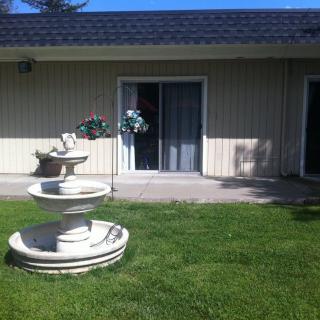
 Extensive on-site amenities with 24/7 nursing supervision and transport.
 Caregiver Exhaustion: Recognizing the Signs and Restoring Your Well-Being
 Understanding Hospice Care at Home: Comprehensive Services, Key Benefits, and Eligibility
 Understanding the Full Cost of 24/7 In-Home Care: A Detailed Overview