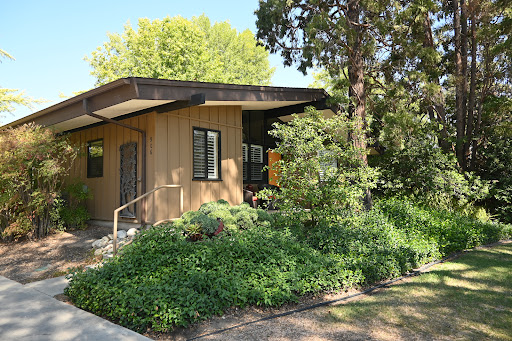











900 East Harrison Avenue, Pomona, CA 91767
For more information about senior living options: (866) 208-4318
Overall Review of Mount San Antonio Gardens
Pros
 It is described as very nice and almost like country-club living.
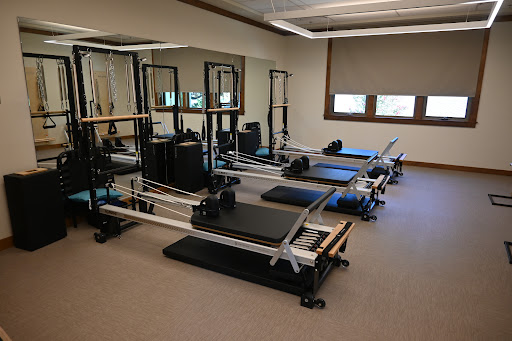
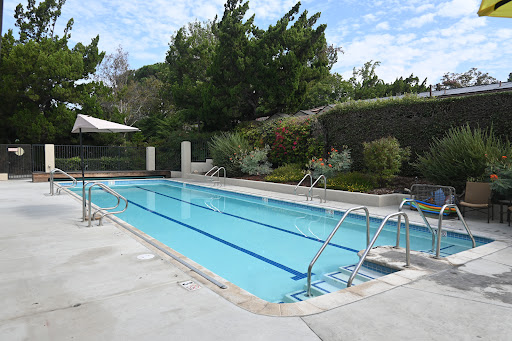
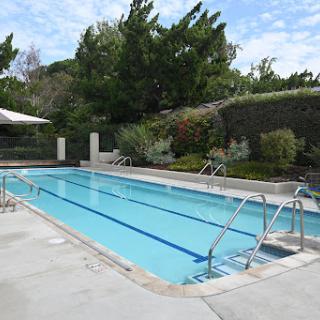
- It offers extensive amenities, including a swimming pool, putting green, tennis courts, a large library, a beauty shop, and a barber shop.
- The staff are very nice and accommodating.
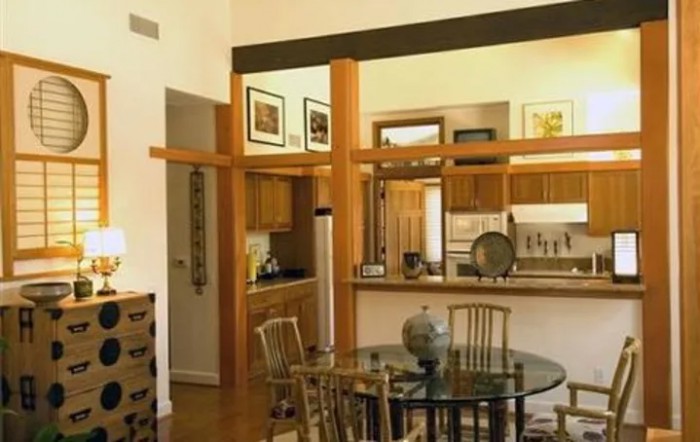
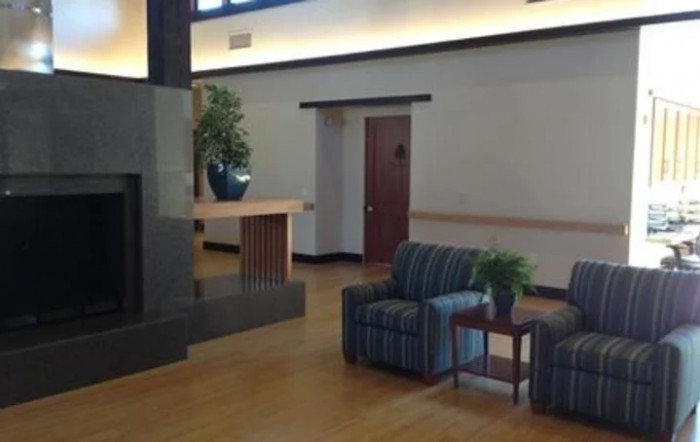
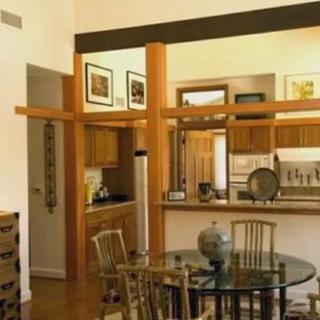
- The dining facilities are attractive, clean, and feel like a resort area.
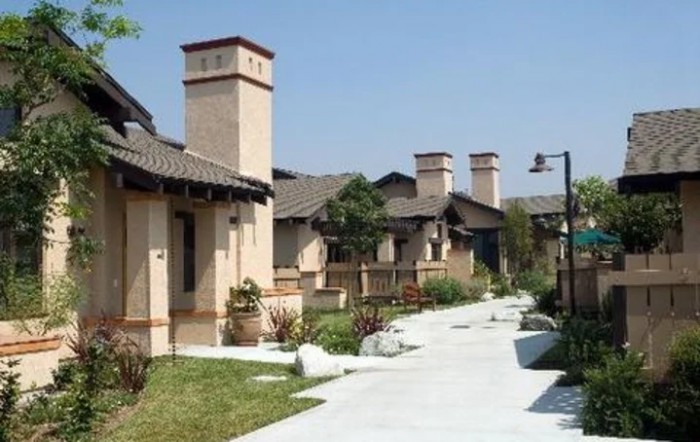
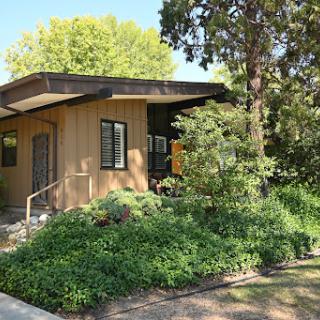
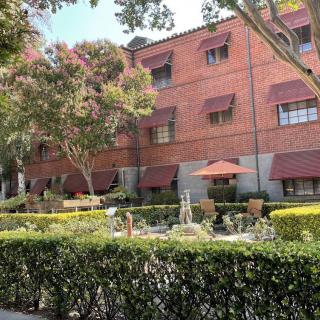
- The grounds are well-kept and pleasant.
- It is considered a class act that attracts high, intelligent clientele.
- The food has been described as delicious, with a lovely dining room.
Cons
 The facility has gone downhill over the past five years while monthly fees have jumped by about $1,000 a month.
- Food quality has dropped as resident numbers declined and contracts were renegotiated, resulting in fewer meals and a less appealing menu.
- Brunch offerings were downgraded, often lacking a cutting station with prime rib or sea bass, and Sundays lost the evening meal in favor of only a box lunch.
- Breakfast service was reduced; what remains lacks protein or nutrition.
- The overall dining experience has diminished, with social dining in the restaurant style room disappearing and some residents needing to order delivery for meals.
- Meals have become more complicated, and residents commonly describe options as macaroni and cheese, frozen fish sticks, and hot dogs instead of a varied menu.
- Prime rib frequency was cut from weekly to biweekly, then to once a month.
- Holidays require lump-sum contributions to a staff appreciation fund, with large sums earmarked for executive retention bonuses while resident services are cut.
- Additional services have been removed or turned into paid add-ons, such as IT support and furniture assembly assistance.
- The combination of rising fees and ongoing service cuts has led to a perception that the value is no longer worth the cost.
Review
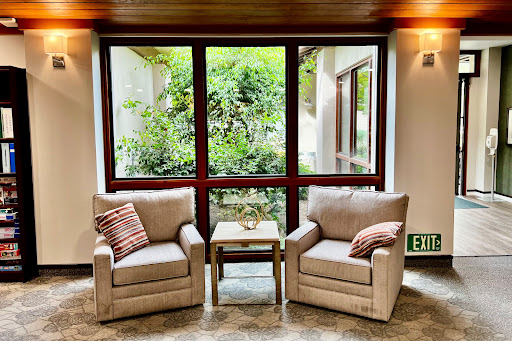
Mount San Antonio Gardens is best suited for affluent seniors who want a resort-like, Lifecare retirement environment and can tolerate premium pricing in exchange for an expansive campus, abundant amenities, and a lively social scene. The community delivers a complete package: two-bedroom cottages and apartment options, a central dining hall, multiple recreational and wellness facilities, a robust library, beauty and barber services, a pool, gym, tennis and putting green, plus frequent clubs, day trips, and social events. It is a self-contained world where residents can transition through care levels with relative ease, and where staff, security, and a broad calendar of activities are baked into the experience. For families prioritizing a sense of permanence, security, and a high level of polish, this is a compelling choice.
Those who should consider alternatives are clear: anyone sensitive to rising costs or who wants to avoid noticeable declines in core services as a community grows older. If consistent, high-quality dining is non-negotiable, or if straightforward, predictable monthly expenses matter more than status and elegance, a narrower or less expensive option may be wiser. The same applies to residents who expect uninterrupted meal service and social dining every evening; the current trajectory shows reductions in meals and dining occasions that can disrupt daily routines. Finally, for families seeking lean, hands-on support without added fees or financial ambiguities, other CCRCs or independent living environments with simpler fee structures may offer better value.
The strongest pro in Mount San Antonio Gardens’ favor is the built-in lifestyle it affords. The grounds are inviting, the dining options centralized, and the array of activities, library, social events, outings, fitness, creates a rich peer network and a sense of ongoing purpose. The Lifecare model remains a meaningful hedge for long-term care needs, reducing the risk of disruptive moves should care needs evolve. The campus also presents a polished, resort-like veneer that appeals to residents who want to feel pampered, connected, and secure. These advantages can meaningfully offset concerns about price for residents who place a premium on experience, status, and a broad, self-contained community footprint.
But the scale of the cons cannot be ignored. Over the past several years, the monthly fee has risen sharply, and the value proposition has frayed in tandem with a noticeable squeeze on services. The food program, once a hallmark of the community, has slipped as resident counts declined, leading to fewer meals, fewer special offerings (such as prime rib and sea bass), and an overall reduction in dietary variety and protein options. Sunday dinners were removed, brunches diminished, and the dining experience shifted toward more basic fare and boxed options on some days. These changes hit perceived value directly and complicate daily living for residents who rely on predictable meals as a core benefit of communal living.
Added costs and service erosion further complicate the math. IT support, once offered as a modest monthly amenity, is gone; assembling furniture now carries a fee; and strategic financial decisions emphasize staff retention bonuses at the top end of the organization, accompanied by a large resident-funded appreciation program. In short, the premiums for “lifestyle plus stability” are increasingly tied to less tangible improvements while concrete services, meals, timely IT help, and everyday conveniences, face cutbacks. For families trying to weigh worth against ongoing escalation, this tension between aspirational amenities and real-world service levels is the critical decider.
For those who still lean toward Mount San Antonio Gardens, the upside remains formidable. The campus offers a mature, generous social fabric, a strong sense of community, and an environment that feels like a luxury resort with access to long-term care when needed. The tradeoffs, higher costs and diminished day-to-day amenities, are real but not insurmountable for someone who values prestige, comprehensive amenities, and guaranteed care progression as part of a planned life course. Prospective residents should visit with a precise checklist: current menu quality and frequency, what meals are included in the base rate, any pushback on weekend dining, and a clear picture of all fees and optional charges. Also solicit a transparent explanation of the Lifecare path, rate escalators, and how long-term care costs would be integrated if care needs evolve.
Bottom line: Mount San Antonio Gardens stands out for those seeking a high-end, self-contained community with enduring social life and Lifecare assurances, and for families who prioritize lifestyle, security, and breadth of campus amenities. It is less suitable for buyers whose primary concerns are stable, affordable dining, predictable monthly costs, and frictionless access to everyday conveniences. If those are non-negotiables, alternatives should be explored, but for a certain profile, one that measures value by experience, status, and long-term care certainty, the community remains a compelling, confident recommendation.
 520 resident community capacity
 Continuing Care Retirement Community (CCRC)
 Respite Care
 Skilled Nursing Facility
 Air-conditioning
 Beauty salon
 Cable or satellite TV
 Computer center
 Fitness room
 Fully furnished
 Gaming room
 Garden
 Housekeeping services
 Kitchenette
 Move-in coordination
 Outdoor space
 Private bathrooms
 Restaurant-style dining
 Small library
 Telephone
 Wellness center
 Wi-Fi/high-speed internet available
 Ontario International (8 miles away)
 Community operated transportation
 24-hour call system
 Activities of daily living assistance
 Assistance with bathing
 Assistance with dressing
 Assistance with transfers
 Diabetes diet
 Medication management
 Special dietary restrictions
 Concierge services
 Planned day trips



 Home Health Care Demystified: A Comprehensive Guide for Families and Caregivers
 Seniors and Modern Transportation: Exploring Uber, Lyft, and Other Ride-Hailing Options
 Comprehensive Guide to Qualifying for Home Health Care Services