
535 School Street, Pittsburg, CA 94565
For more information about senior living options: (866) 208-4318
Overall Review of Pittsburg Skilled Nursing Center
Pros
 Some staff members were very helpful.
- The care has been a really good experience.
- The staff is really good.
- The CNAs were very nice and helpful.
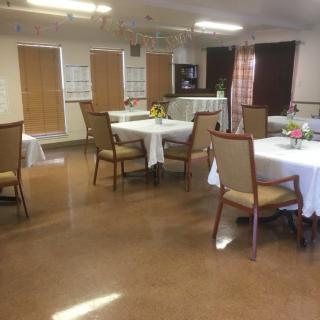
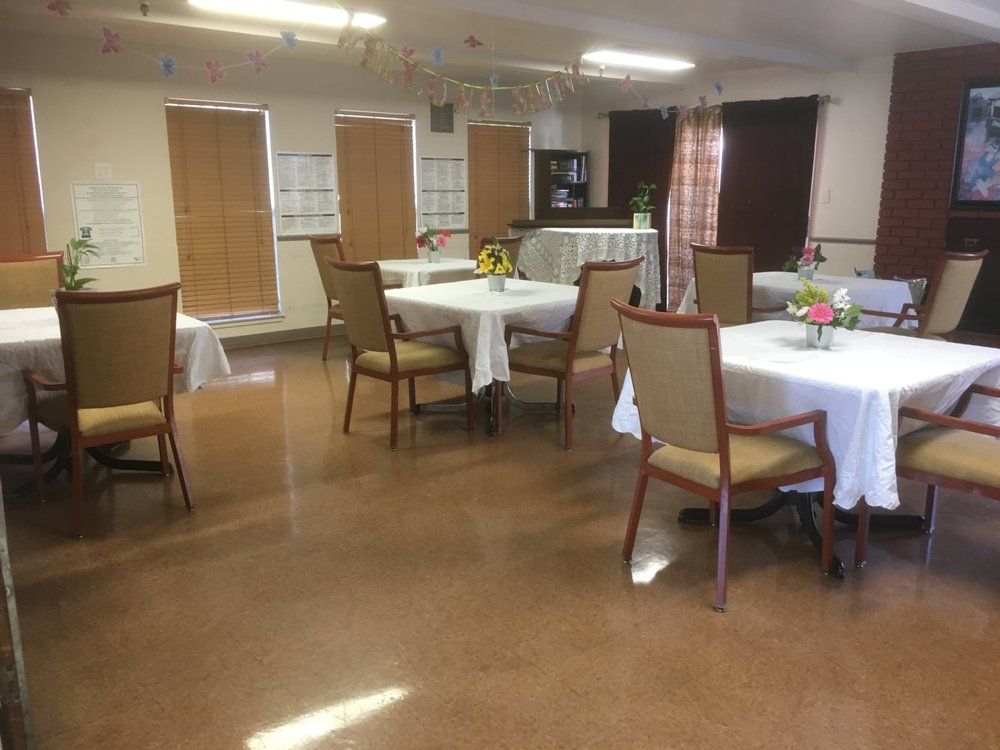
- The facility was always clean and fresh smelling.
- The cook asked residents for their preferences.
- They offered bingo and game days.
Cons
 He developed a nasty bed sore after about two months in a wheelchair for his safety.
- Some staff overmedicated him, causing several hospital stays.
- On one occasion he was not expected to survive.
- Bed sores are inexcusable.
- The dietitian was ignorant regarding a renal diet.
- He was inadequately clothed for the weather during the winter.
- The care was so bad that the VA stopped sending patients there.
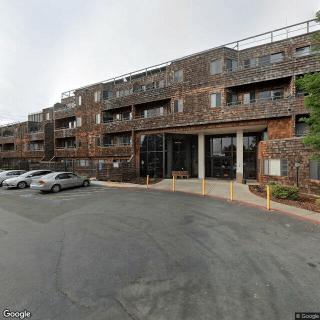
- The exterior looked nondescript and the entrance was hard to locate.
- The administration would not release her despite the doctor's order, keeping her for 70 days.
- They milked the system and used up the full 100 days allowed by Medicare and Medicaid even if the patient did not need it.
Review
Pittsburg Skilled Nursing Center is best suited for seniors who need short- to mid-term skilled rehab and daily living support at a budget-friendly rate, and who respond well to a staffed environment with social activity and accessible transportation. The facility presents a practical option for those recovering from surgery or a stroke, and who can tolerate a neighborhood-level care setting rather than a hospital-like, highly centralized medical campus. It is not the right fit for residents requiring relentless clinical vigilance, complex wound care, or consistently flawless safety oversight, since care quality and reliability appear to vary by shift and staff, and outcomes can hinge on which team is on duty.
The clearest positives lie in the human touch and day-to-day atmosphere. Staff members who interact with residents in a friendly, responsive way help sustain comfort even when medical processes are imperfect. A dietitian’s involvement, and a menu that accommodates preferences and substitutions, adds a tangible sense of individualized attention. Cleanliness and a homey, organized environment contribute to a baseline of comfort, while a calendar of activities, bingo, crafts, music, and other group events, offers meaningful engagement for many residents. Transportation via buses also supports family visits and community participation, which can nourish morale during recovery.
Yet the most significant red flags cluster around safety and medical management. Multiple reviews recount serious concerns: bed sores after prolonged confinement, signs of overmedication that led to hospital stays, and at least one instance of a resident being left unsupervised in a shower. These patterns imply gaps in monitoring, fall prevention, and timely escalation of problems. Administrative friction compounds the risk, with reports of discharge planning that appears reactive rather than proactive and situations where length of stay extends beyond the rehab goals set by clinicians. The combination of safety lapses and inconsistent oversight creates a calculus that many families will weigh heavily.
The positives and the risks do interact in a meaningful way. For residents with moderate rehab needs and a preference for social programming, the staff warmth, responsive dietary support, and the clean, welcoming environment can meaningfully improve daily life and recovery enjoyment. These strengths help offset some frustrations by delivering reliable human connection and routine. However, the safety and discharge concerns tend to dominate the decision for those facing higher medical needs or complicated recovery trajectories. In practical terms, the facility delivers real value in everyday care and engagement, but cannot be counted on for uniform clinical reliability across shifts.
Who should consider alternatives is clear. If priority is unwavering safety, consistent nursing supervision, and proactive discharge planning, other communities with stronger track records in risk management should be explored. For residents requiring specialized medical oversight, such as consistent wound care, complex medication management, or dialysis-related nutrition needs, this center may fall short unless specific staff expertise and protocols are confirmed in advance. Families aiming for a short, decisive rehab with predictable, doctor-directed planning will likely find more reassurance elsewhere, particularly if the plan involves a quick return home after reaching goals.
To make a well-supported decision, approach these steps: demand a direct meeting with a nurse manager or administrator to review current care protocols, staffing assignments, and fall-prevention procedures; request a clear, up-to-date discharge plan tied to medical goals; observe a shift to assess how care is delivered in real time; inquire about recent safety incidents and the follow-up actions taken; and compare cost, safety records, and resident satisfaction against nearby options. With careful due diligence, the choice will align with the loved one’s medical needs, mobility, and daily rhythm, balancing the appeal of warmth and activity with the imperative of reliable safety and discharge clarity.
 49 resident community capacity
 Skilled Nursing Facility
 Beauty salon
 Cable or satellite TV
 Dining room
 Fully furnished
 Garden
 Housekeeping services
 Kitchenette
 Move-in coordination
 Outdoor space
 Restaurant-style dining
 Small library
 Telephone
 Wi-Fi/high-speed internet available
 24-hour call system
 Activities of daily living assistance
 Assistance with bathing
 Assistance with dressing
 Assistance with transfers
 Diabetes diet
 Medication management
 Mental wellness program
 Special dietary restrictions




 Understanding the Nuances of Palliative Care and Hospice: A Comprehensive Exploration
 Is In-Home Healthcare Tax Deductible? Your Comprehensive Guide
 Nurturing Well-Being Through Gardening: A Detailed Guide for Senior Enthusiasts