Stoneman Village in Pittsburg, CA
Save
390 E Leland Rd, Pittsburg, CA 94565
For more information about senior living options: (844) 490-3973
Stoneman Village in Pittsburg is best suited for low-income seniors and disabled adults who want safe, affordable, independent living in a compact 1-bedroom format, with a proven sense of community and a voice in local governance. The property draws residents who plan long-term residency and value stability over luxury, with many arriving after lengthy waiting periods and enough loyalty to stay for years. For families weighing the next move, this community shines when the priority is predictable costs, reliable safety, and ongoing social connection without blowing through savings.
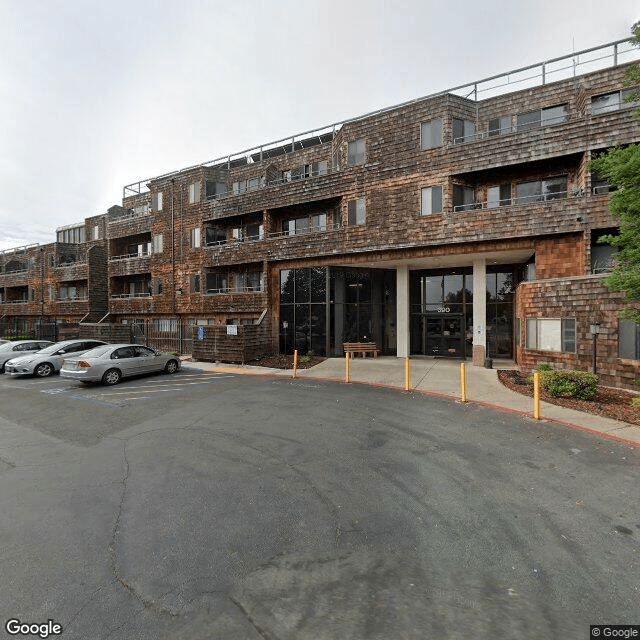
The strongest positives are unmistakable. The housing is clean, affordable, and clearly designed for life-long tenancy, with 1-bedroom units that accommodate most single residents or couples who are comfortable downsizing. Staff are repeatedly described as friendly, courteous, and attentive, and residents themselves are portrayed as quiet, helpful, and engaged. A meaningful feature is the Resident Association, which gives residents a real channel to influence the Board of Directors, reinforcing a sense that life here is managed with residents' input in mind. Daily activities abound, with a weekday cafeteria offering meals, creating built-in social rhythms and predictable routines that prevent isolation. The grounds-and-buildings feel well-kept, and amenities like gardens, an on-site store/kitchen, and easy parking further reduce everyday friction.
However, clear caveats deserve emphasis. The very advantage of a 1-bedroom, budget-friendly setup is also its chief constraint: space is limited, with no option for larger layouts or second bedrooms, which can be a hurdle for couples or residents with equipment or room-sharing needs. The policy structure - no open flames and no smoking - follows safety norms but can feel restrictive for those who value culinary experimentation or smoking outdoors as a social habit. Dining is convenient during weekdays, but the absence of more expansive dining hours or additional on-site culinary options may frustrate residents seeking broader meal flexibility. The practical hurdle many face is a long wait list; three years on the waiting list is not unusual, so prospective movers must be prepared for a long horizon before settlement.
The balance between pros and cons tilts toward practicality for the right candidate. The affordability, safety, and continuous social programming typically offset the space limitations for single residents or couples who are content with a 1-bedroom footprint. The strong staff culture and resident governance provide reassurance that needs will be heard, while maintenance responsiveness and a community-oriented atmosphere reduce daily stress. Still, the offset loses some weight if the move is time-sensitive or if one household requires more than a single bedroom, a longer dining envelope, or enhanced privacy that only larger units or more flexible layouts can deliver.
Decision guidance should be clear. Prospective residents who prize community engagement, predictable budgeting, and a well-tended living environment will find this a compelling fit, especially if independence with minimal formal care needs is the goal. Families should verify comfort with the downsizing requirement and accept the 1-bedroom limit, alongside the safety restrictions; if these align with current priorities, Stoneman Village delivers dependable quality and a friendly, organized ecosystem. For those who anticipate needing assisted living supports, desire larger private spaces, or want flexible dining and social options beyond weekdays, alternatives such as larger senior apartments, communities with broader dining scheduling, or facilities offering more extensive on-site services should be explored.
In summary, Stoneman Village stands out as a pragmatic, experience-backed option for?-income seniors seeking security, community, and cost predictability in a quiet, well-run setting. It is a particularly strong fit for individuals or couples content with compact living and active social life, who can tolerate the long wait for move-in and the constraints of a 1-bedroom residence. Those chasing more space, more flexible dining, or enhanced care services will want to contrast this with alternatives that better align with expanding needs or budget expectations. The right choice will hinge on whether affordability and community outweigh the desire for larger square footage and broader on-site amenities.
Stoneman Village in Pittsburg, CA is a vibrant and enriching assisted living community that offers a range of thoughtful amenities and care services to its residents. With a focus on providing a comfortable and fulfilling lifestyle, the community offers devotional services off-site, allowing residents to nurture their spiritual needs.
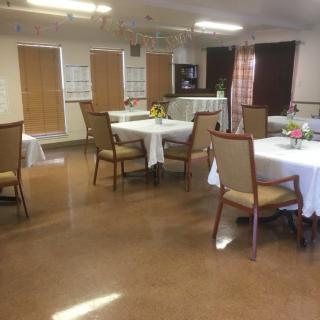
The indoor common areas provide residents with spaces to socialize, relax, and engage in various activities. From cozy lounges to spacious gathering areas, these communal spaces encourage interaction among residents and foster a sense of community.
Stoneman Village also caters to residents with specific healthcare needs by offering diabetic care services. Trained professionals are dedicated to assisting diabetic residents in managing their condition effectively while ensuring they receive the necessary support for their daily living activities.
In addition to comprehensive care services, the community recognizes the importance of maintaining an active and stimulating lifestyle. Devotional activities off-site are organized, allowing residents to continue practicing their faith beyond the walls of the community.
Conveniently located near several amenities, Stoneman Village ensures that residents have easy access to essential resources in the surrounding area. With four cafes, parks, pharmacies, physicians nearby and eleven restaurants within close proximity, residents can enjoy a variety of dining options as well as nature-filled outings or social gatherings.
Transportation services make it convenient for residents to explore the local area or attend appointments outside the community. The presence of places of worship nearby ensures that individuals can maintain their religious practices comfortably.
Furthermore, having a hospital nearby provides peace of mind to both residents and their families knowing that medical assistance is readily accessible if needed.
Stoneman Village in Pittsburg, CA embodies an inclusive and supportive assisted living environment where seniors can thrive through engaging activities, excellent care services tailored to individual needs, and convenient access to essential amenities in the surrounding area.
This part of Pittsburg, California offers a convenient location with a variety of amenities nearby. There are several pharmacies, restaurants, cafes, parks, physicians' offices, hospitals, places of worship, transportation options, and even a drive-in theater within a few miles radius. This means easy access to healthcare services, dining options, recreational activities in the parks, and public transportation for getting around. The area also has diverse options for spiritual fulfillment and entertainment. Overall, this neighborhood provides a blend of necessities and leisure activities that could make it a comfortable and convenient choice for seniors looking to settle in Pittsburg.
Stoneman Village is located at 390 E Leland Rd, Pittsburg, CA 94565 in Contra Costa County, California
Vibrant Senior Living: A Comprehensive Guide for Active Older Adults
Vibrant Senior Living emphasizes active senior living communities that promote independence and engagement through diverse amenities and activities, fostering wellness and social interaction among older adults. These communities range from independent to assisted living, with a focus on personal growth, family involvement, financial planning, and leveraging technology to enhance residents' experiences.
Transitioning from assisted living to memory care is driven by an individual's cognitive decline and specific needs, requiring careful evaluation of indicators like increased confusion and wandering. The process involves consulting medical professionals, researching suitable communities, considering financial and legal aspects, and ensuring effective communication for personalized care plans.
Assisted Living and Memory Care: Understanding Their Core Differences
Assisted living provides moderate support for seniors seeking independence, while memory care offers specialized support for individuals with dementia or cognitive impairments through structured routines and trained staff. Key differences include care approaches, environment security measures, staff training levels, activity types, and cost considerations.