For more information about senior living options: (866) 208-4318
4 from 61 reviews
5 stars
35
4 stars
13
3 stars
1
2 stars
0
1 stars
12
Overall Review of Windsor Care Center Of Petaluma
common35 reviews mention this
Staff care is a major theme
Residents and visitors frequently describe the staff as kind, helpful, and attentive.
Many reviews focus on staff professionalism and kindness, including nurses, aides, and therapy staff. Several residents and families say care feels personal—helping with needs, treating people with dignity, and keeping them informed. A smaller number of reviews report the opposite, describing missed care, rude behavior, and inadequate help when assistance was requested.
common9 reviews mention this
Cleanliness comes up often
Cleanliness is a noticeable point in both positive and negative reviews.
Multiple reviewers describe the facility as clean, well-kept, or maintained, including when they visited or when their loved one was there. Some reviewers also mention a need for better upkeep on parts of the exterior grounds. There are also reviews that raise hygiene concerns, including delayed response to basic care requests.
common11 reviews mention this
Therapy and rehab support vary
Reviews point to rehab therapy and communication as important parts of care.
Several reviews praise therapy teams—especially physical and occupational therapy—and say communication with staff was on point. Others describe tailored care and mention rehab progress after surgery. At the same time, a few reviews directly criticize the amount or responsiveness of therapy and physical therapy participation.
caveat7 reviews mention this
Dining quality is mixed
Dining feedback ranges from positive to strongly negative.
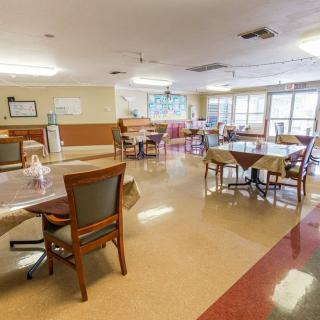
Some residents and visitors describe meals as good, well prepared, or nicely presented, and a few note dietitian involvement in meal preferences. Other reviews report negative experiences, including complaints about food quality and what they describe as unhealthy beverages. Overall, dining seems to be one of the more uneven areas in the feedback.
caveat5 reviews mention this
Call-button and assistance timing
A recurring concern is delays in responding to requests for help.
Several reviews mention trouble getting timely help after using call buttons, including long waits and instances where staff did not arrive as expected. One review also ties response problems to delays in basic care after requests were made. A separate review notes that call light response could be more timely and describes an issue with scent triggers affecting comfort.
common2 reviews mention this
Outdoor space and activities help
Residents describe time outdoors and regular activities.
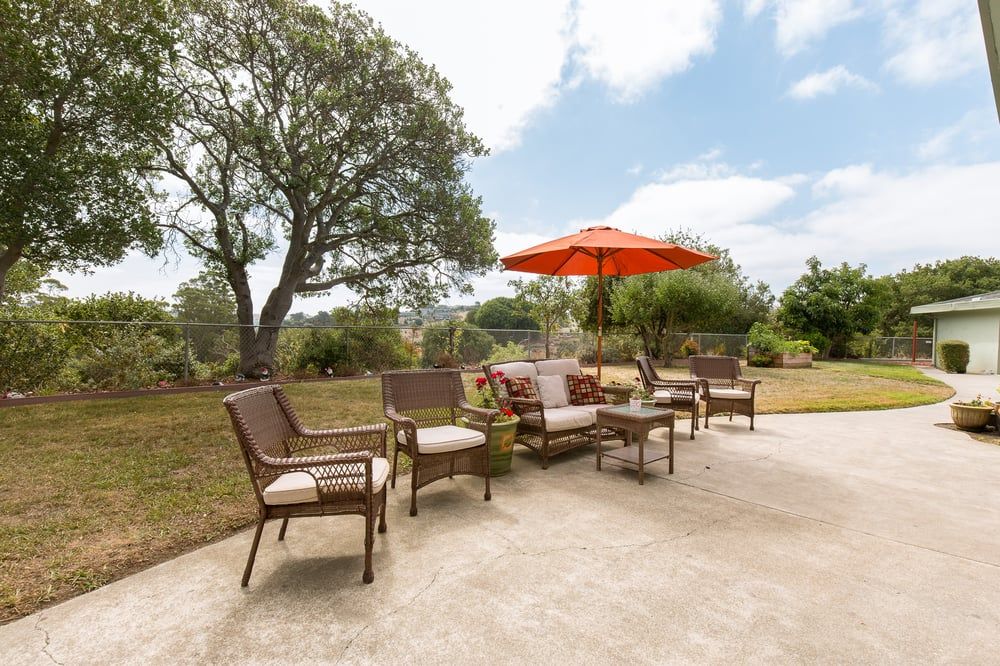
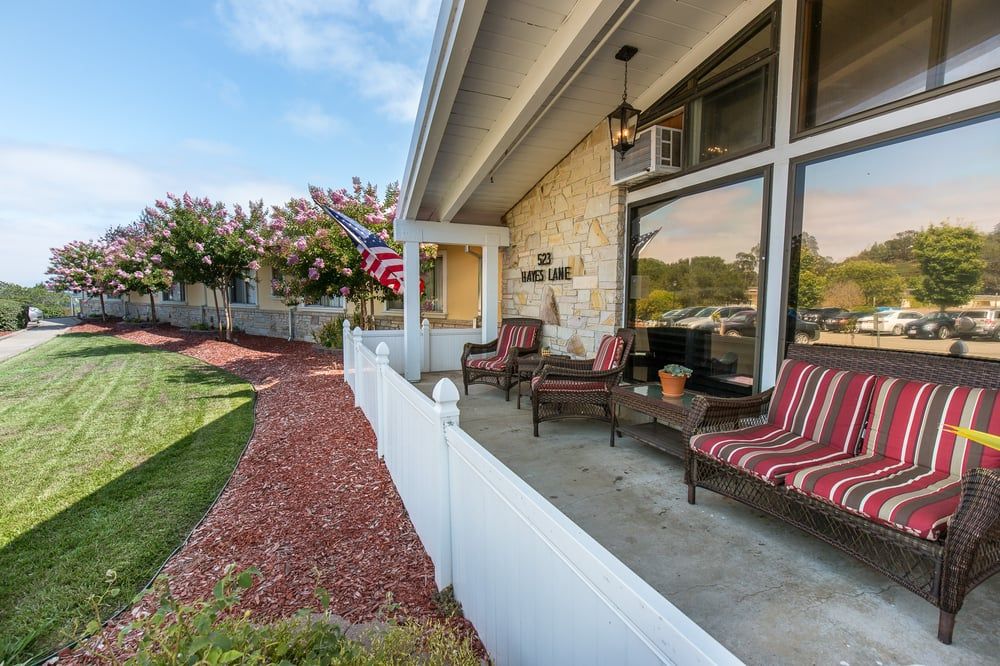
Some reviews highlight the ability to sit outside in a yard or patio area and enjoy the view. Others say there is always something to do with planned activities, and mention the activity department providing ongoing options. Together, the feedback suggests quality time outside and structured activity programming matter to residents and families.
How we summarize
Counts show how many written reviews mention each theme; a review can touch several themes, and only frequently mentioned themes are displayed.
Features
Housing
79 resident community capacity
Types of Care
Skilled Nursing Facility
Amenities
Air-conditioning
Beauty salon
Cable or satellite TV
Computer center
Dining room
Fitness room
Fully furnished
Gaming room
Garden
Housekeeping services
Kitchenette
Move-in coordination
Outdoor space
Private bathrooms
Restaurant-style dining
Small library
Telephone
Wellness center
Wi-Fi/high-speed internet available
Transportation
Community operated transportation
Transportation arrangement
Transportation arrangement (non-medical)
Transportation to doctors appointments
Care Services
12-16 hour nursing
24-hour call system
24-hour supervision
Activities of daily living assistance
Assistance with bathing
Assistance with dressing
Assistance with transfers
Diabetes diet
Meal preparation and service
Medication management
Mental wellness program
Special dietary restrictions
Dining
Diabetes diet
Special dietary restrictions
Activities
Community-sponsored activities
Concierge services
Fitness programs
Planned day trips
Resident-run activities
Scheduled daily activities
Nearby Places of Interest
Hospitals
Evergreen Health Rehabilitation Center (0.5 miles)
Petaluma Valley Hospital-Radiology & Laboratory Outpatient Clinic (2.2 miles)
Parkside Recovery Centers (2.4 miles)
SRM Alliance Hospital Services (2.4 miles)
Chaplain's Office: Novato Community Hospital: Sutter Health Affiliate (9.7 miles)
Novato Community Hospital (9.7 miles)
Parks
McNear Park (0.5 miles)
Miwok Park (7.8 miles)
Pioneer Park (8 miles)
Jack London State Historic Park (10.7 miles)
Places of Worship
St Vincent De Paul Church (0.8 miles)
St Leo's Catholic Church (10.8 miles)
Physicians
Westside Optometry (0.9 miles)
Dermatology Associates of the Bay Area (2.2 miles)
Annadel Medical Group (2.2 miles)
North Bay Eye Associates (2.2 miles)
North Bay Dermatology and Skin Cancer Center (2.3 miles)
Petaluma Pediatrician - Dr Faye Lundergan (2.4 miles)
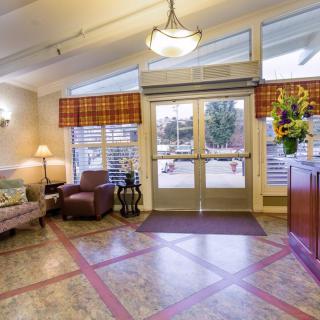
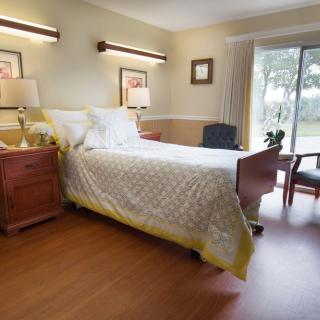
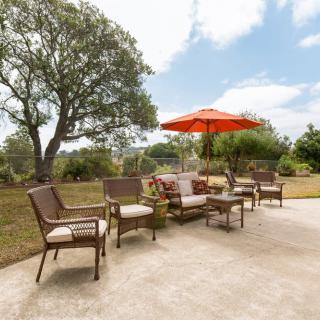
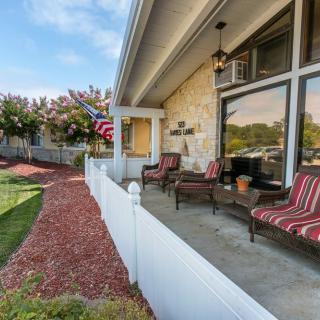
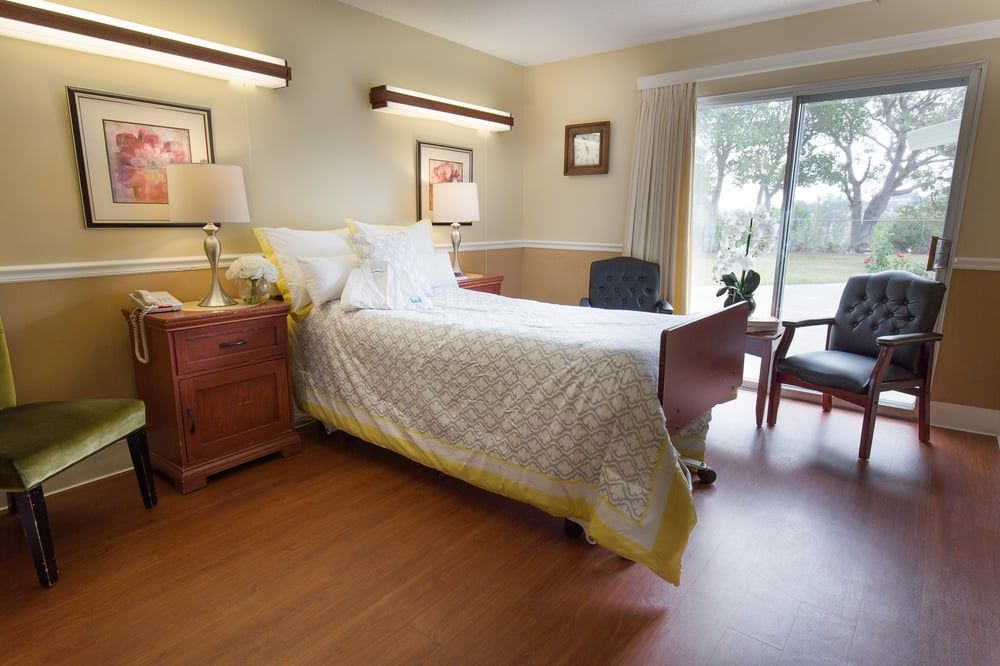
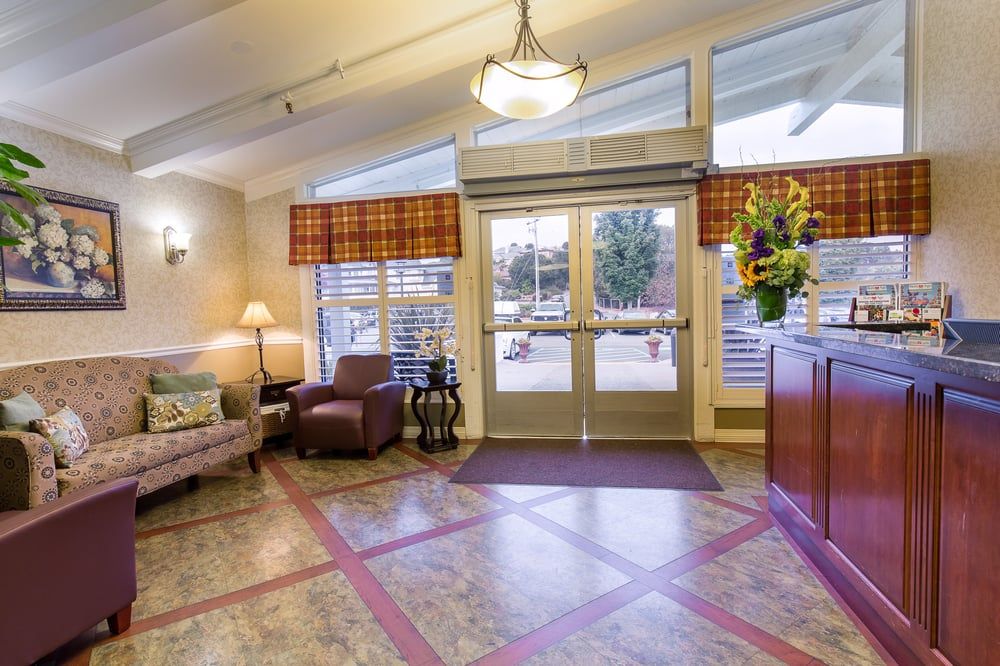
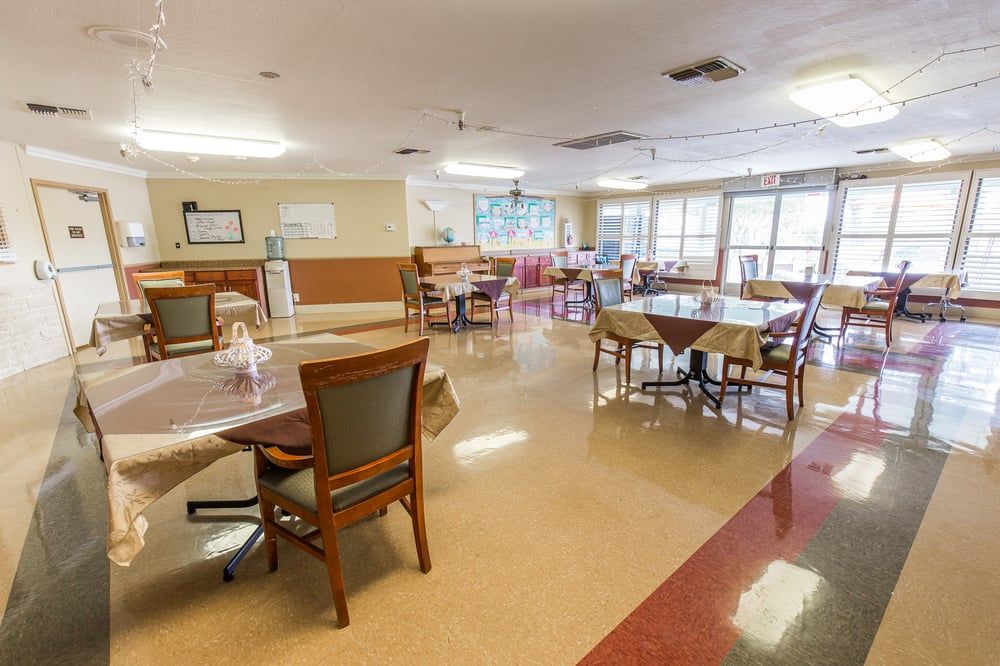
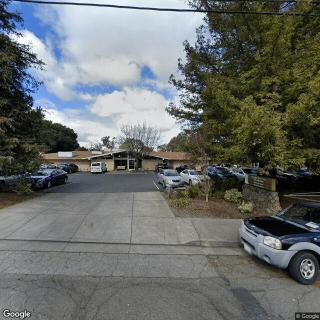
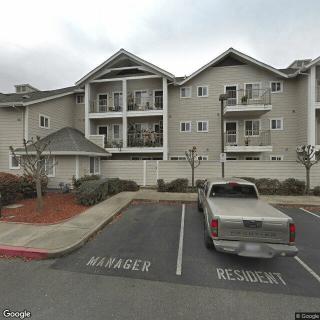
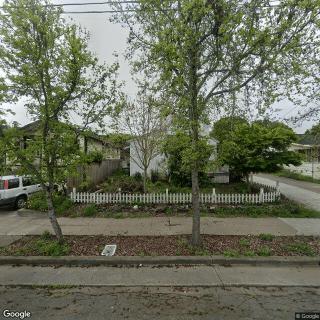
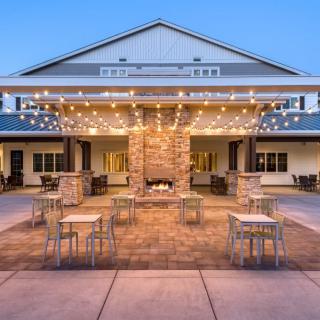
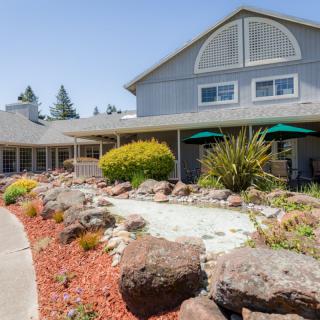
Windsor Care Center Of Petaluma on seniors.fyi includes 5 photos including images showing landscaping, bedroom, patio, outdoor furniture, garden, trees, porch, outdoor seating, and more.
Nearby Communities
Petaluma Post-Acute Rehab
Petaluma, CA
4.7 from 40 reviews
Excellent wound care with compassionate, professional staff.
Palliative care focuses on alleviating distress at any stage of a serious illness and can accompany curative treatments, while hospice care is for those nearing the end of life with a prognosis of six months or less, emphasizing comfort over curative measures. Both prioritize holistic care for patients and families but differ in timing, goals, and scope.
Fecal incontinence, prevalent among older adults, arises from factors like weakened pelvic muscles and nerve damage, significantly affecting well-being and social interactions. Diagnosis involves clinical evaluation and tests to inform tailored treatments, while caregivers and preventive measures can aid in managing the condition effectively.
Anticipatory grief is an emotional response to the impending loss of a loved one, characterized by complex emotions such as sadness and anger, and involves navigating stages similar to those identified by Kübler-Ross. Coping strategies are vital for managing this process, emphasizing compassionate communication, self-care, and support groups while recognizing the cultural influences on grieving.
Interior, Seating Area, Entrance, Lobby, and Lights
Bedroom
Dining, Windows, and Bright Lighting
Landscaping and Patio
Trees, Garden, and Outdoor Furniture
Outdoor Seating, Flag, and Porch
Get PricingAsk A QuestionSchedule A TourContact Senior Advisor
By clicking submit, you agree to our Partner's Terms of Use. You
also consent to receive calls and texts, which may be autodialed, from our Partner. Your consent is not a condition to
using our Partner's service. Please visit our Partner's Privacy Policy for information about their privacy practices.

 79 resident community capacity
 Skilled Nursing Facility
 Air-conditioning
 Beauty salon
 Cable or satellite TV
 Computer center
 Dining room
 Fitness room
 Fully furnished
 Gaming room
 Garden
 Housekeeping services
 Kitchenette
 Move-in coordination
 Outdoor space
 Private bathrooms
 Restaurant-style dining
 Small library
 Telephone
 Wellness center
 Wi-Fi/high-speed internet available
 Community operated transportation
 12-16 hour nursing
 24-hour call system
 Activities of daily living assistance
 Assistance with bathing
 Assistance with dressing
 Assistance with transfers
 Diabetes diet
 Medication management
 Mental wellness program
 Special dietary restrictions
 Concierge services
 Planned day trips
 Excellent wound care with compassionate, professional staff.


 Understanding the Nuances of Palliative Care and Hospice: A Comprehensive Exploration
 Fecal Incontinence in Older Adults: A Comprehensive Guide
 Recognizing the Journey: Understanding and Navigating Anticipatory Grief