For more information about senior living options: (866) 208-4318
4.2 from 55 reviews
5 stars
44
4 stars
0
3 stars
1
2 stars
0
1 stars
10
Overall Review of The Oaks Post Acute
common12 reviews mention this
The building feels consistently clean
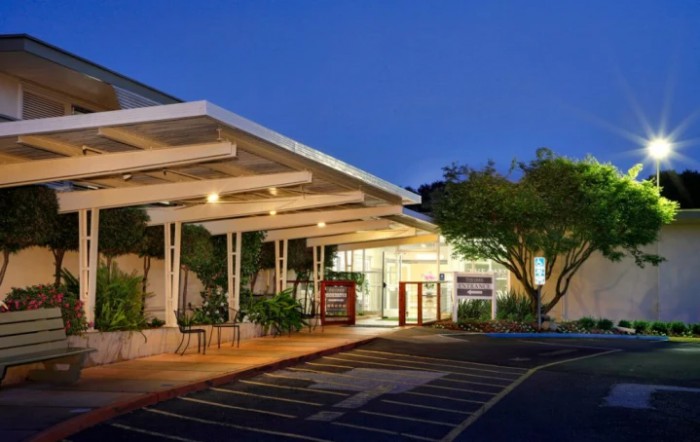
Residents repeatedly describe the facility as clean and well kept.
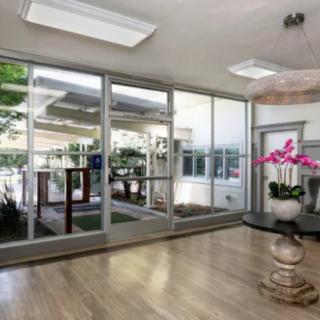
Many reviews highlight cleanliness, from “super clean” and “well maintained” to spotless common areas. Several also mention the lack of offensive odors, reinforcing that the space feels cared for. Even with mixed reviews, cleanliness is still brought up as a clear, consistent observation.
common8 reviews mention this
Rehab therapy is a major focus
Physical and occupational therapy is a strong part of the experience.
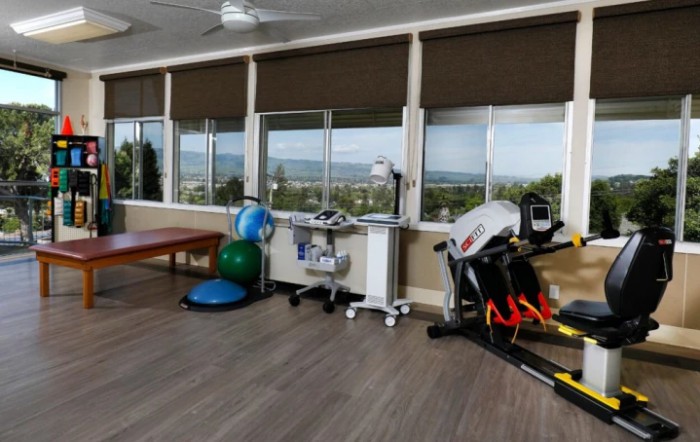
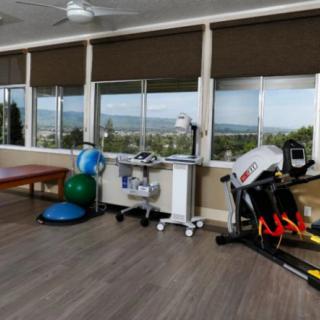
Residents and families repeatedly mention physical therapy (and sometimes occupational therapy) as knowledgeable, professional, and helpful. Multiple reviews describe noticeable progress, including being able to walk again or return home more independently. The rehab gym and therapists also come up as standout parts of the day-to-day routine.
common3 reviews mention this
Activities help make stays fuller
Residents describe regular activities they can join.
Several reviews mention fun activities available for residents, including groups and scheduled programs. One review highlights a daily activities program with options like music, art, and movies. Another describes a steady schedule of activities along with amenities that make the time feel less isolated.
caveat7 reviews mention this
Food quality is mixed
Dining satisfaction varies, with both praise and complaints in reviews.
Some residents describe food services as tasty, healthy, or delicious, and a few mention that they received helpful food options. Others say the food was horrible or not good enough, and at least one reviewer called out a specific issue with a food item. A review also mentions call response delays related to getting help, which can compound dissatisfaction when meals are a concern.
caveat2 reviews mention this
Communication can be difficult
A couple of reviews raise concerns about communication.
Two reviews specifically describe difficulty reaching the facility and inconsistent communication. One notes that phone calls aren’t answered and that stories differ depending on who you speak with. Another emphasizes that family should not expect communication once a loved one is there.
How we summarize
Counts show how many written reviews mention each theme; a review can touch several themes, and only frequently mentioned themes are displayed.
Features
Housing
59 resident community capacity
Types of Care
Skilled Nursing Facility
Amenities
Air-conditioning
Beauty salon
Cable or satellite TV
Computer center
Dining room
Fitness room
Fully furnished
Gaming room
Garden
Housekeeping services
Kitchenette
Move-in coordination
Outdoor space
Private bathrooms
Restaurant-style dining
Small library
Telephone
Wellness center
Wi-Fi/high-speed internet available
Transportation
Community operated transportation
Transportation arrangement
Transportation arrangement (non-medical)
Transportation to doctors appointments
Care Services
12-16 hour nursing
24-hour call system
24-hour supervision
Activities of daily living assistance
Assistance with bathing
Assistance with dressing
Assistance with transfers
Diabetes diet
Meal preparation and service
Medication management
Mental wellness program
Special dietary restrictions
Dining
Diabetes diet
Special dietary restrictions
Activities
Community-sponsored activities
Concierge services
Fitness programs
Planned day trips
Resident-run activities
Scheduled daily activities
Nearby Places of Interest
Hospitals
Evergreen Health Rehabilitation Center (0.4 miles)
Petaluma Valley Hospital-Radiology & Laboratory Outpatient Clinic (2.1 miles)
Parkside Recovery Centers (2.4 miles)
SRM Alliance Hospital Services (2.4 miles)
Chaplain's Office: Novato Community Hospital: Sutter Health Affiliate (9.8 miles)
Novato Community Hospital (9.8 miles)
Parks
McNear Park (0.6 miles)
Miwok Park (7.9 miles)
Pioneer Park (8.1 miles)
Jack London State Historic Park (10.7 miles)
Places of Worship
St Vincent De Paul Church (0.7 miles)
St Leo's Catholic Church (10.8 miles)
Restaurants
Wild Goat Bistro (0.9 miles)
Brewsters Beer Garden (1 miles)
The Block (1.1 miles)
McDonald's (1.6 miles)
In-N-Out Burger (1.7 miles)
McDonald's (2.2 miles)
Lombardi's BBQ & Deli (2.7 miles)
Theaters
Boulevard Cinemas (0.9 miles)
Rohnert Park 16 (9.5 miles)
Physicians
Westside Optometry (0.9 miles)
Dermatology Associates of the Bay Area (2.1 miles)
Annadel Medical Group (2.1 miles)
North Bay Eye Associates (2.2 miles)
North Bay Dermatology and Skin Cancer Center (2.2 miles)
Petaluma Pediatrician - Dr Faye Lundergan (2.4 miles)
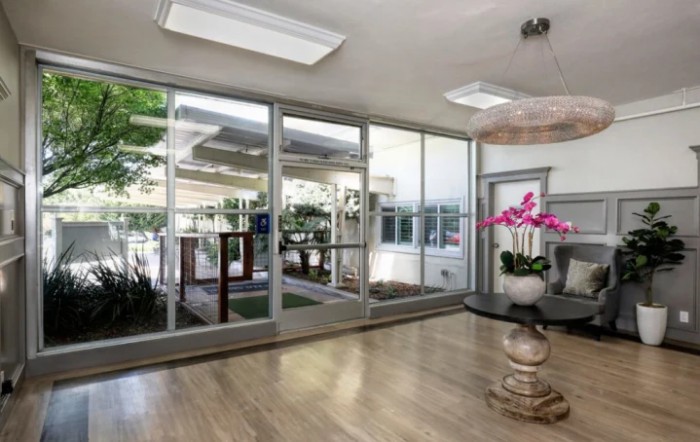
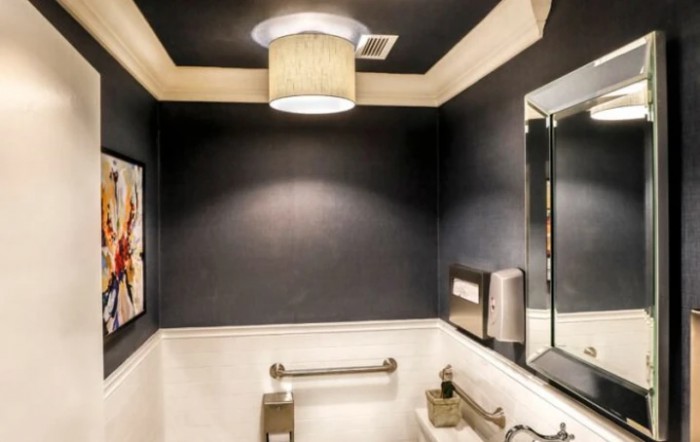
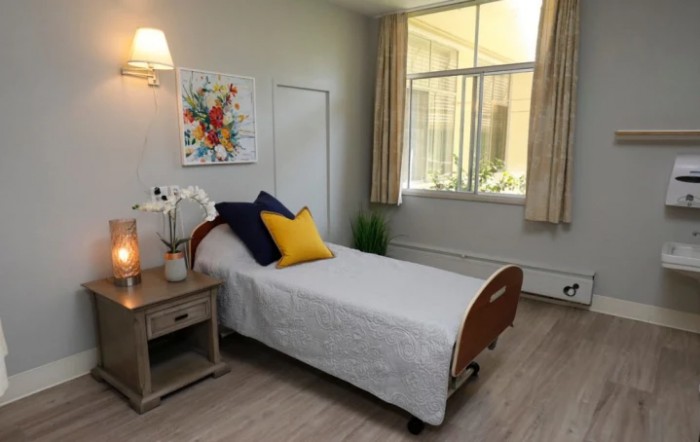
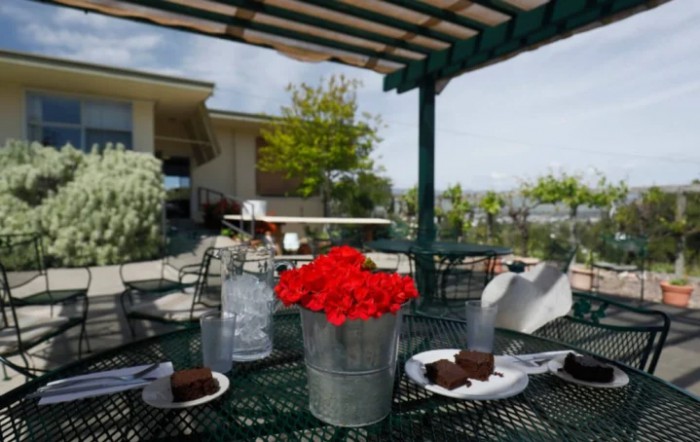
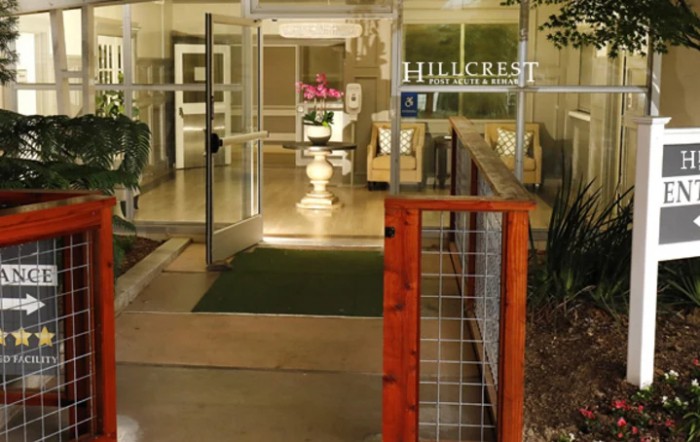
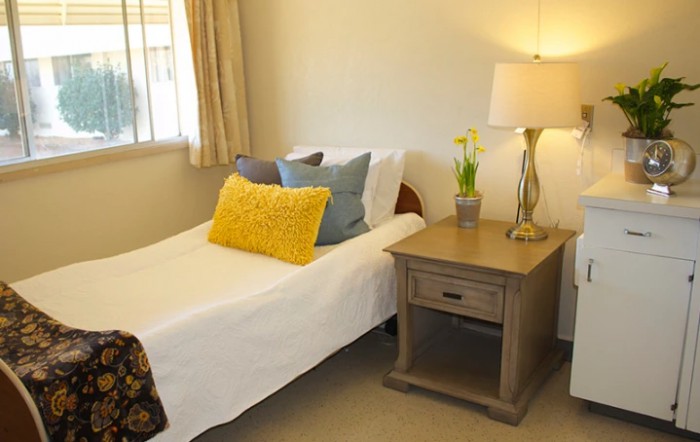
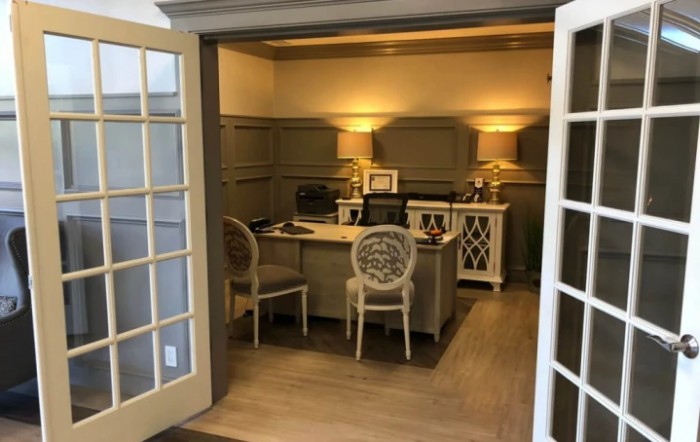
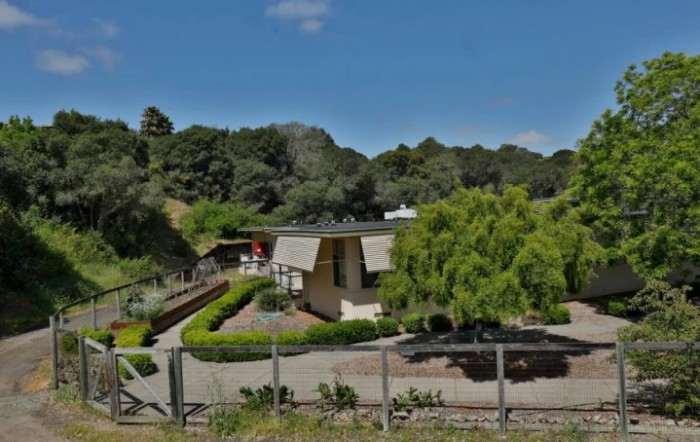
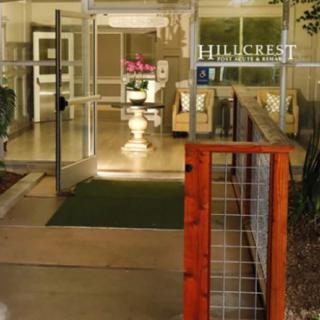
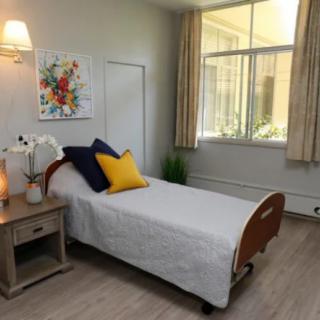
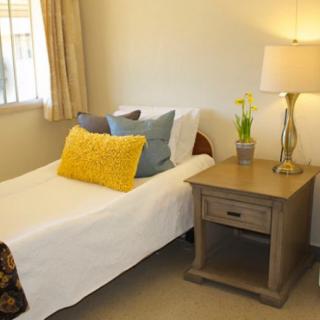
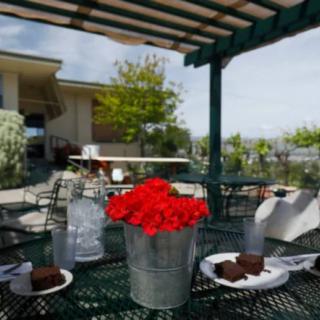
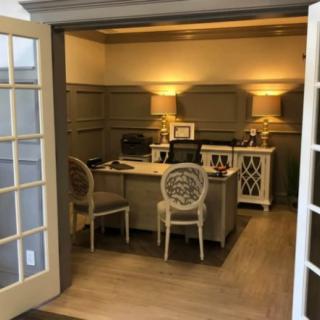
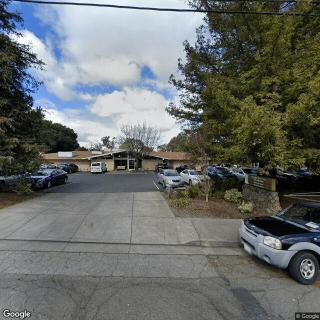
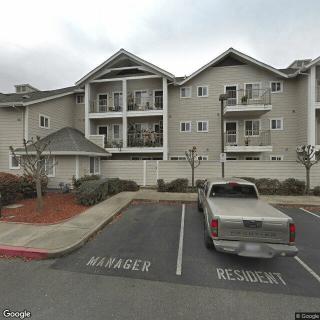
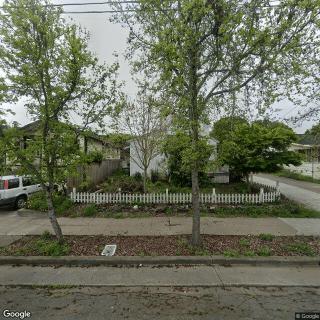
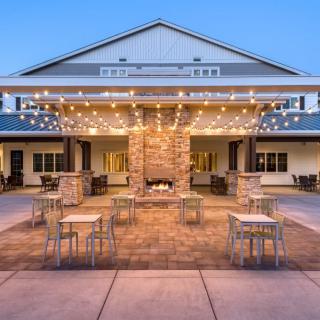
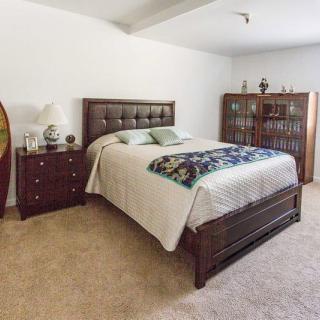
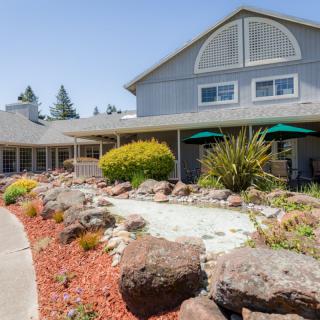
The Oaks Post Acute on seniors.fyi includes 11 photos including images showing interior, bedroom, exercise equipment, trees, landscaping, nature, entrance, windows, and more.
Nearby Communities
Windsor Care Center Of Petaluma
Petaluma, CA
4 from 61 reviews
Attentive staff, clean facilities, and a pleasant outdoor space that supports recovery and comfort.
Petaluma Post-Acute Rehab
Petaluma, CA
4.7 from 40 reviews
Excellent wound care with compassionate, professional staff.
Empres Post Acute
Petaluma, CA
Leib Senior apartments
Petaluma, CA
Convenient, amenity-rich location with nearby healthcare, dining, worship, and cultural options.
Little Bird Assisted Living
Petaluma, CA
4.5 from 2 reviews
Small, intimate 6-bed community with personalized care.
Kate's Westside Inn Elder Care Home
Petaluma, CA
4.9 from 10 reviews
Boutique-hotel vibe with private rooms, tasteful common areas, and attentive, caring staff.
Clearwater at Sonoma Hills
Rohnert Park, CA
4.7 from 34 reviews
$3,470 to $8,015 / month
Modern, clean facility with attentive staff and diverse on-site amenities.
Deer Park Retirement Community
Novato, CA
4.4 from 75 reviews
$3,300 to $5,900 / month
Beautiful surroundings with engaging activities, friendly staff, and well-maintained facilities with extensive on-site amenities.
Cogir of Rohnert Park Senior Living
Rohnert Park, CA
4.4 from 115 reviews
$4,070 to $5,920 / month
Friendly staff, close-knit community with engaging activities and praised dining.
Palliative care focuses on alleviating distress at any stage of a serious illness and can accompany curative treatments, while hospice care is for those nearing the end of life with a prognosis of six months or less, emphasizing comfort over curative measures. Both prioritize holistic care for patients and families but differ in timing, goals, and scope.
Fecal incontinence, prevalent among older adults, arises from factors like weakened pelvic muscles and nerve damage, significantly affecting well-being and social interactions. Diagnosis involves clinical evaluation and tests to inform tailored treatments, while caregivers and preventive measures can aid in managing the condition effectively.
Gardening provides seniors with physical exercise, mental and emotional support, and social interaction opportunities, while accommodating their needs through raised beds and ergonomic tools. It promotes health benefits like improved dexterity and cardiovascular health, encourages sustainable practices, and allows for manageable upkeep with low-maintenance plants.
Get PricingAsk A QuestionSchedule A TourContact Senior Advisor
By clicking submit, you agree to our Partner's Terms of Use. You
also consent to receive calls and texts, which may be autodialed, from our Partner. Your consent is not a condition to
using our Partner's service. Please visit our Partner's Privacy Policy for information about their privacy practices.





 59 resident community capacity
 Skilled Nursing Facility
 Air-conditioning
 Beauty salon
 Cable or satellite TV
 Computer center
 Dining room
 Fitness room
 Fully furnished
 Gaming room
 Garden
 Housekeeping services
 Kitchenette
 Move-in coordination
 Outdoor space
 Private bathrooms
 Restaurant-style dining
 Small library
 Telephone
 Wellness center
 Wi-Fi/high-speed internet available
 Community operated transportation
 12-16 hour nursing
 24-hour call system
 Activities of daily living assistance
 Assistance with bathing
 Assistance with dressing
 Assistance with transfers
 Diabetes diet
 Medication management
 Mental wellness program
 Special dietary restrictions
 Concierge services
 Planned day trips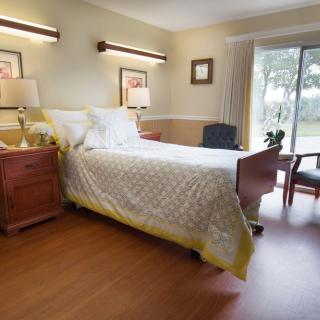
 Attentive staff, clean facilities, and a pleasant outdoor space that supports recovery and comfort.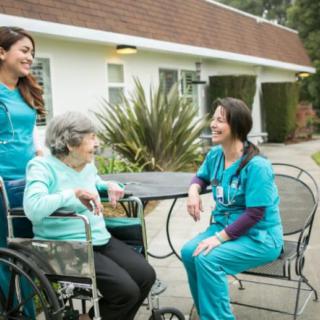

 Understanding the Nuances of Palliative Care and Hospice: A Comprehensive Exploration
 Fecal Incontinence in Older Adults: A Comprehensive Guide
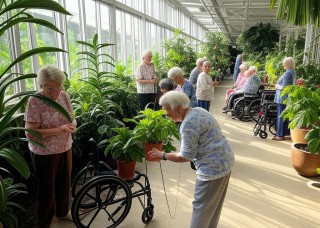 Nurturing Well-Being Through Gardening: A Detailed Guide for Senior Enthusiasts