






74-350 Country Club Drive, Palm Desert, CA 92260
For more information about senior living options: (866) 208-4318
Overall Review of Manorcare Health Services-Palm Desert
Pros
 The facility has always been a place of comfort after illness.
- The staff makes visitors feel like family.
- There are many wonderful nurses, nursing aides, and therapists.
- The physical therapy staff is excellent.
- The food was excellent.
- The nursing staff, CNAs, and therapy staff were incredibly caring and wonderful.
- The facility is clean and attractive, and residents look happy and well supervised.
- The cardiac area staff were amazing and provided tender loving care.
Cons
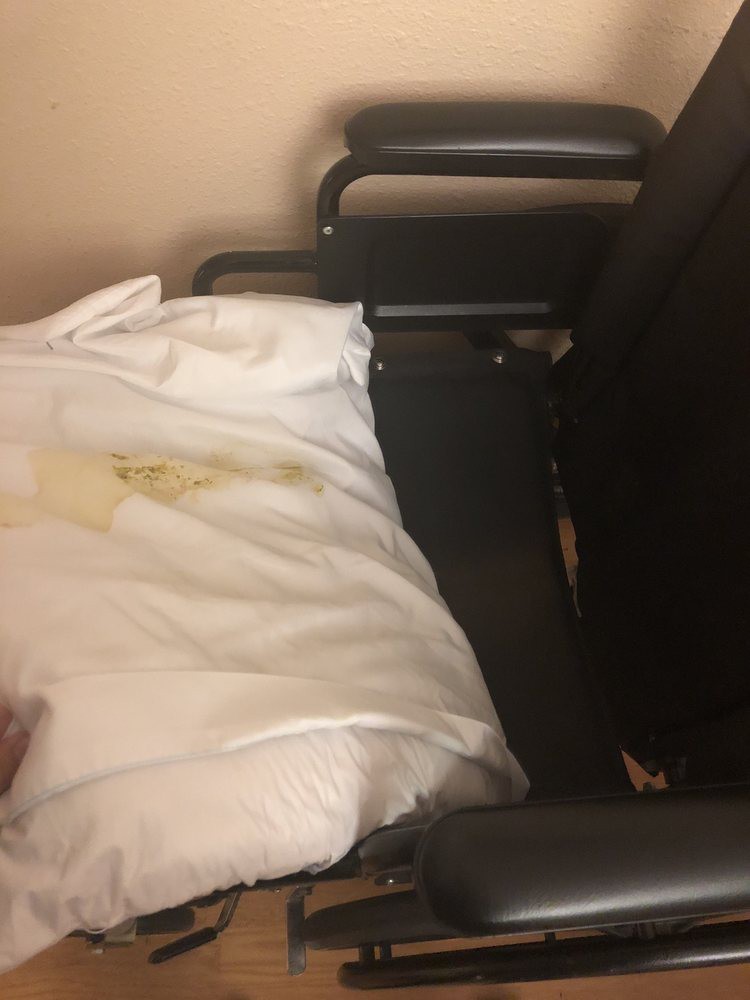
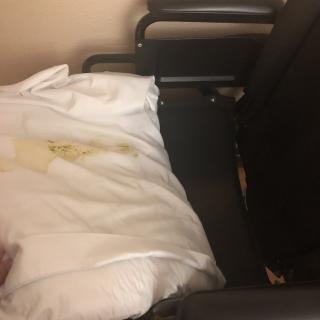
 The facility is terrible and the overall environment is dirty.
- The patient rooms and bathrooms are dirty.
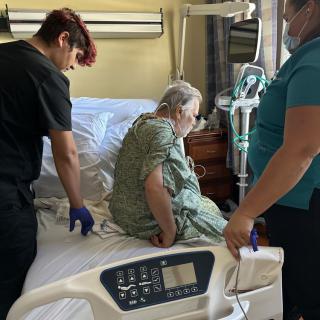
- Call lights are very slow to be answered.
- Patients are left waiting over an hour to be changed or moved.
- Nurses and CNAs are rude, with a few exceptions.
- Outside doctors’ orders are ignored and administration messages go unanswered.
- The photos do not reflect reality; patient rooms are not like the pictures and floors are not mopped.
- The food is horrible and not nutritious.
Review
ManorCare Health Services-Palm Desert is best suited for seniors who arrive looking for structured rehabilitation and a robust therapy program, with an emphasis on physical and occupational therapy and a lively activity calendar. It can work well for residents who can tolerate periodic caregiving gaps if the rehab team drives steady progress and keeps social engagement active. Those whose primary need is consistent, high-touch medical oversight or a spotless, consistently hygienic environment may find the fit less reliable. For families prioritizing home-like care, predictable physician access, and uniformly clean, well-maintained spaces, alternatives warrant serious consideration.
Explicitly, consider alternatives if the resident is medically fragile, has complex dementia needs, or requires daily, close physician supervision. The reviews reveal uneven medical oversight, with reports of administration delays in responding to concerns and doctors not routinely reviewing records or seeing patients after the first day. Infections, antibiotic management concerns, and inconsistent symptom monitoring surface in multiple accounts. If dependable medical direction, transparent communication with families, and calm, clean surroundings are nonnegotiable, another option may better protect those priorities.
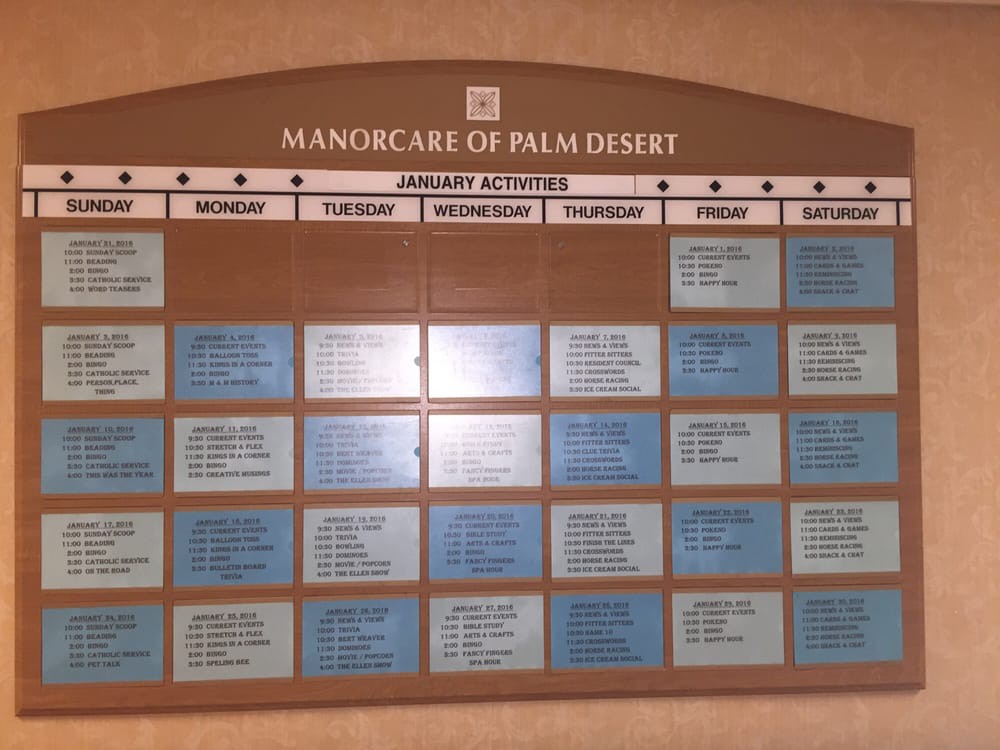
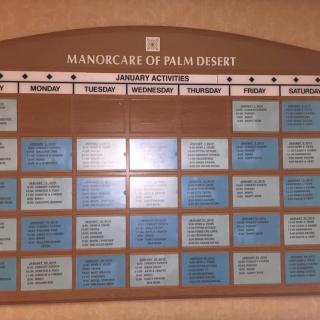
The strongest positives lie in the rehab ecosystem and the daily rhythm of skilled care. Across several accounts, physical and occupational therapy teams are described as dedicated, effective, and continuity-driven, with notable examples of therapists who motivate recovery and tone care toward individual needs. The staffing attitude from CNAs to admitting nurses is praised when consistent, with residents benefiting from regular therapy sessions and a sense that staff are genuinely engaged. Activity programming, bingo, social events, and routine engagement, also helps sustain morale and function, especially for residents in rehab or post-acute recovery.
Yet these strengths are tempered by clear, recurring drawbacks that cannot be ignored in a decision. A number of families report dirty rooms and soiled patient areas, including uncomfortable care experiences like slow response to call lights and delayed assistance with meals. Communication gaps with administration and medical staff appear repeatedly, sometimes leaving families feeling unheard. Several reviews recount medical missteps or perceived neglect, wrong antibiotic administration, urinary tract infections not promptly resolved, and care lapses around basic hygiene and positioning. These incidents underscore a pattern where good rehab outcomes may be undermined by inconsistent daily care and oversight.
In practical terms, families should verify a concrete plan for daily care quality before moving in. Request a meeting with the treating physician to establish a clear rounds schedule, and ask for explicit expectations on antibiotic management, infection control, and hydration/ nutrition oversight. Inspect room cleanliness when touring, and inquire about housekeeping frequency, linen changes, and how call lights are prioritized. Confirm CNA staffing patterns on different shifts and how therapy progress is shared with families. If the resident’s goals center on becoming more independent and returning home, probe how the facility will support transitions, including discharge planning and home-health coordination.
Ultimately, ManorCare Palm Desert can be a sound choice for rehab-focused residents who thrive on intensive therapy, engaging activities, and supportive therapy teams. The facility’s ability to deliver meaningful progress and maintain a warm atmosphere appears strong in many reviews, and several caregivers express genuine gratitude for attentive staff. However, the decision hinges on the importance placed on medical oversight, day-to-day cleanliness, and responsive administration. For families unwilling to compromise on those elements, alternatives with steadier doctor involvement, higher cleanliness consistency, and crisper communication protocols are worth pursuing, even if that means forgoing the strongest rehab momentum this community can offer.
 178 resident community capacity
 Skilled Nursing Facility
 Air-conditioning
 Beauty salon
 Cable or satellite TV
 Computer center
 Dining room
 Fitness room
 Fully furnished
 Gaming room
 Garden
 Housekeeping services
 Kitchenette
 Move-in coordination
 Outdoor space
 Private bathrooms
 Restaurant-style dining
 Small library
 Telephone
 Wellness center
 Wi-Fi/high-speed internet available
 Palm Springs International (9 miles away)
 Community operated transportation
 12-16 hour nursing
 24-hour call system
 Activities of daily living assistance
 Assistance with bathing
 Assistance with dressing
 Assistance with transfers
 Diabetes diet
 Medication management
 Mental wellness program
 Special dietary restrictions
 Concierge services
 Planned day trips




 Caregiver Exhaustion: Recognizing the Signs and Restoring Your Well-Being
 Understanding Hospice Care at Home: Comprehensive Services, Key Benefits, and Eligibility
 Understanding the Full Cost of 24/7 In-Home Care: A Detailed Overview