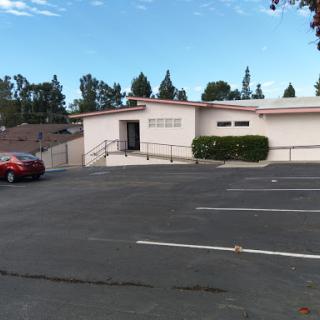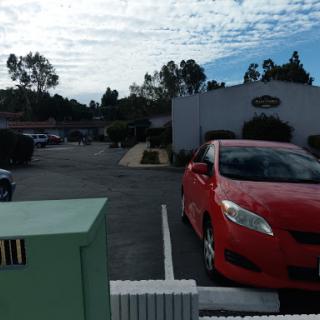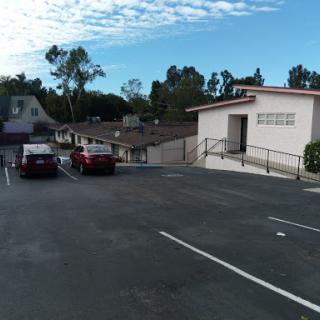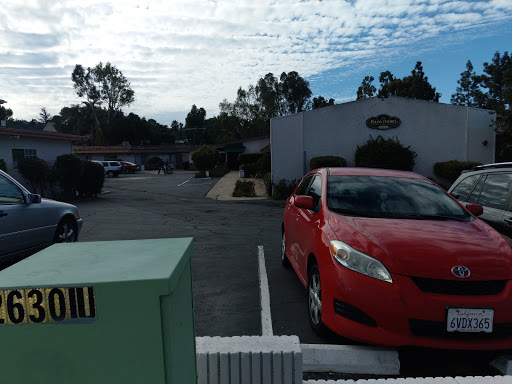
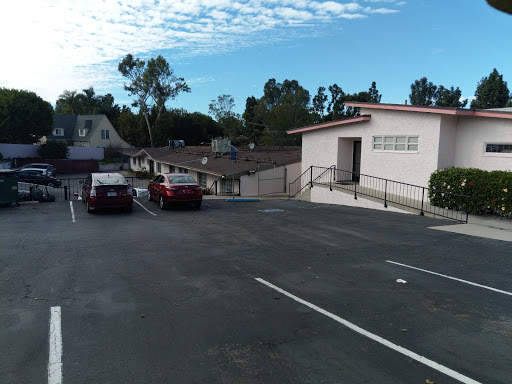
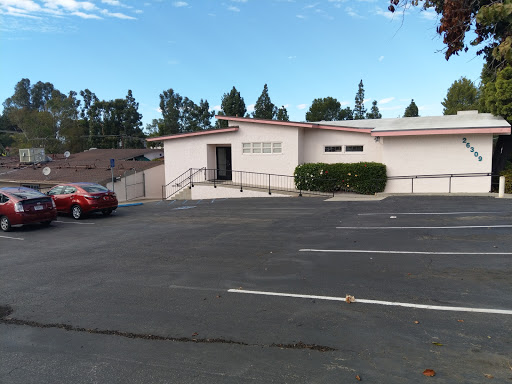
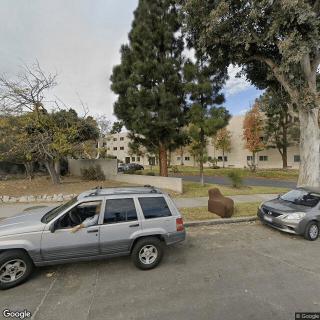
26303 Western Avenue, Lomita, CA 90717
For more information about senior living options: (866) 208-4318
Overall Review of Palos Verdes Health Care Center
Pros
 The staff at this facility is caring, attentive, and dedicated to meeting residents' needs.
- The nurses are friendly, highly skilled, and accommodating, mindful of residents' needs.
- Families feel grateful because their loved ones receive very good care and are supported.
- The facility keeps residents informed about their status and procedures.
- The facility is clean, and the staff are courteous, with families noting helpful involvement and multi-language communication.
- The staff's hard work and dedication help keep all residents safe by following CDC guidelines.
Cons
 The place is described as the worst care center possible.
- It lacks proper staff to care for patients.
- The staff treat patients as if they are useless beings.
- Two creepy men roam the facility as if they own it, with concerns about what they do to patients.
- The experience was very poor, including premature discharge and harassment over payments.
- The facility is described as the worst-run facility in California, with a violent patient nearly killing someone and staff doing nothing.
- The reviewer would not recommend this place and warns others not to send their loved ones there.
Review
This community is best suited for families that will stay actively involved and place a premium on a clean, well-maintained environment with reliable daily meals and clear, ongoing communication. It works for seniors who need moderate daily assistance and appreciate staff who are friendly and attentive when families are engaged. The facility can be a good fit for those who value multilingual staff and a living space where loved ones can participate in care planning and routine updates. Still, this is not the place for families prioritizing spotless safety records or consistently high-quality care across the board, given the mixed experiences reported by residents and families.
Those who should seriously consider alternatives include families prioritizing unwavering safety, predictable staff responsiveness, and consistently positive care experiences. Several reviews raise red flags about safety and the handling of difficult situations, including allegations of neglect, harassment, and even violent incidents that were not adequately addressed. For seniors with higher care needs or those requiring strict supervision, a facility with a clearer track record of rapid, proactive threat response and robust risk management will likely be a more reliable choice. In short, if safety and dependable day-to-day reliability are nonnegotiable, look elsewhere.
The strongest positives here are the moments when staff demonstrate genuine care and open communication. Families report that the nursing team can be highly supportive, informative, and respectful, keeping relatives in the loop about procedures and changes in status. The facility tends to be described as clean, with decent, nourishing meals and a focus on resident welfare. Language diversity among staff, English, Tagalog, Korean, and Spanish, facilitates conversations with families and residents, while involvement from family members is encouraged and valued. These elements create a sense of warmth and trust when operations run smoothly, and they provide a meaningful foundation for daily life in a skilled-nursing setting.
But the cons are significant and cannot be overlooked. The most troubling themes center on safety and consistency: reports of episodes where residents faced aggression or harm with insufficient intervention, and claims of staff unprepared or slow to respond. Several accounts describe harassment and a perceived neglect of residentsā€™ needs, including disquieting behavior by other patients and a sense that some incidents were not managed with the urgency expected in skilled care. Discharge experiences and communication lapses have also left families feeling frustrated and uncertain. Taken together, these reviews suggest a facility with pockets of quality care, yet uneven execution that undermines trust and emotional security.
From a decision-making perspective, the pros help families who can maintain close oversight and who prioritize a clean, well-run daily environment with open lines of communication. The cons, however, do not easily dissipate under those benefits; safety risks and inconsistent care responsiveness represent material downsides that can outweigh the positives for many households. The prudent path is to approach with a plan: schedule multiple visits at different times, speak with frontline caregivers and supervisors about incident handling, request concrete data on staffing ratios and caregiver continuity, and review state inspection results and any recent corrective plans. This approach helps separate days when the facility operates well from those when systemic gaps become apparent.
In the end, Palos Verdes Health Care Center presents a credible option for families who can stay closely involved and who value a respectful, communicative staff and a clean, comforting setting. For those whose primary priority is unwavering safety, consistent high-quality care, and predictable outcomes, it is wise to compare siblings or nearby facilities with stronger, documented safety records and more uniform care standards. A thoughtful due-diligence process, touring the building, meeting several care teams, and requesting real-world references, will reveal whether the positives can be relied upon consistently or if alternatives offer a more dependable path to peace of mind.
 48 resident community capacity
 Skilled Nursing Facility
 Beauty salon
 Cable or satellite TV
 Dining room
 Fully furnished
 Garden
 Housekeeping services
 Kitchenette
 Move-in coordination
 Outdoor space
 Restaurant-style dining
 Small library
 Telephone
 Wi-Fi/high-speed internet available
 Long Beach (Daugherty) (9 miles away)
 24-hour call system
 Activities of daily living assistance
 Assistance with bathing
 Assistance with dressing
 Assistance with transfers
 Diabetes diet
 Medication management
 Mental wellness program
 Special dietary restrictions



 California's Form 602A: An In-Depth Examination of Senior Care Assessment
 Comprehensive Look at Senior Blood Pressure Charts: Normal and Elevated Levels by Age
 Top Canine Companions for Older Adults