
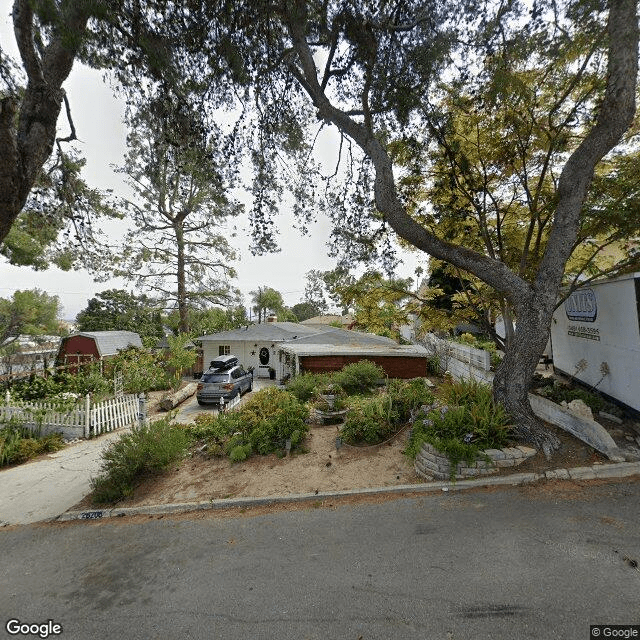
26208 Zephyr Ave, Harbor City, CA 90710
To contact a resident: (310) 257-0142
For more information about senior living options: (866) 208-4318
Abraham Home Care Inc Costs & Pricing
Abraham Home Care Inc offers competitive pricing for its services compared to the broader market in Los Angeles County and the state of California. For semi-private rooms, Abraham's monthly cost stands at $2,000, significantly lower than the county average of $3,349 and the state average of $3,333. Similarly, their private rooms are priced at $2,900, which is more affordable than both the county rate of $4,197 and the state average of $3,939. They also provide studio apartments at the same price point of $2,900, again undercutting Los Angeles County's average of $4,172 and California's average of $4,145. This pricing structure reflects Abraham Home Care Inc's commitment to providing high-quality care while remaining accessible to families seeking support in today's challenging environment.
| Floor plans | Abraham Home Care Inc | Los Angeles County | California |
|---|---|---|---|
| Semi-Private | $2,000 | $3,349 | $3,333 |
| Private | $2,900 | $4,197 | $3,939 |
| Studio | $2,900 | $4,172 | $4,145 |
Memory care communities with a similar price nearby
-
About the same
John Villa's Home Care
$2,000 to $3,000 / month24.2 miles away -
from +$300 / mo
Bronwyn Residential Care
$2,300 to $3,500 / month18.4 miles away -
from -$200 / mo
Gracie's Residential Care
$1,800 to $2,500 / month16.0 miles away -
from -$200 / mo
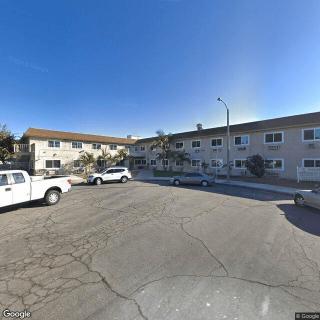
Palms Retirement Center
$1,800 to $3,495 / month21.8 miles away -
from -$200 / mo
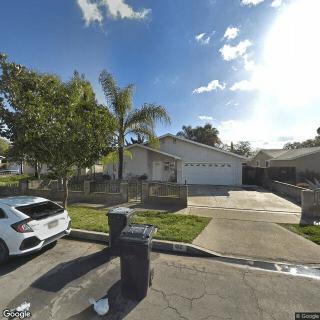
Sunny Crest Guest Home I
$1,800 to $2,800 / month20.2 miles away
Overall Review of Abraham Home Care Inc
Pros
 The facility provides 24/7 staff support, ensuring continuous care.
- It is equipped for Alzheimer's care and secured with alarms for safety.
- Two caregivers are on-site at all times, offering attentive supervision.
- There are both shared and private rooms available.
- Basic assistance covers hygiene and medication management.
- A nurse conducts assessments, providing professional oversight of residents’ care.
- It maintains a small, six-resident setting, fostering a close community.
Cons
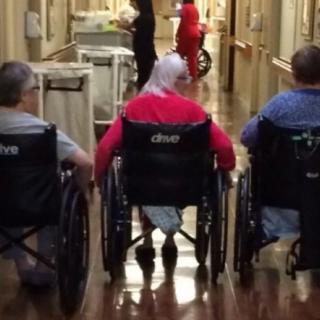
 Most residents there do not stay in their beds.
- Transportation is not included.
Review
Abraham Home Care Inc in Harbor City is best suited for families seeking a tightly run, memory-care oriented boarding home where safety and intimate supervision trump campus-style amenities. This is a six-resident setting, not a nursing home, designed for residents who need steady oversight and Alzheimer’s-friendly safeguards while still living in a home-like environment. The facility emphasizes non-medical support with round-the-clock staffing, 24/7 presence of two on-site caregivers, and secure features such as alarms. It offers both shared and private rooms, and relies on a nurse to complete assessments, placing medical touchpoints in a clearly defined, limited scope. For families prioritizing steady routine, minimal wandering risk, and a highly supervised atmosphere, this small scale can be a strong match.
Those who should consider alternatives are primarily residents who require more extensive medical oversight or skilled nursing, robust transportation options, or a richer calendar of activities and community engagement. If a loved one demands frequent hands-on medical interventions, regular outings, or a broader spectrum of therapy services, a larger assisted living community or a licensed memory-care facility with on-site clinicians may be a better fit. Families needing reliable transportation to appointments or social outings will also want options that include transport. In short, the current model serves safety and day-to-day support well, but it limits medical depth and mobility-driven services.
The strongest positives lie in the core caregiving structure. With two caregivers on-site at all times and 24/7 staffing, residents receive consistent supervision, timely assistance with daily tasks, and prompt attention for needs that arise. The setting’s Alzheimer’s readiness, secured premises and alarms, adds a critical layer of safety for memory-care residents who may wander or become disoriented. The small community size fosters a level of familiarity and accountability that larger campuses struggle to match, allowing caregivers to form meaningful routines and relationships. The nurse’s involvement in assessments also provides a formal touchpoint to review progress and adjust plans, even if medical care remains limited in scope.
Yet the flipside is tangible. This is a non-medical, non-nursing arrangement, with basic assistance limited to hygiene and medication management. The lack of transportation means daily outings, appointments, and social trips fall on family coordination or external arrangements, a potential snag for residents who thrive on activity beyond the home’s walls. Activity offerings appear present but sparse, which can lead to a quieter pace that may suit some but leave others seeking more structured engagement or therapeutic programming unsatisfied. The model’s intimacy and safety come at the price of breadth, fewer services, fewer on-site clinical resources, and a tighter constraint on mobility and external connections.
When weighing these elements, the pros and cons align with a clear profile. For memory-care residents who value safety, a predictable routine, and a warm, small-community feel, the 24/7 staffing and secure environment offer significant peace of mind. The on-site presence translates into faster response times and personalized oversight that larger facilities often struggle to deliver. However, for families prioritizing robust medical oversight, regular transport, and a dynamic activity calendar, these strengths are overshadowed by notable gaps. The result is a prudent, practical fit for a specific subset of memory-care needs, and a less ideal match for those pursuing broader clinical support or mobility-based engagement.
For families considering this option, proceed with purpose. Schedule a detailed visit focused on safety systems, room configurations, and day-to-day routines; ask how assessments translate into ongoing care plans and how quickly changes in condition would be accommodated. Confirm what is included in the basic assistance package and whether any ancillary services can be arranged if needed. Inquire about transportation alternatives, if any, and whether partnerships exist with physicians or therapists for periodic on-site visits. Finally, benchmark against a couple of larger memory-care and assisted-living communities to gauge how the intimacy and safety of a six-resident home weigh against broader programming, medical depth, and transport access. This approach ensures the best fit between the resident’s needs and the care environment.
 Board and Care Home
 Memory Care
 Private
 Respite or short term stays offered
 Long Beach (Daugherty) (9 miles away)


 When to Transition from Assisted Living to Memory Care: Key Indicators, Steps, and Finding the Right Community
 Understanding the Distinctions: Assisted Living and Memory Care Explained
 How to Communicate with a Loved One Living with Dementia: 10 Supportive Strategies