Overall Review of Arbor Rehabilitation & Nursing Center
caveat3 reviews mention this
Night call response can lag
Some residents describe long waits for help, especially at night.
A recurring concern is that help calls are not answered promptly, with one reviewer describing waits of 45 minutes or longer for assistance. Another resident points to daytime routines that still face delays with bathroom-related requests. At least one person also mentions frequent waits for diaper changes, suggesting inconsistent timing of care across needs.
caveat3 reviews mention this
Food quality is mixed
Food is sometimes described as hard to eat.
While some reviews speak positively about meals, multiple residents describe the food as unappetizing or not nourishing. One review compares the food unfavorably to prison food, while another says there were few meals they could eat. A separate reviewer says a loved one was not eating nutritious food due to how the meals tasted.
common4 reviews mention this
Many describe meals as good
Many residents say the meals are generally enjoyable.
Several reviews describe the food as pretty good or tasty, with one mentioning the menu varies and is visually appealing. A different resident says they could request an alternative such as a sandwich or snack if the main meal was not to their liking. Another reviewer specifically praises meals tasting like restaurant food. Overall, dining experiences appear positive for many residents, even though not everyone agrees.
How we summarize
Counts show how many written reviews mention each theme; a review can touch several themes, and only frequently mentioned themes are displayed.
Features
Housing
149 resident community capacity
Types of Care
Skilled Nursing Facility
Amenities
Air-conditioning
Beauty salon
Cable or satellite TV
Computer center
Continuing learning programs
Dining room
Family education and support services
Fitness room
Fully furnished
Gaming room
Garden
Housekeeping services
Kitchenette
Move-in coordination
Outdoor patio
Outdoor space
Private bathrooms
Restaurant-style dining
Small library
Telephone
Wellness center
Wi-Fi/high-speed internet available
Transportation
Community operated transportation
Transportation arrangement
Transportation to doctors appointments
Care Services
12-16 hour nursing
24-hour call system
24-hour supervision
Accept incoming residents on hospice
Activities of daily living assistance
Administer insulin injections
Assistance with bathing
Assistance with dressing
Assistance with transfers
Care with behavioral issues
Coordination with health care providers
Diabetes diet
Diabetic care
Meal preparation and service
Medication management
Mental wellness program
Mild cognitive impairment
Physical therapy
Rehabilitation program
Same day assessments
Special dietary restrictions
Transportation arrangement (medical)
Transportation to doctors appointments
Dining
Diabetes diet
Special dietary restrictions
Activities
Community-sponsored activities
Concierge services
Fitness programs
Planned day trips
Resident-run activities
Scheduled daily activities
Nearby Places of Interest
Restaurants
Five Window Beer Co. (0.5 miles)
Lodi Beer (0.8 miles)
The Dancing Fox Winery and Bakery (0.9 miles)
McDonald's (1 miles)
Habanero Hots (1.2 miles)
High Water Brewing (1.6 miles)
Woodbridge By Robert Mondavi (1.7 miles)
Pharmacies
Walgreens (1 miles)
Rite Aid (1.1 miles)
Lodi Pharmacy (1.7 miles)
Neighbor Care Pharmacy (2 miles)
Medical Arts Pharmacy (2.6 miles)
Young's Payless IGA (6.6 miles)
Longs Drugs (7.7 miles)
Parks
Lodi Lake (1.2 miles)
Peterson Park (2.2 miles)
Beckman Dog Park (2.7 miles)
Micke Grove Regional Park (4.5 miles)
Oak Grove Regional Park (7.9 miles)
Angel Cruz Park (9 miles)
Places of Worship
Zion Church Pre-School (1.2 miles)
St Michael's Church (8.7 miles)
Hospitals
Sutter Health (1.3 miles)
Fairmont Rehabilitation Hospital (1.7 miles)
Lodi Memorial Hospital (1.7 miles)
Trinity Plaza Surgery Center (8.5 miles)
Meadowood A Health & Rehabilitation Center (9 miles)
Physicians
Marina Castillo, MD (1.3 miles)
Askew Jr, Ezell, MD (1.5 miles)
Guendert Denise V MD Denise V. Guendert, MD (1.6 miles)
Lodi Mri Center (1.6 miles)
Family Medicine: Ham Lane Care Center: Sutter Gould Medical Foundation (1.6 miles)
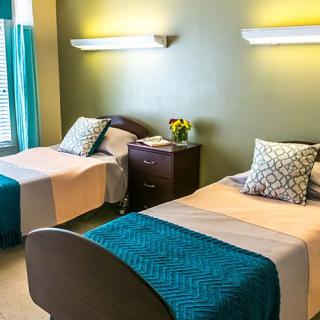
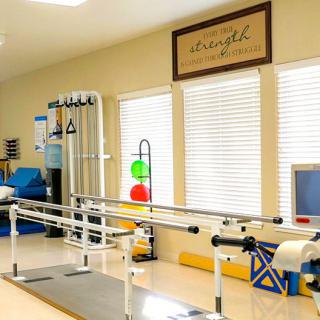
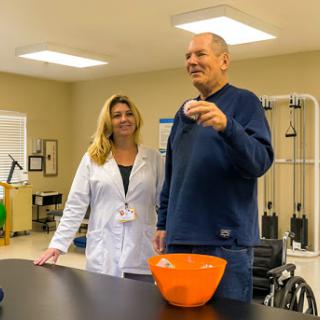
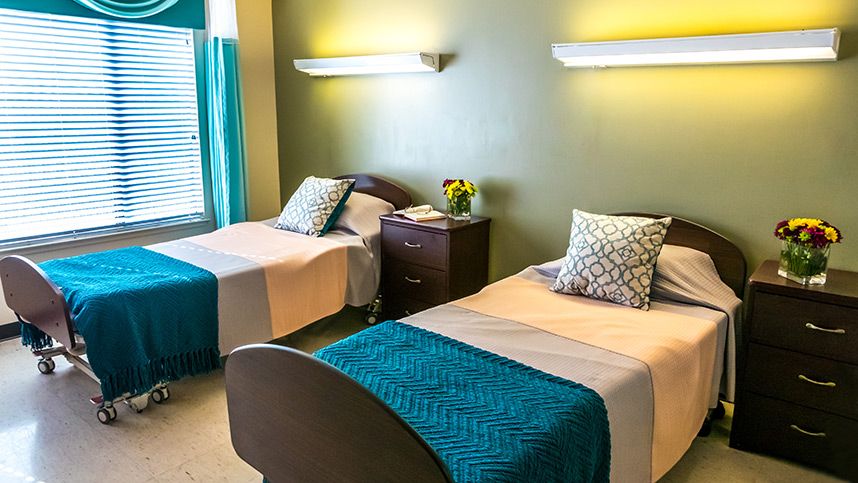
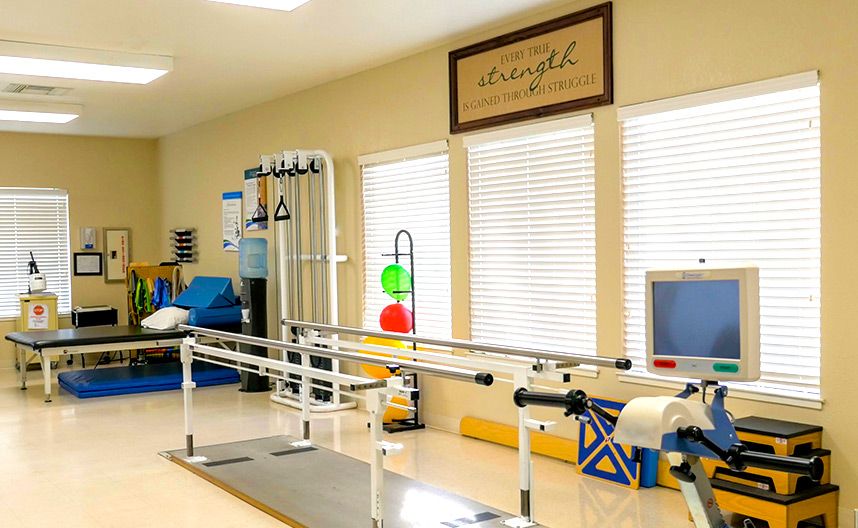
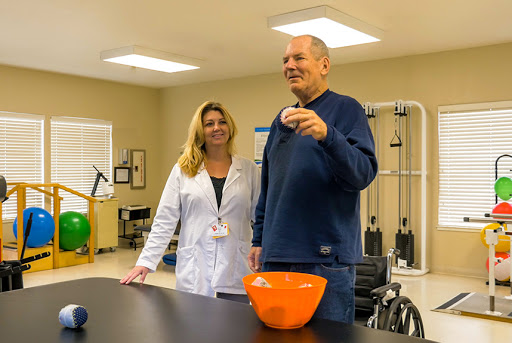
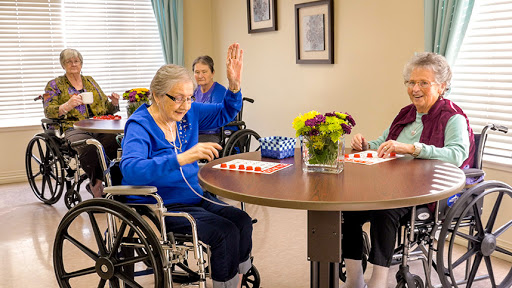
Arbor Rehabilitation & Nursing Center on seniors.fyi includes 5 photos including images showing bedroom, interior, decor, physical therapy, rehabilitation, natural light, therapy room, exercise equipment, and more.
Nearby Communities
Lodi Commons Senior Living
Lodi, CA
4.6 from 63 reviews
Friendly staff, engaging activities, and restaurant-style dining in well-appointed apartments.
Arbor Place
Lodi, CA
4.3 from 9 reviews
Compassionate care with friendly, responsive staff and clean, well-maintained facilities at a competitive area price.
River Fountains Of Lodi
Lodi, CA
3.8 from 33 reviews
$1,695 to $1,895 / month
Compassionate staff with engaging activities and affordable pricing.
Wine Country Care Center
Lodi, CA
24/7 supervision with broad amenities and dining options.
Gentlecare Home
Lodi, CA
4.5 from 25 reviews
Compassionate ownership and a welcoming, community-focused environment.
Mason Guest Home
Lodi, CA
5 from 1 review
Excellent access to healthcare and local amenities
Lodi Nursing & Rehabilitation
Lodi, CA
4.6 from 98 reviews
Wide range of amenities and 24/7 care
Solstice Senior Living At Lodi
Lodi, CA
4.5 from 127 reviews
$2,595 to $4,245 / month
Bright, well-maintained apartments with a robust activity calendar and caring staff.
Revel Lodi
Lodi, CA
4.8 from 132 reviews
$3,195 to $4,895 / month
Vibrant, resort-style independent living with a strong sense of community and high-quality dining at affordable pricing.
The article highlights nine memory-boosting activities for seniors that enhance cognitive health and social interaction, including puzzles, trivia quizzes, and storytelling, while emphasizing the importance of adapting these activities to individual preferences to maximize enjoyment and engagement. Consistent mental engagement is linked to improved cognitive function and emotional well-being in older adults.
Medicare provides limited coverage for skilled nursing home care, covering full benefits for the first 20 days and partial benefits up to 100 days under certain conditions, after which families must explore alternative funding options like Medicaid or long-term care insurance to manage potentially high costs. Proactive planning is essential to navigate the complexities of financing ongoing care once Medicare coverage ends.
Geriatric care managers create personalized care plans for older adults, addressing their medical, social, financial, and psychological needs while coordinating services and advocating for their well-being. They help families navigate caregiving challenges but may be hindered by high costs and a shortage of qualified professionals.
Get PricingAsk A QuestionSchedule A TourContact Senior Advisor
By clicking submit, you agree to our Partner's Terms of Use. You
also consent to receive calls and texts, which may be autodialed, from our Partner. Your consent is not a condition to
using our Partner's service. Please visit our Partner's Privacy Policy for information about their privacy practices.




 149 resident community capacity
 Skilled Nursing Facility
 Air-conditioning
 Beauty salon
 Cable or satellite TV
 Computer center
 Continuing learning programs
 Dining room
 Family education and support services
 Fitness room
 Fully furnished
 Gaming room
 Garden
 Housekeeping services
 Kitchenette
 Move-in coordination
 Outdoor patio
 Outdoor space
 Private bathrooms
 Restaurant-style dining
 Small library
 Telephone
 Wellness center
 Wi-Fi/high-speed internet available
 Community operated transportation
 12-16 hour nursing
 24-hour call system
 Accept incoming residents on hospice
 Activities of daily living assistance
 Administer insulin injections
 Assistance with bathing
 Assistance with dressing
 Assistance with transfers
 Care with behavioral issues
 Diabetes diet
 Medication management
 Mental wellness program
 Mild cognitive impairment
 Physical therapy
 Same day assessments
 Special dietary restrictions
 Transportation arrangement (medical)
 Concierge services
 Planned day trips
 Friendly staff, engaging activities, and restaurant-style dining in well-appointed apartments.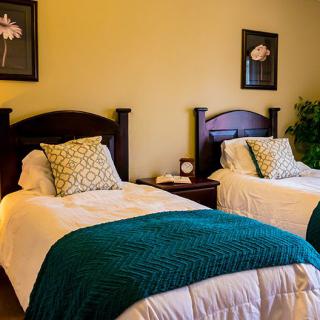


 9 Stimulating Memory Activities for Seniors: Puzzles, Cards, and Much More
 Managing Nursing Home Expenses After Medicare Coverage Ends
 Is a Geriatric Care Manager the Right Choice for Your Family?