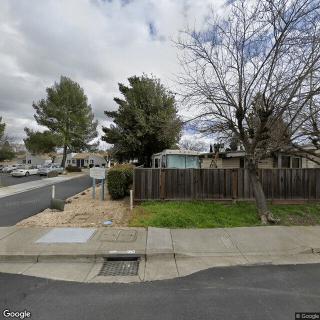
752 Holmes Street, Livermore, CA 94550
For more information about senior living options: (866) 208-4318
Overall Review of Mocho Park Care Center
Pros
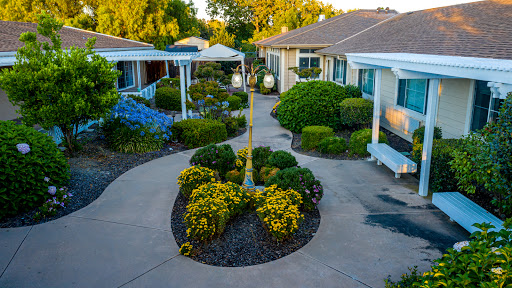
 The facility is lovely.
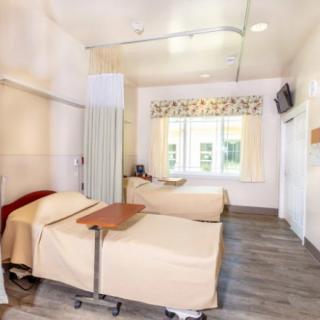
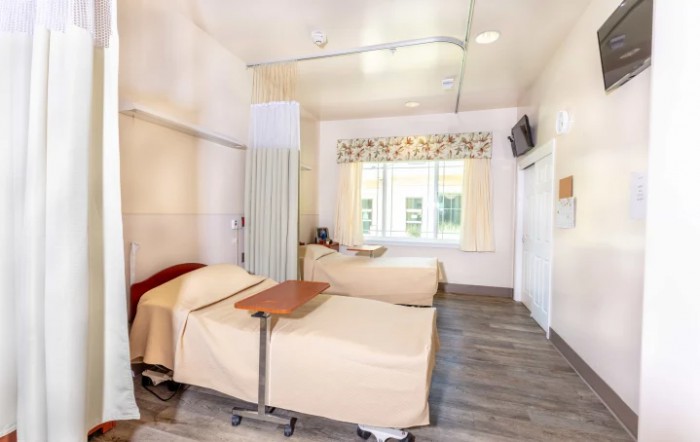
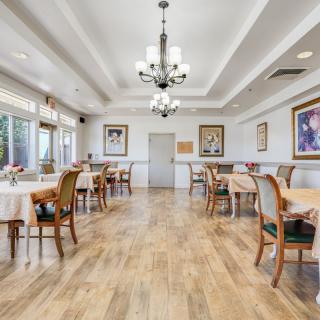
- The rooms are spacious and the decor is contemporary and aesthetically pleasing.
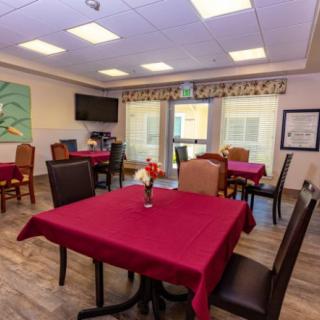
- The building is large with a multitude of windows, making the spaces bright.
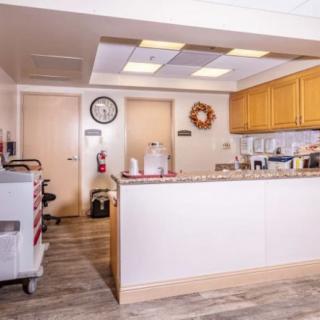
- It is kept consistently and impeccably clean, which makes the spaces bright and cheerful.
- The director and office administration staff are outstanding—sincerely committed, highly knowledgeable and capable.
- Everyone is genuinely friendly and caring.
- The staff are sensitive, understanding, and accommodating to meet every special need.
- The nursing staff demonstrate patience and a friendly attitude.
- Many staff members go above and beyond to be helpful and accommodate the needs of the residents.
- Administrators are truly interested in hearing patient and family feedback and in communicating regularly to resolve problems.
- The director Isabel and the team keep families informed and take precautions to protect staff and residents.
- They purchased iPads for communication between family members and staff.
Cons
 The reviewer calls Stratford Villa the worst place ever and says the care is neglected.
- The staff are alleged to not want anyone to get better and to lie with a smile.
- They failed to help a resident obtain retirement benefits and ignored his requests.
- A resident was allegedly ignored for five days until he stopped responding.
- The facility was described as thinly staffed, with a non-operable TV and meals that did not meet the resident’s wishes.
- A roommate claimed staff threatened him with withholding medication if he spoke up.
Review
This Livermore community is best suited for families seeking a short-term post-acute recovery with highly personalized attention in a small, homey setting. It excels when a loved one is wound healing after a medical procedure and benefits from frequent family updates, accessible staff, and a calm, hotel-like environment. The intimate 27-bed model allows staff to know residents well, respond quickly, and tailor care to individual needs. It is particularly attractive to families who place a premium on clean, bright spaces, thoughtful decor, and visible administrative engagement. Those who anticipate long, ongoing memory-care supervision or heavy, round-the-clock nursing demands should look elsewhere, as the operating model here is oriented toward collaborative, short-and-supportive stays rather than large-scale, long-term coverage.
Pros build a compelling case for the right match. The facility presents a modern, welcoming aesthetic with large rooms, abundant natural light, and a consistently clean milieu that lifts the mood and confidence of families and residents alike. Reviews highlight a leadership team, especially the director and office staff, who are genuinely committed, knowledgeable, and capable, with on-point coordination across clinical and support teams. The small size translates into personalized care; families note patient, attentive nurses and aides who treat residents with dignity and kindness, and administrators who actively seek family input and work to resolve issues. The ability to use integrated communication tools, such as iPads to connect families with staff, further strengthens trust and peace of mind during recovery.
Yet, a minority of reviews raise concerns that cannot be ignored in decision-making. Some families allege neglect or miscommunication, including meditation on whether medical needs were promptly addressed and concerns about hospital transfers. Other critiques point to staffing gaps, inconsistent front-desk coverage, and hiccups in basic comforts, food quality, a non-operational TV, and a shared room with a distressed roommate. These reports are not presented as the norm, but they underscore real risks if the facility’s staffing and internal communication misalign with a resident’s evolving needs. Given the variability in experiences, due diligence remains essential for anyone contemplating admission.
The strongest defense against the cons lies in the same attributes that make the place appealing: evident leadership, open channels of communication, and the ability to mobilize personalized care quickly when a resident’s condition changes. Several families describe proactive, compassionate teams that go above and beyond to accommodate individual preferences and medical needs, and they credit consistent updates and family involvement as a stabilizing force during recovery. The small, intimate setting naturally enables closer bonds between residents and caregivers, which can offset occasional administrative or operational missteps when staff consistency is high and expectations are clearly communicated.
Alternatives should be considered for residents with heavier long-term needs, memory-care complexities, or demands for robust 24/7 medical supervision. For those prioritizing highly structured, ongoing chronic care, larger facilities with specialized memory-care wings or dedicated subacute units may deliver greater coverage and more predictable scheduling. Families with a history of dissatisfaction around responsiveness or when hospital-transfer timing becomes a recurring concern might favor communities with longer-standing track records in rapid acute escalation and more standardized protocols. In short, Stratford Villa Post-Acute shines for targeted post-acute recovery in a quiet, attentive setting but may not be the best fit where high-intensity, long-term, or memory-care-specific requirements dominate.
Bottom line: for a family that values a bright, well-kept environment, intimate staffing, and steady, compassionate post-acute care, Stratford Villa Post-Acute offers a strong, practical choice in Livermore. The key is aligning expectations with the facility’s strengths, personalized attention, open communication, and a homelike atmosphere, while proactively confirming current staffing levels, meal quality, activity availability, and the process for hospital transfers. Scheduling a visit, speaking directly with the administrator, and observing the cadence of care during an actual tour will reveal whether this community can reliably deliver the targeted recovery trajectory desired for a loved one.
 27 resident community capacity
 Skilled Nursing Facility
 Beauty salon
 Cable or satellite TV
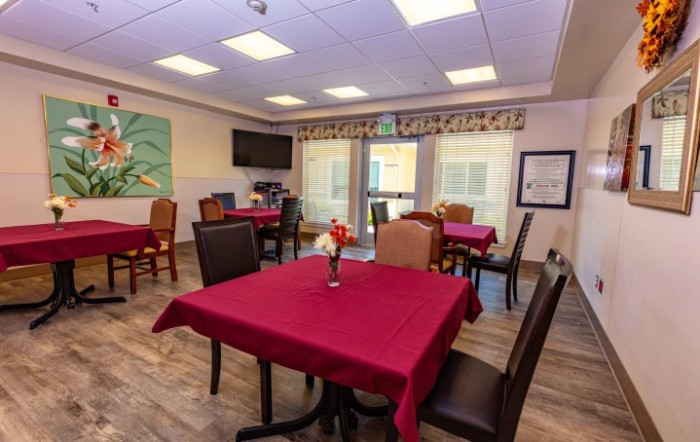
 Dining room
 Fully furnished
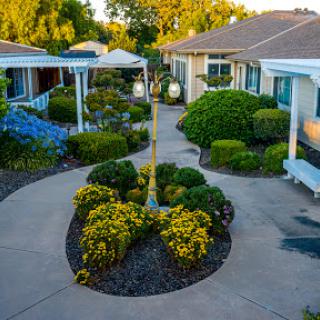
 Garden
 Housekeeping services
 Kitchenette
 Move-in coordination
 Outdoor space
 Restaurant-style dining
 Small library
 Telephone
 Wi-Fi/high-speed internet available
 San Jose International (23 miles away)
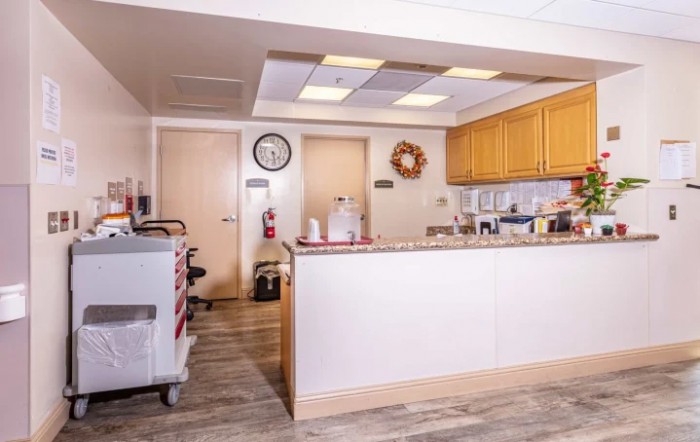
 24-hour call system
 Activities of daily living assistance
 Assistance with bathing
 Assistance with dressing
 Assistance with transfers
 Diabetes diet
 Medication management
 Mental wellness program
 Special dietary restrictions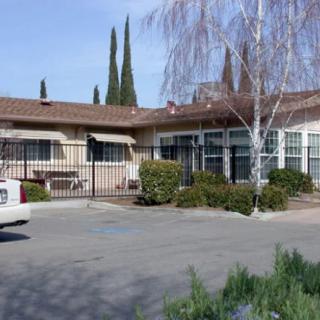




 Senior Move Management: Understanding the Role, Value, and Associated Costs
 Weight Training for Seniors: Building Strength and Vitality
 Understanding the Sandwich Generation: Stress and Responsibilities for Multigenerational Caregivers